Anti Slip Stair Strips – Durable, Easy Install, Safe Grip
A Practical Buyer’s Guide to Anti Slip Stair Strips (with field notes)
I’ve walked more job sites than I can count, and the one upgrade that consistently punches above its weight is, surprisingly, those humble Anti Slip Stair Strips. They pay for themselves in reduced incidents and—speaking as someone who’s slipped on a rainy mezzanine—peace of mind. Let’s cut through the fluff and look at what matters in 2025: specs, tests, vendors, and what really lasts.
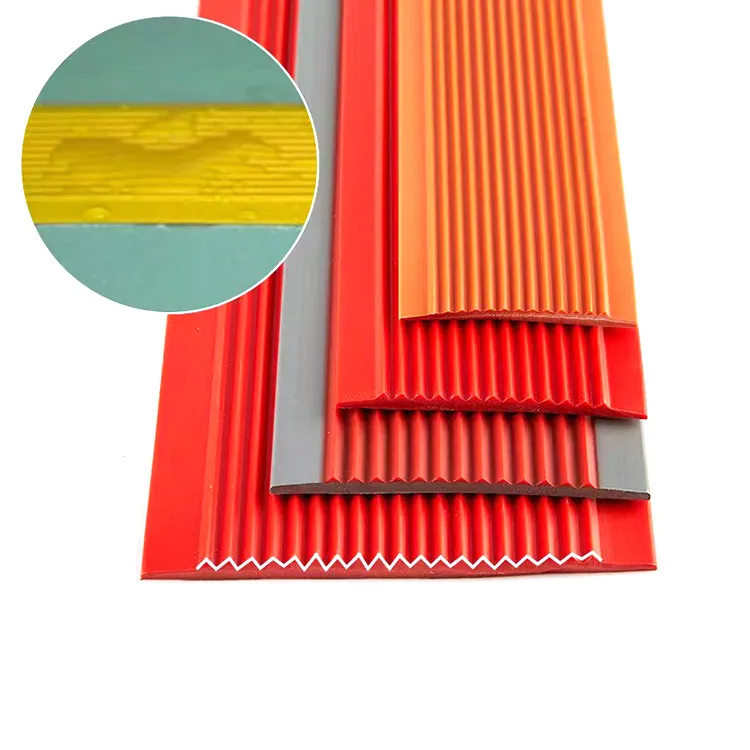
What’s trending (and why it matters)
Facility managers are standardizing on durable, co-extruded nose-and-tread profiles instead of short-lived tapes. Demand spiked in schools, transport hubs, and healthcare because audits increasingly ask for documented slip-resistance to ASTM/EN standards. Also, sustainability angles: solvent-free adhesives and UV-stable materials are quietly becoming the default.
Featured product snapshot
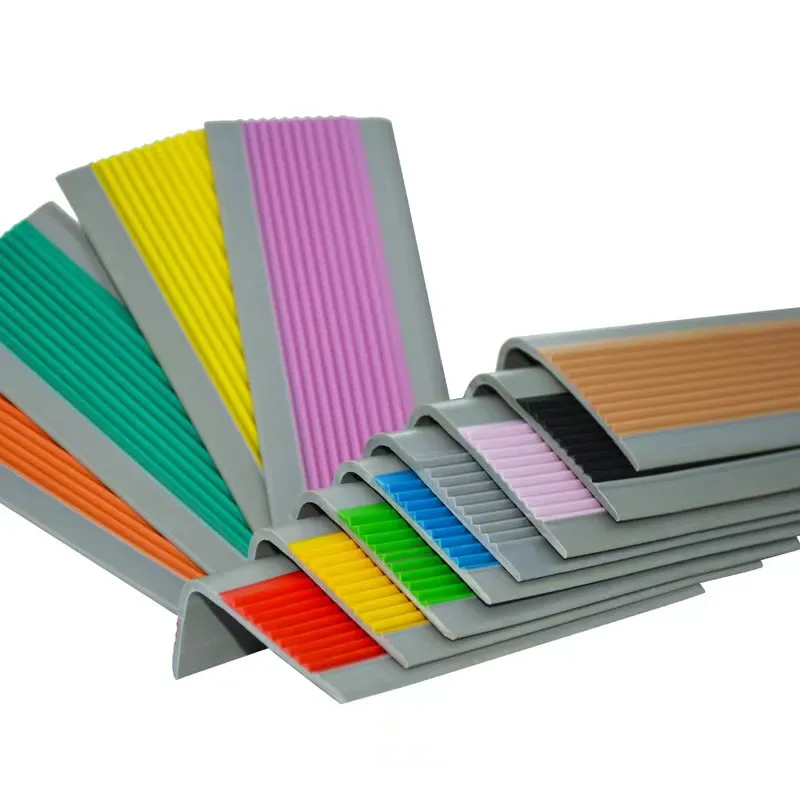
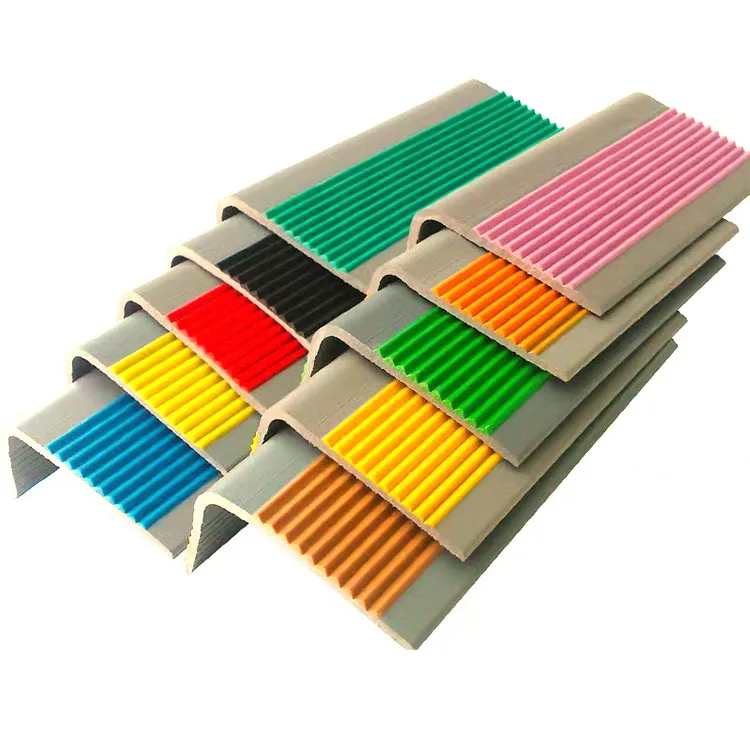
Plastic Rubber Stair Nose Edge Trim, Stair Step Edging Protection Decoration Guard For School And Home Use—made in Wangshigong Industrial Zone, Wei County, Xingtai City, Hebei Province. The factory’s known for sealing strips and food-grade silicone; that cross-industry tooling experience usually translates into tight tolerances. Many customers say the fit on uneven concrete is forgiving, which tracks with the compound choice.
Technical specifications (typical)
| Material options | PVC, TPR, EPDM blend with mineral anti-slip grit |
| Shore A durometer | ≈ 70 ±5 (real-world use may vary) |
| Profile | Nosing + tread ribbing; height ≈ 3–5 mm; width 40–60 mm |
| COF (lab) | Dry ≥ 0.80; Wet ≥ 0.60 per ASTM D2047 / E303 |
| Temperature range | -20°C to +70°C continuous |
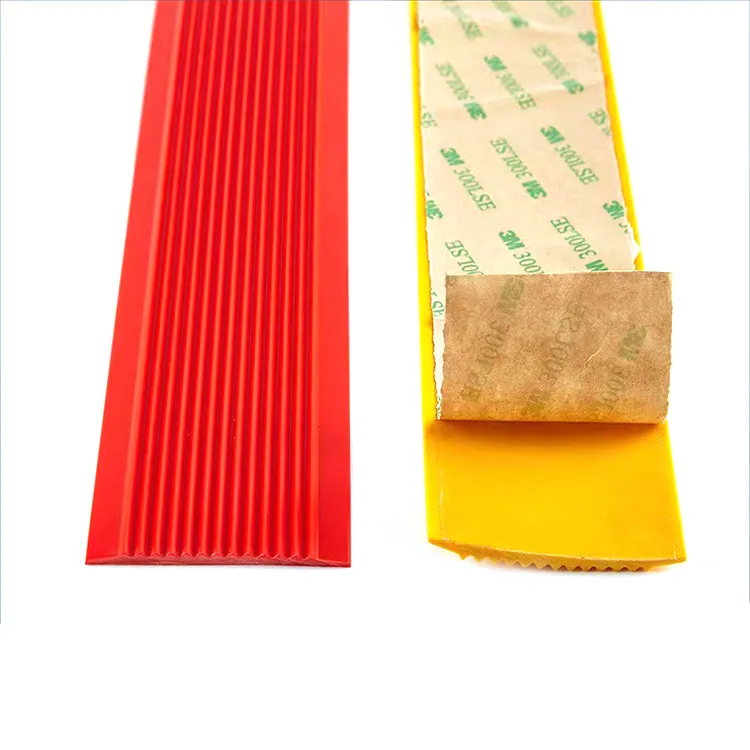
| Adhesion | 3M PSA or mechanical fasteners (pre-punched) |
| Colors | Black, Safety Yellow, bi-color edge visibility |
Process flow and testing
Materials are compounded (PVC/TPR/EPDM + UV stabilizers), then extruded or co-extruded with a high-friction cap. Edges are trimmed; holes or channels added for screws. PSA lamination happens in a clean zone. QC runs Shore A (ASTM D2240), COF (ASTM D2047; pendulum E303), UV (ISO 4892-2), dimensional checks, and odor/VOC screens for interiors. Expected service life: 5–8 years indoors; 3–5 outdoors depending on UV load and de-icing salts.
Where Anti Slip Stair Strips make sense
Schools, hospitals, retail, transport stations, residential entries, and warehouse mezzanines. I guess the biggest surprise is how much quieter traffic feels after installation—less scuff, fewer heel slips.
Mini case notes
Public school (1,200 students): Yellow nosings dropped stair incidents by 42% in rainy months, based on safety logs. Custodial team liked the quick-clean ribs.
Logistics hub: Screw-down profiles on steel grating held COF ≥0.65 wet; zero adhesive creep after 6 months. Supervisor feedback: “Install took a weekend, not a shutdown.”
Vendor comparison (indicative)
| Vendor | Material/COF proof | Customization | Lead time | Notes |
|---|---|---|---|---|
| Featured factory (Hebei) | ASTM D2047/E303 reports; ISO 4892 UV | Color, width, hole pattern, logos | 10–20 days | Strong extrusion capability; fair MOQs |
| Generic importer A | Basic COF slip sheet | Limited | Stock-based | Fast for small jobs |
| DIY tape kit | Varies widely | N/A | Immediate | Low cost; shorter life |
Installation, customization, upkeep
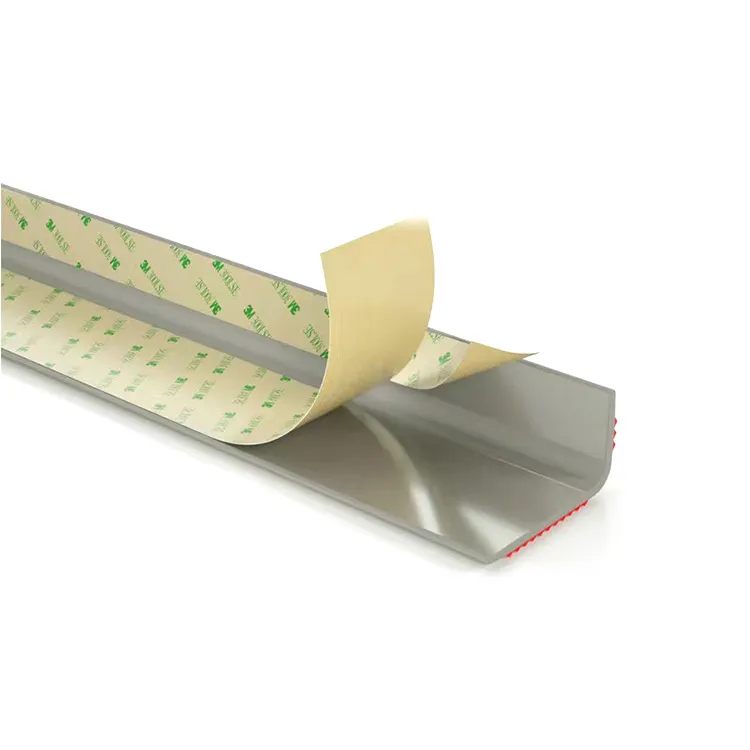
Choose PSA for sealed concrete/wood; screw-down for steel or high-traffic edges. Degrease, dry-fit, then roll-pressure 30–50 N. Corners? Miter at 45°. Custom options include bi-color safety edges, tactile ribs, and pre-curved lengths for amphitheaters. Maintenance is boring (that’s good): neutral pH cleaner, soft pad—avoid harsh solvents.
Certs and compliance
Look for documented COF per ASTM D2047 or EN/ISO pendulum tests, ADA-recommended traction targets, and, when relevant, fire/smoke declarations for interior egress routes. If you need food-contact assurances in mixed-use facilities, ask about FDA-grade compounds from their silicone line.
Bottom line: If you’re upgrading stairs this quarter, durable Anti Slip Stair Strips with verified COF and UV stability are the sensible, budget-friendly choice. To be honest, it’s one of those fixes nobody notices—until it isn’t there.
Authoritative citations
- ASTM D2047 – Standard Test Method for Static Coefficient of Friction of Polish-Coated Floor Surfaces Measured by the James Machine.
- ASTM E303 – Standard Test Method for Measuring Surface Frictional Properties Using the British Pendulum Tester.
- ADA Accessibility Guidelines – Recommendations for slip resistance (0.6 level, 0.8 ramps).
- ISO 4892-2 – Plastics: Methods of exposure to laboratory light sources (UV weathering).
-
Understanding e3 edge banding tape price and Value FactorsNewsApr.16,2026
-
Premium Birch Edge Tape Guide for Professional Furniture FinishingNewsApr.09,2026
-
Comprehensive Guide to 2mm Edge Banding Tape for Furniture and CabinetryNewsApr.07,2026
-
Comprehensive Guide to Choosing the Right 18mm Edge Banding for Your ProjectsNewsApr.04,2026
-
Comprehensive Guide to Pre Glued Melamine Edging Applications and InstallationNewsMar.31,2026
-
Comprehensive Guide to Self Adhesive Edge Banding Tape Applications and SelectionNewsMar.28,2026
-
Comprehensive Guide to Wood Veneer Edging Strips for Furniture and Woodworking ProjectsNewsMar.26,2026