Choosing the Right White Edge Banding for Furniture and Cabinetry Projects
Choosing the Right White Edge Banding for Your Project
When it comes to finishing edges on furniture, cabinetry, or any laminated wood product, white edge banding is a versatile and popular choice. It provides a clean, professional look while protecting the core material. This article will explore the different types of white edge banding available, their applications, installation techniques, and why choosing the right banding is crucial for a lasting and beautiful finish. Selecting the appropriate edge banding not only improves aesthetics but also contributes to the overall durability of your project.
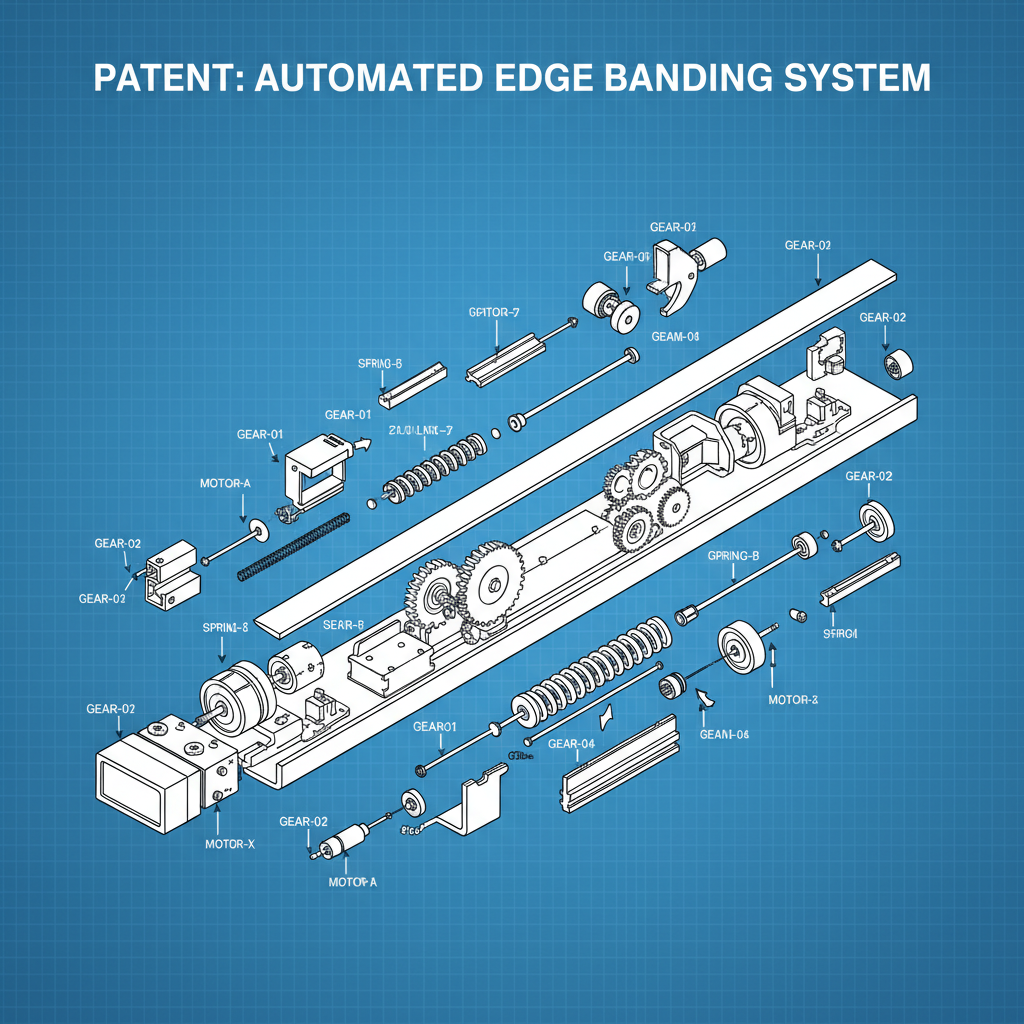
Understanding the Types of White Edge Banding
White edge banding isn’t a one-size-fits-all solution. Different materials cater to various needs and budgets. The most common types include PVC, ABS, and wood veneer. PVC is a cost-effective option, known for its flexibility and ease of application, although it may not be as durable as other materials. ABS offers superior impact resistance and is more suitable for high-traffic areas. Wood veneer provides a natural wood look and feel but requires more skill to apply correctly. The choice depends on the project’s requirements, aesthetic preferences, and expected level of wear and tear. Explore the range available at QZ Seals to find the perfect fit.
Key Highlights: QZ Seals provides a wide selection of white edge banding materials, including PVC, ABS, and wood veneer, catering to diverse project needs and budgets.
Applications of White Edge Banding
White edge banding is incredibly versatile and used in a multitude of applications. Common uses include furniture manufacturing (tables, chairs, cabinets), kitchen cabinetry, shelving units, office furniture, and even DIY projects. The clean white finish complements a variety of décor styles, making it a popular choice for both residential and commercial applications. It's also frequently used to conceal the core material of laminated boards, offering a more polished and refined look.
Common Applications:
• Furniture Manufacturing
• Kitchen Cabinetry
• Shelving Units
• Office Furniture
Comparing White Edge Banding Materials: PVC vs. ABS vs. Veneer
Choosing between PVC, ABS, and wood veneer requires careful consideration. Each material has its own set of advantages and disadvantages in terms of cost, durability, appearance, and ease of installation. Below is a comparison chart to help you make an informed decision.
Installation Techniques for White Edge Banding
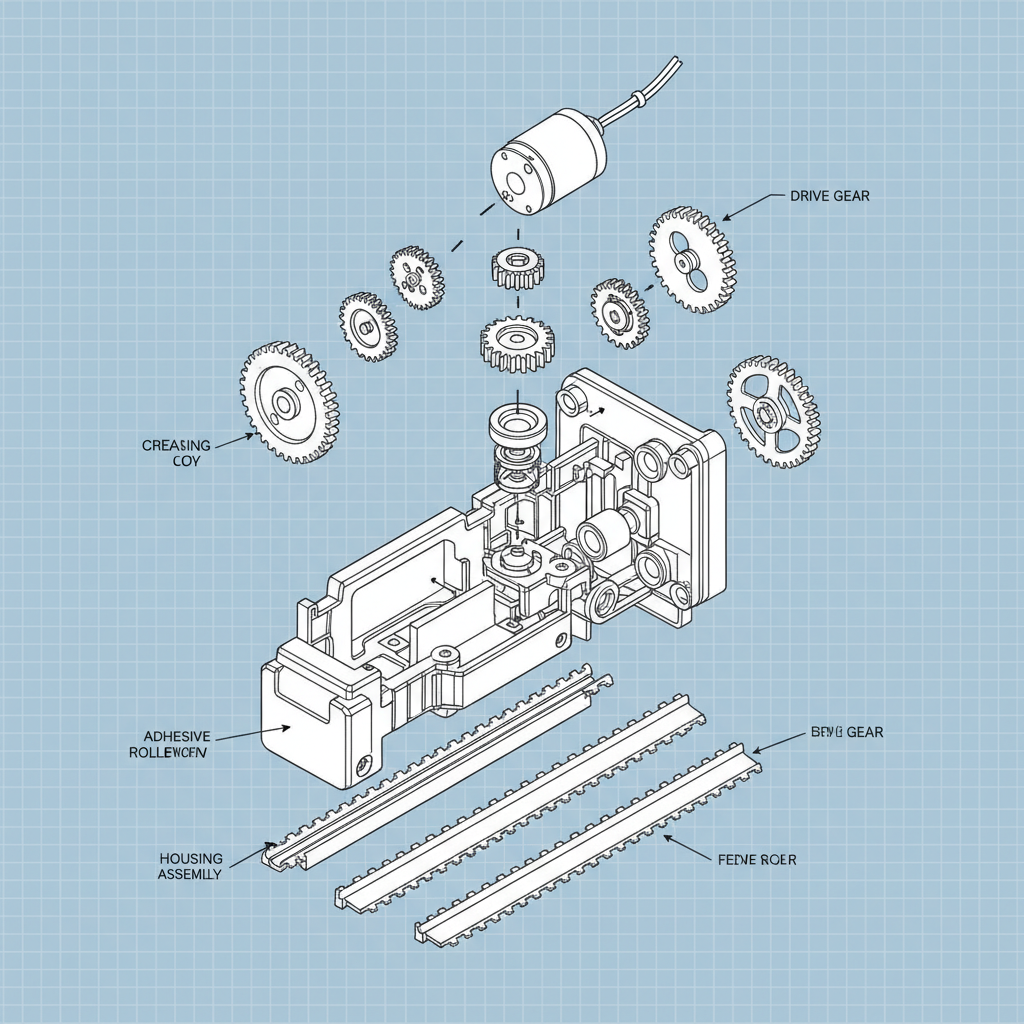
Proper installation is key to achieving a seamless and durable finish. Common methods include using an iron, hot air gun, or specialized edge banding machine. Iron-on edge banding is a popular choice for DIY projects, while hot air guns offer more precise control. Edge banding machines are ideal for high-volume production. Before applying, ensure the substrate is clean and free of dust. After application, trimming any excess banding with a sharp utility knife or edge banding trimmer is essential for a professional result. QZ Seals offers detailed guides and resources on edge banding installation on their website.
Choosing QZ Seals for Your White Edge Banding Needs
At QZ Seals, we pride ourselves on providing high-quality white edge banding solutions to meet diverse project demands. We offer a wide selection of materials, sizes, and finishes, ensuring you find the perfect match for your needs. Our commitment to quality, competitive pricing, and exceptional customer service makes us a trusted partner for professionals and DIY enthusiasts alike. Explore our catalog today and experience the difference!
Conclusion: Achieve a Professional Finish with the Right Edge Banding
Selecting the right white edge banding is crucial for achieving a professional and lasting finish on your projects. QZ Seals offers a comprehensive range of options to suit any application and budget. Invest in quality edge banding and elevate your craftsmanship to the next level.
Frequently Asked Questions (FAQs)
What is the best way to clean white edge banding?
To maintain the pristine look of your white edge banding, regular cleaning with a mild detergent and warm water is recommended. Avoid abrasive cleaners or solvents, as they can damage the surface. A soft cloth or sponge is ideal for gentle cleaning. For stubborn stains, a specialized plastic cleaner can be used, but always test it on an inconspicuous area first. Preventative maintenance, such as wiping up spills promptly, will help keep your edge banding looking its best.
Can white edge banding be painted?
Yes, most white edge banding can be painted, but proper preparation is crucial. First, lightly sand the surface to create a better grip for the paint. Apply a primer specifically designed for plastics to ensure adhesion and prevent the paint from chipping or peeling. Use a high-quality acrylic or enamel paint and apply multiple thin coats for the best results. Always test the paint on a small, hidden area first to ensure compatibility and desired color.
What tools are needed to install white edge banding?
The tools needed for installation depend on the method used. Generally, you'll need a utility knife or edge banding trimmer, a sandpaper block, an iron or hot air gun, a seam roller, and a clean cloth. For more complex projects, a specialized edge banding machine may be beneficial. Ensure you have a sharp blade for clean trimming and a steady hand for applying the banding evenly. You can find a comprehensive list of recommended tools at QZ Seals.
Is white edge banding suitable for outdoor use?
While some edge banding materials offer some degree of water resistance, white edge banding is generally not recommended for prolonged outdoor use. Exposure to UV rays, moisture, and temperature fluctuations can cause the material to degrade and lose its aesthetic appeal. For outdoor applications, consider using more durable materials specifically designed for exterior environments.
-
Understanding e3 edge banding tape price and Value FactorsNewsApr.16,2026
-
Premium Birch Edge Tape Guide for Professional Furniture FinishingNewsApr.09,2026
-
Comprehensive Guide to 2mm Edge Banding Tape for Furniture and CabinetryNewsApr.07,2026
-
Comprehensive Guide to Choosing the Right 18mm Edge Banding for Your ProjectsNewsApr.04,2026
-
Comprehensive Guide to Pre Glued Melamine Edging Applications and InstallationNewsMar.31,2026
-
Comprehensive Guide to Self Adhesive Edge Banding Tape Applications and SelectionNewsMar.28,2026
-
Comprehensive Guide to Wood Veneer Edging Strips for Furniture and Woodworking ProjectsNewsMar.26,2026