Comprehensive Guide to Silicone Gasket Strip Selection and Applications
Understanding Silicone Gasket Strips: A Comprehensive Guide
Silicone gasket strips are essential components in numerous industries, providing sealing solutions for a wide variety of applications. From preventing leaks in automotive engines to ensuring airtight closures in food processing equipment, these strips play a critical role in maintaining performance and safety. This article delves into the properties, applications, benefits, and considerations when choosing silicone gasket strips, providing a thorough overview for engineers, procurement professionals, and anyone seeking reliable sealing solutions. Choosing the right gasket material and design is vital for long-term equipment reliability and cost-effectiveness.
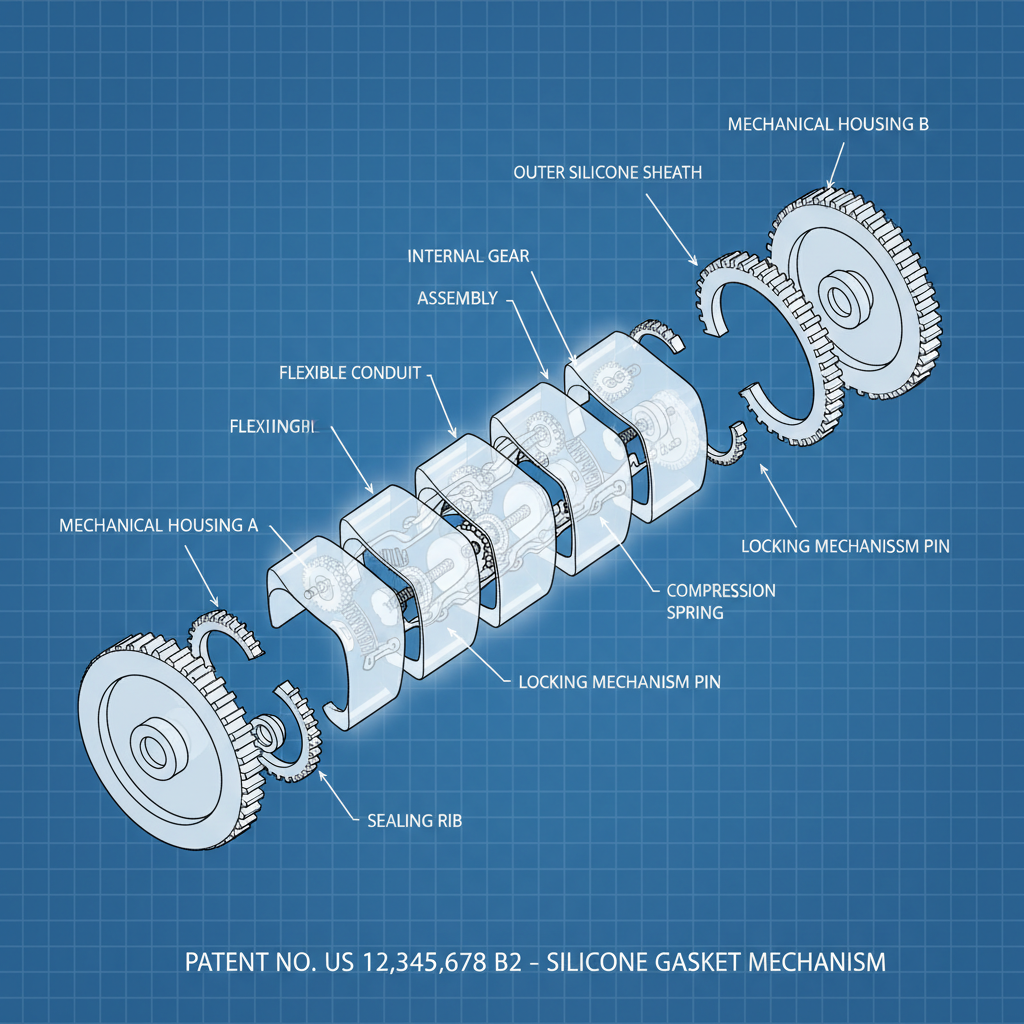
What are Silicone Gasket Strips?
Silicone gasket strips are formed from a highly versatile elastomer known for its exceptional resistance to temperature extremes, chemicals, and weathering. They are typically manufactured through extrusion or molding processes, resulting in continuous strips or custom-shaped gaskets. The inherent flexibility of silicone allows these strips to conform to irregular surfaces, creating a tight and effective seal. Unlike some other gasket materials, silicone remains pliable over a broad temperature range, maintaining its sealing properties even under harsh conditions. QZ Seals specializes in producing high-quality silicone gasket strips tailored to meet specific customer requirements.
Key Highlights: Exceptional resistance to temperature, chemicals, and weathering. Flexibility allows for conformity to irregular surfaces. Maintains sealing properties over a broad temperature range.
Applications of Silicone Gasket Strips
The versatility of silicone gasket strips lends itself to numerous applications across various industries. In the automotive sector, they seal engine components, preventing oil and coolant leaks. In the food and beverage industry, they ensure hygienic seals in processing equipment and packaging. Medical devices utilize silicone gaskets for airtight and biocompatible seals. Further applications include sealing HVAC systems, electronics enclosures, and industrial machinery. The non-toxic nature of silicone makes it an ideal choice for applications where contact with potable water or food is a concern.
Key Application Areas:
• Automotive Industry: Engine seals, coolant system seals
• Food & Beverage: Processing equipment, packaging
• Medical Devices: Airtight and biocompatible seals
• HVAC Systems: Air duct sealing
Silicone Gasket Strip Materials and Properties
While all silicone gasket strips share core properties, variations in formulation can enhance specific characteristics. Different grades of silicone offer varying levels of heat resistance, chemical compatibility, and durometer (hardness). For high-temperature applications, VMQ silicone is commonly used, while PVMQ silicone provides improved resistance to solvents and oils. Adding fillers, such as fiberglass or carbon fiber, can increase tensile strength and dimensional stability. Choosing the correct silicone compound is crucial for ensuring long-term performance and reliability in the intended application. QZ Seals offers a wide range of silicone materials to suit diverse needs.
Benefits of Using Silicone Gasket Strips
Compared to other gasket materials, silicone offers a distinct set of advantages. Its excellent temperature resistance prevents hardening or cracking under extreme conditions. Superior chemical resistance ensures compatibility with a wide range of fluids and substances. Silicone is also inherently non-toxic and odorless, making it suitable for sensitive applications. Furthermore, its long-term durability reduces the frequency of replacements, lowering maintenance costs. These advantages contribute to increased equipment uptime and improved overall performance. Choosing the right silicone gasket strip can result in significant long-term cost savings.
Selecting the Right Silicone Gasket Strip: Considerations
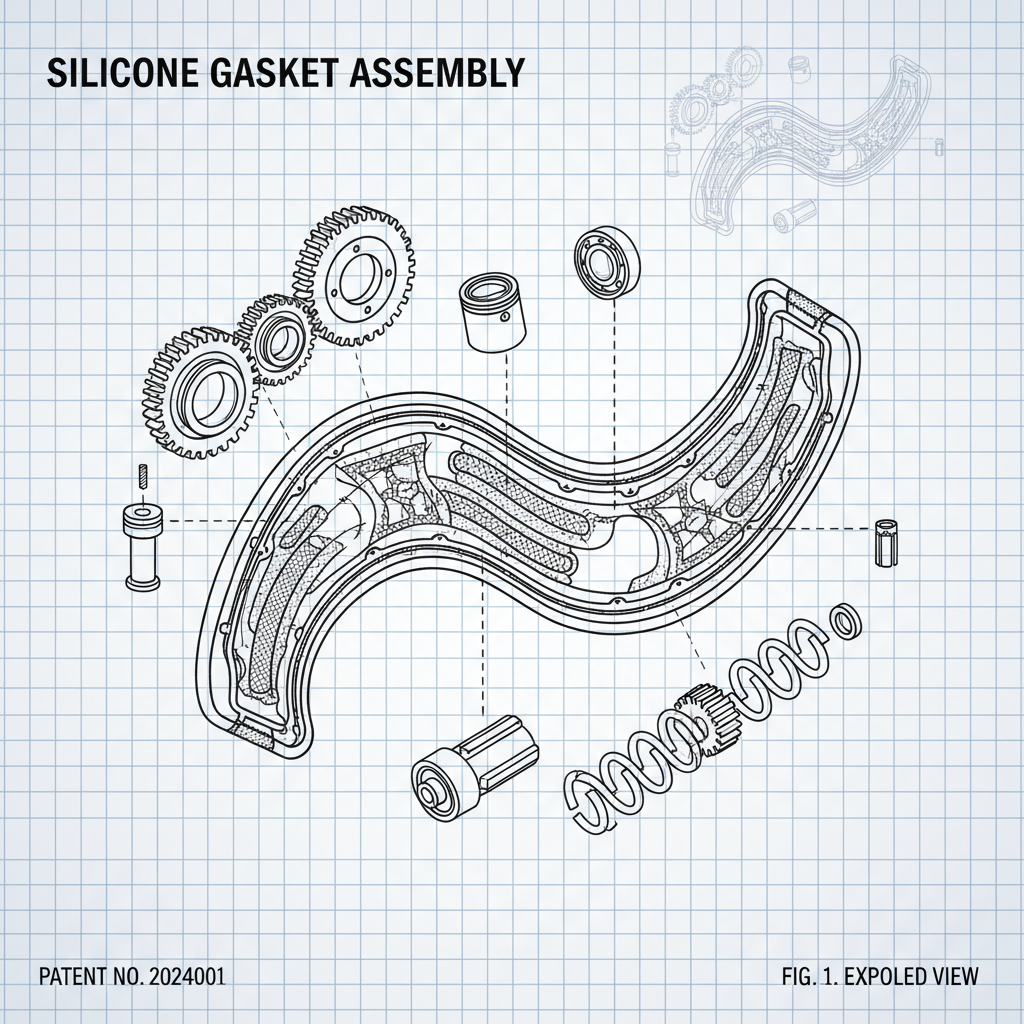
When selecting a silicone gasket strip, consider the operating temperature, chemical exposure, pressure requirements, and desired durometer. Accurately measure the sealing surface to determine the correct strip width and thickness. Consider the need for adhesive backing for easy installation. Working with a reputable supplier, like QZ Seals, can provide valuable assistance in material selection and custom design. Providing detailed application information will ensure you receive a gasket strip optimized for your specific needs.
Conclusion: Choosing Reliability with Silicone Gasket Strips
Silicone gasket strips offer a superior sealing solution for a vast range of applications. Their exceptional properties, including temperature resistance, chemical compatibility, and durability, make them a reliable choice for industries demanding high performance and long-term cost-effectiveness. Partnering with a trusted supplier like QZ Seals ensures you receive a quality product tailored to your specific requirements. Invest in the right gasket strip – invest in reliability.
Frequently Asked Questions (FAQs)
What is the typical lifespan of a silicone gasket strip?
The lifespan of a silicone gasket strip varies depending on the application and environmental conditions. Generally, silicone gaskets can last for several years, even under demanding circumstances. However, factors like constant exposure to high temperatures, harsh chemicals, or UV radiation can shorten their lifespan. Regular inspection for signs of degradation, such as cracking, swelling, or loss of elasticity, is crucial. Replacement is recommended if any damage is detected, or after 5-7 years even if no visible issues are present.
Can silicone gasket strips be used in food contact applications?
Yes, silicone is generally considered safe for food contact applications, provided it meets the requirements of relevant regulations such as FDA (Food and Drug Administration) standards. Food-grade silicone gasket strips are specifically formulated to be non-toxic, odorless, and tasteless, preventing contamination of food products. Always verify that the silicone material used is certified for food contact before using it in such applications.
How do I determine the correct durometer for my application?
Durometer, measured on the Shore A scale, indicates the hardness of the silicone gasket strip. Lower durometer values (e.g., 30A) are softer and more flexible, offering better sealing against uneven surfaces. Higher durometer values (e.g., 70A) are harder and more resistant to deformation, suitable for applications with high pressures or abrasion. For static seals, a lower durometer is often preferred, while dynamic seals may require a higher durometer for improved wear resistance. Consulting with a gasket specialist at QZ Seals can help you select the optimal durometer for your needs.
-
Understanding e3 edge banding tape price and Value FactorsNewsApr.16,2026
-
Premium Birch Edge Tape Guide for Professional Furniture FinishingNewsApr.09,2026
-
Comprehensive Guide to 2mm Edge Banding Tape for Furniture and CabinetryNewsApr.07,2026
-
Comprehensive Guide to Choosing the Right 18mm Edge Banding for Your ProjectsNewsApr.04,2026
-
Comprehensive Guide to Pre Glued Melamine Edging Applications and InstallationNewsMar.31,2026
-
Comprehensive Guide to Self Adhesive Edge Banding Tape Applications and SelectionNewsMar.28,2026
-
Comprehensive Guide to Wood Veneer Edging Strips for Furniture and Woodworking ProjectsNewsMar.26,2026