Comprehensive Guide to Silicone Seal Strip for Doors and Their Benefits
Silicone Seal Strip for Doors: A Comprehensive Guide
Protecting your home or business from the elements and noise pollution is essential for comfort and energy efficiency. A key component in achieving this is the often-overlooked silicone seal strip for doors. These strips create a barrier against drafts, water, dust, and sound, contributing to a more pleasant and cost-effective environment. In this guide, we'll explore the benefits, types, installation, and maintenance of silicone door seal strips, helping you make the right choice for your needs. Properly installed seal strips can significantly reduce energy costs and improve indoor air quality.
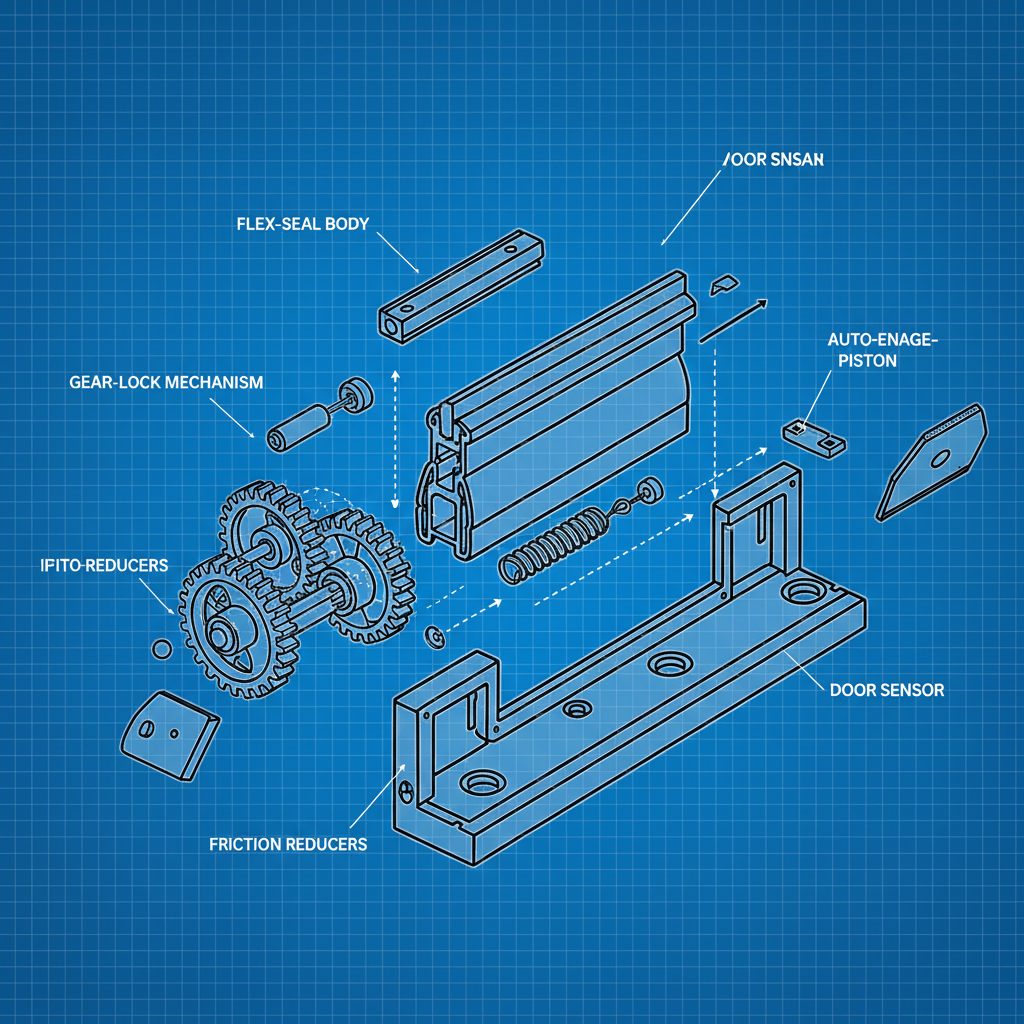
Understanding the Benefits of Silicone Door Seal Strips
Silicone seal strips offer a multitude of advantages over traditional materials like rubber or foam. Their superior flexibility allows them to conform to irregular door frames, ensuring a tight seal. Silicone is highly durable and resistant to weathering, UV exposure, and temperature fluctuations, making them ideal for both indoor and outdoor applications. Furthermore, silicone is non-toxic and odorless, contributing to a healthier indoor environment. These strips also help reduce noise transmission, creating a quieter and more peaceful space. Consider the long-term savings on energy bills when evaluating the cost of installation. You can explore various silicone seal strip options at QZ Seals.
Key Highlights: Superior flexibility, durability, resistance to weathering, non-toxic, and noise reduction properties.
Types of Silicone Seal Strips for Doors
Several types of silicone seal strips cater to different door types and sealing requirements. Common options include:
- E-Shape Seal Strips: Versatile and commonly used for exterior doors, offering excellent sealing against wind and rain.
- D-Shape Seal Strips: Suitable for a variety of door applications, providing a good all-around seal.
- Hollow Seal Strips: Offer enhanced flexibility and cushioning, ideal for doors that require a softer seal.
- Fin Seal Strips: Designed for tight-fitting doors, providing a clean and minimalist appearance.
Choosing the right type depends on the gap size between the door and frame, the desired level of sealing, and aesthetic preferences.
Seal Strip Type Guide:
• E-Shape: Excellent for exterior doors and harsh weather.
• D-Shape: Versatile, good all-around sealing performance.
• Hollow: Enhanced flexibility, ideal for cushioning.
• Fin: Tight-fitting doors, minimalist appearance.
Silicone Seal Strip for Doors: Comparison with Other Materials
While several materials can be used for door seals, silicone stands out in many key areas. Here’s a comparison to help you understand the advantages:
Installation and Maintenance of Silicone Door Seal Strips
Installing a silicone seal strip is typically a straightforward process. First, thoroughly clean the door frame to ensure proper adhesion. Then, measure the perimeter of the door and cut the seal strip to the appropriate length. Remove the adhesive backing and carefully apply the strip, pressing firmly along the entire length. For optimal results, avoid stretching the strip during application. To maintain the effectiveness of your seal strips, periodically clean them with a mild detergent and water. Avoid harsh chemicals or abrasive cleaners. Inspect the strips regularly for signs of damage or wear and replace them as needed. QZ Seals offers installation guides and support to assist you.
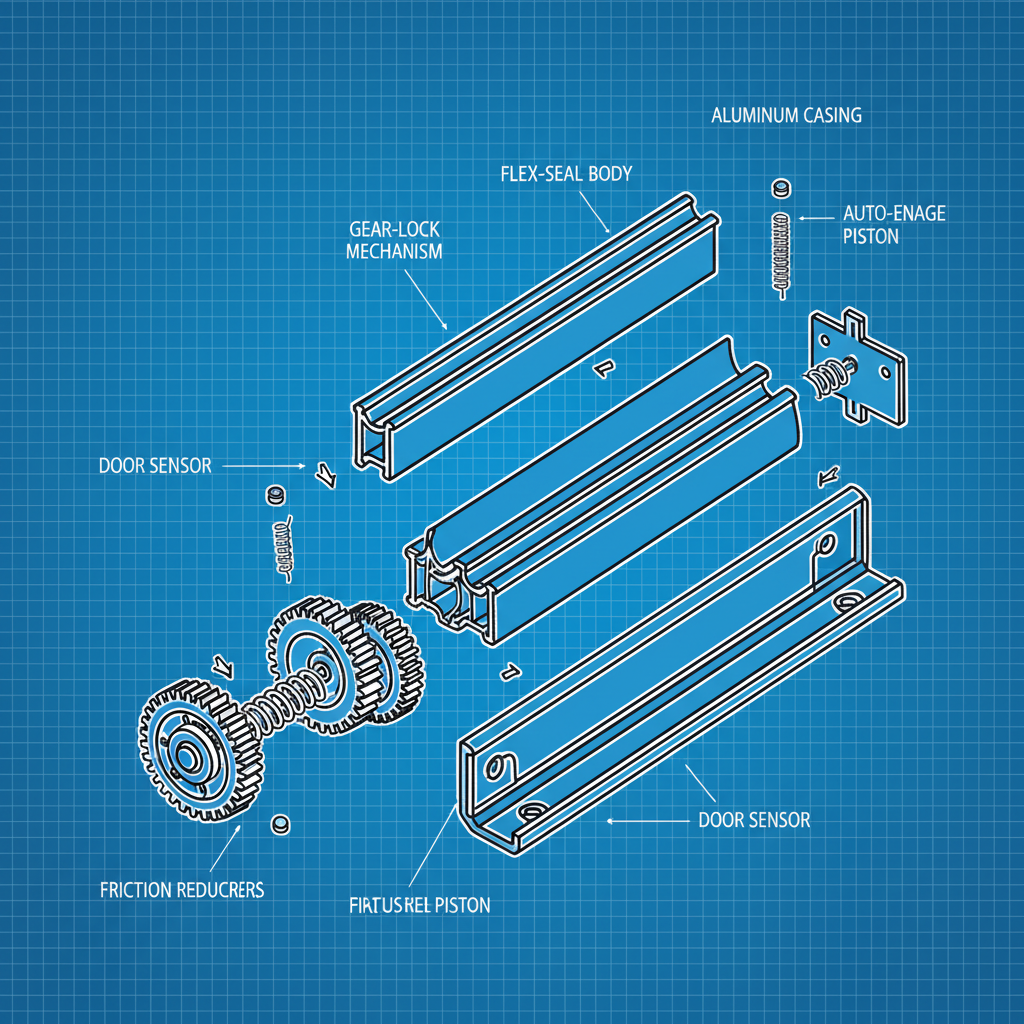
Choosing the Right Silicone Seal Strip: Factors to Consider
Selecting the appropriate silicone seal strip involves considering several factors. The size of the gap between the door and frame is crucial – larger gaps require thicker strips. The door's material (wood, metal, fiberglass) and its exposure to the elements also influence the choice. For exterior doors, prioritize weather resistance and UV protection. Consider the color and finish to ensure it complements the door’s aesthetic. Finally, think about the ease of installation and maintenance. The team at QZ Seals can help you navigate these choices and find the perfect solution for your needs.
Conclusion: Enhancing Comfort and Efficiency with Silicone Door Seals
Investing in high-quality silicone seal strip for doors is a cost-effective way to improve your home or business's comfort, energy efficiency, and overall appeal. By understanding the benefits, types, and installation process, you can make an informed decision and enjoy a tighter, more secure, and more comfortable environment. Don’t let drafts and noise compromise your comfort—choose QZ Seals for reliable and durable solutions.
Frequently Asked Questions (FAQs)
How long do silicone door seal strips typically last?
The lifespan of silicone door seal strips varies depending on factors such as exposure to sunlight, weather conditions, and frequency of use. However, high-quality silicone strips can generally last between 5 to 10 years. Regularly cleaning and maintaining the strips can help extend their lifespan. Look for UV-resistant silicone formulations for increased durability in sunny climates. If you notice cracking, tearing, or loss of elasticity, it’s time to replace the strips to maintain an effective seal.
Can silicone seal strips be used on all types of doors?
Yes, silicone seal strips are versatile and can be used on a wide variety of door types, including wood, metal, fiberglass, and composite doors. However, it’s essential to choose the appropriate type of strip for the specific door and gap size. Ensure the surface is clean and dry before applying the adhesive strip for optimal adhesion. For doors with irregular surfaces, consider using a more flexible strip type.
Are silicone seal strips waterproof?
Silicone seal strips are highly water-resistant, but not entirely waterproof. They provide an excellent barrier against rain and moisture, preventing water from entering through gaps around the door. However, prolonged exposure to standing water or high water pressure may eventually compromise the seal. For maximum waterproof protection, ensure the strips are properly installed and maintained, and consider using additional waterproofing measures if necessary.
-
Understanding e3 edge banding tape price and Value FactorsNewsApr.16,2026
-
Premium Birch Edge Tape Guide for Professional Furniture FinishingNewsApr.09,2026
-
Comprehensive Guide to 2mm Edge Banding Tape for Furniture and CabinetryNewsApr.07,2026
-
Comprehensive Guide to Choosing the Right 18mm Edge Banding for Your ProjectsNewsApr.04,2026
-
Comprehensive Guide to Pre Glued Melamine Edging Applications and InstallationNewsMar.31,2026
-
Comprehensive Guide to Self Adhesive Edge Banding Tape Applications and SelectionNewsMar.28,2026
-
Comprehensive Guide to Wood Veneer Edging Strips for Furniture and Woodworking ProjectsNewsMar.26,2026