Corner Protector: Baby-Safe, Transparent, Easy Install
Baby proofing edge guards that actually hold up in real homes
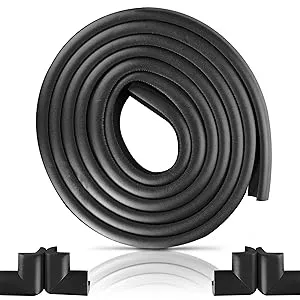
If you’ve ever watched a toddler zero in on a coffee table corner like it’s a magnet, you understand the appeal of a good Corner Protector. I’ve tested and handled plenty over the years—some peel by day three; others turn into dust in sunlight. This one, the Baby Proofing Edge Corner Protector 2m soft rubber (model HYCG-001) from Hangyun, is made in Wangshigong Industrial Zone, Wei County, Xingtai, Hebei, and it’s surprisingly well engineered for its price bracket.
What’s inside and why it matters
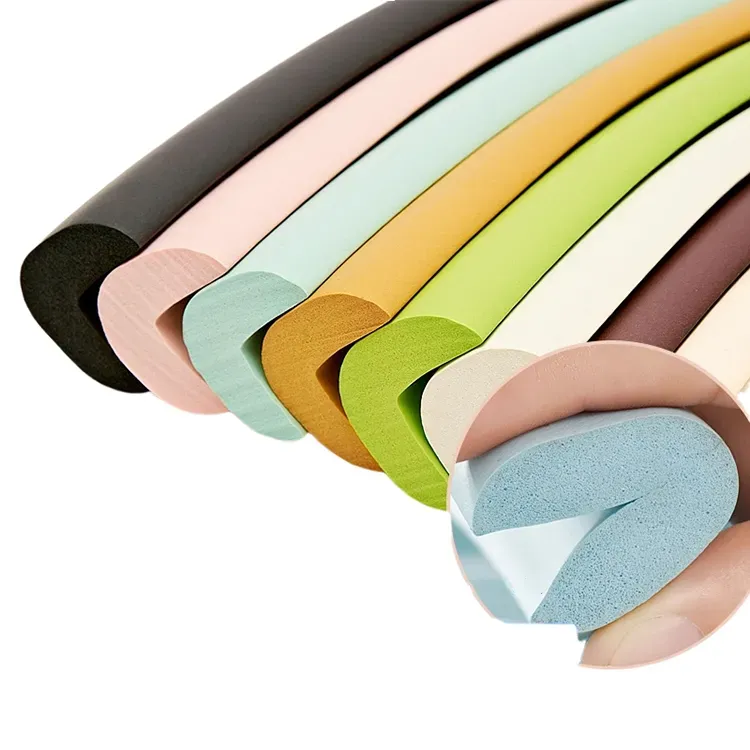
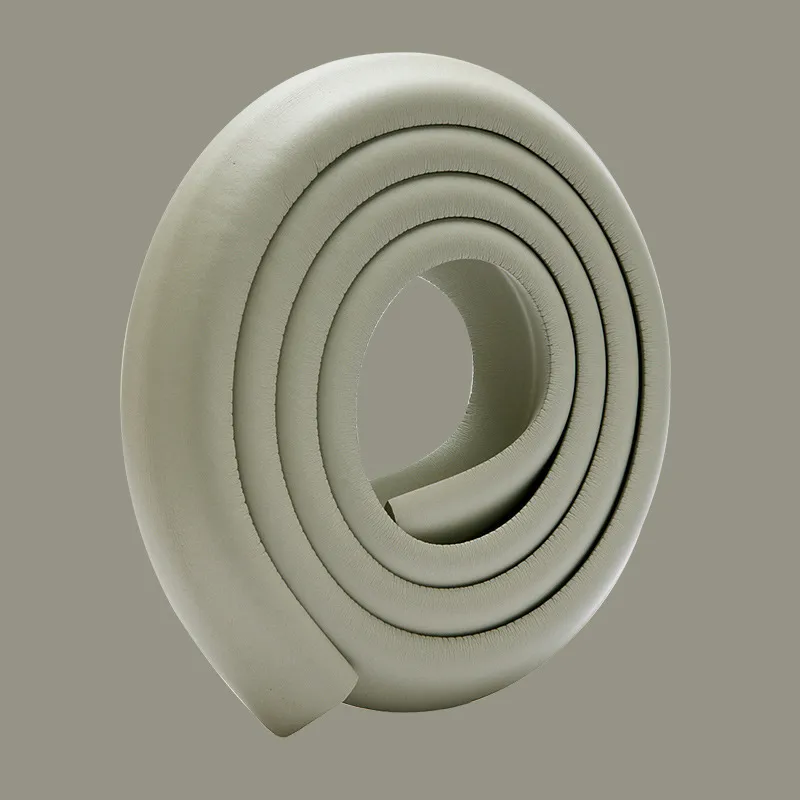
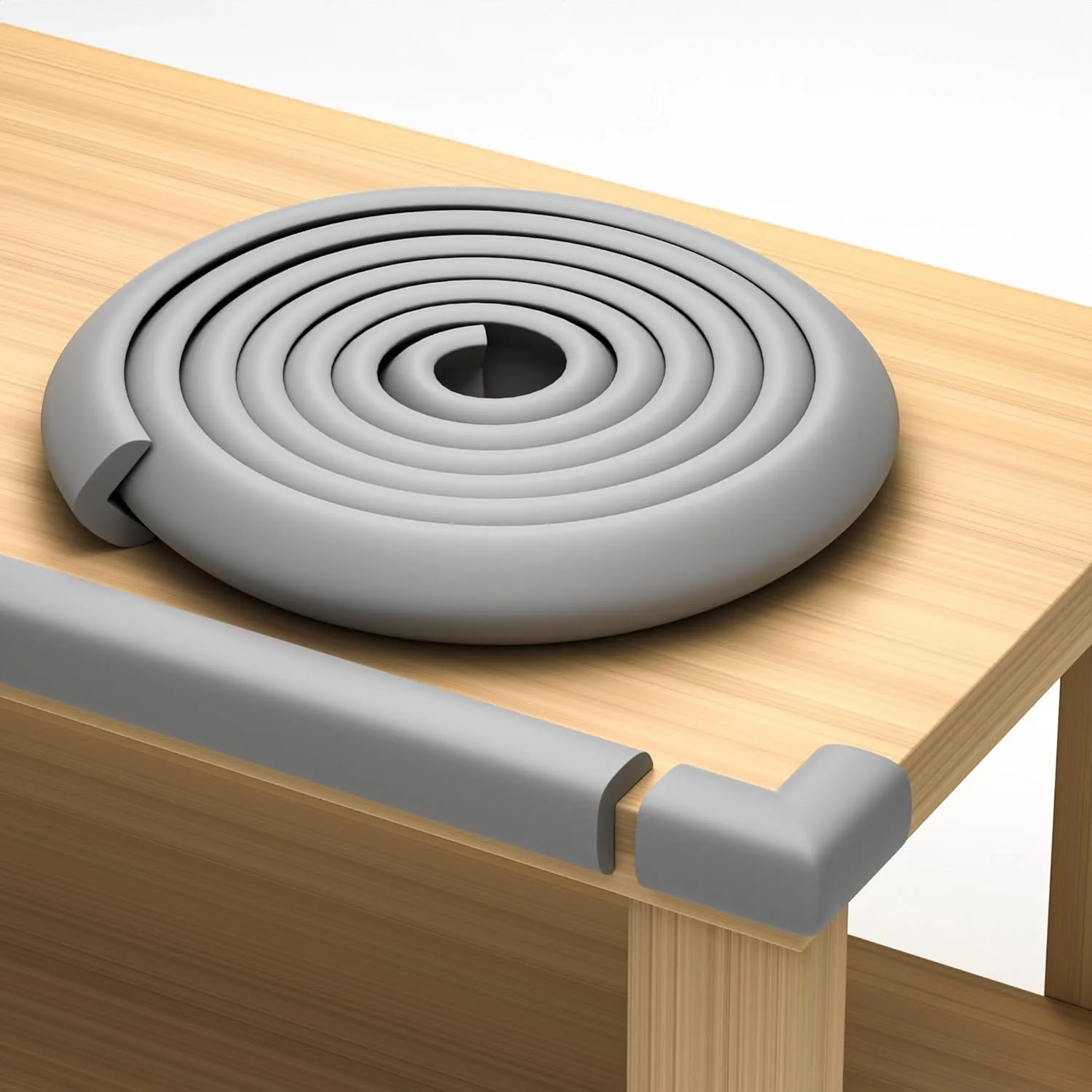
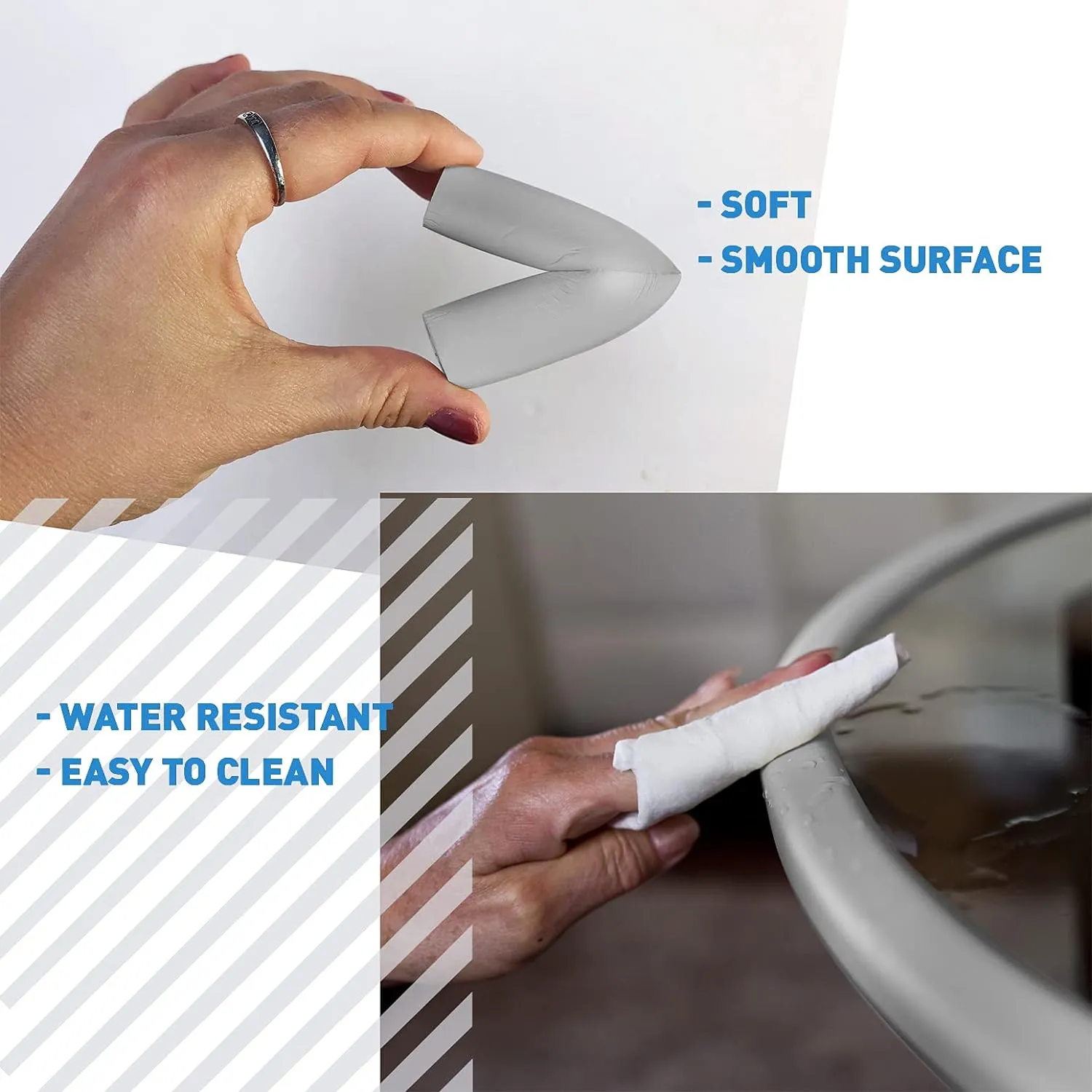
Material is closed‑cell NBR foam—lightweight yet durable—with U/W/L profiles to wrap different edges. The brand ships a 2 m roll by default, but you can customize width, thickness, and color (black, green, brown, pink, and more). Honestly, the adhesive layer is the make-or-break part; here it’s a pre-applied acrylic foam tape that sticks well on sealed wood, glass, and metal once surfaces are cleaned with isopropyl alcohol.
| Spec | Details (≈ real-world values) |
|---|---|
| Material | NBR closed‑cell foam, kid/baby proofing grade |
| Profiles | U / W / L shapes for edges and corners |
| Length | 2 m per roll (custom available) |
| Width & thickness | Custom; typical width 30–45 mm; thickness 8–12 mm |
| Density | ≈ 80–120 kg/m³ |
| Hardness | Shore OO ≈ 45–65 (ASTM D2240 method variant; foam readings vary) |
| Adhesive | Pre-applied acrylic foam tape |
| Operating temp | -10 °C to 70 °C (indoor) |
| Compliance | EN 71-3, REACH SVHC, CPSIA (third-party tests; ask for latest reports) |
Process, testing, and service life
Production is fairly textbook but well executed: NBR compounding → extrusion and foaming → curing → profile shaping (U/W/L) → die cutting → tape lamination → QC → packaging. Testing typically includes compression set (ASTM D395/ISO 1856), tensile/elongation (ASTM D412), and migration/heavy metals per EN 71‑3. Drop-impact checks show peak acceleration reduction by ≈35–50% versus bare MDF edge (internal lab, 1 m drop, 2 kg mass; your mileage will vary). Indoor service life is usually 3–5 years; UV and oil cleaners shorten it. To be honest, soap-and-water cleanup and regular tape checks go a long way.
Where it’s used (beyond nurseries)
- Homes and rentals: coffee tables, TV benches, fireplace surrounds.
- Daycare and kindergartens: desk clusters, play stations, bookshelf edges.
- Hospitals and clinics: pediatric areas, portable carts, imaging room fixtures.
- Hospitality: compact rooms where luggage meets sharp furniture.
Many customers say the Corner Protector is “for kids,” but honestly, eldercare and pets benefit too. It’s practical, a bit humble even, but it prevents bruises. That’s the job.
Vendor landscape: who does what
| Vendor | Material/Adhesive | Certs (typ.) | Customization | Lead time | Price/2 m kit ≈ |
|---|---|---|---|---|---|
| Hangyun HYCG-001 | NBR foam + acrylic foam tape | EN 71-3, REACH, CPSIA (reports on request) | Color/size/profile, private label | 7–15 days | $4.5–$9 |
| Marketplace Brand A | EVA foam + generic double-sided tape | Basic RoHS; variable | Limited colors | 3–5 days (stock) | $3–$6 |
| Premium Brand B | TPU blend + high-tack acrylic | EN 71-3, CPSIA, ISO 9001 plant | Broad; embossing | 10–20 days | $9–$18 |
If adhesion is your pain point, look for acrylic foam tapes and a slightly softer Corner Protector (better energy absorption). For schools/hospitality, ask vendors for current EN 71-3 and REACH SVHC declarations—don’t just take a PDF at face value; check report dates.
Real-world installs and feedback
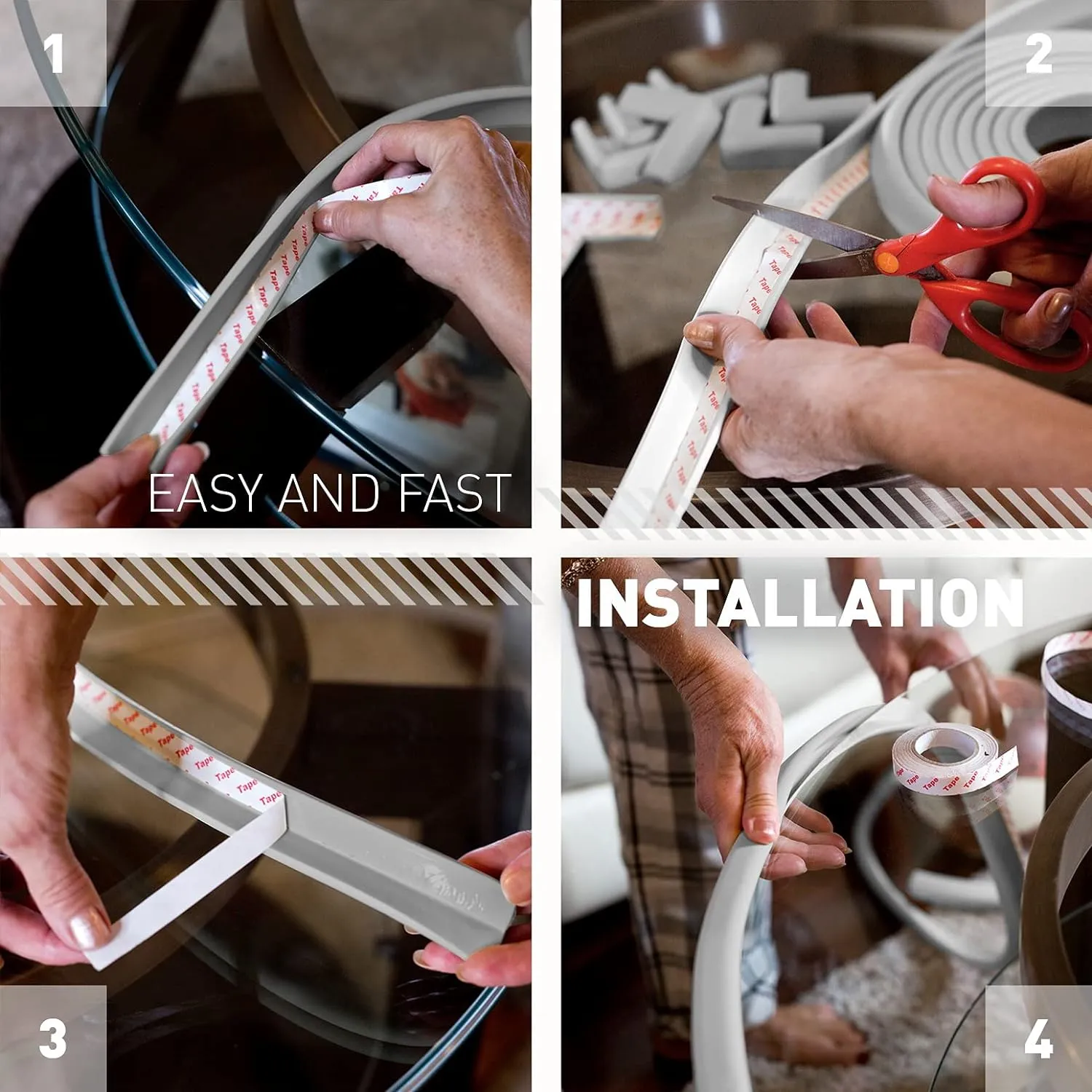
Case 1 (daycare chain): 40+ tables protected; installation time ≈ 12 min per table; adhesive retention at 6 months rated “good,” with two replacements after deep cleaning with solvent (don’t do that). Case 2 (boutique hotel): used brown L-profile Corner Protector to blend with walnut veneer; front desk noted fewer guest incident reports—anecdotal but telling.
Customers like the soft touch and the color options; a few mention the usual rookie mistake: applying on dusty matte paint—clean first, then press for 30–60 seconds, and avoid heavy loads for 24 hours.
Customization and sourcing notes
- Profiles: U for table edges, L for shelves, W for chunky furniture.
- Colors: black/green/brown/pink or Pantone-matched (MOQs apply).
- Branding: discrete emboss or label on the liner; retail kits available.
- Origin: Hebei, China (Wangshigong Industrial Zone); factory lead times are reasonable, even on custom sizes.
Citations
- ASTM D2240 — Standard Test Method for Rubber Property—Durometer Hardness. https://www.astm.org/d2240
- EN 71-3:2019+A1 — Safety of toys: Migration of certain elements. https://standards.iteh.ai/catalog/standards/cen/b8f7e5e5-6a2a-4b6d-b2a2-8f1b7b2a6b5a/en-71-3-2019a1-2021
- REACH Regulation (EC) No 1907/2006 — SVHC guidance. https://echa.europa.eu/regulations/reach
- CPSIA — Lead and phthalates limits for children’s products. https://www.cpsc.gov/Regulations-Laws--Standards/Statutes/The-Consumer-Product-Safety-Improvement-Act
- ISO 1856 — Flexible cellular materials — Determination of compression set. https://www.iso.org/standard/76587.html
-
Understanding e3 edge banding tape price and Value FactorsNewsApr.16,2026
-
Premium Birch Edge Tape Guide for Professional Furniture FinishingNewsApr.09,2026
-
Comprehensive Guide to 2mm Edge Banding Tape for Furniture and CabinetryNewsApr.07,2026
-
Comprehensive Guide to Choosing the Right 18mm Edge Banding for Your ProjectsNewsApr.04,2026
-
Comprehensive Guide to Pre Glued Melamine Edging Applications and InstallationNewsMar.31,2026
-
Comprehensive Guide to Self Adhesive Edge Banding Tape Applications and SelectionNewsMar.28,2026
-
Comprehensive Guide to Wood Veneer Edging Strips for Furniture and Woodworking ProjectsNewsMar.26,2026