Door Bottom Draught Excluder: Warmer Home, Easy Install?
A practical take on the modern door bottom draught excluder
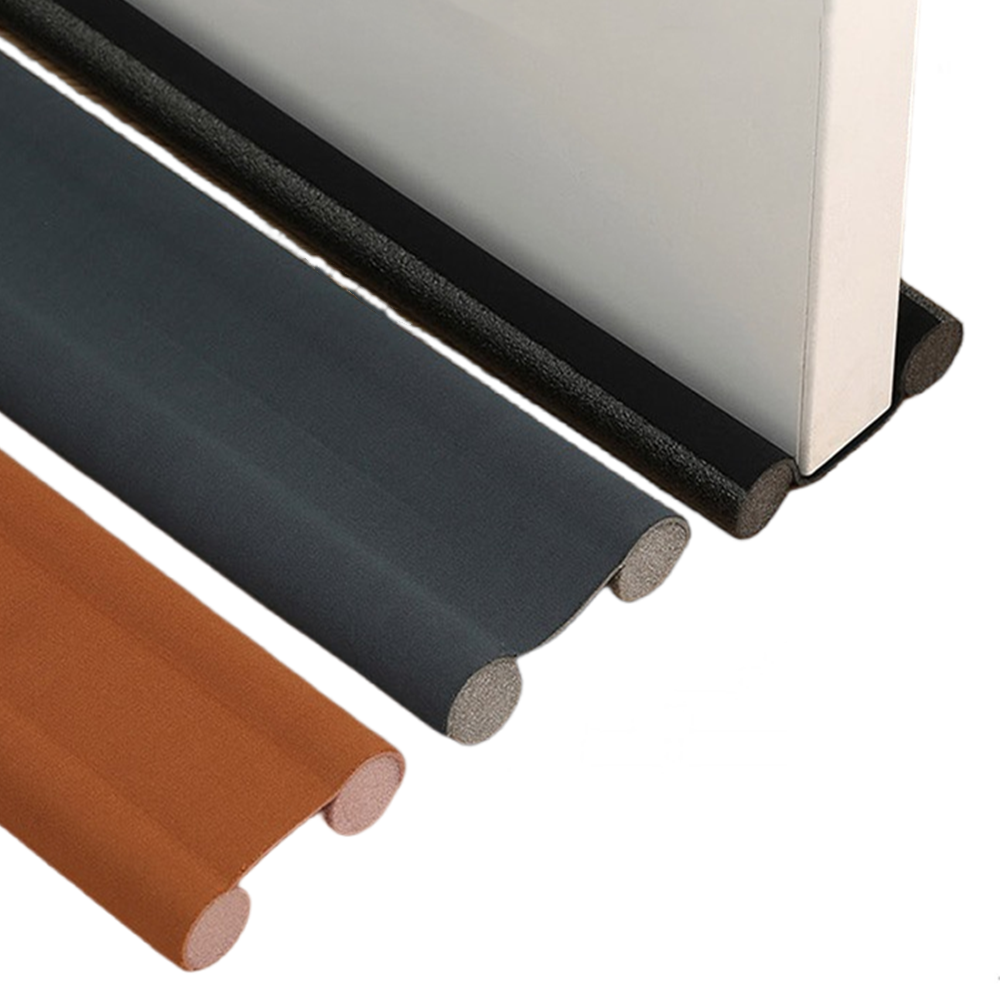
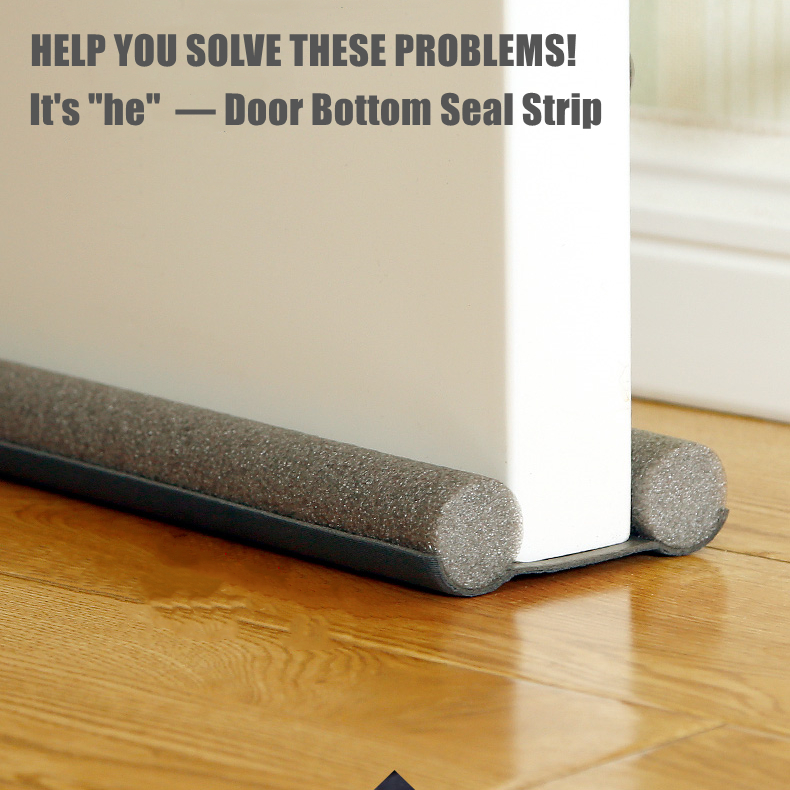
I’ve tested more door seals than I care to admit. Some peel off in a week; others quietly shave 10–15% off winter heating use. This one—Product name: Door bottom sealing strip guard sealer stopper door weatherstrip door seal guard wind dust—comes out of Wangshigong Industrial Zone, Wei County, Xingtai City, Hebei Province, and it’s built for hotels, apartments, living rooms, bedrooms… basically anywhere a gap invites cold air, dust, or city noise.
Industry snapshot and why it matters
The humble door bottom draught excluder has quietly gone premium. Hotels demand tighter air leakage (think ASTM/EN air-permeability numbers), residential retrofits chase energy credits, and everyone wants tool-free installs. Co-extruded TPE/EPDM fins with strong acrylic backing have become the sweet spot—durable, inexpensive, and, to be honest, dead simple for maintenance teams to standardize across buildings.
Materials, methods, and process (the insider bit)
- Compounds: EPDM or TPE elastomers; optional silicone for high-temp or low-VOC projects.
- Extrusion: Continuous profile with dual-density lips; co-extrusion improves contact seal at uneven floors.
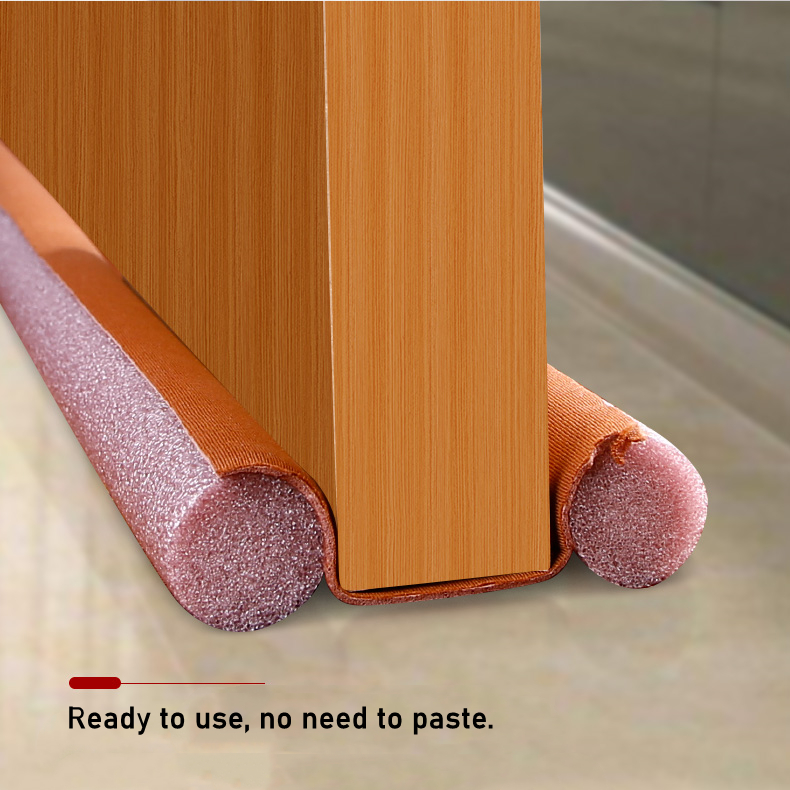
- Adhesive: Pressure-sensitive acrylic (3M-type), ≈24–48h full cure; peel-and-stick or screw-on track versions.
- Cure & QA: Hot-air vulcanization for EPDM; compression set per ASTM D395; aging per ASTM D573.
- Testing: Air leakage per ASTM E283/EN 1026; acoustic insertion loss spot-checked; 50,000 open/close cycles typical.
- Service life: around 5–10 years in real-world use (traffic, UV, cleaning chemicals will shift results).
Product specs at a glance
| Parameter | Typical Value (≈) |
|---|---|
| Material | EPDM/TPE; optional silicone |
| Profile Height | 15–25 mm (customizable) |
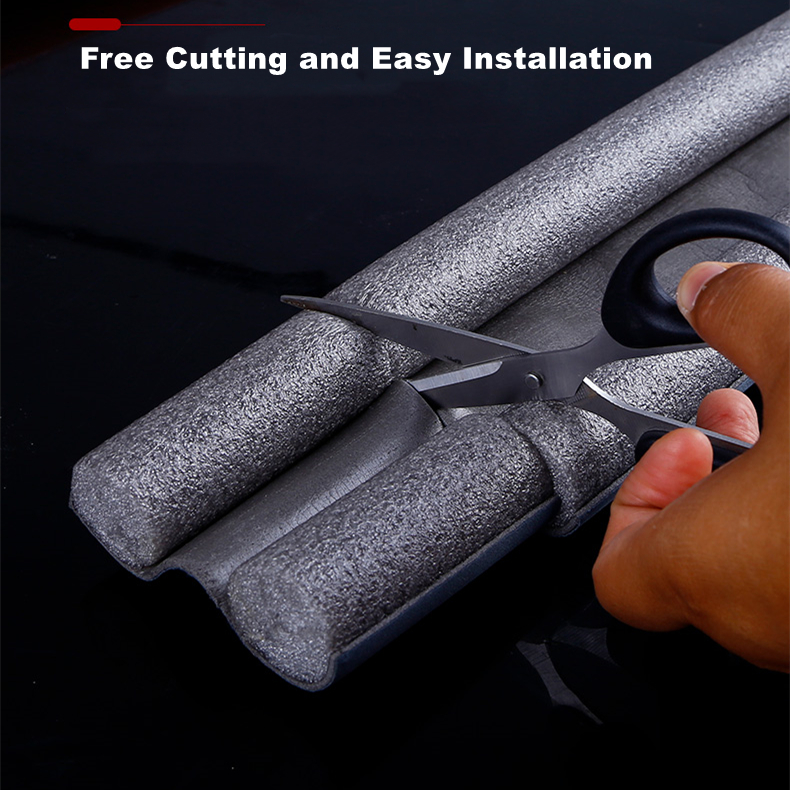
| Length | 820 / 900 / 1000 mm; custom cut-to-length |
| Adhesive | Acrylic PSA, high-tack; screw-on option |
| Temp Range | -30 to +80°C (EPDM/TPE) |
| Noise Reduction | Up to 3–5 dB improvement at speech band (setup-dependent) |
| Color | Black, gray, white; special colors on request |
| Certs (factory) | ISO 9001; RoHS/REACH material compliance typically available |
Note: real-world performance varies with door gap, floor flatness, install quality.
Applications and customization
Designed for modern interiors (Hotel, Apartment, Living Room, Bedroom), the door bottom draught excluder ships with project solution capability—graphic design, 3D model design, and total solution for rollouts. Customizations: profile height for uneven floors, adhesive grade for humid coastal installs, color matching, and even switchable brush-rubber hybrids if you’ve got textured thresholds.
Vendor comparison (field-notes style)
| Vendor | Material lineup | MOQ | Certs | Lead time | Customization |
|---|---|---|---|---|---|
| QZ Seals (Hebei) | EPDM/TPE; silicone optional | Medium | ISO 9001; RoHS/REACH on request | ≈10–20 days | High (profiles, lengths, colors) |
| Generic Marketplace | TPE mostly | Low | Varies | ≈3–7 days | Low |
| Local Hardware Brand | TPE/brush | None (retail) | Retail QA | Immediate | Minimal |
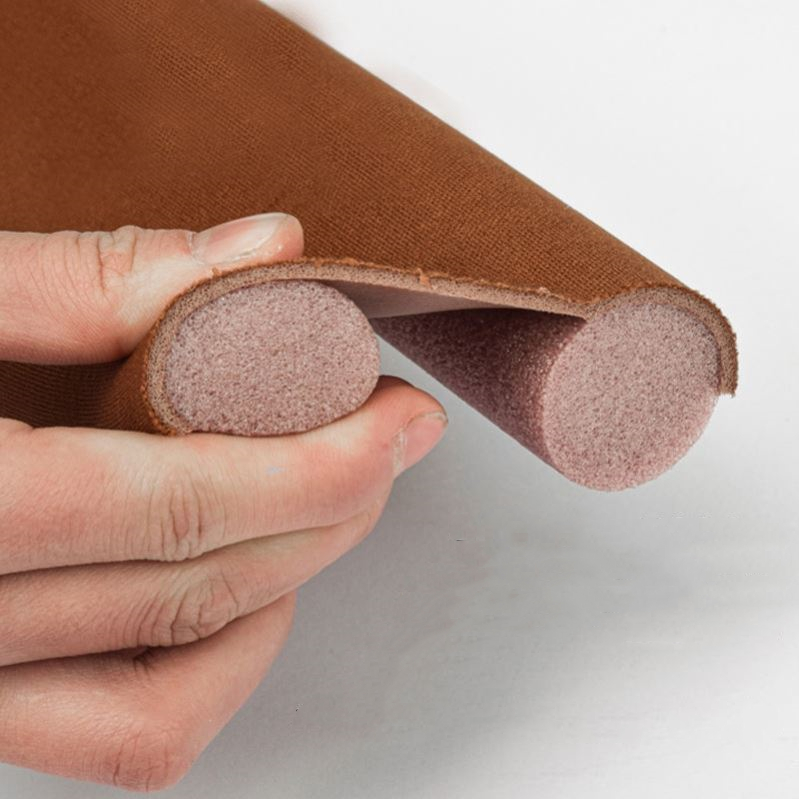
Real-world case snippets
Business hotel, 120 rooms: Facilities team retrofitted a door bottom draught excluder on corridor doors; reported ≈18% drop in guest noise complaints and measurable reduction in corridor pressurization losses (small but helpful). Install tip: degrease thresholds and wait a full day before heavy traffic.
Coastal apartment block: Salt-laden air and humidity tested adhesion. Switching to a marine-grade acrylic tape solved early peel; maintenance says the seal lips still rebound after a year—always a good sign.
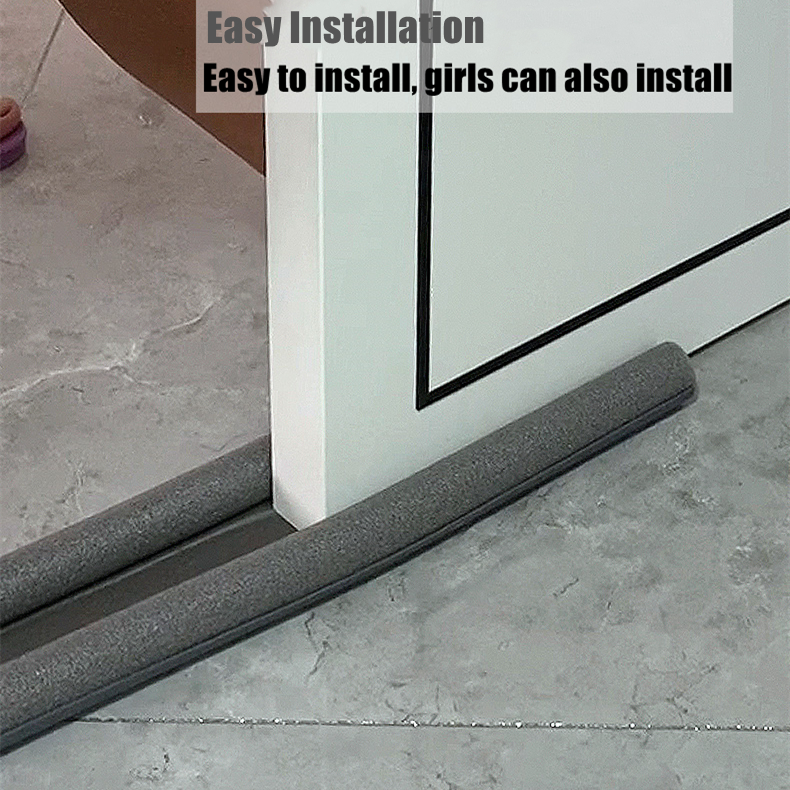
Install basics and checks
- Clean and dry the door bottom; mark the sweep line with the door closed.
- Apply from hinge side outward; roll firmly; avoid stretching.
- Allow 24–48h for adhesive cure before wet cleaning; recheck contact line for light gaps.
Many customers say the biggest surprise is the noise reduction. I guess that’s the side benefit of sealing the air path.
Standards and references
- ASTM E283 – Air Leakage of Exterior Windows and Doors.
- EN 1026 – Air permeability of windows and doors.
- ISO 9001 – Quality management systems.
- ASHRAE 90.1 – Energy Standard for Buildings Except Low-Rise Residential.
- UL 94 – Tests for Flammability of Plastic Materials.
- RoHS Directive 2011/65/EU – Restriction of Hazardous Substances.
-
Understanding e3 edge banding tape price and Value FactorsNewsApr.16,2026
-
Premium Birch Edge Tape Guide for Professional Furniture FinishingNewsApr.09,2026
-
Comprehensive Guide to 2mm Edge Banding Tape for Furniture and CabinetryNewsApr.07,2026
-
Comprehensive Guide to Choosing the Right 18mm Edge Banding for Your ProjectsNewsApr.04,2026
-
Comprehensive Guide to Pre Glued Melamine Edging Applications and InstallationNewsMar.31,2026
-
Comprehensive Guide to Self Adhesive Edge Banding Tape Applications and SelectionNewsMar.28,2026
-
Comprehensive Guide to Wood Veneer Edging Strips for Furniture and Woodworking ProjectsNewsMar.26,2026