Edge Banded Solutions: Durable, Seamless, Custom Fit
Real-World Guide to Edge Banding Tape for Furniture Makers
If you build cabinets or spec commercial fit-outs, you already know the magic of edge banded panels: no raw chipboard showing, smoother drawers, cleaner lines, fewer callbacks. I spend a lot of time in factories and—honestly—nothing telegraphs quality like a tight, consistent glue line.
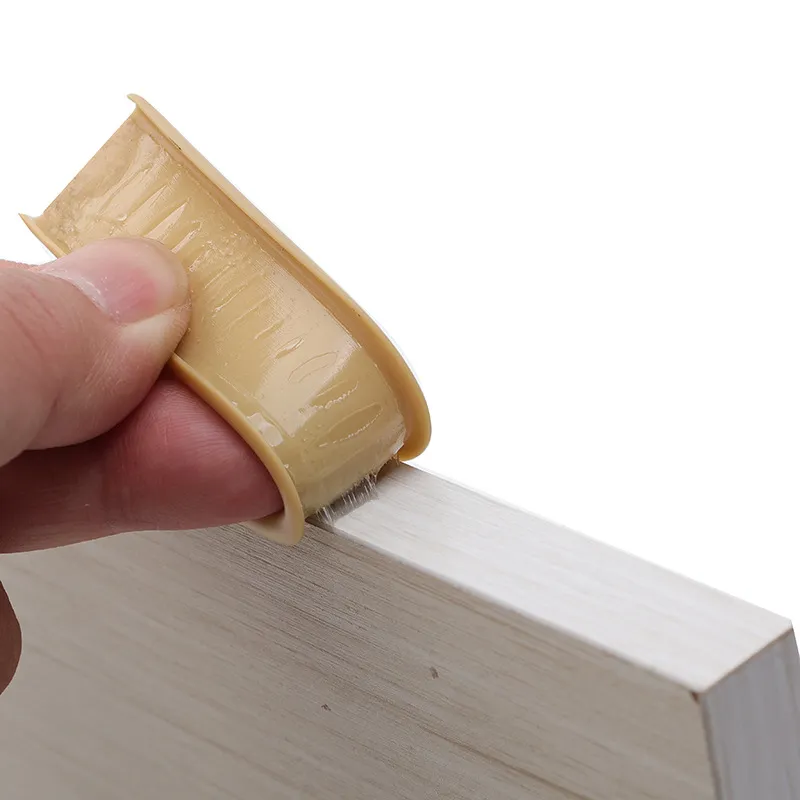
What’s trending in edge banded parts
- Zero-glue-line finishes (laser/infrared) that hide seams in glossy kitchens.
- Shift from EVA to PUR hot melts for heat/moisture resistance in busy family homes.
- PVC and TPE staying dominant; silicone options for high-flex or specialty sealing.
- Faster color-matching to RAL/NCS and textured woodgrains that actually fool your thumb.
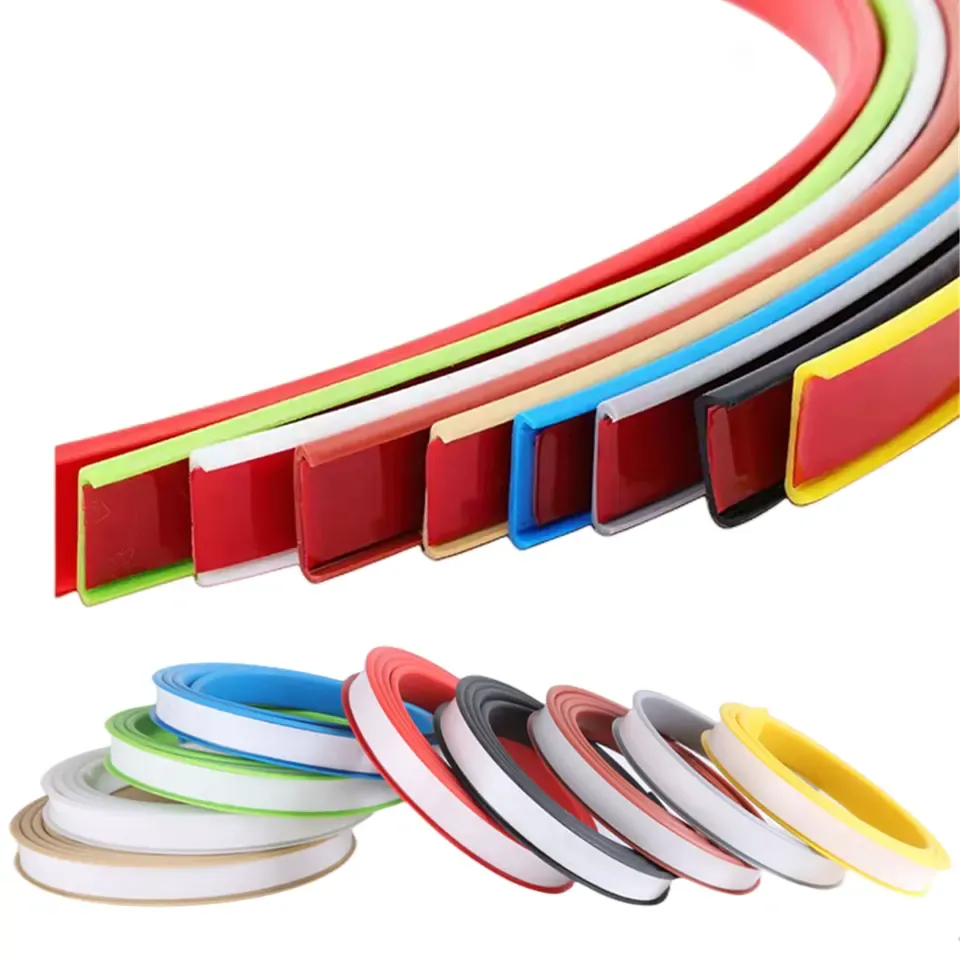
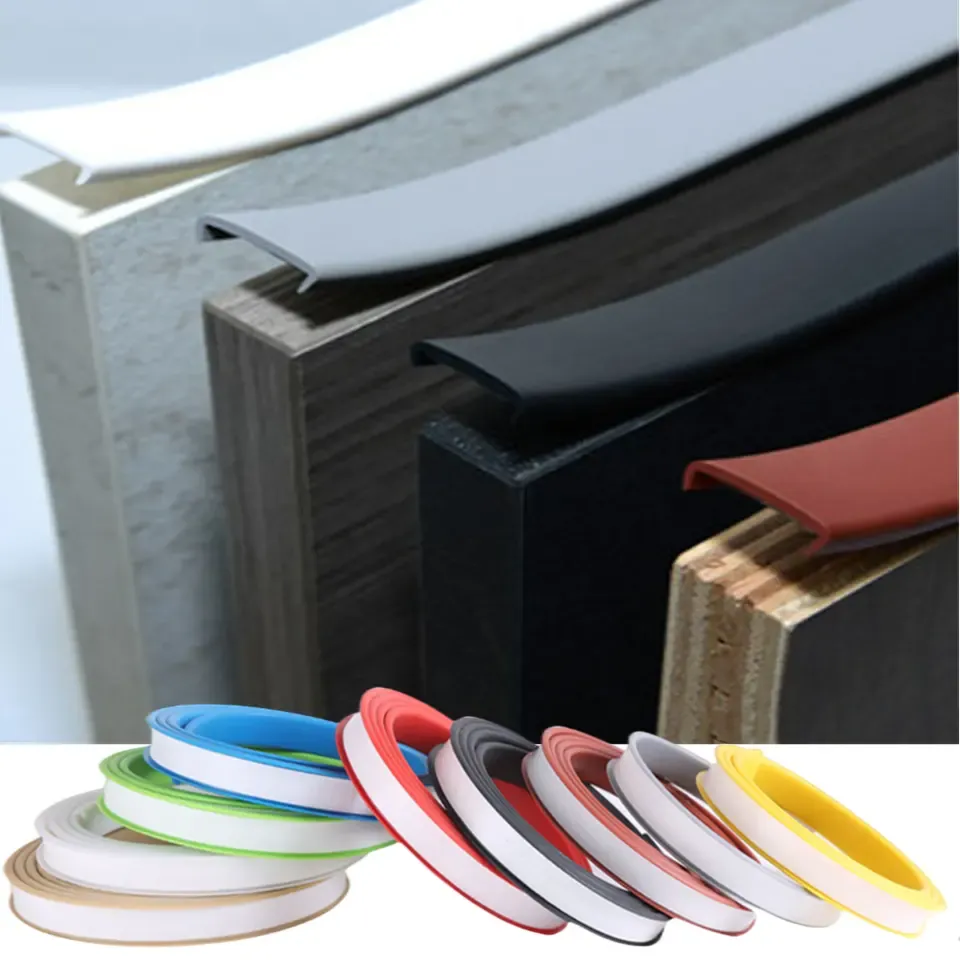
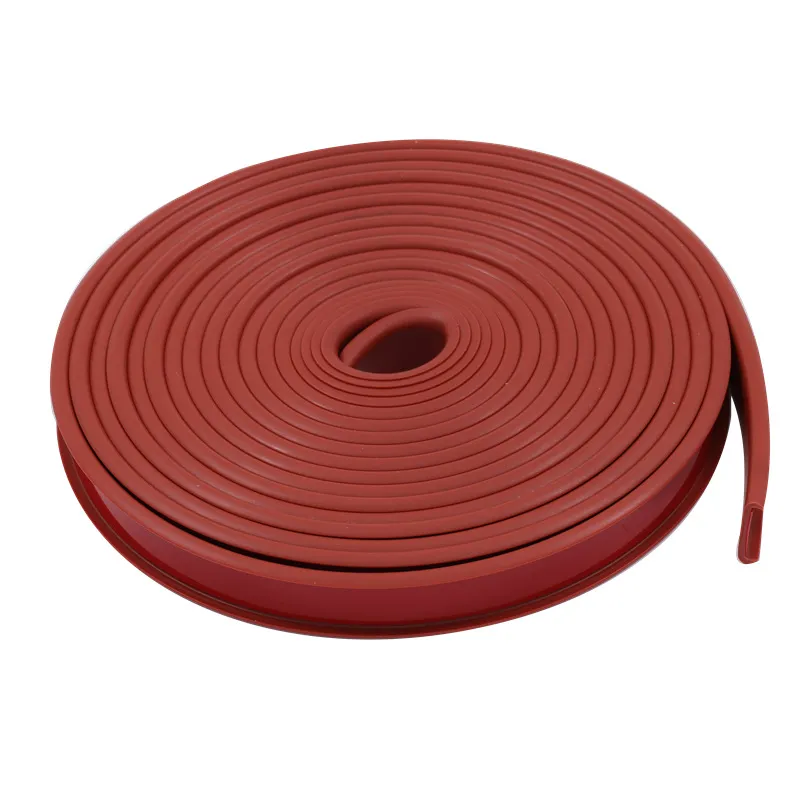
Product snapshot: Edge Banding Tape Furniture Wood Board Cabinet Tab
Origin: Wangshigong Industrial Zone, Wei County, Xingtai City, Hebei Province. Material options: PVC, TPE, Silicone. Mail packing: N (bulk/industrial packing).
| Spec | Typical Range (≈; real-world use may vary) |
|---|---|
| Width | 12–60 mm (custom up to 100 mm) |
| Thickness | 0.4–2.0 mm |
| Finish | Matte, super-matte, gloss, embossed woodgrain |
| Adhesive | EVA or PUR; primered back for strong bond |
| Heat resistance | Up to ≈110–150°C (PUR systems) |
| Service life | 5–10 years interior, care-dependent |
| Certs/Compliance | RoHS, REACH; low-VOC options |
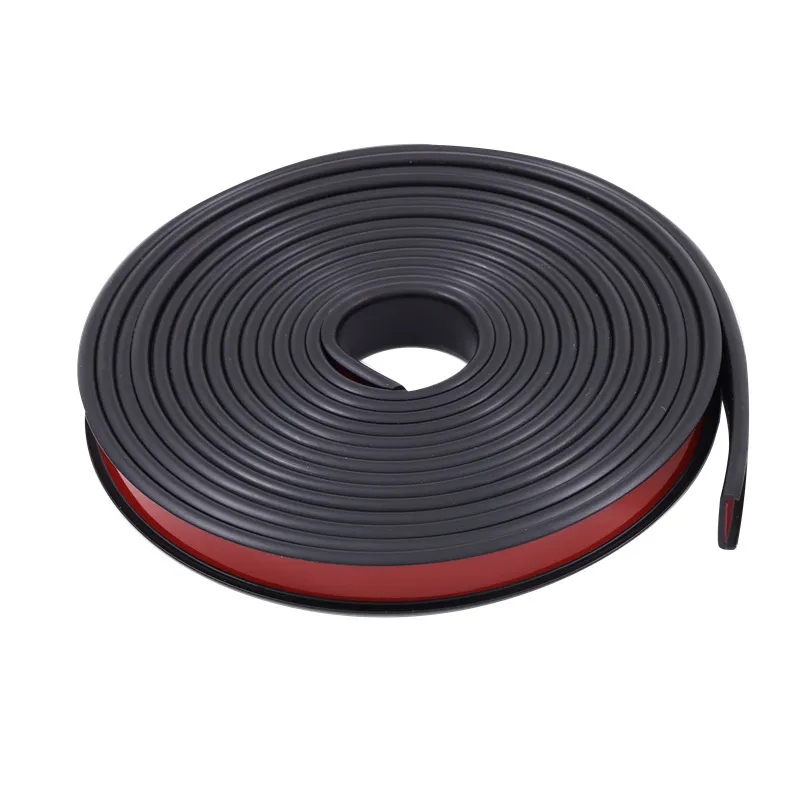
How it’s made and tested (short version)
Materials are compounded (PVC/TPE/Silicone), extruded or calendered into tape, printed or co-extruded with décor, then primered for adhesive compatibility. For zero-line looks, laser-activatable layers are used. Quality checks usually include Shore hardness (ISO 868), tensile/elongation (ASTM D638), heat-aging (ISO 4892-2), adhesion/cross-hatch (ASTM D3359), and abrasion where applicable (EN 438 methods). Formaldehyde emissions tie back to the board, so most shops target E1 or TSCA Title VI boards.
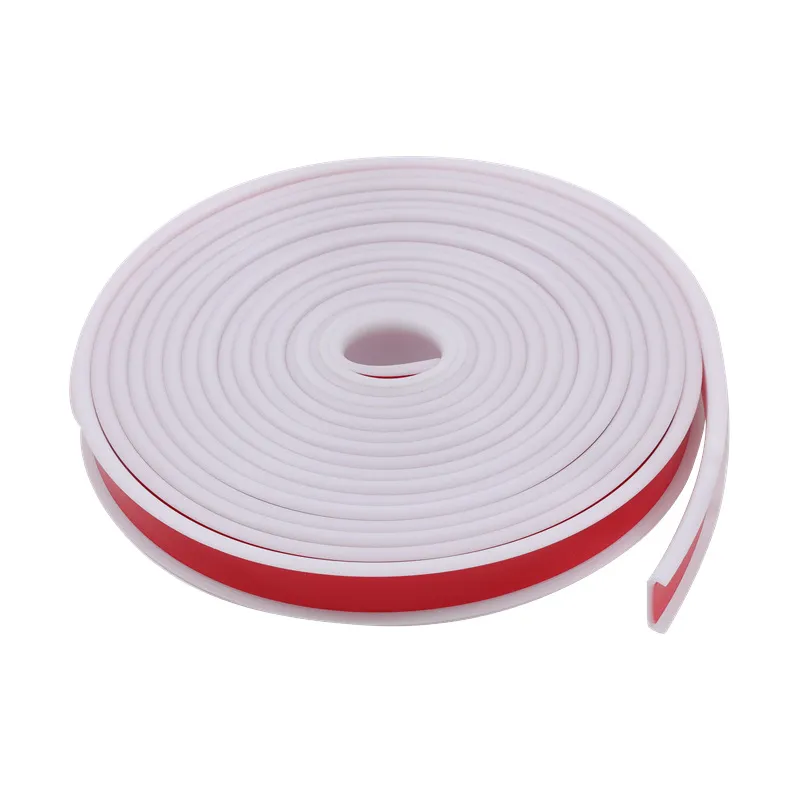
Where edge banded parts shine
- Residential kitchens, bathrooms, wardrobes (steam and bump protection).
- Office and hospitality casework needing tight tolerances and clean acoustics.
- Retail fixtures, schools, and RV interiors—lightweight, durable, repeatable.
Customer voice: “Switched to PUR with primered PVC—our summer callbacks dropped noticeably,” one cabinet shop owner told me, half-surprised it wasn’t a new hinge causing the win.
Vendor landscape (quick comparison)
| Vendor | Materials | Customization | Certs | Lead Time (≈) | Notes |
|---|---|---|---|---|---|
| QZSeals (this product) | PVC, TPE, Silicone | Color/width/thickness; woodgrain | RoHS, REACH | 10–20 days | Strong value, factory origin Hebei |
| EU Brand A | PVC, ABS | Extensive décor library | REACH, low VOC | 3–6 weeks | Premium pricing |
| Local Shop B | PVC (stock) | Limited colors | Varies | 1–5 days (stock) | Fast for repairs |
Customization and integration
Most shops spec edge banded widths to match 16/18/19 mm boards; 0.8–1.5 mm thickness hits the sweet spot for durability. You can request RAL/NCS matches, embossed pored textures, or laser-activatable layers for zero-line edgebanders. Adhesives: EVA for economy, PUR if you want heat and steam resilience (busy kitchens, dishwashers nearby).
Mini case files
Retail rollout: 600 fixtures, PUR-bonded PVC, matte texture. Post-install punch list dropped ≈18% versus prior EVA runs; edge chipping near corners notably lower.
Apartment kitchens: Switched to primered tape + optimized feed pressure; installer reported 20–25% fewer rework hours across 200 units. It seems the primer made more difference than expected.
Final notes
If you’re chasing premium looks on tight schedules, pair primered PVC/TPE with stable substrates and keep your blades fresh. Many customers say the difference shows up not in week one, but month six—door edges still look crisp, and that’s what buyers remember.
Authoritative citations
- ISO 868: Plastics — Determination of indentation hardness by means of a durometer (Shore hardness).
- ASTM D638: Standard Test Method for Tensile Properties of Plastics.
- ISO 4892-2: Plastics — Methods of exposure to laboratory light sources — Xenon-arc lamps.
- ASTM D3359: Standard Test Methods for Rating Adhesion by Tape Test.
- U.S. EPA TSCA Title VI & EN 717-1: Formaldehyde emission limits for composite wood products.
-
Understanding e3 edge banding tape price and Value FactorsNewsApr.16,2026
-
Premium Birch Edge Tape Guide for Professional Furniture FinishingNewsApr.09,2026
-
Comprehensive Guide to 2mm Edge Banding Tape for Furniture and CabinetryNewsApr.07,2026
-
Comprehensive Guide to Choosing the Right 18mm Edge Banding for Your ProjectsNewsApr.04,2026
-
Comprehensive Guide to Pre Glued Melamine Edging Applications and InstallationNewsMar.31,2026
-
Comprehensive Guide to Self Adhesive Edge Banding Tape Applications and SelectionNewsMar.28,2026
-
Comprehensive Guide to Wood Veneer Edging Strips for Furniture and Woodworking ProjectsNewsMar.26,2026