Seal for Oven Door - Heat-Resistant, Exact Fit, Easy Install
A Practical Guide to Choosing a Seal For Hot, Busy Ovens
If you’ve ever hunted for a Seal For Oven Door and wondered why some last years while others flatten in a season—same here. After touring factories in Wangshigong Industrial Zone, Wei County, Xingtai, Hebei, and talking to maintenance crews at bakeries and lab facilities, a clear pattern emerged: materials, not marketing, decide uptime.
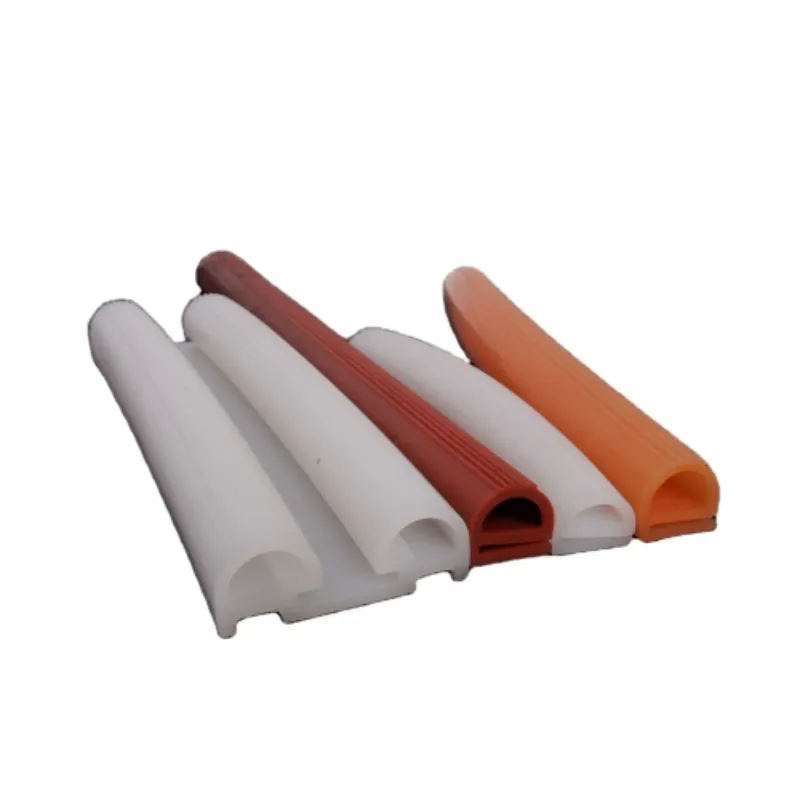
What makes this silicone seal strip different?
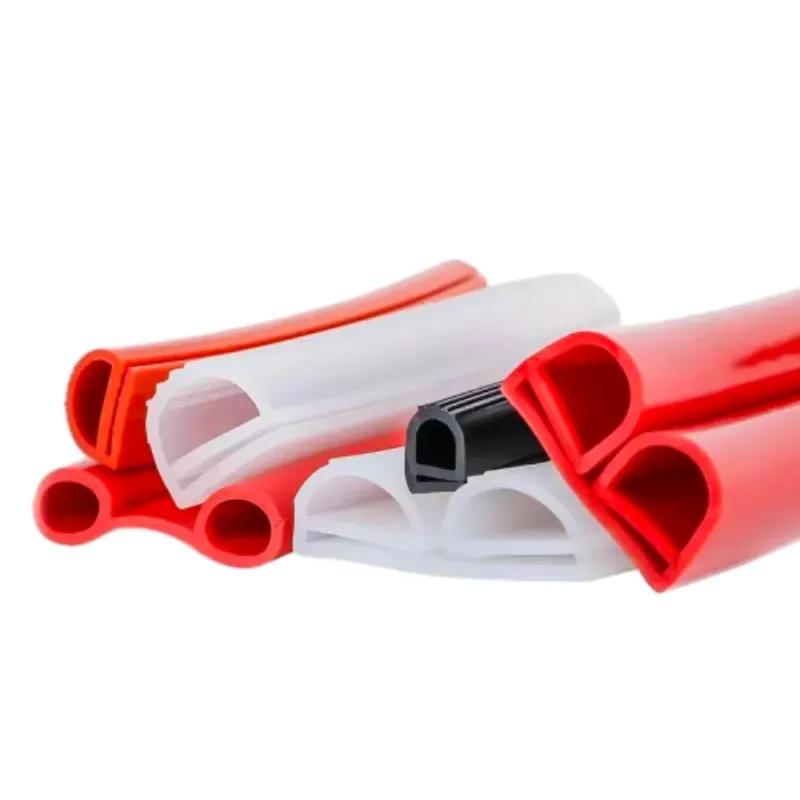
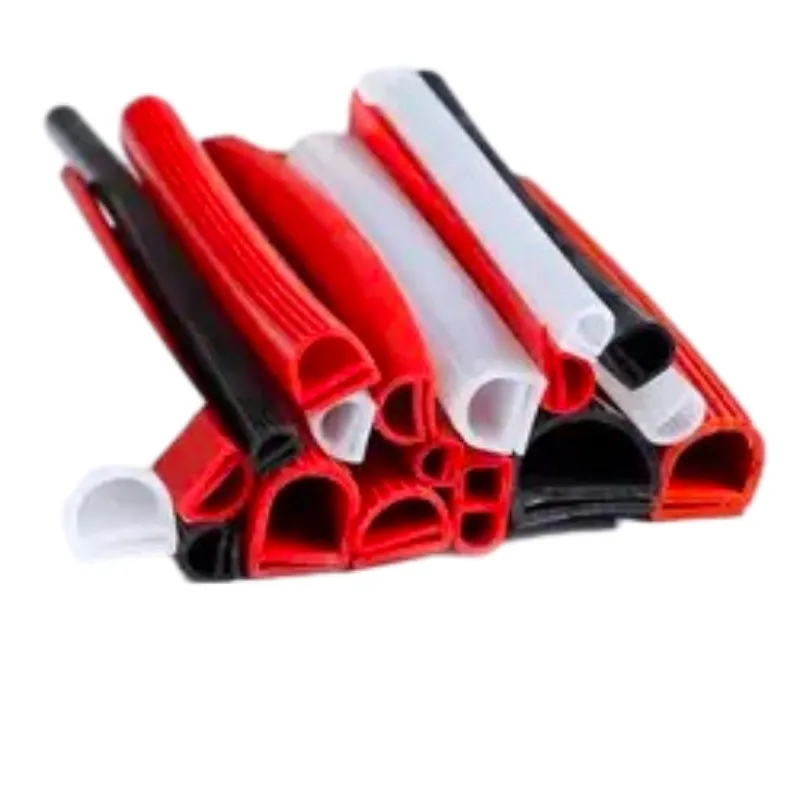
The “High Performance Oven Door Silicone Seal Strip” (model kx2062) is an extruded VMQ silicone profile rated ≈ -70°C to 250°C. In plain terms: winter loading docks to pizza-deck infernos. It’s available in red/black/white/clear, with OEM splicing and odd shapes on request. Honestly, customization is where many suppliers stumble; this one takes small adjustments seriously—corner vulcanization, bulb sizes, adhesive backing if needed.
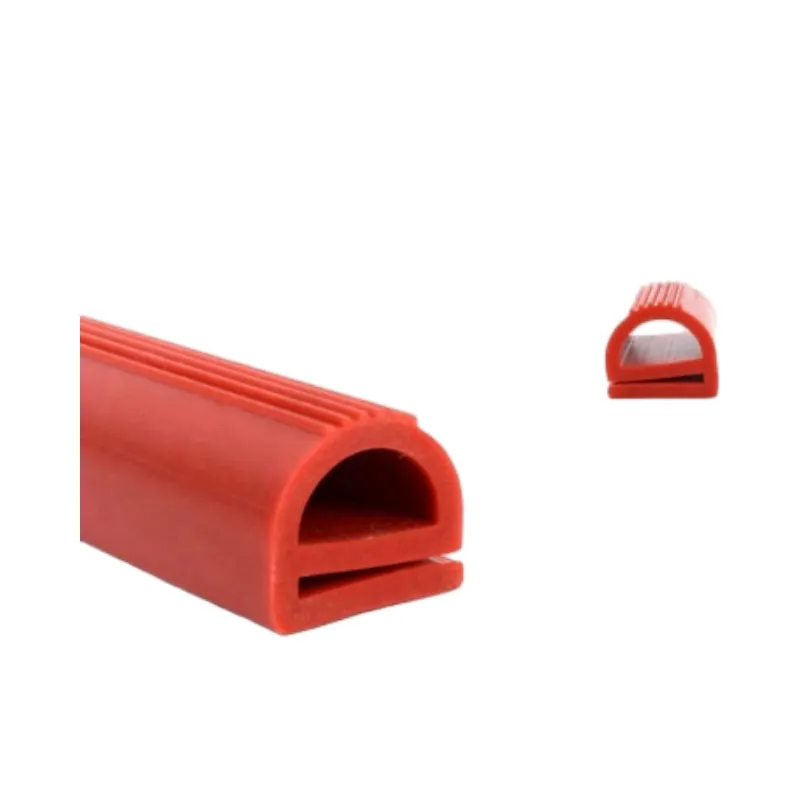
Quick specs (real-world use may vary)
| Material | VMQ silicone, extrusion grade; peroxide or platinum-cured |
| Temp range | ≈ -70°C to +250°C continuous; short peaks higher depending on profile |
| Hardness | 60 ±5 Shore A (other durometers available) |
| Compression set | ≤ 25% @ 200°C, 22h (ASTM D395, typical lab data) |
| Tensile / Elongation | ≈ 7 MPa / 300% (ASTM D412) |
| Certifications | TS16949, ISO9001, SGS; RoHS/REACH statements on request |
| Packaging / Lead | Cartons or per request; 7–15 days after confirmation |
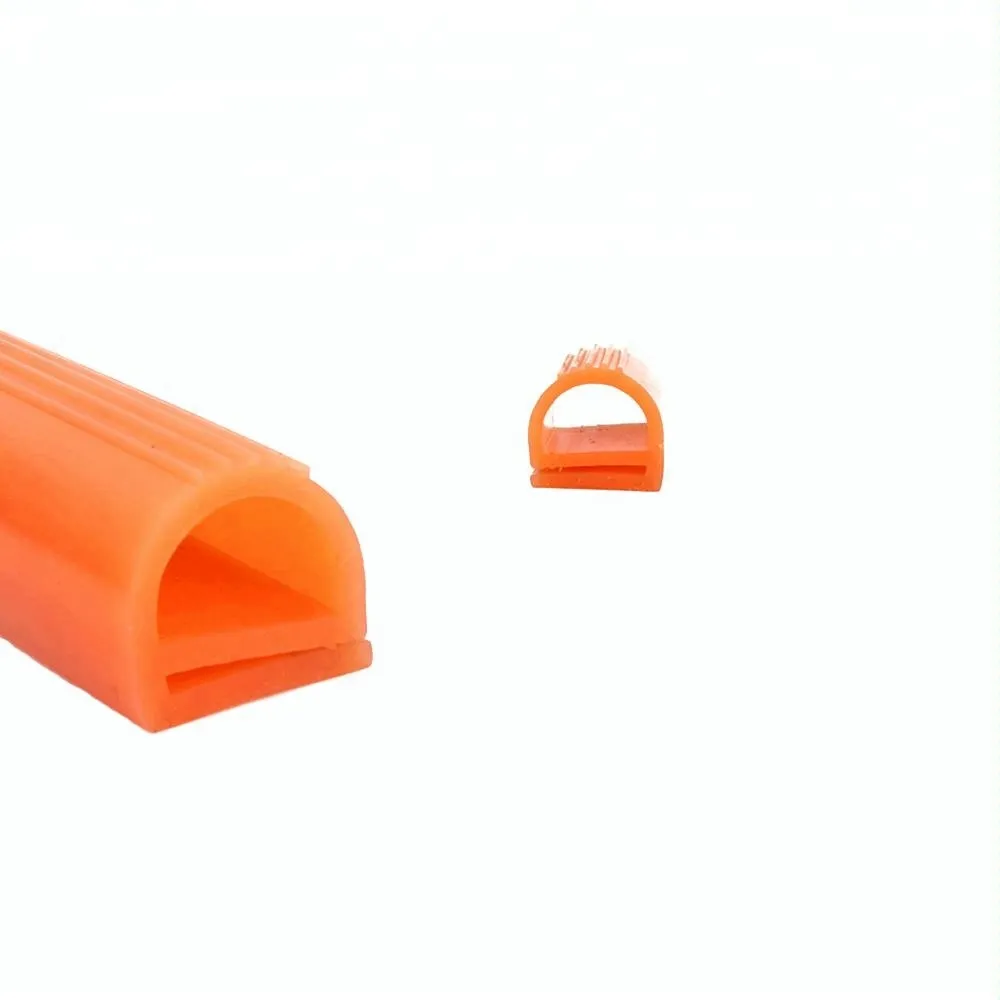
Process flow and testing
Materials: premium VMQ compound with heat stabilizers. Methods: precision extrusion, continuous curing, corner molding or endless splicing, surface finishing, and cut-to-length. QA: hardness (ASTM D2240), compression set (ASTM D395), dimensional tolerance checks, and heat aging at elevated temp. Flame rating (UL 94) and FDA 21 CFR 177.2600 compliance can be formulated per project—ask early, it matters.
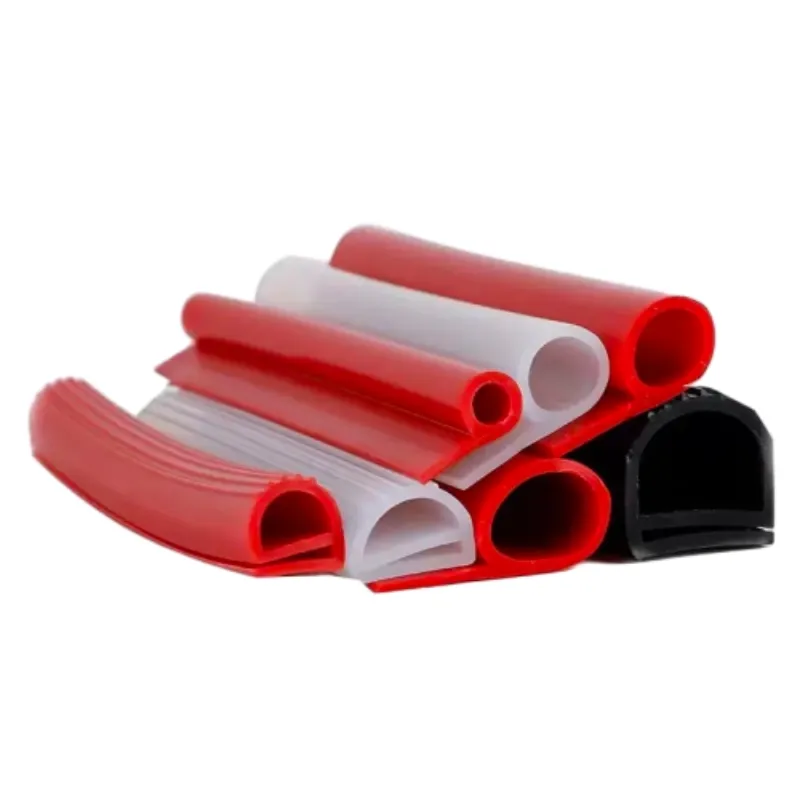
Where it’s used
- Commercial kitchens and bakery decks (grease, flour dust, constant cycling)- Lab and stability ovens (clean edges, predictable compression)
- Powder-coat cure ovens and paint lines (steady 180–220°C)
- Food warming cabinets and convection units
Service life: around 2–5 years or 30k–80k door cycles depending on temperature, hinge alignment, and cleaning chemicals—many customers say alignment is the silent killer, not heat.
Anecdote: one mid-size bakery swapped to this Seal For Oven Door and logged ≈18% fuel savings from tighter closure (their figure, not mine). Also fewer burn complaints—doors shut without slamming.
Vendor comparison (what I look at)
| Criteria | QZ Seals (Hebei) | Vendor A | Vendor B |
| Certs | ISO9001, TS16949, SGS | ISO9001 | ISO9001, IATF (varies) |
| Customization | Flexible profiles, quick molds | Limited shapes | Strong, longer lead |
| Lead time | ≈7–15 days | 15–25 days | 20–30 days |
| Price (indicative) | Competitive, OEM-friendly | Lower, fewer options | Higher, branded |
Customization checklist
- Cross-section drawing with tolerances and corner radii- Door compression (target squeeze 20–30%) and hinge play
- Cleaners/greases used (swelling can sneak up on you)
- Color coding for maintenance teams (red for heat zones, etc.)
Bottom line: for a high-cycle Seal For Oven Door, a well-compounded VMQ with verified compression set and proper splicing beats fancy brochures every time. From Hebei to high-street bakeries, the consistent feedback is: specify clearly, test fast, and mind the hinges.
References
- ASTM D395 – Standard Test Methods for Rubber Property—Compression Set.
- UL 94 – Tests for Flammability of Plastic Materials for Parts in Devices and Appliances.
- ISO 9001 – Quality management systems Requirements.
-
Understanding e3 edge banding tape price and Value FactorsNewsApr.16,2026
-
Premium Birch Edge Tape Guide for Professional Furniture FinishingNewsApr.09,2026
-
Comprehensive Guide to 2mm Edge Banding Tape for Furniture and CabinetryNewsApr.07,2026
-
Comprehensive Guide to Choosing the Right 18mm Edge Banding for Your ProjectsNewsApr.04,2026
-
Comprehensive Guide to Pre Glued Melamine Edging Applications and InstallationNewsMar.31,2026
-
Comprehensive Guide to Self Adhesive Edge Banding Tape Applications and SelectionNewsMar.28,2026
-
Comprehensive Guide to Wood Veneer Edging Strips for Furniture and Woodworking ProjectsNewsMar.26,2026