The humble rubber door sweep is a deceptively important component in modern building design and energy efficiency. Often overlooked, these seemingly simple strips play a crucial role in sealing gaps under doors, preventing drafts, controlling noise, and even keeping out pests. Understanding their construction, applications, and future advancements is vital for architects, builders, facility managers, and homeowners alike seeking to improve building performance and reduce energy consumption. rubber door sweep solutions are becoming increasingly sophisticated.
Globally, the demand for effective building sealing solutions is driven by increasing energy costs, stricter building codes focused on sustainability, and a growing awareness of indoor air quality. According to the International Energy Agency (IEA), buildings account for roughly 40% of global energy consumption. Reducing air leakage, a significant contributor to energy waste, is a primary target for energy efficiency programs worldwide. The effectiveness of a rubber door sweep is a direct contributor to these goals.
The challenge lies in finding sealing solutions that are durable, cost-effective, and adaptable to a wide range of door types and environments. Traditional methods often fall short, requiring frequent replacement and failing to provide a consistently airtight seal. This gap in the market underscores the importance of continued innovation in rubber door sweep technology.
The Significance of Rubber Door Sweeps
Rubber door sweeps are far more than simple accessories; they are integral to building energy efficiency and indoor comfort. By effectively sealing the gap between the door and the threshold, they minimize air infiltration, which reduces heating and cooling costs, and contributes to a more stable indoor temperature. This simple barrier drastically impacts energy bills and building performance.
Moreover, rubber door sweeps contribute to improved soundproofing, creating quieter and more peaceful indoor environments. They also act as a barrier against dust, dirt, insects, and even small rodents, enhancing hygiene and overall building maintenance. The wide array of available materials and designs ensures a solution for nearly every application.
Defining Rubber Door Sweeps
A rubber door sweep is a sealing device installed along the bottom edge of a door to close the gap between the door and the threshold. Its primary function is to prevent the passage of air, water, dust, light, and sound. While historically made from simple rubber or brush materials, modern rubber door sweeps often incorporate advanced polymers and designs for enhanced performance and durability.
Their connection to modern industry stems from the increasing demand for energy-efficient buildings and sustainable construction practices. As building codes become stricter and energy costs rise, the demand for effective sealing solutions like rubber door sweeps continues to grow. They are now a standard component in residential, commercial, and industrial buildings worldwide.
The humanitarian aspect resides in the ability to enhance the comfort and safety of indoor environments, particularly in regions with extreme climates or where controlling pests and allergens is crucial for public health. Effective sealing contributes to improved indoor air quality and reduced exposure to environmental hazards.
Core Components and Features
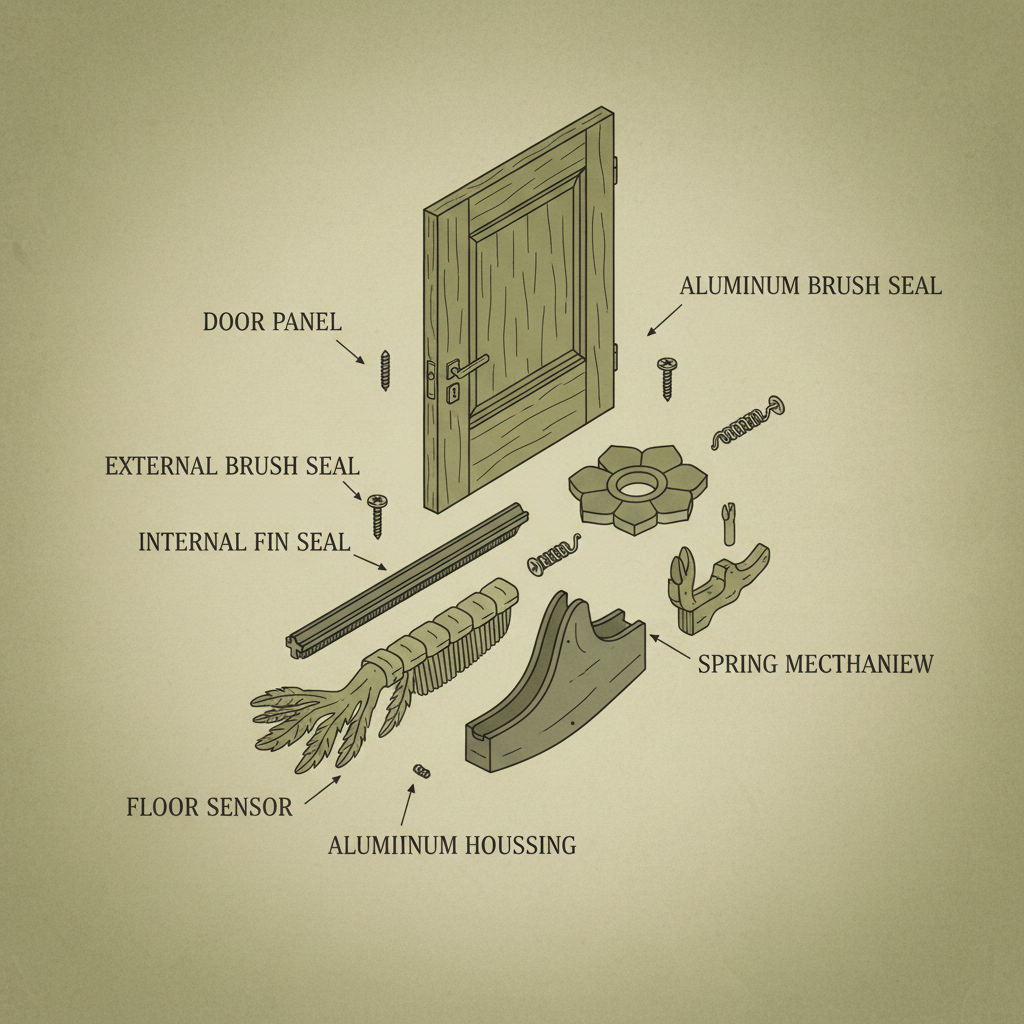
The core components of a rubber door sweep typically include the rubber or silicone sealing element, a metal or plastic backing for support, and an attachment mechanism (screws, adhesive, or integrated clip). The type of rubber or silicone used significantly impacts its performance characteristics – EPDM, neoprene, and silicone are common choices, each offering different levels of weather resistance, temperature tolerance, and durability.
Key features to consider when selecting a rubber door sweep include its flexibility, resistance to compression set (the tendency to deform permanently under pressure), and compatibility with the door material. Some advanced models feature adjustable height, allowing for a customized seal, and integrated fin designs for improved air tightness and water resistance. The right selection for a given need relies heavily on the surrounding conditions.
Modern manufacturing techniques allow for complex geometries and intricate designs, resulting in rubber door sweeps that conform precisely to uneven thresholds and provide a superior seal. Color options and aesthetic considerations are also becoming increasingly important, particularly in residential applications where the sweep’s appearance matters.
Durability, Cost, and Performance Analysis
Durability is paramount when assessing a rubber door sweep. Factors like UV exposure, temperature fluctuations, and repeated compression can degrade the material over time. High-quality silicone and EPDM rubber generally offer superior resistance to these elements compared to cheaper alternatives. rubber door sweep quality is something that can be assessed.
Cost-effectiveness must be balanced against long-term performance. While less expensive options may have a lower upfront cost, frequent replacement can quickly negate any initial savings. Investing in a durable, high-performance sweep can provide significant long-term value by reducing energy bills and minimizing maintenance requirements.
Rubber Door Sweep Performance Comparison
Global Applications of Rubber Door Sweeps
Rubber door sweeps find widespread application across diverse sectors. In residential construction, they are standard features in exterior doors and garage doors, helping to maintain comfortable indoor temperatures and reduce energy consumption. Commercial buildings, such as offices, hotels, and retail spaces, rely on them to create welcoming, climate-controlled environments.
Industrial facilities utilize rubber door sweeps to seal loading docks, warehouses, and manufacturing areas, preventing heat loss, controlling dust, and protecting sensitive equipment. In cold storage facilities and food processing plants, they are crucial for maintaining precise temperature control and preventing contamination.
Advantages and Long-Term Value
The advantages of using high-quality rubber door sweeps extend beyond immediate energy savings. They contribute to improved indoor air quality by reducing the infiltration of pollutants and allergens. They also offer a cost-effective solution for soundproofing, creating quieter and more productive work environments.
The long-term value lies in the reduced maintenance costs and extended lifespan of the product. Investing in durable, weather-resistant materials ensures a reliable seal for years to come, minimizing the need for frequent replacements. Moreover, the contribution to energy efficiency translates into reduced carbon emissions and a more sustainable building footprint.
From a practical perspective, the safety and comfort of building occupants are enhanced. A properly sealed door prevents drafts and reduces the risk of slips and falls on wet or icy floors. The peace of mind knowing that your building is well-protected from the elements and external hazards is a significant benefit.
Future Trends and Innovations
The future of rubber door sweep technology is likely to be driven by advancements in materials science and smart building integration. Self-adjusting sweeps that automatically conform to uneven thresholds are already emerging, offering superior sealing performance. Bio-based and recycled rubber compounds are gaining traction as sustainable alternatives to traditional materials.
Integration with building automation systems is another exciting trend. Smart door sweeps equipped with sensors can detect air leakage and automatically adjust to optimize the seal. Data analytics can provide valuable insights into building performance, allowing for proactive maintenance and energy management.
Further innovations may include the development of antimicrobial rubber compounds to inhibit the growth of mold and bacteria, and the integration of LED lighting for enhanced visibility and safety. Nanomaterials could also play a role in enhancing the durability and performance of rubber door sweep materials.
Analysis of Rubber Door Sweep Enhancement Strategies
| Enhancement Strategy |
Implementation Difficulty (1-10) |
Cost Impact (Low, Medium, High) |
Potential Performance Gain (%) |
| Advanced Polymer Formulation |
7 |
Medium |
10-15 |
| Self-Adjusting Mechanism |
9 |
High |
15-20 |
| Bio-Based Rubber Compounds |
6 |
Medium |
5-10 |
| Smart Sensor Integration |
8 |
High |
20-25 |
| Antimicrobial Coating |
5 |
Low |
2-5 |
| Nanomaterial Reinforcement |
10 |
High |
10-20 |
FAQS
The lifespan of a rubber door sweep varies depending on usage, environmental factors, and material quality. Generally, a well-maintained rubber sweep can last between 3 to 7 years. Silicone sweeps tend to have a longer lifespan than standard rubber options due to their superior resistance to weathering and compression set. Regular inspection and cleaning can extend the life of your door sweep.
Choosing the correct size is crucial for effective sealing. Measure the gap between the bottom of your door and the threshold. The sweep’s height should be slightly greater than this gap to ensure a tight seal. Also, consider the width of the door and select a sweep that matches its length. If you are unsure, it's better to choose a sweep that is slightly longer and trim it to size.
Rubber sweeps are a cost-effective option, suitable for general-purpose applications. Silicone sweeps offer superior weather resistance and flexibility, making them ideal for harsh environments. Brush sweeps are good for preventing dust and debris from entering but are less effective at sealing against air and water. The best choice depends on your specific needs and budget.
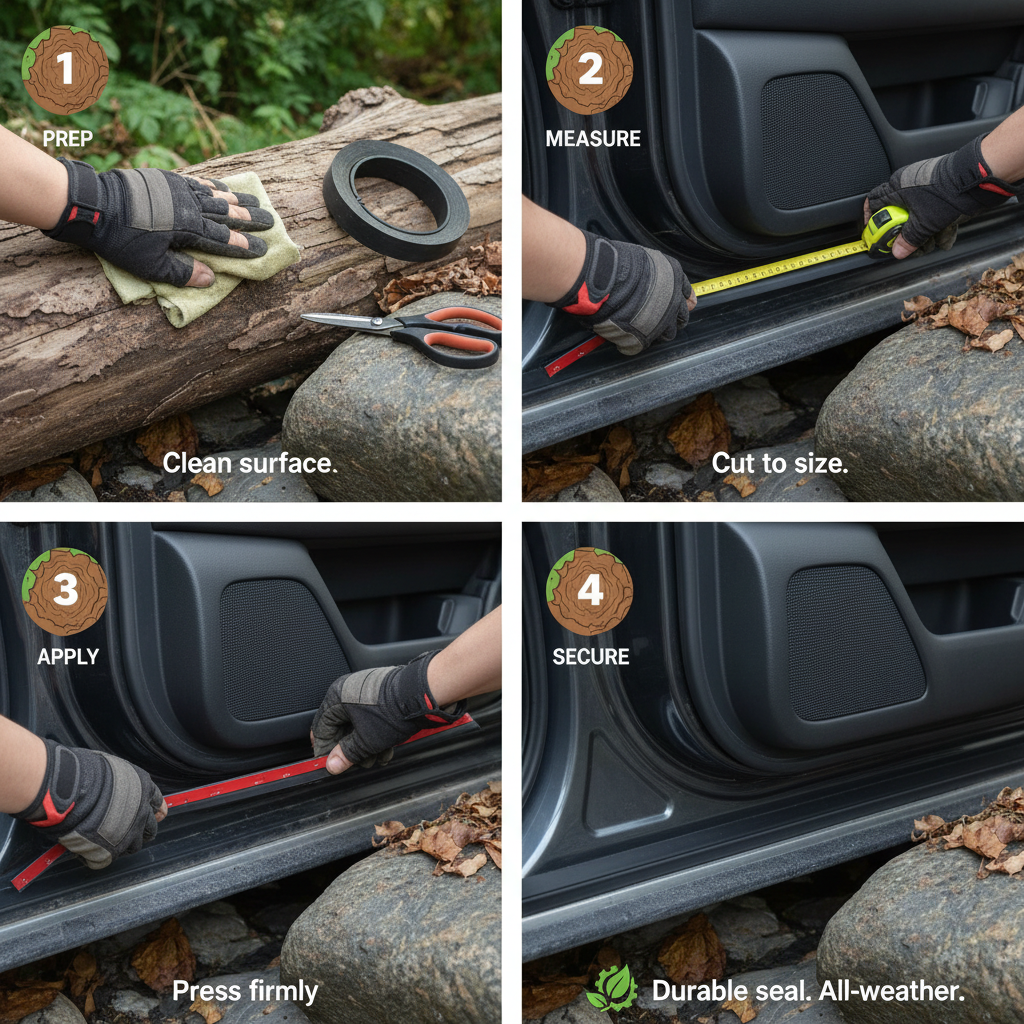
Installation typically involves attaching the sweep to the bottom of the door using screws or adhesive. Ensure the door is clean and dry before applying adhesive. If using screws, pre-drill pilot holes to prevent splitting the wood. Carefully align the sweep to ensure a snug fit against the threshold. Some sweeps feature a simple clip-on design for easy installation.
Rubber door sweeps can significantly reduce sound transmission, especially low-frequency sounds. While they won't completely soundproof a room, they create a noticeable improvement by blocking air gaps that allow sound to travel. Combining a door sweep with other soundproofing measures, such as weatherstripping and a solid-core door, can achieve even better results.
Regular cleaning helps prolong the life of your rubber door sweep. Simply wipe it down with a damp cloth and mild detergent. Avoid harsh chemicals or abrasive cleaners, as they can damage the rubber. Periodically inspect the sweep for cracks, tears, or signs of wear and tear. Replace it if it's damaged or no longer providing an effective seal.
Conclusion
In conclusion, the rubber door sweep is a deceptively simple yet vitally important component in modern building design. From enhancing energy efficiency and improving indoor comfort to reducing noise pollution and protecting against pests, its benefits are far-reaching. Understanding its core components, applications, and future trends allows for informed decision-making and optimal performance.
Looking ahead, continued innovation in materials science and smart building integration will undoubtedly lead to even more sophisticated and effective rubber door sweep solutions. By embracing these advancements, we can create more sustainable, comfortable, and resilient buildings for generations to come. Visit our website at www.qzseals.com to explore our range of high-quality rubber door sweep products and find the perfect solution for your needs.