Understanding e3 edge banding tape price and Value Factors
Understanding e3 Edge Banding Tape Price and Value
When upgrading furniture quality or starting a large-scale manufacturing project, the e3 edge banding tape price is often a primary consideration for procurement managers and designers. Edge banding is not just about aesthetics; it is a critical component that protects the raw edges of panels from moisture, impact, and wear. Depending on the material—whether PVC, ABS, or veneer—the cost can vary significantly. In this guide, we will break down the pricing factors, material comparisons, and how to choose the best value for your specific production needs to ensure a professional finish every time.
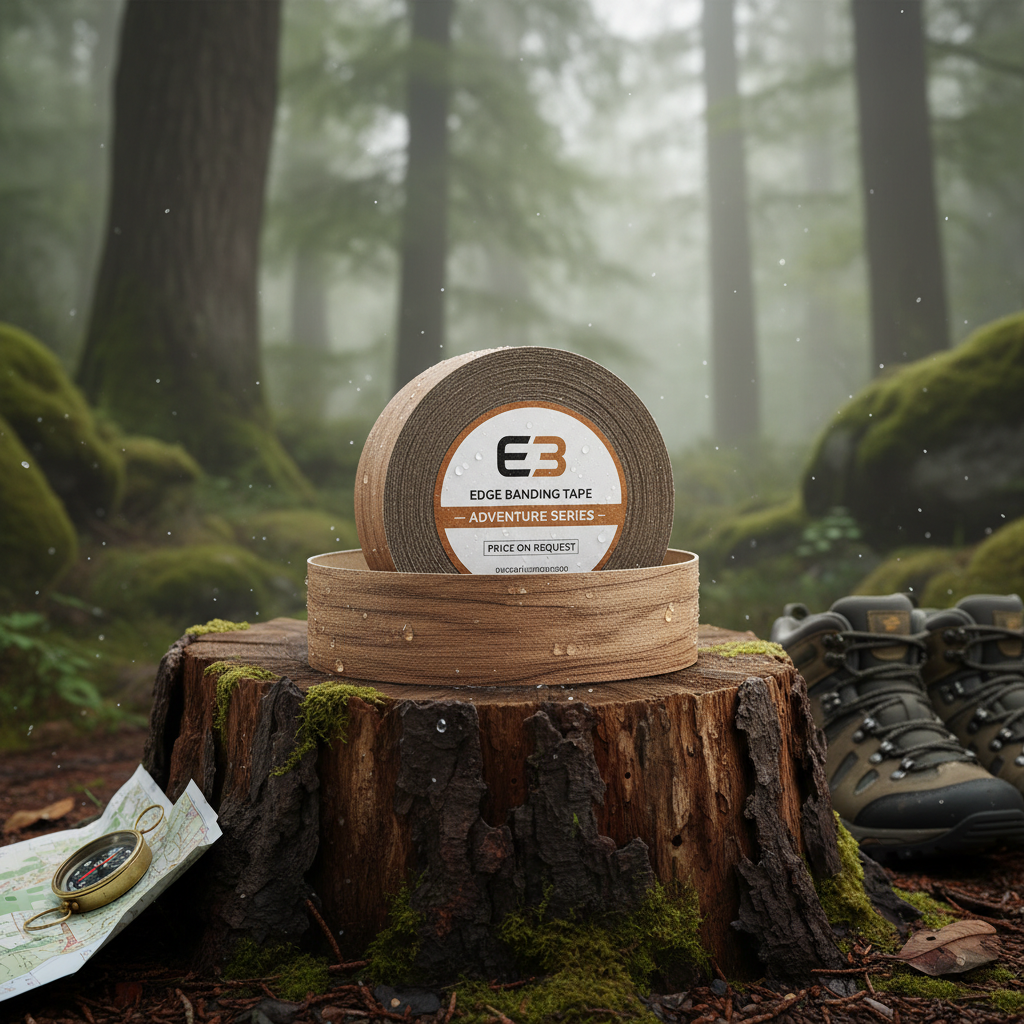
Factors Influencing the e3 Edge Banding Tape Price
Several variables dictate the final cost of edge banding. Firstly, the chemical composition of the tape plays a huge role; for instance, ABS usually commands a higher price than PVC due to its superior heat resistance and environmental friendliness. Secondly, the thickness of the tape (ranging from 0.5mm to 3mm) impacts the volume of raw material used. Thicker tapes provide better impact resistance but increase the e3 edge banding tape price per roll. Additionally, specialized finishes such as high-gloss, matte, or wood-grain textures require more complex manufacturing processes, adding to the overall cost.
Pro Tip: Buying in bulk rolls rather than pre-cut strips can significantly lower your cost per meter, making it the most economical choice for industrial furniture production.
Material Comparison: Which Tape Offers the Best ROI?
Choosing the right material is a balance between your budget and the expected lifespan of the furniture. While some look for the lowest e3 edge banding tape price, investing in a slightly more expensive material can prevent costly warranty claims due to peeling or cracking. PVC is the industry standard for affordability, while ABS is preferred for high-end cabinetry. Below is a detailed comparison to help you visualize the differences in performance and cost.
Quality Standards and Their Impact on Price
Not all edge banding is created equal. The e3 edge banding tape price is often reflective of the quality control measures implemented during production. High-grade tapes undergo rigorous testing for UV stability, ensuring that the edges do not yellow or fade when exposed to sunlight. Furthermore, the precision of the thickness (tolerance levels) ensures a seamless bond with the board, reducing the time spent on trimming and finishing. When sourcing from a professional supplier, you are paying for consistency, which reduces waste and labor costs in the long run.
Technical Specifications of e3 Edge Banding
To accurately estimate your project costs, it is essential to understand the technical specifications. The specifications determine the application method—whether you are using a manual iron or an automatic edge banding machine. A higher specification tape usually results in a more durable edge that resists peeling. By reviewing the product data, you can justify the e3 edge banding tape price based on the technical requirements of your furniture line.
How to Optimize Your Procurement Costs
Optimizing the cost of your supplies doesn't always mean buying the cheapest option. To get the most out of your budget, consider consolidated shipping and long-term contracts with suppliers. By predicting your annual volume, you can negotiate a more favorable e3 edge banding tape price. Additionally, choosing a tape that matches your board's core material perfectly reduces the amount of adhesive required and minimizes the risk of production errors, which is a hidden cost saving.
Application Tips for Long-Term Durability
Once you have secured a competitive e3 edge banding tape price, the way you apply the tape will determine the final value of the product. Ensuring that the board surface is clean and free of dust is critical for a strong bond. For high-moisture areas like kitchens, using PUR (Polyurethane) adhesives in combination with ABS tape is recommended. Proper temperature control during application prevents the tape from shrinking or bubbling, ensuring that the high-quality material you purchased performs as intended.
Conclusion: Balancing Cost and Quality in Edge Banding
Finding the ideal e3 edge banding tape price requires a deep understanding of your end-product's requirements. Whether you prioritize the affordability of PVC or the high-performance characteristics of ABS, the goal is to maximize the lifespan of the furniture while maintaining a healthy profit margin. By focusing on technical specifications, material properties, and strategic sourcing, you can ensure a professional result that satisfies both your budget and your clients.
Frequently Asked Questions (FAQs)
Why does the price of ABS edge banding differ from PVC?
The difference in price stems from the raw materials and the manufacturing process. ABS (Acrylonitrile Butadiene Styrene) is a thermoplastic that offers better impact resistance and is more environmentally friendly because it can be incinerated without releasing toxic chlorine gas. PVC (Polyvinyl Chloride) is generally cheaper to produce and widely available, but it may lack the high-temperature stability of ABS. Therefore, the cost reflects the material's physical properties and environmental footprint.
Does the thickness of the tape significantly affect the e3 edge banding tape price?
Yes, thickness is one of the most direct factors affecting cost. A 2mm tape uses significantly more plastic resin than a 0.5mm tape. While thicker tapes are more expensive, they are essential for high-traffic edges (like the fronts of drawers or table edges) because they can be trimmed and profiled to create a rounded edge, providing much better protection against chips and cracks compared to thin tapes.
How can I get a more accurate quote for bulk orders?
To receive the most accurate and competitive quote, you should provide your supplier with a detailed specification sheet. This should include the material type (PVC/ABS), the exact thickness required, the total length in meters or number of rolls, and the specific color or texture code. Mentioning your monthly or annual consumption can also help the supplier offer a volume-based discount on the e3 edge banding tape price.
Can I use a cheaper tape for high-end furniture to save costs?
While it is technically possible, it is generally not recommended. High-end furniture is expected to have a seamless look and long-term durability. Cheap tapes often have inconsistent colors and poor adhesion, which can lead to the edges peeling over time. This not only damages the brand reputation but also leads to higher costs in the form of repairs and customer complaints. Investing in quality edge banding ensures that the final product matches the premium nature of the design.
-
Premium Birch Edge Tape Guide for Professional Furniture FinishingNewsApr.09,2026
-
Comprehensive Guide to 2mm Edge Banding Tape for Furniture and CabinetryNewsApr.07,2026
-
Comprehensive Guide to Choosing the Right 18mm Edge Banding for Your ProjectsNewsApr.04,2026
-
Comprehensive Guide to Pre Glued Melamine Edging Applications and InstallationNewsMar.31,2026
-
Comprehensive Guide to Self Adhesive Edge Banding Tape Applications and SelectionNewsMar.28,2026
-
Comprehensive Guide to Wood Veneer Edging Strips for Furniture and Woodworking ProjectsNewsMar.26,2026
-
Comprehensive Guide to Oak Veneer Tape for Woodworking ProjectsNewsMar.24,2026