Premium Birch Edge Tape Guide for Professional Furniture Finishing
The Ultimate Guide to Birch Edge Tape for Premium Furniture Finishing
Achieving a professional, seamless finish in cabinetry and furniture making often comes down to the details. birch edge tape is an essential material for craftsmen and industrial manufacturers who want to combine the natural beauty of birch wood with long-lasting durability. Whether you are working with birch plywood or particle board, the right edge banding ensures that the raw, exposed edges of your panels are protected from moisture and wear while maintaining a high-end aesthetic. In this comprehensive guide, we will explore everything from material selection to application techniques to help you elevate your woodworking projects.
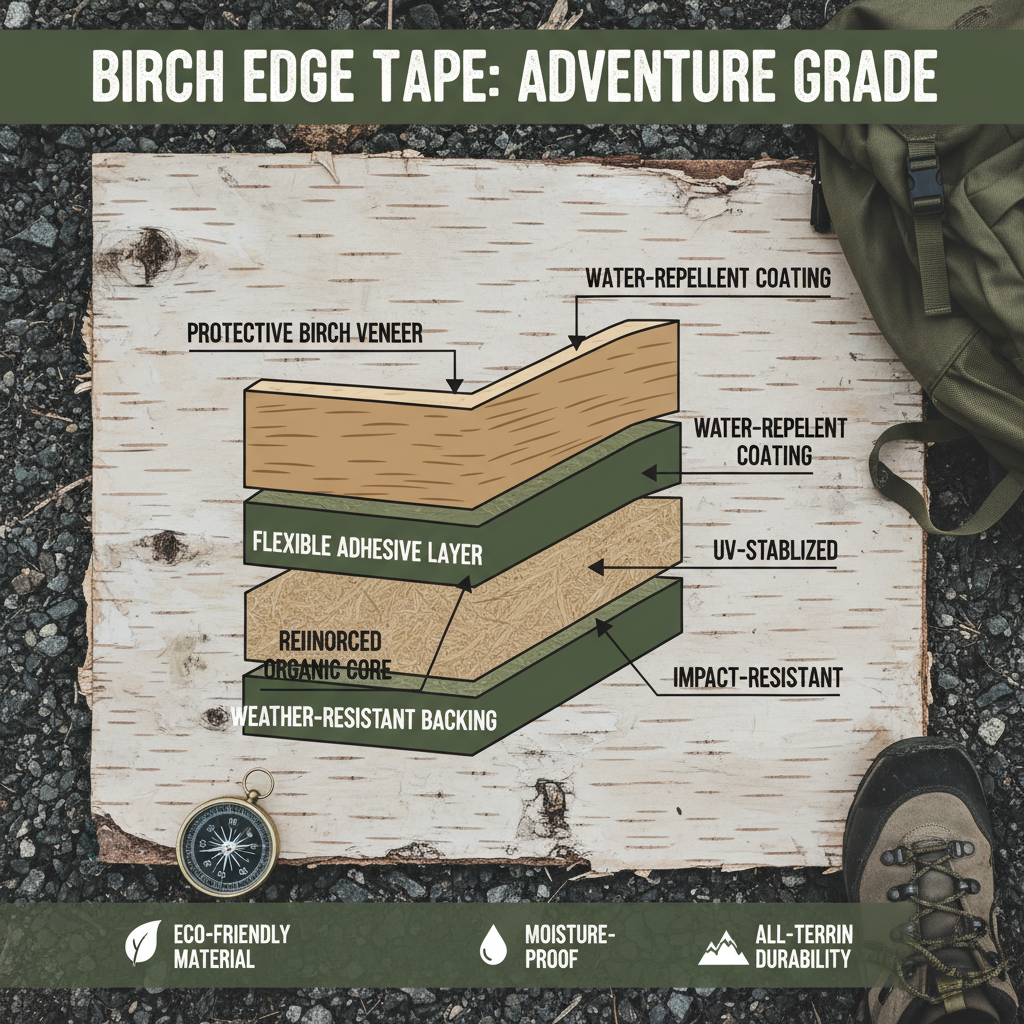
Why Choose Birch Edge Tape for Your Projects?
Birch is prized in the woodworking industry for its light color, fine grain, and exceptional strength. Using birch edge tape allows you to mimic the look of solid wood furniture even when using cost-effective engineered boards. Unlike plastic alternatives, real wood veneer edge banding breathes and ages naturally, providing a tactile warmth that customers associate with quality. Additionally, birch is highly receptive to stains and paints, giving designers immense flexibility to match specific interior palettes while ensuring the edges are sealed against environmental damage.
Key Advantages: Provides a seamless transition from face to edge, offers superior bonding strength with heat-melt adhesives, and enhances the overall resale value of furniture by providing a "solid wood" appearance.
Comparing Types of Birch Edge Tape
Not all edge banding is created equal. Depending on your machinery and the required finish, you may choose between pre-glued (iron-on) tapes and non-glued veneers. Pre-glued birch edge tape is ideal for small shops and DIY projects, as it only requires a household iron for application. For industrial-scale production, non-glued tapes processed through automatic edge-banding machines offer higher precision and faster throughput. Understanding these differences is key to choosing the right workflow for your production line.
Application Tips for Perfect Birch Edge Tape Results
To get a professional result with birch edge tape, surface preparation is critical. Ensure the edge of the panel is sanded smooth and free of dust or oil. When using iron-on tape, maintain a consistent temperature to avoid burning the veneer or leaving "cold spots" where the glue doesn't adhere. Once the tape is applied, use a trimming tool or a sharp chisel to remove the excess material, followed by light sanding with a fine-grit sandpaper. This creates a seamless transition that makes the panel look as if it were made from a single piece of solid birch.
Technical Specifications of Birch Edge Tape
When sourcing materials, it is important to check the specifications to ensure compatibility with your boards. High-quality birch edge tape typically comes in various thicknesses, ranging from 0.5mm to 3mm. Thicker tapes are better for heavy-duty furniture that requires more impact resistance on the edges, while thinner tapes are preferred for a sleek, modern look. Below is a typical specification table for industry-standard birch banding.
Common Mistakes When Applying Birch Edge Tape
Even experienced woodworkers can make errors that compromise the finish. One of the most common mistakes is over-heating the birch edge tape, which can cause the veneer to blister or discolor. Another frequent issue is failing to apply enough pressure during the bonding process, leading to peeling edges over time. Finally, using a dull blade for trimming often results in "tear-outs" or jagged edges that require excessive sanding, potentially thinning the veneer too much. Following a disciplined approach to heating and trimming is the only way to ensure a luxury finish.
Maintenance and Longevity of Banded Edges
Once your birch banding is applied and trimmed, the final step is sealing. Because birch edge tape is natural wood, it remains porous. Applying a clear lacquer, polyurethane, or wax seal is essential to prevent moisture from penetrating the glue line. This not only protects the furniture from humidity but also enhances the natural grain of the birch. For high-traffic areas like kitchen cabinets or office desks, a hard-wearing topcoat is recommended to prevent the edges from chipping or wearing down through daily use.
Conclusion: Elevate Your Craft with Birch Edge Tape
Investing in high-quality birch edge tape is the most efficient way to transform standard panels into exquisite pieces of furniture. By combining the aesthetic appeal of natural birch with the structural stability of engineered boards, you can create durable, beautiful products that stand the test of time. Remember that the secret to a professional finish lies in the quality of your materials and the precision of your application. Upgrade your finishing process today and experience the difference in quality.
Frequently Asked Questions (FAQs)
How do I fix a peeling edge of birch edge tape?
If a section of your edge banding begins to peel, you can usually fix it without replacing the entire strip. For pre-glued tapes, gently apply a hot iron to the area to reactivate the adhesive, then press it firmly back into place with a block of wood. If the glue has completely failed, you can carefully inject a small amount of wood glue under the veneer using a syringe or thin nozzle, clamp it tightly for 24 hours, and then sand the excess glue away. Proper sealing with a topcoat prevents this issue from occurring in the first place.
Can I stain birch edge tape to match other woods?
Yes, one of the primary benefits of using real birch veneer is its excellent stainability. Because it is a natural wood product, it absorbs dyes and stains similarly to solid birch. For the best results, apply a sanding sealer or conditioner first to prevent "blotching," which is common in light-colored hardwoods. Test your stain on a scrap piece of the birch edge tape before applying it to your main project to ensure a perfect color match with the rest of your furniture.
What is the difference between birch and oak edge tape?
The main differences are grain pattern and color. Birch has a much finer, more subtle grain and a lighter, creamier tone, making it ideal for modern, Scandinavian, or minimalist designs. Oak has a more pronounced, open-grain structure and usually comes in darker or more golden hues, which suits traditional or rustic styles. In terms of performance, both are durable, but birch is often preferred for painted furniture because its smooth surface doesn't show the grain as prominently as oak does.
How do I choose the correct width for my edge banding?
You should always choose a tape that is slightly wider (usually 1-2mm) than the thickness of your panel. For example, if you are using a 18mm birch plywood panel, a 20mm birch edge tape is ideal. This "overhang" ensures that the tape completely covers the edge of the board, allowing you to trim the excess perfectly flush. If the tape is exactly the same width as the board, any slight misalignment during application will leave an unsightly gap of exposed core material.
-
Understanding e3 edge banding tape price and Value FactorsNewsApr.16,2026
-
Comprehensive Guide to 2mm Edge Banding Tape for Furniture and CabinetryNewsApr.07,2026
-
Comprehensive Guide to Choosing the Right 18mm Edge Banding for Your ProjectsNewsApr.04,2026
-
Comprehensive Guide to Pre Glued Melamine Edging Applications and InstallationNewsMar.31,2026
-
Comprehensive Guide to Self Adhesive Edge Banding Tape Applications and SelectionNewsMar.28,2026
-
Comprehensive Guide to Wood Veneer Edging Strips for Furniture and Woodworking ProjectsNewsMar.26,2026
-
Comprehensive Guide to Oak Veneer Tape for Woodworking ProjectsNewsMar.24,2026