Comprehensive Guide to Selecting the Right Plywood Edge Banding Tape for Your Projects
Choosing the Right Plywood Edge Banding Tape: A Comprehensive Guide
Plywood edge banding tape is a crucial component in furniture manufacturing, woodworking, and interior design. It not only enhances the aesthetic appeal of plywood edges but also provides protection against damage and improves overall product quality. Selecting the appropriate edge banding tape requires consideration of material, application, and cost. This guide will explore the different types of plywood edge banding tape available, their applications, and how to choose the best option for your needs. Properly applied edge banding delivers a professional finish and extends the lifespan of your plywood projects.

Understanding the Different Types of Plywood Edge Banding Tape
Plywood edge banding tape comes in various materials, each offering unique advantages. Common types include PVC, ABS, paper, and wood veneer. PVC (Polyvinyl Chloride) is a popular choice due to its affordability and ease of application. ABS (Acrylonitrile Butadiene Styrene) provides greater durability and impact resistance, making it suitable for high-traffic areas. Paper edge banding offers a cost-effective solution for less demanding applications. Wood veneer edge banding provides a natural wood look and feel, matching the plywood substrate for a seamless appearance. The selection of material significantly impacts the final product’s appearance and longevity. Visiting QZ Seals can provide detailed information on each material type.
Key Highlights: Different materials offer varied levels of durability, cost-effectiveness, and aesthetic appeal. Consider the intended application when selecting the appropriate type.
PVC vs. ABS Edge Banding: A Detailed Comparison
PVC and ABS are the most widely used materials for plywood edge banding. While both offer excellent performance, they differ in key characteristics. PVC is more flexible and easier to apply, making it suitable for curved edges. ABS, on the other hand, is more rigid and durable, offering superior resistance to impact and abrasion. Choosing between PVC and ABS depends on the specific requirements of your project. High-wear applications generally benefit from ABS, while PVC is a good option for general-purpose use.
PVC vs. ABS – Key Differences:
• Flexibility: PVC is more flexible; ABS is more rigid.
• Durability: ABS offers greater impact and abrasion resistance.
• Cost: PVC is generally more affordable than ABS.
• Application: PVC is ideal for curved edges; ABS is better for high-wear areas.
The Importance of Adhesive Quality for Plywood Edge Banding Tape
The quality of the adhesive used with plywood edge banding tape is just as important as the tape itself. A strong, reliable adhesive ensures a secure bond, preventing peeling and lifting over time. Different adhesives are formulated for specific materials, so choosing the right one is crucial. Hot melt adhesives are commonly used for PVC and ABS, while contact adhesives are often preferred for wood veneer. Proper surface preparation, including cleaning and sanding, is also essential for optimal adhesion. High-quality edge banding tapes from QZ Seals often come with pre-applied adhesive for convenience and consistency.
Choosing the Right Width and Thickness of Plywood Edge Banding Tape
The width and thickness of the edge banding tape should match the thickness of the plywood. Using the correct width ensures complete coverage of the edge, preventing gaps and creating a clean finish. Thickness is also important; thinner tapes are easier to apply to curved edges, while thicker tapes provide greater durability and impact resistance. Consider the overall aesthetic you’re aiming for – a wider tape can create a bolder look, while a narrower tape offers a more subtle effect. QZ Seals offers a range of widths and thicknesses to suit various project requirements.
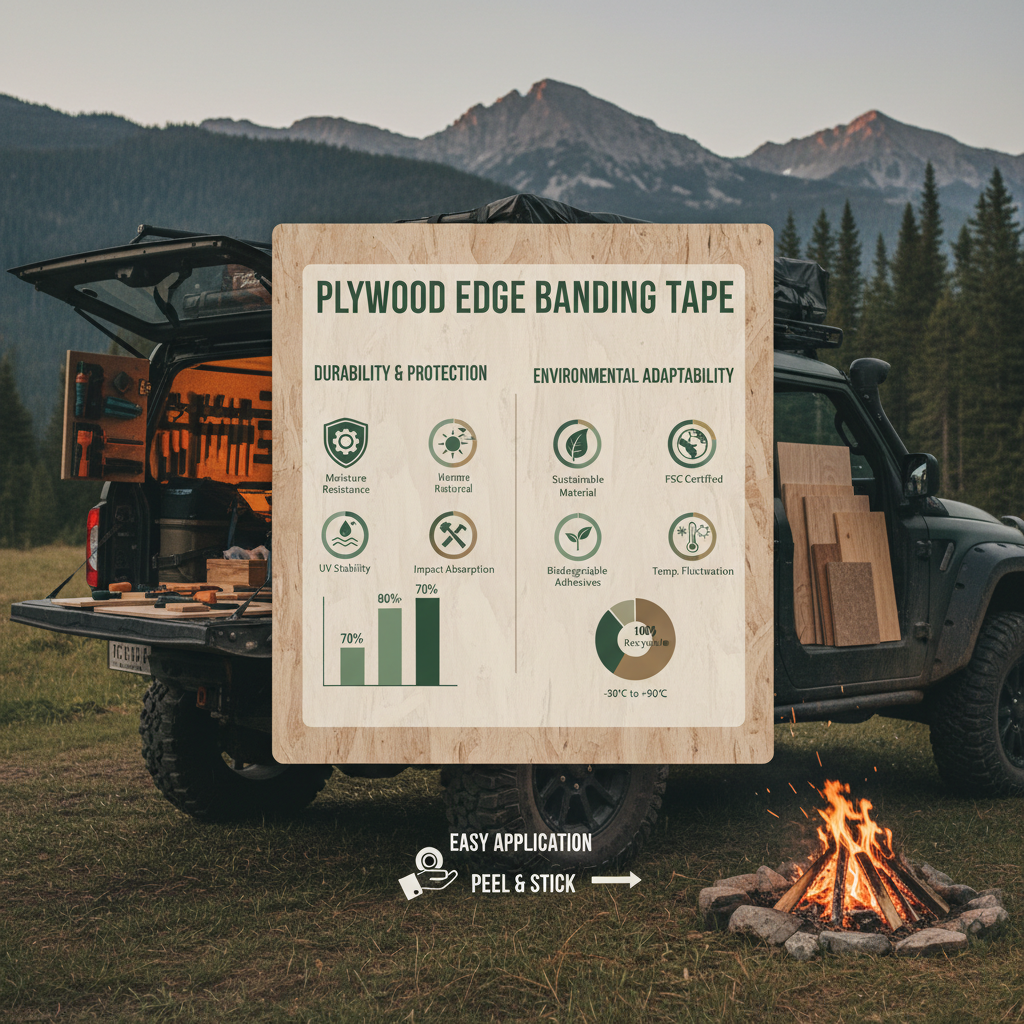
Application Techniques for a Professional Finish
Proper application is key to achieving a professional-looking finish with plywood edge banding tape. This typically involves using an iron or heat gun to activate the adhesive. Ensure the surface is clean and free of dust and debris before applying the tape. Apply even heat and pressure, working slowly along the edge. Trim any excess tape with a sharp knife or edge trimmer. For a seamless look, consider using a matching filler or touch-up marker to conceal any imperfections. Consistent practice will lead to improved application skills.
Conclusion: Selecting and Applying Plywood Edge Banding Tape
Choosing the right plywood edge banding tape and applying it correctly can dramatically enhance the appearance and durability of your woodworking projects. By considering the material, adhesive, width, and application techniques discussed in this guide, you can achieve professional-quality results. Remember to prioritize quality materials and careful execution for long-lasting and aesthetically pleasing finishes.
Frequently Asked Questions (FAQs)
What is the best edge banding tape for a high-traffic area?
For high-traffic areas, ABS edge banding tape is the best choice. Its superior durability and impact resistance can withstand heavy use and prevent damage. While it may be slightly more expensive than PVC, the added longevity and resistance to wear and tear make it a worthwhile investment. Ensure you use a high-quality adhesive specifically designed for ABS to guarantee a strong and lasting bond. Regular inspection and maintenance can further extend the life of the edge banding.
Can I apply edge banding tape to curved edges?
Yes, but PVC edge banding tape is generally recommended for curved edges due to its greater flexibility. Thinner tapes also work better on curves as they are easier to mold around the shape. Careful application and consistent heat are crucial to avoid bubbles and ensure a smooth finish. Using a specialized edge banding iron with a curved attachment can further aid in the application process. Avoid stretching the tape excessively, as this can lead to distortions.
How do I repair damaged edge banding tape?
Minor damage, such as small chips or lifting corners, can often be repaired with a matching touch-up marker or filler. For more significant damage, you may need to replace the entire section of edge banding. Carefully remove the old tape using a heat gun and scraper, clean the surface thoroughly, and apply new edge banding tape following the standard application process. Proper surface preparation is key to ensuring a strong and lasting repair.
Where can I find high-quality plywood edge banding tape?
You can find a wide selection of high-quality plywood edge banding tape at QZ Seals. They offer a variety of materials, widths, and thicknesses to meet your specific needs. They also provide detailed product information and expert advice to help you choose the best option for your project.
-
Understanding e3 edge banding tape price and Value FactorsNewsApr.16,2026
-
Premium Birch Edge Tape Guide for Professional Furniture FinishingNewsApr.09,2026
-
Comprehensive Guide to 2mm Edge Banding Tape for Furniture and CabinetryNewsApr.07,2026
-
Comprehensive Guide to Choosing the Right 18mm Edge Banding for Your ProjectsNewsApr.04,2026
-
Comprehensive Guide to Pre Glued Melamine Edging Applications and InstallationNewsMar.31,2026
-
Comprehensive Guide to Self Adhesive Edge Banding Tape Applications and SelectionNewsMar.28,2026
-
Comprehensive Guide to Wood Veneer Edging Strips for Furniture and Woodworking ProjectsNewsMar.26,2026