Comprehensive Guide to Choosing the Right 18mm Edge Banding for Your Projects
Everything You Need to Know About 18mm Edge Banding
When it comes to finishing furniture, cabinetry, and other woodworking projects, edge banding plays a crucial role. It not only enhances the aesthetic appeal but also protects the exposed edges of substrates like particleboard and MDF. Among the various sizes available, 18mm edge banding is a popular choice for many applications. This article will cover everything you need to know about 18mm edge banding, from its uses and materials to application techniques and where to source high-quality products. Choosing the right edge banding can significantly elevate the quality and durability of your woodworking creations.

Understanding 18mm Edge Banding: A Detailed Overview
18mm edge banding refers to a strip of material, typically 18 millimeters in width, applied to the edges of substrates. It’s primarily used to cover exposed core materials, providing a finished look and preventing chipping or damage. The '18mm' measurement is crucial, as it must match the thickness of the substrate for a seamless application. It’s frequently used in the furniture industry, interior design, and DIY projects where a professional and durable edge finish is desired. Different materials offer varying levels of durability, aesthetic appeal and price. Knowing these differences is key to selecting the best option for your project.
Key Highlights: 18mm edge banding offers a seamless finish, protects core materials, and improves the overall aesthetic of furniture and cabinetry.
Common Materials Used in 18mm Edge Banding
18mm edge banding is available in a variety of materials, each with its own unique characteristics. Some of the most common include: PVC (Polyvinyl Chloride), known for its affordability and durability; ABS (Acrylonitrile Butadiene Styrene), offering better impact resistance and a smoother surface; Melamine, providing a cost-effective option with a limited color selection; Wood Veneer, which offers a natural wood look and feel; and Acrylic, known for its high gloss finish and resistance to scratches. The choice of material depends on the specific requirements of your project, budget, and desired aesthetic. QZ Seals provides a wide range of materials to suit any need.
Material Comparison:
• PVC: Affordable, Durable, Wide Color Selection.
• ABS: High Impact Resistance, Smooth Surface.
• Melamine: Cost-Effective, Limited Color Options.
• Wood Veneer: Natural Look, Requires Finishing.
• Acrylic: High Gloss, Scratch-Resistant.
Application Methods for 18mm Edge Banding
Applying 18mm edge banding requires precision and the right tools. The most common methods include: Iron-on application, suitable for PVC and melamine banding, which uses heat to activate the adhesive; Hot air gun application, providing more control and even heating; and Glue application, using a specialized adhesive for materials like wood veneer. Proper preparation of the substrate is crucial, ensuring a clean and smooth surface. After application, trimming excess banding and finishing with buffing or sanding can create a professional-looking edge. QZ Seals offers expert advice on the best application methods for different materials.
Where to Buy High-Quality 18mm Edge Banding
Sourcing high-quality 18mm edge banding is essential for achieving a professional and durable finish. QZ Seals offers a comprehensive selection of edge banding in various materials, colors, and finishes. We pride ourselves on offering competitive pricing, fast shipping, and exceptional customer service. We also provide technical support to help you choose the right products for your specific needs. Choosing a reliable supplier ensures you'll receive consistent quality and excellent value.
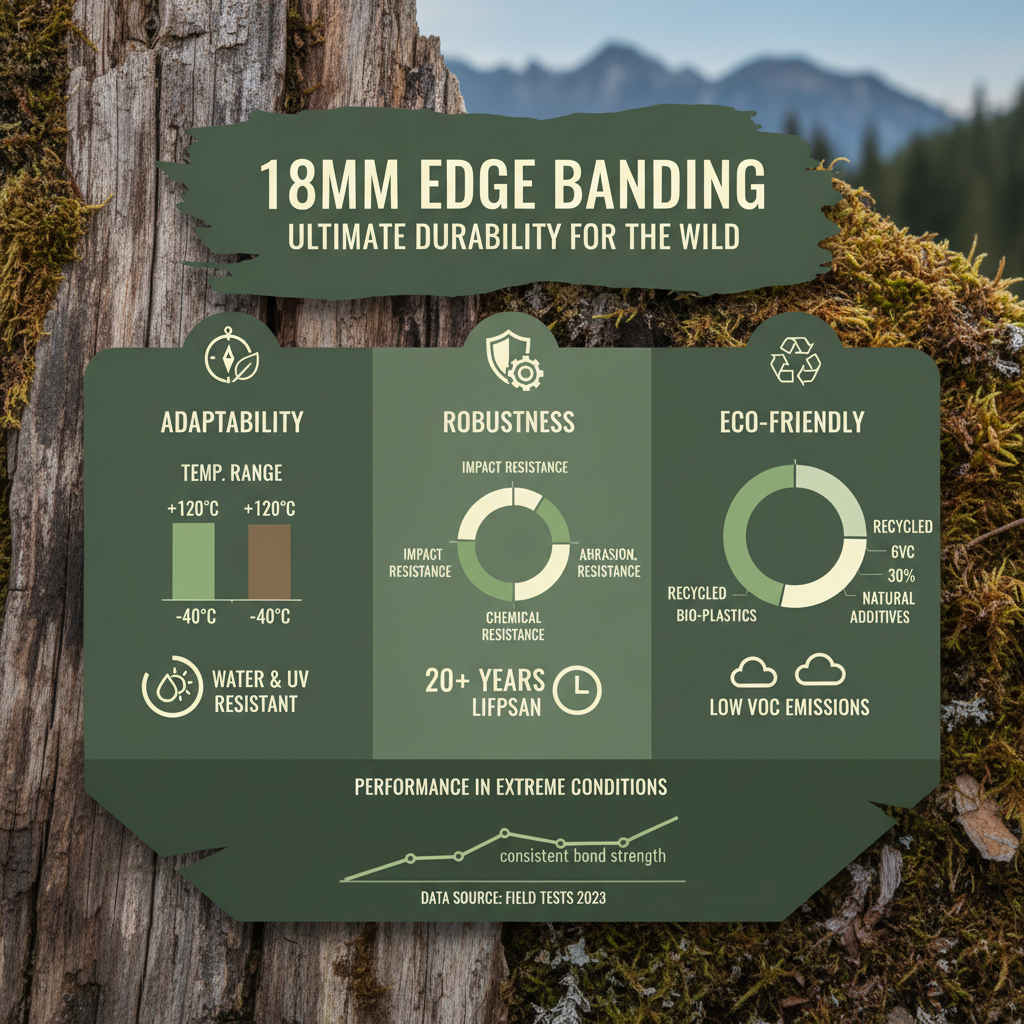
Choosing the Right 18mm Edge Banding: Key Considerations
Selecting the right 18mm edge banding involves considering several factors. First, the substrate material. Different materials require different adhesives and application techniques. Second, the desired aesthetic. Match the color and finish of the edge banding to the substrate for a seamless look. Third, the level of durability required. High-traffic areas may benefit from more durable materials like ABS or Acrylic. Finally, consider your budget and the tools available. QZ Seals can help you navigate these considerations and find the perfect solution for your project.
Conclusion: Achieving Professional Results with 18mm Edge Banding
Investing in high-quality 18mm edge banding is a smart choice for any woodworking project. It provides a professional finish, protects substrate edges, and enhances the overall durability of your creations. With a wide range of materials and application methods available, achieving excellent results is within reach. Choose QZ Seals for reliable products, expert advice, and exceptional service.
Frequently Asked Questions (FAQs)
What is the best material for edge banding a high-use kitchen cabinet?
For high-use kitchen cabinets, ABS or Acrylic edge banding are excellent choices. ABS offers good impact resistance, crucial for handling everyday wear and tear. Acrylic provides a superior high-gloss finish that's also very scratch-resistant. PVC is a more affordable option but may not withstand heavy use as well. Wood veneer, while aesthetically pleasing, is generally not recommended for high-traffic areas due to its vulnerability to moisture and impact. Consider the level of durability needed and the desired aesthetic when making your selection.
Can I apply edge banding without specialized tools?
While specialized tools like edge banders can streamline the process, you can achieve good results with basic tools like an iron, a hot air gun, and a trimming knife. The iron-on method is the most accessible for beginners, but requires practice to avoid overheating or bubbling. A hot air gun provides more control but requires a steady hand. A sharp trimming knife is essential for a clean, professional finish. Investing in a few basic tools can significantly improve the quality of your edge banding application.
How do I choose the right color of edge banding?
The key to choosing the right color is to match it as closely as possible to the substrate. Many suppliers, including QZ Seals, offer color samples to help you find the perfect match. Consider the grain pattern of the substrate if you're using wood veneer edge banding. It's often better to choose a slightly warmer or cooler tone than to have a stark mismatch. Careful color selection will result in a seamless and professional look.
What should I do if my edge banding bubbles after application?
Bubbling often occurs due to uneven heating or insufficient pressure during application. If you encounter bubbling, immediately reapply heat with the iron or hot air gun while applying firm pressure. You can also try using a small roller to press the edge banding firmly onto the substrate. If the bubbles persist, you may need to carefully remove the edge banding and reapply it, ensuring even heating and sufficient pressure. Preventative measures, like preparing the surface properly and using the correct temperature settings, can minimize the risk of bubbling.
-
Understanding e3 edge banding tape price and Value FactorsNewsApr.16,2026
-
Premium Birch Edge Tape Guide for Professional Furniture FinishingNewsApr.09,2026
-
Comprehensive Guide to 2mm Edge Banding Tape for Furniture and CabinetryNewsApr.07,2026
-
Comprehensive Guide to Pre Glued Melamine Edging Applications and InstallationNewsMar.31,2026
-
Comprehensive Guide to Self Adhesive Edge Banding Tape Applications and SelectionNewsMar.28,2026
-
Comprehensive Guide to Wood Veneer Edging Strips for Furniture and Woodworking ProjectsNewsMar.26,2026
-
Comprehensive Guide to Oak Veneer Tape for Woodworking ProjectsNewsMar.24,2026