Comprehensive Guide to Paintable MDF Edging Tape for Professional Results
Understanding Paintable MDF Edging Tape: A Comprehensive Guide
Paintable MDF edging tape is a versatile solution for finishing the exposed edges of Medium-Density Fiberboard (MDF). It allows for a seamless, professional look by creating a smooth surface that can be painted to match your project. This guide will cover the benefits, applications, installation, materials, and where to find high-quality paintable MDF edging tape. Choosing the right edging tape can significantly enhance the appearance and durability of your MDF projects. It’s a cost-effective way to achieve a professional finish.
What is Paintable MDF Edging Tape?
Paintable MDF edging tape, also known as iron-on edging or wood veneer edging, is a thin strip of material designed to cover the raw edges of MDF. Typically made from wood veneer, paper, or PVC, it's coated with a heat-activated adhesive on one side. Once applied using an iron or edge banding machine, the tape provides a clean, finished edge ready for painting, staining, or sealing. The tape's material composition determines its flexibility, durability, and paintability. Different types suit various project needs, from simple DIY projects to high-end furniture manufacturing.
Key Benefit: Seamlessly conceals the core material of MDF, providing a professional and aesthetically pleasing finish.
Types of Paintable MDF Edging Tape
Several types of paintable MDF edging tape cater to different project requirements. Common options include:
- Wood Veneer Edging: Provides a natural wood look and feel. Requires careful painting to match existing wood finishes.
- PVC Edging: Durable, moisture-resistant, and easy to clean. Ideal for high-use surfaces.
- Paper Edging: Cost-effective option suitable for projects where durability is less critical.
- ABS Edging: Offers a good balance of durability and cost-effectiveness.
Installation Techniques for Paintable MDF Edging Tape
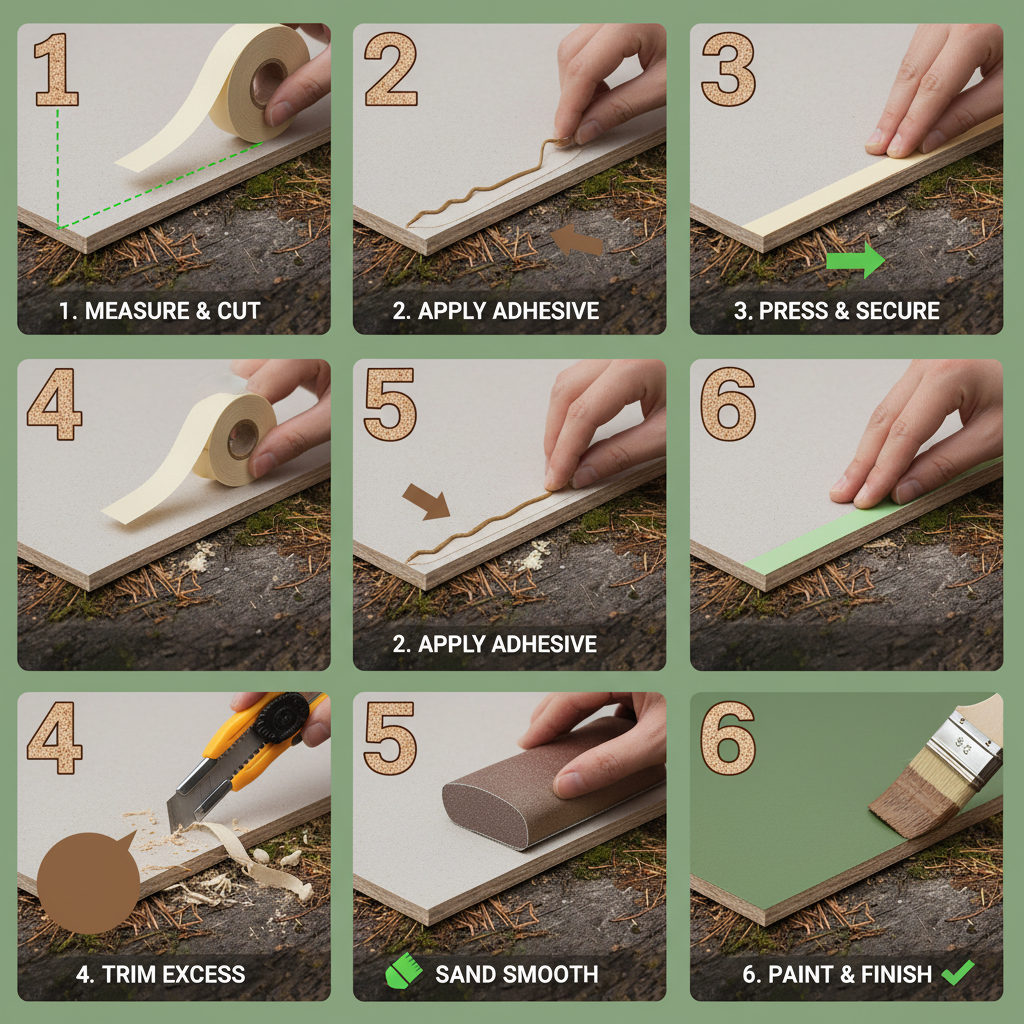
Applying paintable MDF edging tape requires precision and the right tools. The most common methods include:
- Iron-On Method: Suitable for small projects and DIY enthusiasts. Requires a household iron and careful application of heat and pressure.
- Edge Banding Machine: Ideal for large-scale production and ensures consistent, professional results.
- Hot Air Gun: An alternative to an iron, offering more control for intricate shapes.
Proper preparation, including cleaning the MDF edge and ensuring a flat surface, is crucial for successful application. Trimming excess tape and smoothing the edges with a file or sander completes the process.
Comparing Material Options: PVC vs. Wood Veneer
Choosing between PVC and wood veneer edging tape depends on your project's aesthetic and functional requirements. Here's a comparison:
Where to Find High-Quality Paintable MDF Edging Tape
For a wide selection of paintable MDF edging tape, consider QZ Seals. We offer various materials, widths, and colors to suit your specific project needs. We pride ourselves on delivering high-quality products and excellent customer service. Browse our catalog today and find the perfect edging tape to elevate your MDF projects!
Conclusion: Achieving Professional Results with the Right Edging Tape
Choosing the right paintable MDF edging tape and employing the correct installation techniques are essential for achieving a professional and durable finish. Whether you're a DIY enthusiast or a professional woodworker, the right edging tape can transform your MDF projects. Explore the options available at QZ Seals to find the perfect solution for your next project.
Frequently Asked Questions (FAQs)
Can I paint directly onto the edging tape?
Yes, paintable MDF edging tape is specifically designed to be painted. However, it's recommended to lightly sand the surface before painting to ensure better adhesion. Use a primer compatible with the edging tape material (PVC, wood veneer, etc.) for optimal results. Apply multiple thin coats of paint rather than one thick coat to avoid drips and ensure even coverage. Follow the paint manufacturer’s instructions for drying times and application techniques.
What is the best way to trim the excess edging tape?
A sharp utility knife or trimming tool specifically designed for edge banding is recommended. Carefully score the edging tape at a 45-degree angle, following the contour of the MDF. Then, gently snap off the excess tape. For a perfectly flush finish, use a microplane or fine-grit sandpaper to smooth any remaining imperfections. Safety is paramount – always use caution when handling sharp tools.
How do I prevent bubbles when applying the edging tape?
Preventing bubbles requires even heat distribution and consistent pressure. When using an iron, move it slowly and steadily along the tape, applying firm pressure. For edge banding machines, ensure the temperature and feed rate are properly adjusted. Working in small sections and using a roller or smoothing tool to press the tape firmly onto the MDF can also help eliminate air pockets. If bubbles do appear, try reheating the area and applying more pressure.
Is paintable MDF edging tape suitable for outdoor projects?
While some edging tapes offer better moisture resistance than others, paintable MDF edging tape is generally not recommended for prolonged outdoor exposure. MDF itself is susceptible to moisture damage, and even with edging tape, it may warp or deteriorate over time. For outdoor projects, consider using waterproof materials or applying a robust sealant to protect the edges.
-
Understanding e3 edge banding tape price and Value FactorsNewsApr.16,2026
-
Premium Birch Edge Tape Guide for Professional Furniture FinishingNewsApr.09,2026
-
Comprehensive Guide to 2mm Edge Banding Tape for Furniture and CabinetryNewsApr.07,2026
-
Comprehensive Guide to Choosing the Right 18mm Edge Banding for Your ProjectsNewsApr.04,2026
-
Comprehensive Guide to Pre Glued Melamine Edging Applications and InstallationNewsMar.31,2026
-
Comprehensive Guide to Self Adhesive Edge Banding Tape Applications and SelectionNewsMar.28,2026
-
Comprehensive Guide to Wood Veneer Edging Strips for Furniture and Woodworking ProjectsNewsMar.26,2026