Anti Slip Stair Strips: Durable, Easy Install—Why Us?
A field-tested buyer’s guide to anti slip stair strips
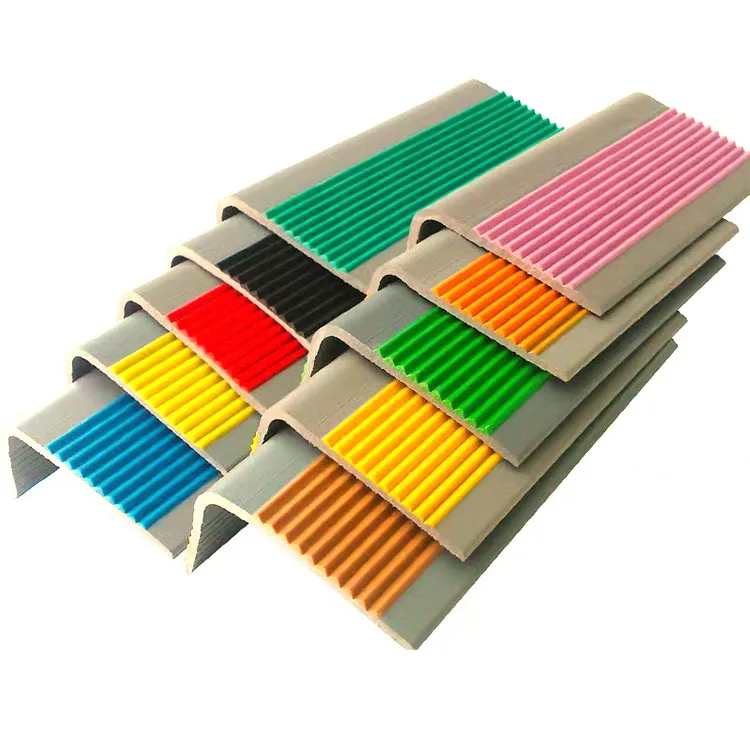
If you’ve ever watched a wet lobby turn into a skating rink, you know why facility managers obsess over stair safety. I’ve toured plants, schools, and boutique hotels where one small strip on a step changed the whole liability picture. The Hebei-made Plastic Rubber Stair Nose Edge Trim I saw on a recent factory visit felt solid—simple profile, but smart details. And yes, I’ll get technical because the devil (and the claims file) is in the details.
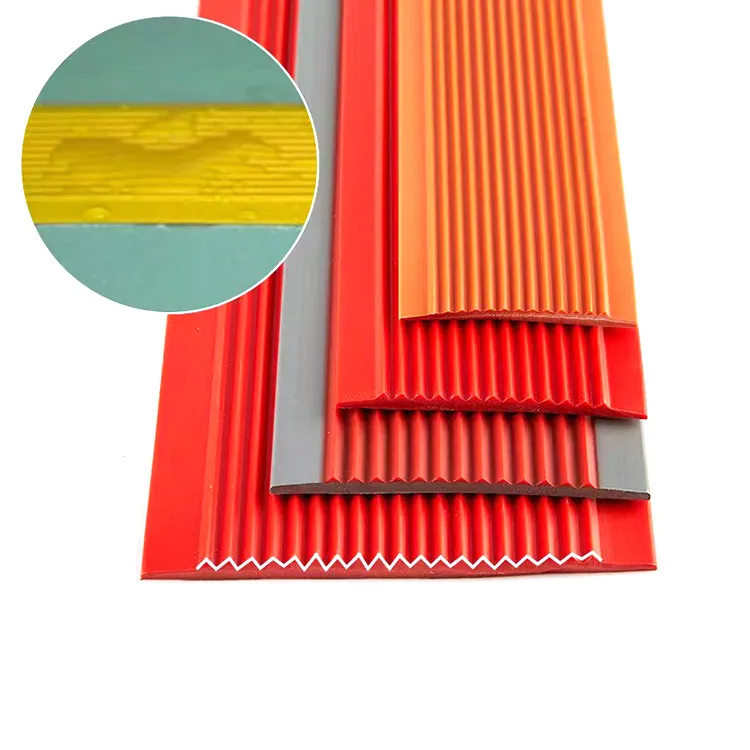
What’s trending (and why it matters)
Industry trendlines point to co-extruded PVC/TPE noses with EPDM or textured PVC inserts, higher wet pendulum values, and cleaner installs (fewer mechanical fixings). In schools and transit hubs, many buyers ask for RoHS/REACH compliance and documented slip testing. Surprisingly, color contrast (think safety yellow) is quoted almost as much as texture these days—visibility reduces mis-steps.
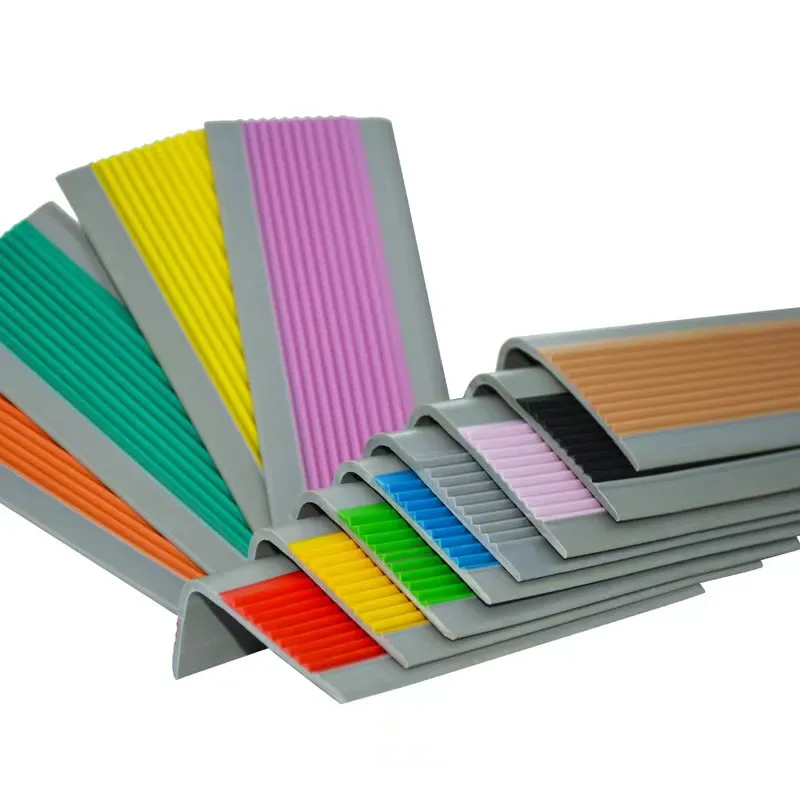
Key specifications (real-world, not brochure fluff)
| Product name | Plastic Rubber Stair Nose Edge Trim – Guard for School & Home |
| Base material | PVC or TPE body with EPDM/PVC anti-slip insert |
| Hardness | Shore A ≈ 70±5 (ASTM D2240) |
| Dimensions | Typical 30–50 mm tread cover, 10–20 mm riser lip (customizable) |
| Slip performance | Pendulum PTV (wet) ≈ 45–55 per ASTM E303 / ISO 13036-4; DIN 51130 target R10–R11 |
| Temperature | -20°C to +70°C (real-world use may vary) |
| Install | High-tack construction adhesive + optional countersunk screws |
| Service life | ≈5–8 years indoor; ≈3–5 years high-traffic outdoor |
| Certs (typical) | RoHS/REACH, factory ISO 9001; test reports on request |
Origin story: manufactured in Wangshigong Industrial Zone, Wei County, Xingtai City, Hebei Province by a plant known for automotive sealing strips, food-grade silicone hoses, and custom rubber/plastic profiles. That breadth helps when you need odd sizes or color matching.
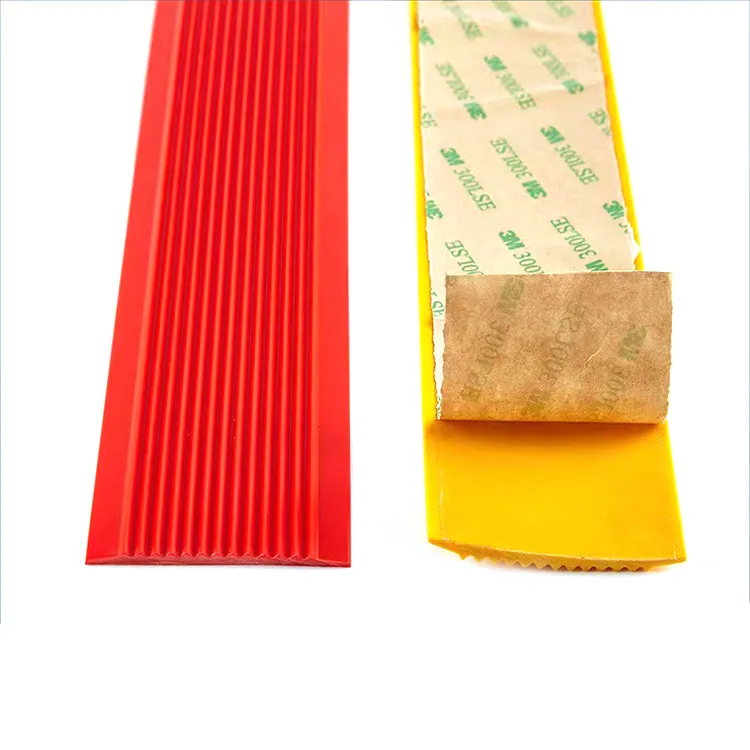
Process flow and testing
Materials: PVC/TPE granules and EPDM inserts. Methods: co-extrusion, cooling, precision cutting, optional punching, and color striping. QC: durometer (ASTM D2240), tensile/elongation (ASTM D412), slip resistance (ASTM E303 or ISO 13036-4 pendulum), and visual contrast checks. To be honest, the pendulum number is what your risk team will ask first.
Where they’re used
Schools, transit stations, hospitals, hotels, retail, light-industry platforms, and, yes, home renovations. Many customers say the quick win is on exterior concrete stairs leading from parking to lobby—rain hits, slips drop.
Vendor comparison (what I look for)
| Vendor | Strengths | Notes |
|---|---|---|
| QZ Seals (Hebei) | Custom profiles, consistent hardness, quick color runs | Factory origin transparent; good for scaled rollouts |
| Generic importer | Low MOQ, mixed brands | Specs vary; verify slip test reports |
| Local fabricator | Fast lead times, onsite support | Higher unit cost; limited color library |
Customization and install tips
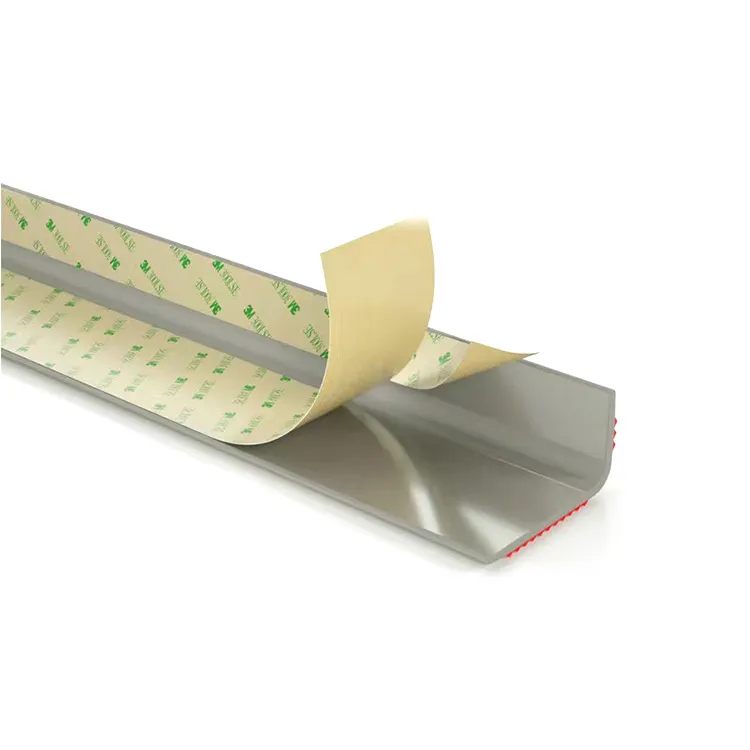
Color contrast (black/yellow), pre-drilled holes, adhesive pre-applied tape, and radius corners are common tweaks. For concrete, lightly grind, degrease, dry-fit, then bond; for wood, pre-drill and use countersunk screws plus adhesive. For high-traffic stations, I guess a mechanical fixing every ≈300 mm still pays off.
Mini case notes
A public high school retrofitted 220 steps with anti slip stair strips in yellow/black; wet PTV improved from 32 to 52 (independent pendulum test), and incident reports dropped to zero in one rainy semester. In a small hotel, anti slip stair strips blended with walnut treads using a bronze tone—maintenance said cleaning took “no extra time,” which is rare praise. For a food facility, anti slip stair strips with EPDM inserts held up to sanitizers better than grit tape.
Bottom line: if you want fast risk reduction without redesigning stair geometry, anti slip stair strips are the practical move. Just get the test data and confirm the substrate prep plan.
References
- OSHA 29 CFR 1910 Subpart D – Walking-Working Surfaces [1]
- ASTM E303 – Standard Test Method for Measuring Surface Frictional Properties Using the British Pendulum Tester [2]
- ISO 13036-4:2017 – Measurement of pavement surface macrotexture and skid resistance, Part 4 (Pendulum) [3]
- DIN 51130 – Testing of floor coverings; determination of slip resistance [4]
[1] https://www.osha.gov/laws-regs/regulations/standardnumber/1910
[2] https://www.astm.org/e0303-22.html
[3] https://www.iso.org/standard/65474.html
[4] https://www.din.de/en/getting-involved/standards-committees/na-054/din-51130-25691
-
Understanding e3 edge banding tape price and Value FactorsNewsApr.16,2026
-
Premium Birch Edge Tape Guide for Professional Furniture FinishingNewsApr.09,2026
-
Comprehensive Guide to 2mm Edge Banding Tape for Furniture and CabinetryNewsApr.07,2026
-
Comprehensive Guide to Choosing the Right 18mm Edge Banding for Your ProjectsNewsApr.04,2026
-
Comprehensive Guide to Pre Glued Melamine Edging Applications and InstallationNewsMar.31,2026
-
Comprehensive Guide to Self Adhesive Edge Banding Tape Applications and SelectionNewsMar.28,2026
-
Comprehensive Guide to Wood Veneer Edging Strips for Furniture and Woodworking ProjectsNewsMar.26,2026