Anti Slip Stair Strips: Safer Steps, Durable, Easy Install?
Anti-Slip Stair Strips: What’s New, What Works, and What to Buy
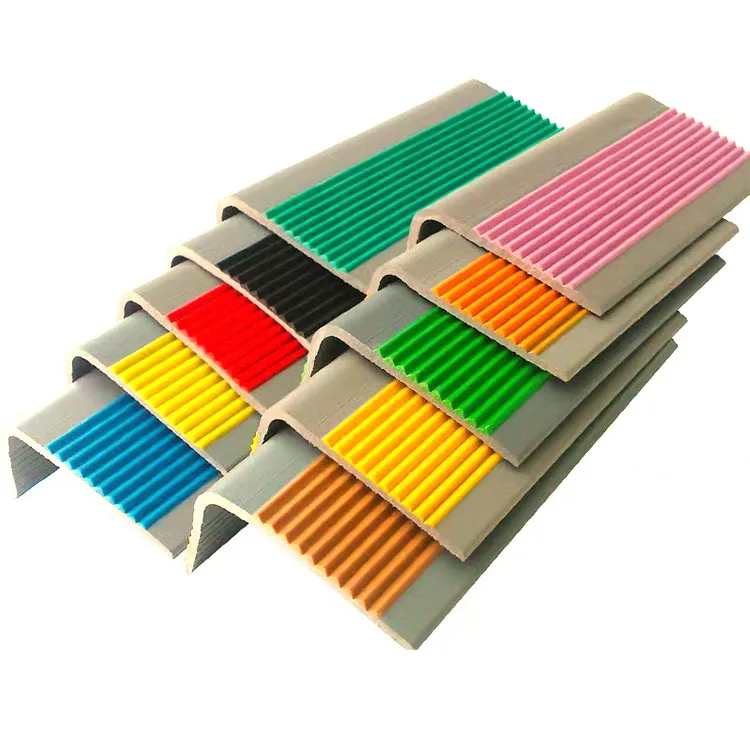
If you’ve ever tiptoed down a wet stair in bad shoes (we all have), you’ll appreciate how far the humble anti slip stair strips have come. The product I’ve been tracking lately is the Plastic Rubber Stair Nose Edge Trim—built for schools and homes, but honestly tough enough for light commercial areas too.
Industry pulse
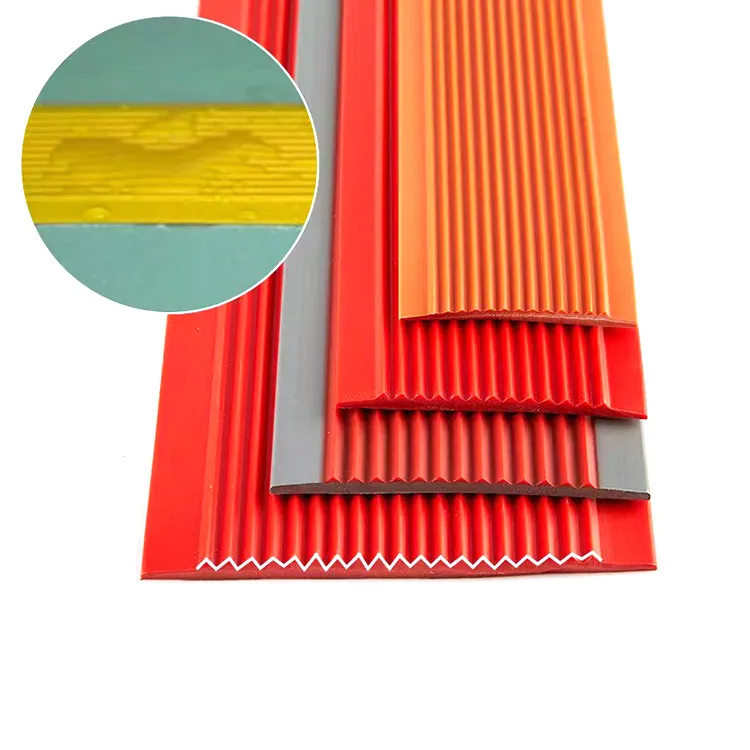
Three trends keep coming up in facility meetings: retrofits for aging buildings, brighter visual contrast for mixed-ability users, and greener compounds. In fact, many customers say they want low-VOC elastomers and color-fast pigments that don’t fade after one season of UV. It seems that co-extruded safety yellow noses are becoming the norm, not the exception.
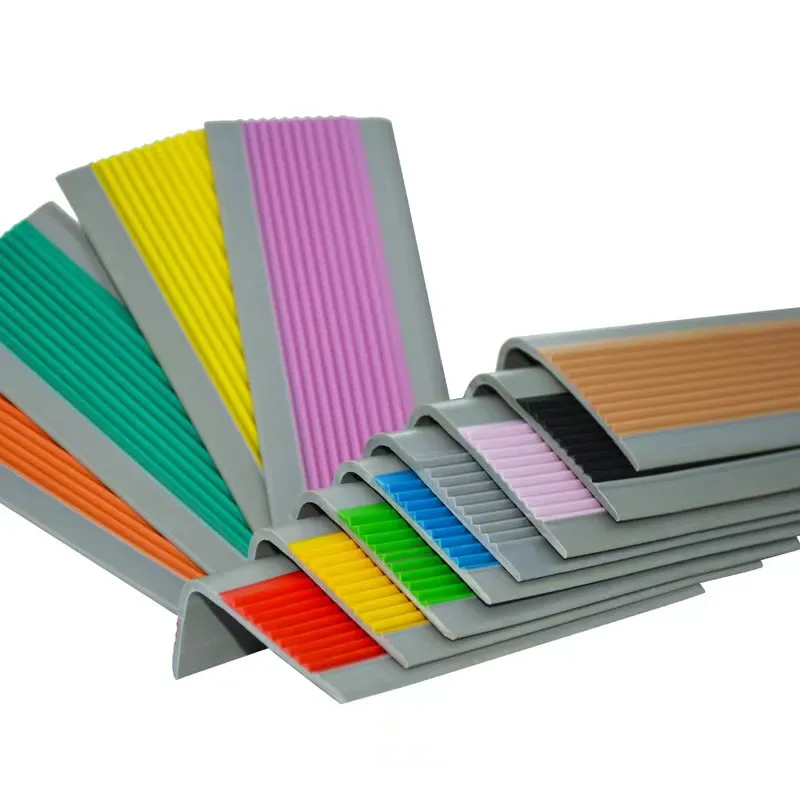
Product snapshot: Plastic Rubber Stair Nose Edge Trim
Made in Wangshigong Industrial Zone, Wei County, Xingtai City, Hebei Province, the factory behind this trim also produces automotive sealing strips and food‑grade silicone hoses, which tells you something about process discipline.
| Spec | Detail (≈ real-world values) |
|---|---|
| Base material | PVC/TPE or EPDM blend, ribbed anti-slip profile |
| Durometer | Shore A 70±5 (ASTM D2240) |
| Coefficient of friction | Dry ≥0.8; Wet ≥0.6 (BS 7976 pendulum, typical R11–R12) |
| Dimensions | Nose width ≈ 30–45 mm; tread cover ≈ 40–70 mm; cut-to-length |
| Install methods | Adhesive bed + screws (pre-drilled); fits concrete, wood, tile |
| Service life | Indoor 6–10 yrs; Outdoor 3–6 yrs with UV stabilizer (≈) |
| Standards touchpoints | ASTM D2240, ASTM D638, BS 7976, DIN 51130, RoHS/REACH compliant |
How it’s made (briefly)
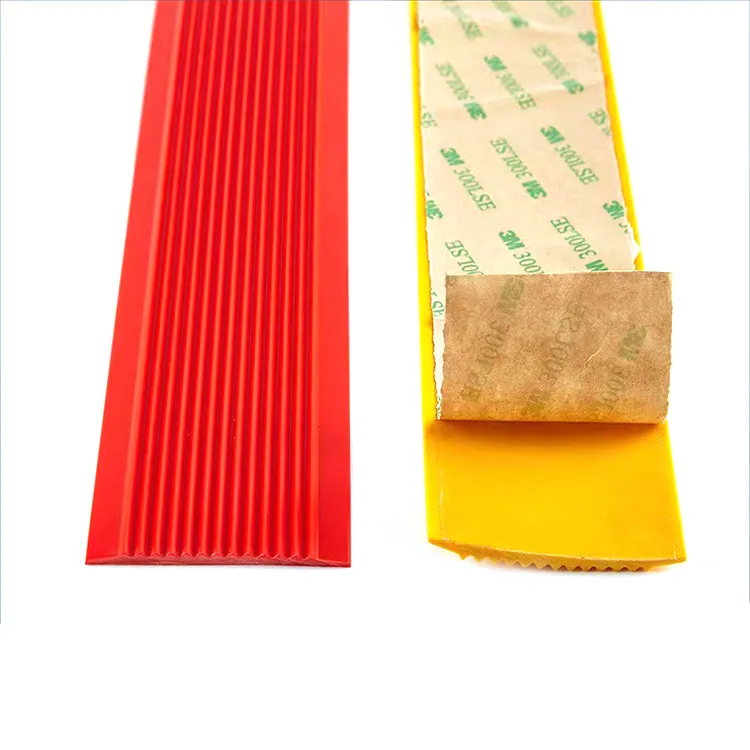
Material compounding → precision extrusion with ribbed surface → optional co-extruded high-contrast nose → cooling and cut-to-length → pre-drill/countersink → QC. Testing covers durometer, tensile (ASTM D638), dimensions, and slip testing (BS 7976 pendulum). To be honest, the better factories also run UV and freeze–thaw cycles because stairs live tough lives.
Where it shines
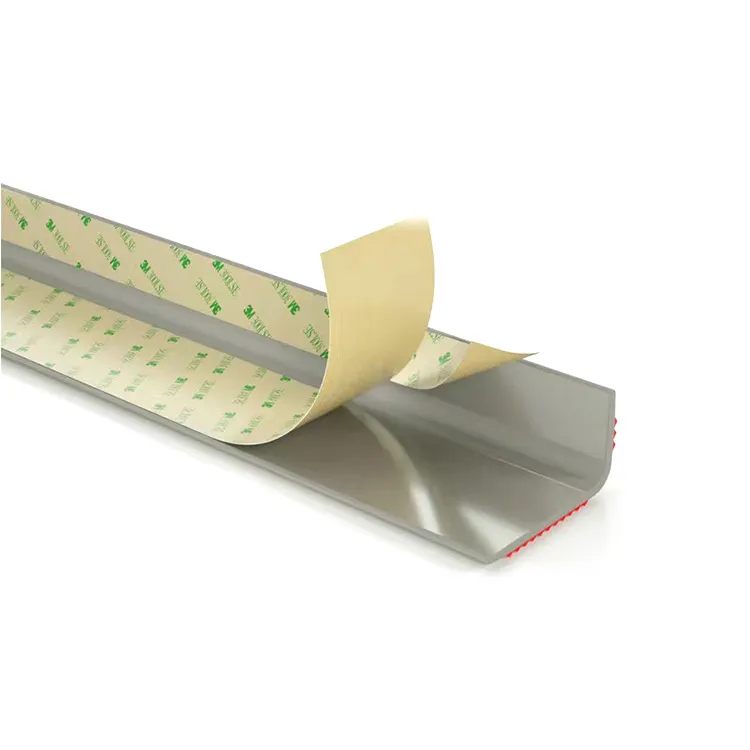
Schools and campuses, clinics, transport hubs, apartment blocks, light industrial catwalks, and, yes, busy homes with kids and pets. Advantages: impact protection for stair edges, extra grip in rain, visual cueing, and a bit of noise damping. Many facilities teams like that anti slip stair strips can be replaced per step—no tearing out the whole flight.
Customization
Color-matched NCS/RAL (safety yellow, hazard black), photoluminescent insert for egress, logo emboss, anti-microbial additive, and adhesive pre-backings. MOQs are reasonable, which helps for staggered retrofits. In real-world use, custom lengths cut install time by ≈20–30%.
Vendor comparison (quick glance)
| Vendor | Slip Rating | Certs | Customization | Lead Time |
|---|---|---|---|---|
| QZ Seals (Hebei) | R11–R12 (BS 7976 data on file) | ISO 9001, RoHS/REACH | High (colors, lengths, inserts) | ≈10–20 days |
| Generic Importer | R10 (varies) | Basic CoC | Low | ≈25–35 days |
| BigBox Brand | R11 (published) | UL-listed components | Medium (limited colors) | In-stock/fast |
Field notes and results
Case 1: A district school retrofit (≈1,200 steps) paired ribbed noses with hazard-yellow fronts; reported slip incidents dropped by 63% over the next academic year. Case 2: A coastal apartment block chose UV-stabilized profiles; maintenance says replacements fell from yearly to every 3–4 years. Feedback? “Feels grippy in rain,” one manager told me; another liked that anti slip stair strips create a neat, finished edge even on chipped treads.
Installation tips
- Dry-fit first; keep the nose flush to avoid toe-catch.
- Use hybrid adhesive + stainless screws for high-traffic zones.
- Aim for contrast LRV ≥30% for visibility; it helps more than you think.
- Re-test slip resistance annually; wet pendulum is practical.
Bottom line: for busy facilities, anti slip stair strips are low-cost insurance that also looks tidy. When you can combine grip, edge protection, and visibility, it’s a win.
Authoritative references
- OSHA 29 CFR 1910 Subpart D – Walking-Working Surfaces.
- BS 7976-2: Pendulum test method for floor slip resistance.
- DIN 51130: Classification of floor coverings by R rating.
- ASTM D2240: Standard Test Method for Rubber Property—Durometer Hardness.
- ISO 9001: Quality management systems—Requirements.
-
Understanding e3 edge banding tape price and Value FactorsNewsApr.16,2026
-
Premium Birch Edge Tape Guide for Professional Furniture FinishingNewsApr.09,2026
-
Comprehensive Guide to 2mm Edge Banding Tape for Furniture and CabinetryNewsApr.07,2026
-
Comprehensive Guide to Choosing the Right 18mm Edge Banding for Your ProjectsNewsApr.04,2026
-
Comprehensive Guide to Pre Glued Melamine Edging Applications and InstallationNewsMar.31,2026
-
Comprehensive Guide to Self Adhesive Edge Banding Tape Applications and SelectionNewsMar.28,2026
-
Comprehensive Guide to Wood Veneer Edging Strips for Furniture and Woodworking ProjectsNewsMar.26,2026