Comprehensive Guide to Wood Veneer Edging Tape Applications and Selection
Understanding Wood Veneer Edging Tape: A Comprehensive Guide
Wood veneer edging tape is a crucial component in furniture manufacturing, woodworking projects, and interior design. It provides a seamless and aesthetically pleasing finish to exposed edges of wood panels, plywood, particleboard, and MDF. This article will explore the types, applications, benefits, and installation techniques of wood veneer edging tape, providing valuable insights for both professionals and DIY enthusiasts. Choosing the right edging tape can significantly impact the overall quality and appearance of your project.
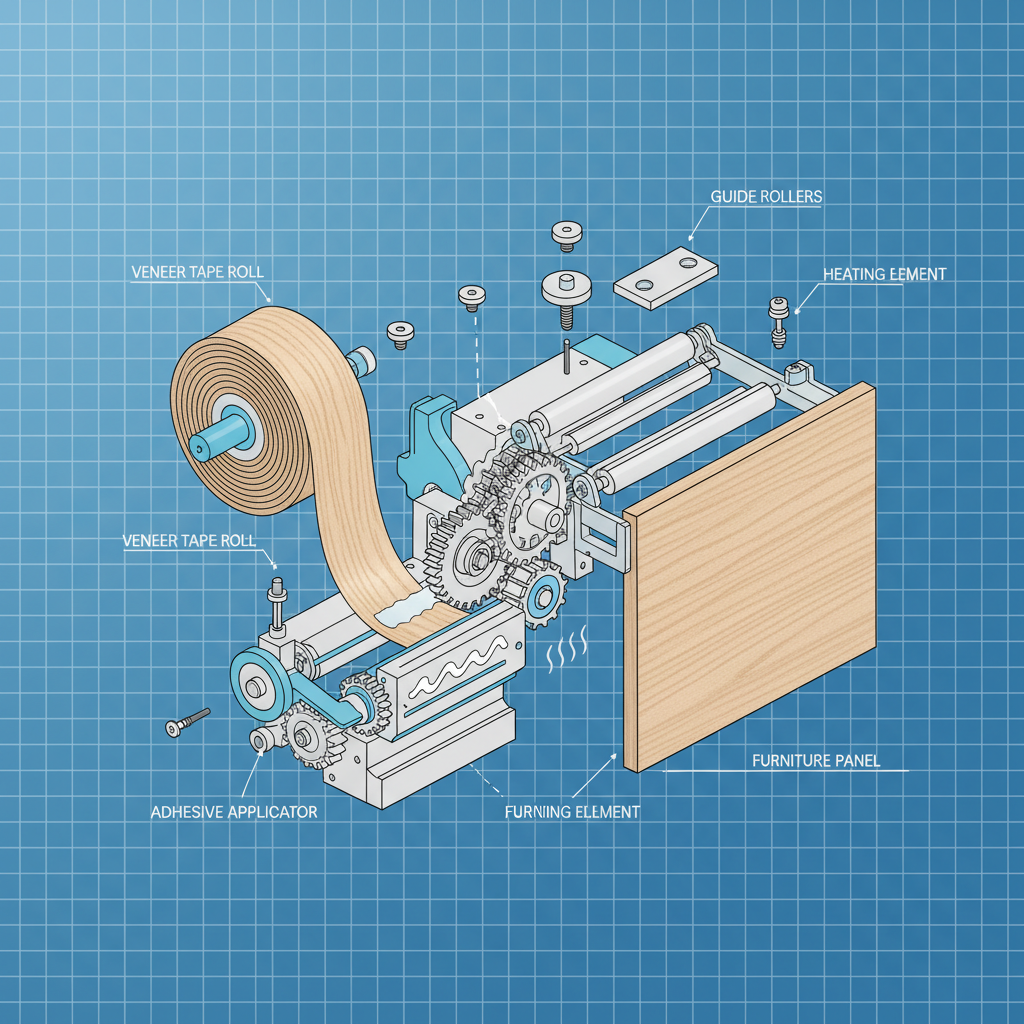
Types of Wood Veneer Edging Tape
Wood veneer edging tape isn't a one-size-fits-all product. It comes in several types, each offering unique characteristics and suited to specific applications. The most common types include: Natural Wood Veneer Edging - made from thin slices of real wood, offering the most authentic look and feel. Reconstituted Veneer Edging – created by dyeing and reassembling wood fibers, providing a cost-effective alternative to natural veneer. PVC Edging - a synthetic option offering high durability and water resistance. ABS Edging - another plastic option known for its impact resistance and ease of processing. Laser Edging - a relatively new technique where the veneer is applied using a laser, creating a virtually seamless edge. Understanding these differences is key to selecting the right tape for your project.
Key Highlights: Choose the right tape based on the desired aesthetic, budget, durability requirements, and the substrate material.
Applications of Wood Veneer Edging Tape
The versatility of wood veneer edging tape extends across numerous industries and applications. In furniture manufacturing, it’s used to finish the edges of cabinets, tables, chairs, and shelves, providing a polished and professional look. Interior design projects utilize it for wall panels, doors, and decorative elements. DIY woodworking projects like building custom furniture or renovating existing pieces benefit greatly from the use of edging tape. It's also commonly found in kitchen renovations, bathroom upgrades, and commercial fit-outs. The use of wood veneer edging tape elevates the appearance and longevity of these projects.
Application Benefits:
• Provides a finished, professional look
• Protects exposed edges from damage
• Conceals substrate material
• Enhances the overall aesthetic of projects
Choosing the Right Wood Veneer Edging Tape
Selecting the optimal wood veneer edging tape requires considering several factors. First, match the wood species and grain pattern of the edging to the substrate material for a seamless appearance. Next, consider the application environment. For areas exposed to moisture, PVC or ABS edging might be more suitable. Thickness is also crucial – the edging should match the thickness of the substrate. Finally, budget plays a role - natural wood veneer is typically more expensive than reconstituted or synthetic options. Careful consideration of these factors will ensure you achieve a professional and long-lasting result.
Installation Techniques for Wood Veneer Edging Tape
Proper installation is critical for a successful finish. The most common methods include: Iron-on application – uses heat to activate the adhesive on the tape. Hot air gun application - provides more controlled heating for delicate veneers. Adhesive application – applying contact adhesive to both the edge of the substrate and the tape. It's important to clean the edges thoroughly before applying the tape and to trim any excess material for a clean, professional look. Using a specialized trimmer ensures a smooth, precise cut. For complex curves, pre-bending the tape can help achieve a better fit.
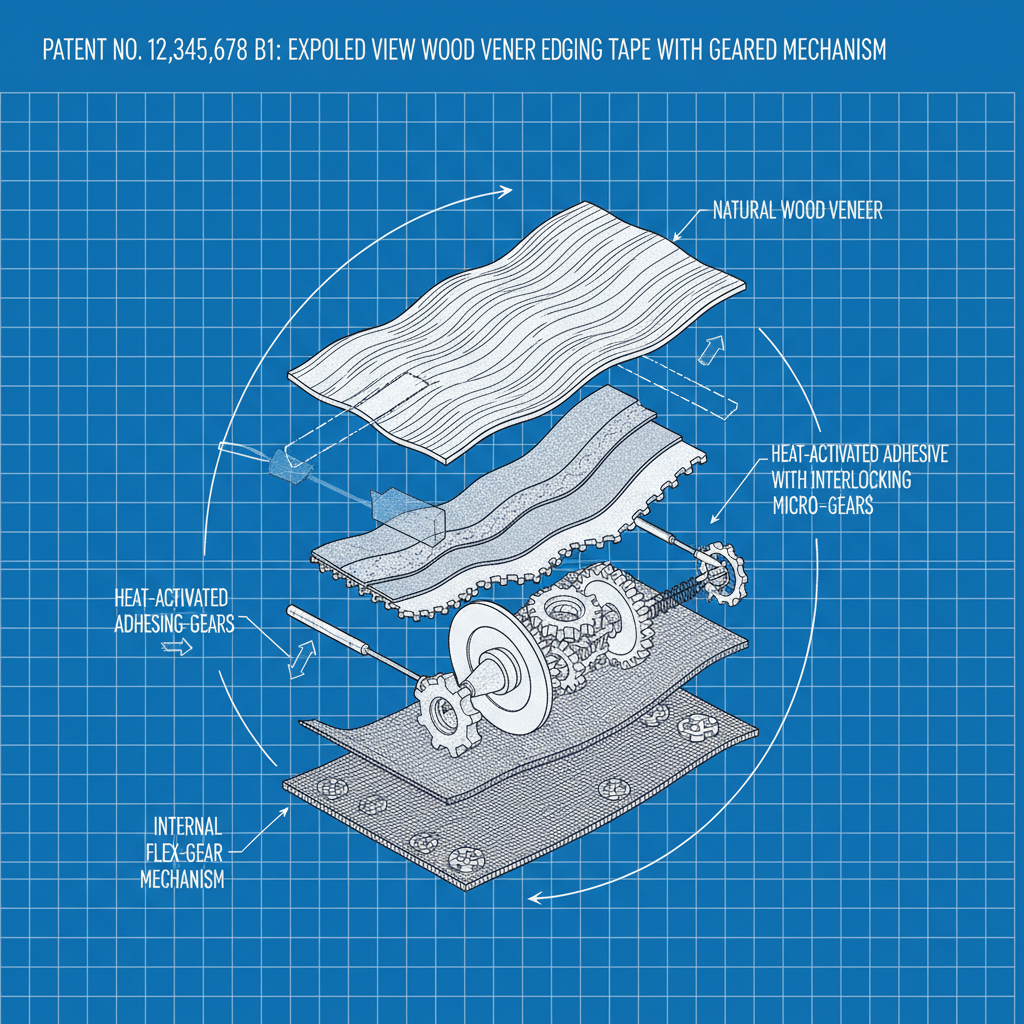
Sourcing Quality Wood Veneer Edging Tape
When sourcing wood veneer edging tape, prioritize quality and reliability. Look for suppliers offering a wide selection of wood species, thicknesses, and finishes. QZ Seals is a trusted provider of high-quality wood veneer edging tape, offering a comprehensive range of products to meet diverse project needs. Check customer reviews and ensure the supplier offers excellent customer support. Investing in high-quality tape will save you time and effort in the long run, resulting in a professional and lasting finish.
Conclusion: Elevating Your Projects with the Right Edging Tape
Choosing the correct wood veneer edging tape is essential for achieving professional results in your woodworking and furniture projects. By understanding the different types, applications, and installation techniques, you can enhance the beauty and durability of your creations. Don't compromise on quality – invest in reliable tape from a trusted supplier like QZ Seals to ensure a flawless finish.
Frequently Asked Questions (FAQs)
What is the best way to clean wood veneer edging tape?
The best way to clean wood veneer edging tape depends on the finish. For natural wood veneer, use a soft, damp cloth and mild soap. Avoid abrasive cleaners or excessive moisture. For PVC or ABS edging, you can use a slightly stronger cleaner, but always test it in an inconspicuous area first. Regularly dusting the edging will help prevent buildup and maintain its appearance. Avoid harsh chemicals, as these can damage the finish.
Can wood veneer edging tape be used on curved surfaces?
Yes, wood veneer edging tape can be used on curved surfaces, but it requires more skill and preparation. Thinner, more flexible tapes are easier to work with on curves. Pre-bending the tape slightly before application can help it conform to the shape. Using a hot air gun can also help soften the tape and make it more pliable. Consider using a specialized trimmer designed for curved edges to ensure a clean and seamless finish.
What are the advantages of using laser edging?
Laser edging offers a virtually seamless finish, as the veneer is fused directly to the substrate using a laser. This eliminates the visible seam often associated with traditional edging tapes. It also provides superior durability and water resistance. While laser edging requires specialized equipment, it results in a high-quality, professional-looking edge that is ideal for high-end furniture and cabinetry.
How do I prevent bubbles when applying wood veneer edging tape?
Preventing bubbles requires careful preparation and application. Ensure the substrate edge is clean, smooth, and free of dust. Apply even pressure when ironing or using a hot air gun to activate the adhesive. Start at one end and work your way across, gradually smoothing out the tape. If bubbles do appear, carefully reheat the area and press firmly with a smooth, hard object, such as a roller or a clean cloth.
-
Understanding e3 edge banding tape price and Value FactorsNewsApr.16,2026
-
Premium Birch Edge Tape Guide for Professional Furniture FinishingNewsApr.09,2026
-
Comprehensive Guide to 2mm Edge Banding Tape for Furniture and CabinetryNewsApr.07,2026
-
Comprehensive Guide to Choosing the Right 18mm Edge Banding for Your ProjectsNewsApr.04,2026
-
Comprehensive Guide to Pre Glued Melamine Edging Applications and InstallationNewsMar.31,2026
-
Comprehensive Guide to Self Adhesive Edge Banding Tape Applications and SelectionNewsMar.28,2026
-
Comprehensive Guide to Wood Veneer Edging Strips for Furniture and Woodworking ProjectsNewsMar.26,2026