Look, I’ve been traipsing around construction sites for fifteen years, getting dust in my teeth and smelling concrete all day. You see a lot, learn a lot. Lately, everyone’s obsessed with energy efficiency, right? It's all anyone talks about. And a big part of that, surprisingly, comes down to something simple: stopping drafts. That's where these under door draft stoppers come in. It’s not glamorous, but honestly, it’s critical. A lot of heat—and money—goes right out the door if you don’t seal it up.
To be honest, you wouldn’t believe how many people underestimate drafts. They think, "Oh, it's just a little breeze." But over a year? Over an entire building? It adds up. And the tricky part is, it’s not always obvious where the drafts are coming from. You think you’ve got a good seal, then you walk around with a smoke stick and…boom, gaps everywhere. It’s a constant battle.
It's funny, because it seems simple enough—just a strip of material under the door—but getting it right? That’s the hard part. I've seen everything from flimsy foam things that compress after a week to overly complicated mechanical contraptions that just break. You really start to notice the details after a while.

The Current Landscape of Under Door Draft Stoppers
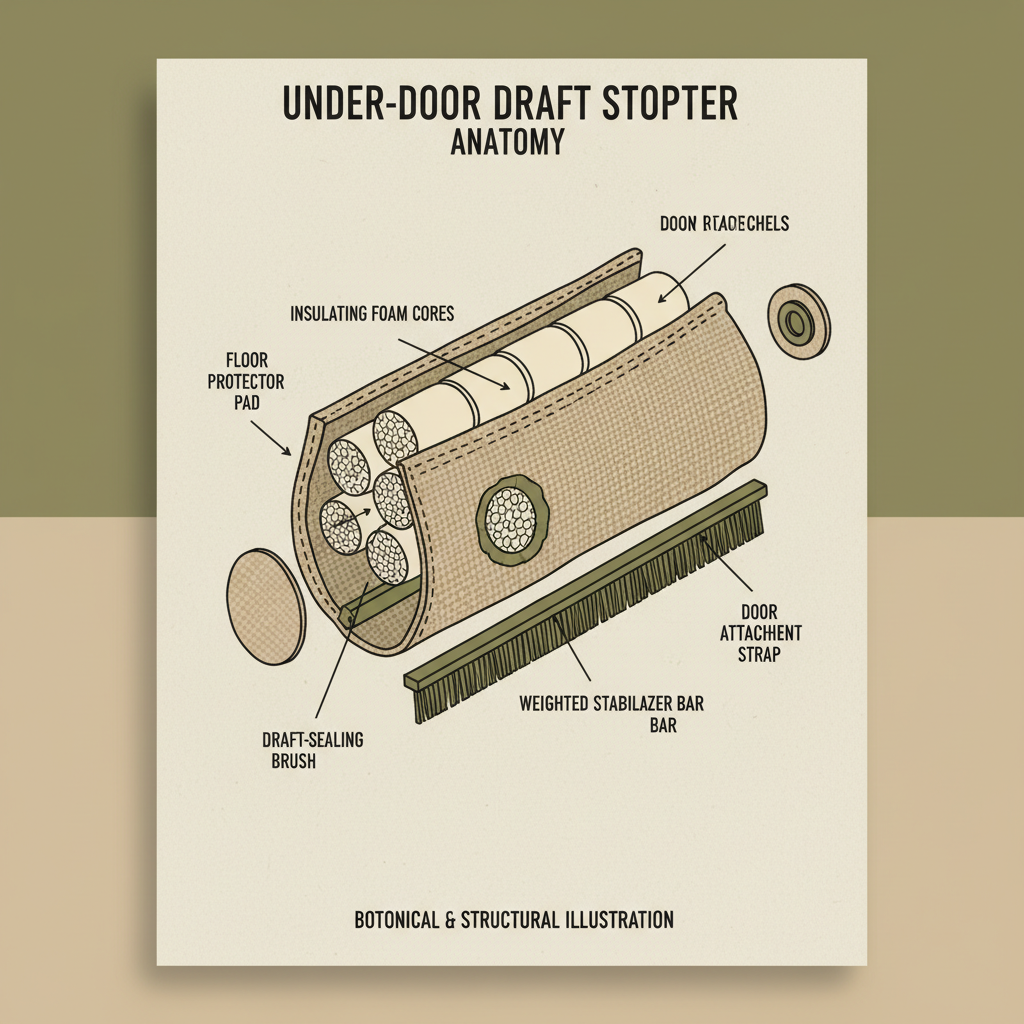
Have you noticed how everything's going modular these days? Prefabricated walls, pre-assembled sections…it’s the same with draft stoppers. You’re seeing more and more that are integrated into door systems, rather than being an afterthought. It's about thinking holistically about the building envelope. It's not just about a strip of rubber; it's about the whole door, the frame, the threshold. And, weirdly, there's a growing market for high-end, aesthetically-pleasing draft stoppers. People want them to look good, not just work good.
I encountered this at a fancy hotel construction site last time. They insisted on a brushed stainless steel finish. Stainless steel! For a draft stopper. It was overkill, honestly, but the architect was adamant. It shows you how much the visual aspect matters to some clients.
FAQS
Honestly, it depends on the material and how much abuse it takes. Foam ones might last a season, maybe two. Rubber ones, if treated well, can go for years. It really depends on foot traffic, weather exposure, and whether people are constantly tripping over them. I've seen some worn out in months, and others going strong after five years. The key is monitoring them and replacing when they become compressed or damaged.
That’s a good question. Sometimes, you’re paying for aesthetics more than performance. If you need something heavy-duty that can withstand a lot of wear and tear, a more expensive, well-made rubber or composite stopper is a good investment. But if you just need something basic for a low-traffic area, a cheaper foam stopper might be perfectly adequate. Don't fall for the marketing hype!
Make sure the area under the door is clean and dry. Cut the stopper to the correct length – you want a snug fit, but not so tight that it drags on the floor. Some have adhesive backing; others just rely on their weight. The key is to ensure there are no gaps around the edges. A little silicone sealant can help if needed.
It's tricky. If the gap is significant, a standard draft stopper won’t be effective. You'll need to address the threshold first – either by adjusting it or using a threshold seal. A draft stopper can then help fill smaller gaps and provide an extra layer of protection. Don't expect a miracle, though!
That's a tough one. Automatic door closers can create a lot of pressure. You need a stopper that's flexible enough to compress without being damaged, but firm enough to still create a seal. The silicone ones tend to work best in those situations. But you might have to experiment to find the right fit.
Surprisingly important! Especially in commercial settings. You want it to blend in with the surroundings, so it doesn't look out of place. Some clients are very particular about this. We've had requests for custom colors to match specific paint schemes. It's a small detail, but it can make a big difference.
Conclusion
So, there you have it. Under door draft stoppers – not the most exciting topic in the world, but a surprisingly important one. They're a small investment that can make a big difference in energy efficiency, comfort, and even noise reduction. They’re not a magic bullet, but they're a valuable tool in the fight against drafts.
Ultimately, whether this thing works or not, the worker will know the moment he tightens the screw. Don’t overthink it. Choose a durable material, get a good fit, and keep an eye on it. And remember, a simple solution is often the best solution. That's what I've learned after all these years on the jobsite.