Corner Protector: Safe, Durable, Easy-Install Table Guards
Baby Proofing Edge Corner Protector 2m Soft Rubber: Field Notes, Specs, and What Buyers Really Ask
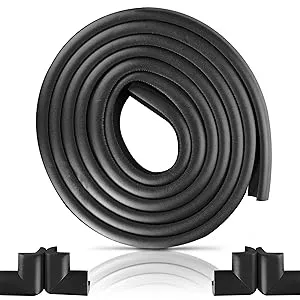
If you’ve ever watched a toddler navigate a coffee table like it’s a slalom course, you understand why a corner protector moved from “nice-to-have” to “non‑negotiable” in so many homes and daycares. To be honest, I didn’t fully appreciate the category until I toured a plant in Wangshigong Industrial Zone, Wei County, Xingtai City, Hebei Province—the production pace, the foam chemistry, the QC cadence. Turns out, small details matter.
What’s trending (and why it matters)
Industry-wide, buyers favor soft NBR foam with reliable adhesion and low-VOC claims. Sustainability is inching forward (recycled fillers, solvent‑free adhesives), but safety certifications still drive the purchase: EN 71-3, REACH, RoHS, and—when exported to North America—CPSIA. The Hangyun HYCG-001 sits in that sweet spot: practical, customizable, and yes, surprisingly durable for daily bumps.
Product snapshot
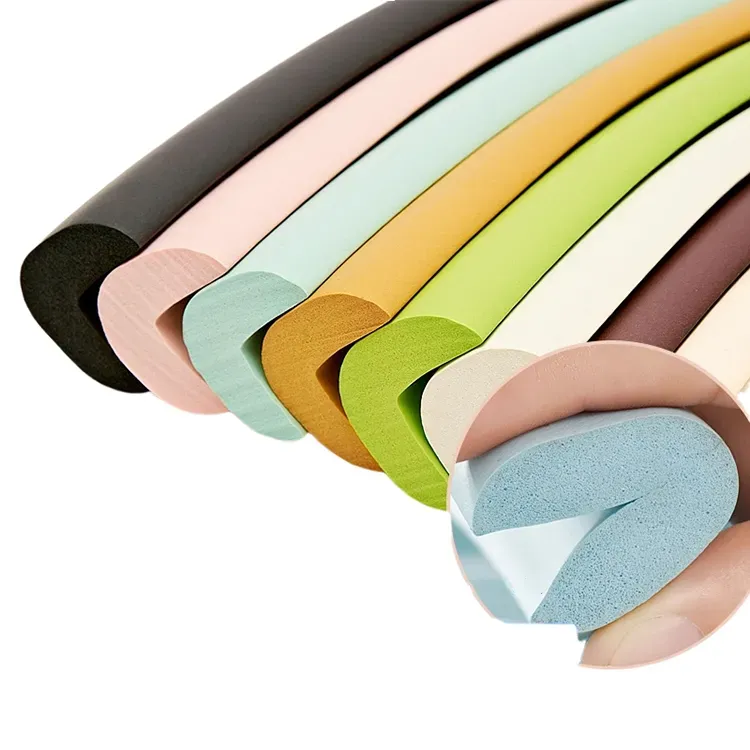
Brand: Hangyun | Model: HYCG-001 | Shapes: U / W / L | Length: 2 m per roll (or custom) | Material: NBR foam | Colors: Black, Green, Brown, Pink, etc. Many customers say the tape’s “stick-and-stay” is the deal-maker; I’d agree—prep the surface well and it behaves.
| Spec | Detail (≈, real‑world may vary) |
|---|---|
| Material | NBR closed‑cell foam, child‑safe formulation |
| Density | ≈ 80–120 kg/m³ (ISO 845) |
| Hardness | Shore OO ≈ 40–60 (soft impact absorption) |
| Adhesive | Acrylic PSA, liner-backed; peel-and-stick |
| Temp range | -20°C to +90°C typical indoor |
| Compliance | Designed to meet EN 71-3, REACH SVHC, RoHS; docs on request |
| Service life | Around 3–5 years indoors (surface prep dependent) |
How it’s made (quick process flow)
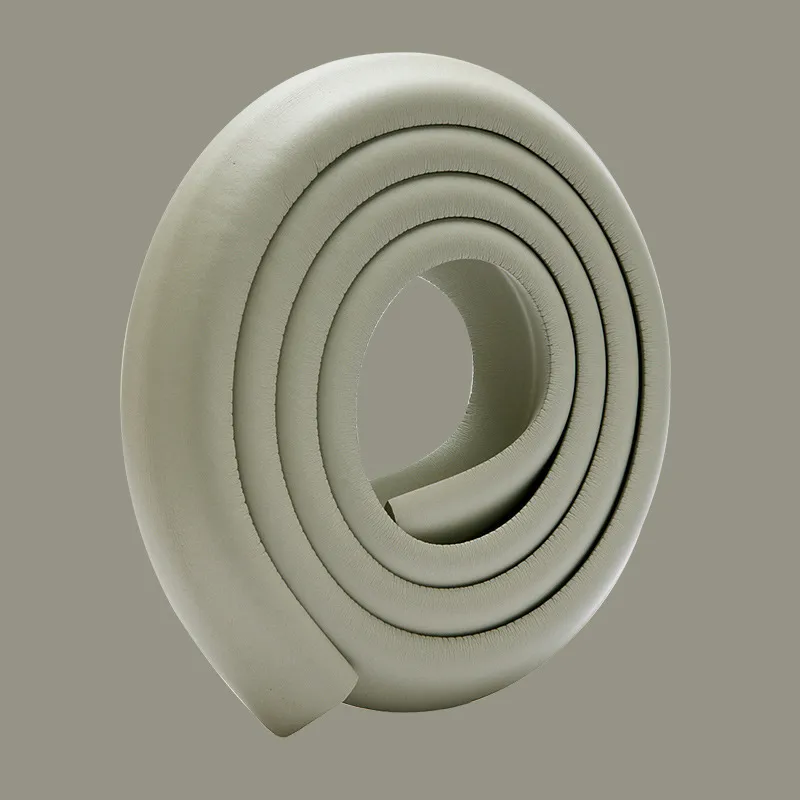
- Mixing: NBR + plasticizers + blowing agents; color masterbatch added.
- Extrusion & foaming: Profiles formed into L/W/U; density controlled by foaming ratio.
- Curing & cooling: Stabilizes cell structure to avoid collapse.
- Adhesive lamination: Acrylic PSA applied with release liner.
- Cutting & coiling: 2 m standard rolls (custom lengths available).
- Testing: Tensile (ASTM D412), compression set (ASTM D1056 style), density (ISO 845), migration of elements (EN 71-3), optional UL 94 HB.
Where it’s used—and why
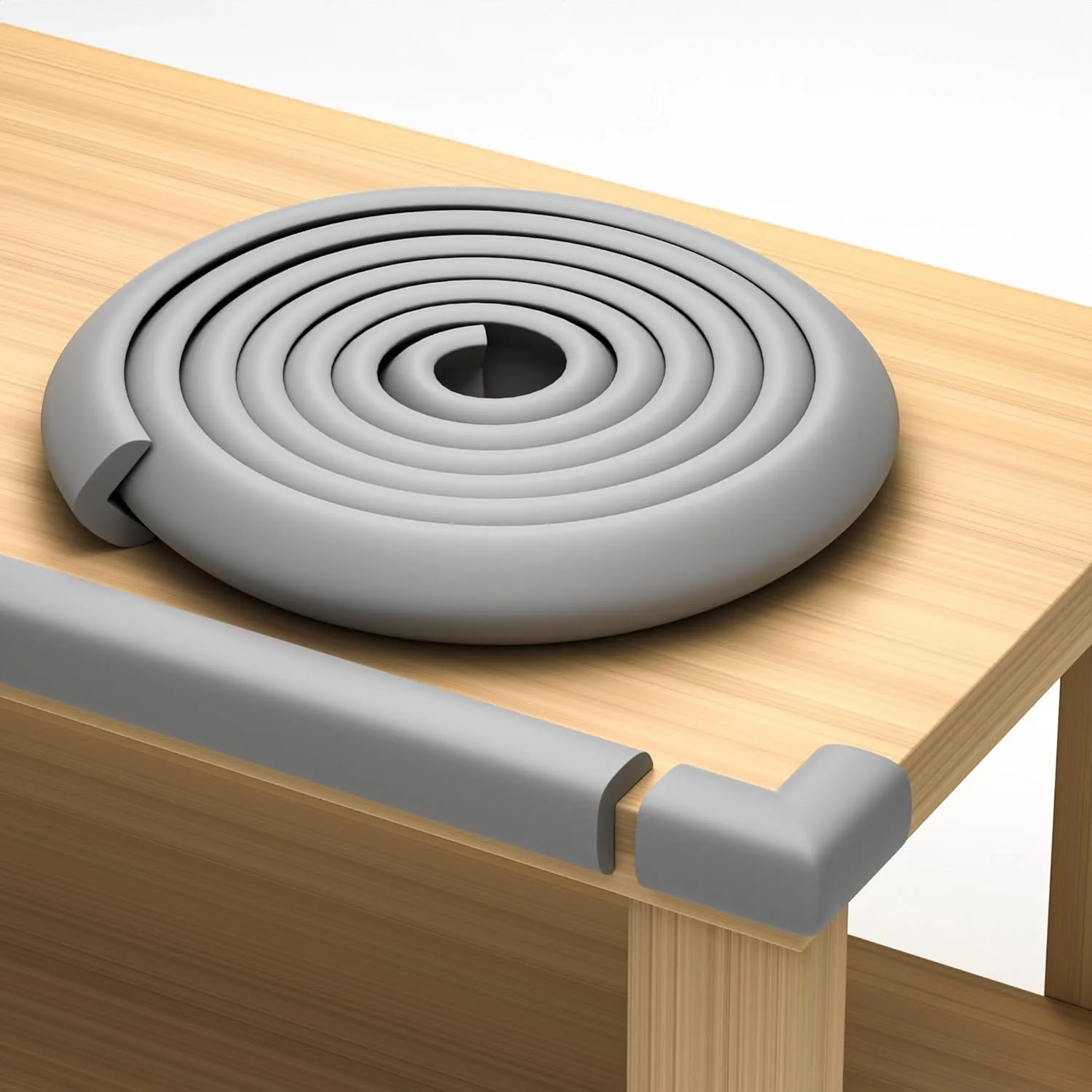
Homes (coffee tables, TV units), nurseries, daycare furniture, hospitality suites, even clinic waiting rooms. Advantages? Shock absorption, easy install, and—actually underrated—cleanup. A damp cloth usually does the trick. One facility manager told me their corner protector rollout cut incident reports by “about a third” in the first quarter. Not a clinical study, but you get the point.
Vendor snapshot (who does what best?)
| Vendor | Origin | MOQ | Lead time | Certs | Price (2 m) ≈ | Notes |
|---|---|---|---|---|---|---|
| Hangyun (HYCG-001) | Hebei, China | 500–1,000 rolls | 10–20 days | EN 71-3/REACH/RoHS | $0.9–$1.6 | Good color range, steady QC |
| Vendor A | Vietnam | 1,500+ | 20–30 days | EN 71-3 | $0.8–$1.3 | Sharp pricing; fewer shapes |
| Vendor B | Turkey | 300–600 | 7–14 days | RoHS | $1.4–$2.1 | Fast ship, premium finishes |
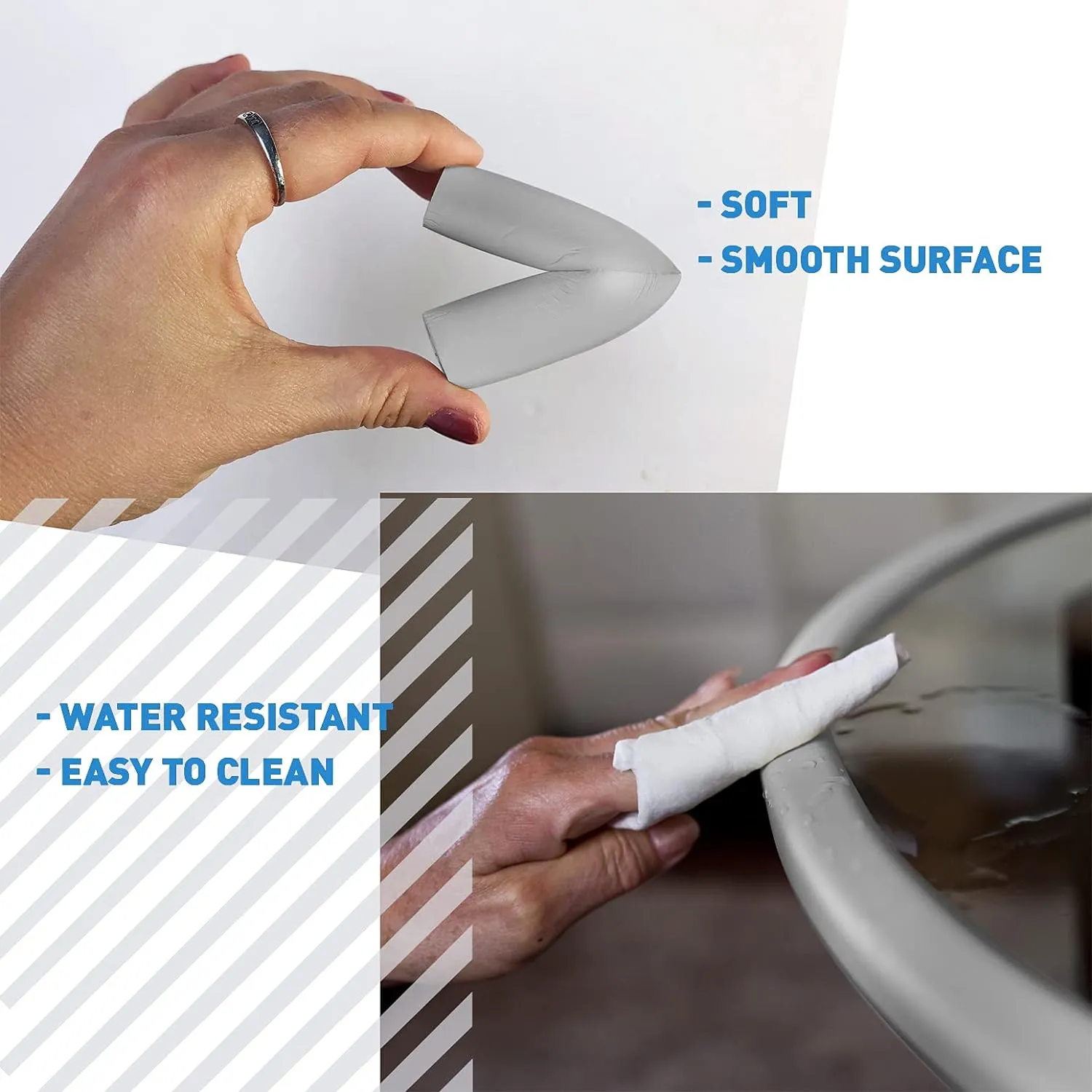
Customization tips
Specify profile (L/W/U), inner gap to match board thickness, and adhesive grade (standard vs high‑tack for textured wood). If your brand cares about aesthetics, ask for Pantone‑matched batches and confirm delta‑E tolerances. For healthcare spaces, request VOC disclosure and an corner protector sample to sniff-test—seriously—after 24 hours out of the bag.
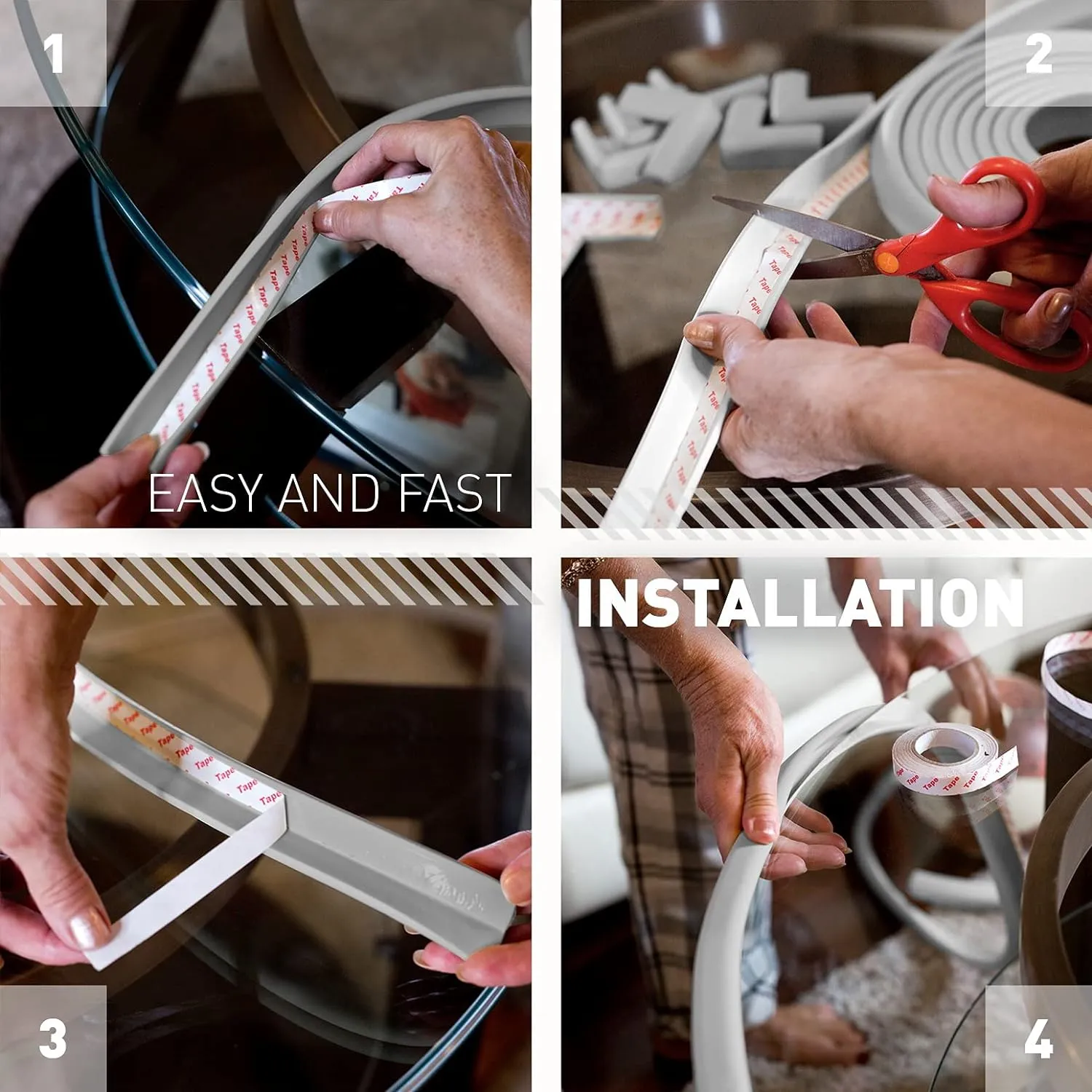
Mini case files
- Daycare retrofit, Shanghai: 220 desks, L-shape corner protector, EN 71-3 docs supplied. Adhesion maintained after daily wipe-downs; minor replacements at 10 months (heavy-traffic corners).
- Hotel kid suites, Dubai: U-shape corner protector on marble tops; high‑tack adhesive selected. Housekeeping notes fewer scuffs and quick change-outs between stays.
Testing note: sample data from one recent batch—tensile ≈ 0.9 MPa (ASTM D412), elongation ≈ 150%, compression set (22h @ 23°C) ≈ 18% (ASTM D1056). Always verify with vendor COA.
Citations
- EN 71-3: Safety of toys—Migration of certain elements. CEN. https://standards.cen.eu
- REACH SVHC Guidance. European Chemicals Agency (ECHA). https://echa.europa.eu
- RoHS Directive 2011/65/EU. European Commission. https://environment.ec.europa.eu
- ASTM D412: Standard Test Methods for Vulcanized Rubber and Thermoplastic Elastomers—Tension. https://www.astm.org/d0412
- ISO 845: Cellular plastics—Determination of apparent density. https://www.iso.org/standard/73378.html
- UL 94: Tests for Flammability of Plastic Materials. https://www.ul.com
-
Understanding e3 edge banding tape price and Value FactorsNewsApr.16,2026
-
Premium Birch Edge Tape Guide for Professional Furniture FinishingNewsApr.09,2026
-
Comprehensive Guide to 2mm Edge Banding Tape for Furniture and CabinetryNewsApr.07,2026
-
Comprehensive Guide to Choosing the Right 18mm Edge Banding for Your ProjectsNewsApr.04,2026
-
Comprehensive Guide to Pre Glued Melamine Edging Applications and InstallationNewsMar.31,2026
-
Comprehensive Guide to Self Adhesive Edge Banding Tape Applications and SelectionNewsMar.28,2026
-
Comprehensive Guide to Wood Veneer Edging Strips for Furniture and Woodworking ProjectsNewsMar.26,2026