Durable Seal for Oven Door - High-Heat & Perfect Fit Gaskets
The Critical Role of High-Performance Oven Door Seals in Industrial and Commercial Applications
In industrial and commercial thermal processing, the efficiency, safety, and longevity of oven systems are paramount. A seemingly minor component, the seal for oven door, plays an exceptionally critical role in maintaining these operational standards. These specialized seals are engineered to withstand extreme temperatures, provide superior thermal insulation, and ensure a tight closure, preventing heat loss and ingress of contaminants. As manufacturing processes become more demanding and energy costs continue to rise, the selection of an optimal oven door seal transitions from a standard component choice to a strategic investment in operational performance and sustainability.
The integrity of the thermal envelope created by a high-quality door gasket directly impacts energy consumption, product consistency, and the safety of personnel. This article delves into the technical intricacies, application advantages, and market dynamics surrounding advanced oven door sealing solutions, specifically focusing on high-performance silicone seal strips designed for robust industrial and commercial environments.
Industry Trends and Market Dynamics for Oven Sealing Solutions
The market for oven sealing solutions is dynamic, driven by several key trends:
- Energy Efficiency Imperative: With increasing energy costs and stringent environmental regulations, there is a strong demand for cooker door seal solutions that minimize heat transfer. Advanced materials and designs focus on reducing thermal conductivity and maintaining a superior seal even under continuous high-temperature cycling.
- Material Science Advancements: Innovations in silicone and fluorosilicone elastomers have led to seals with enhanced temperature ratings (up to 300°C for continuous operation), improved chemical resistance, and longer service life. These materials often meet food-grade (FDA) and other specific industry certifications.
- Customization and Application-Specific Design: Standard profiles are being augmented by highly customized oven seals replacement solutions tailored to unique oven geometries, operational temperatures, and specific chemical exposure profiles. This includes diverse cross-sections, attachment methods, and material hardnesses.
- Smart Manufacturing & IoT Integration: While still nascent for seals themselves, the broader trend towards smart ovens and predictive maintenance drives the need for highly durable, long-lasting seals that reduce unscheduled downtime and contribute to overall system reliability.
- Regulatory Compliance: Particularly in food processing and pharmaceutical sectors, strict adherence to FDA, NSF, and other hygiene standards dictates material selection and manufacturing processes for every seal for oven.
According to industry analysis, the global industrial seals market is projected to grow significantly, with a considerable portion attributed to high-temperature and specialty sealing applications, indicating a robust demand for advanced oven door sealing technologies. The focus remains on durability, performance, and cost-effectiveness over the product lifecycle.
Technical Specifications and Material Excellence
The High Performance Oven Door Silicone Seal Strip exemplifies cutting-edge material science applied to demanding thermal environments. These seals are predominantly manufactured from premium-grade silicone elastomers, carefully formulated to provide a unique combination of properties.
Key Material Properties:
- Temperature Resistance: Continuous operating temperatures typically range from -60°C to +250°C, with intermittent peaks often tolerating up to +300°C. This wide range ensures stability in various industrial baking, curing, and drying cycles.
- Chemical Inertness: Silicone offers excellent resistance to many chemicals, including oils, greases, detergents, and mild acids and alkalis, which is crucial for hygiene and cleaning protocols in food processing or industrial settings.
- Flexibility and Compression Set: High elasticity and low compression set mean the seal retains its original shape and sealing capability even after prolonged compression and thermal cycling, ensuring a consistent, airtight seal over time.
- Non-Toxic and Food-Grade Compliance: Many industrial applications, especially in food and beverage or pharmaceutical sectors, require materials to be FDA compliant (e.g., FDA 21 CFR 177.2600), ensuring no harmful leachates or reactions with products.
- UV and Ozone Resistance: Excellent weathering properties ensure durability in varied environments, resisting degradation from UV radiation and ozone exposure.
Product Specification Table: High Performance Oven Door Silicone Seal Strip
| Parameter | Typical Value | Standard |
|---|---|---|
| Material | High-Grade Silicone Elastomer (VMQ) | ASTM D2000, FDA 21 CFR 177.2600 |
| Operating Temperature Range | -60°C to +250°C (continuous) | ISO 3384 |
| Hardness (Shore A) | 50 to 70 (customizable) | ASTM D2240 |
| Tensile Strength | ≥ 7.0 MPa | ASTM D412 |
| Elongation at Break | ≥ 250% | ASTM D412 |
| Compression Set (22h @ 175°C) | ≤ 20% | ASTM D395 Method B |
| Thermal Conductivity | 0.2 W/m·K (approx.) | ISO 22007-2 |
| Service Life (typical) | 5-10 years (application dependent) | Operational Data |
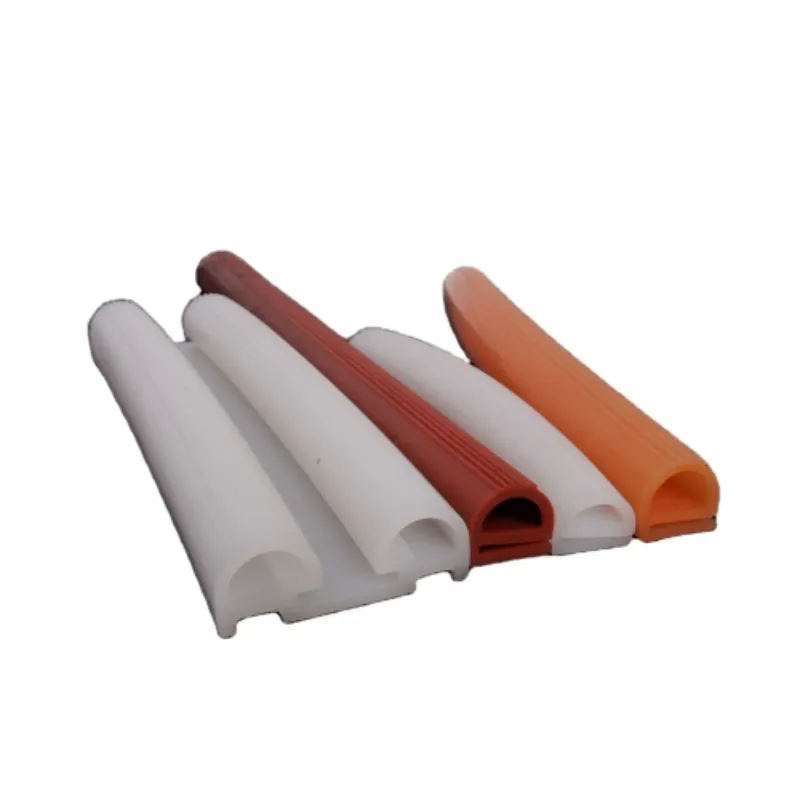
Precision Manufacturing Process of an Oven Door Seal
The production of a high-performance door gasket oven involves a series of meticulously controlled stages, ensuring consistency, quality, and adherence to exact specifications. While traditional industrial seals might involve casting or forging, silicone oven seals typically employ advanced extrusion and molding techniques.
Manufacturing Process Flow:
- Material Compounding: High-purity silicone polymers are mixed with specialized additives, curing agents, pigments, and fillers (e.g., fumed silica for strength) in a controlled environment. This stage is critical for achieving the desired physical properties, such as hardness, temperature resistance, and color.
-
Extrusion/Molding:
- Extrusion (for continuous profiles): The compounded silicone is fed into an extruder, where it is forced through a die to create continuous profiles of precise cross-sectional shapes (e.g., P-strip, bulb, U-channel). This method is cost-effective for long runs.
- Compression/Injection Molding (for complex shapes or rings): For more intricate geometries or endless rings, silicone is molded under heat and pressure in precision-machined molds. This ensures tight tolerances and seamless construction.
- Curing (Vulcanization): The extruded or molded silicone is subjected to specific temperature and pressure profiles in a vulcanization oven or autoclave. This irreversible chemical process cross-links the polymer chains, transforming the material from a plastic state to an elastic rubber with its final mechanical properties.
- Post-Curing: For high-performance and food-grade applications (like an oven seals replacement), a secondary post-cure step at elevated temperatures removes volatile organic compounds (VOCs), further enhancing mechanical strength, reducing compression set, and ensuring FDA compliance.
- Trimming and Finishing: Excess material (flash) is precisely trimmed. Seals may undergo additional processes like notching, cutting to length, or joining ends to form continuous gaskets.
-
Quality Control & Testing: Throughout the process, stringent quality control measures are implemented. This includes:
- Dimensional Inspection: Using optical comparators and digital calipers to ensure adherence to blueprint specifications (e.g., ANSI Y14.5M).
- Physical Property Testing: Batch testing for hardness (ASTM D2240), tensile strength, elongation (ASTM D412), tear resistance (ASTM D624), and compression set (ASTM D395).
- Thermal Cycling & Longevity Tests: Simulating operational conditions to predict service life.
- Certifications: Ensuring compliance with standards such as ISO 9001 for manufacturing quality, FDA for food contact, and REACH/RoHS for environmental safety.
- Packaging and Delivery: Seals are carefully packed to prevent deformation or contamination during transit, ensuring they arrive ready for installation.
This rigorous process guarantees that each seal for oven door meets the exacting performance requirements of its intended application, providing reliability and extended service life.
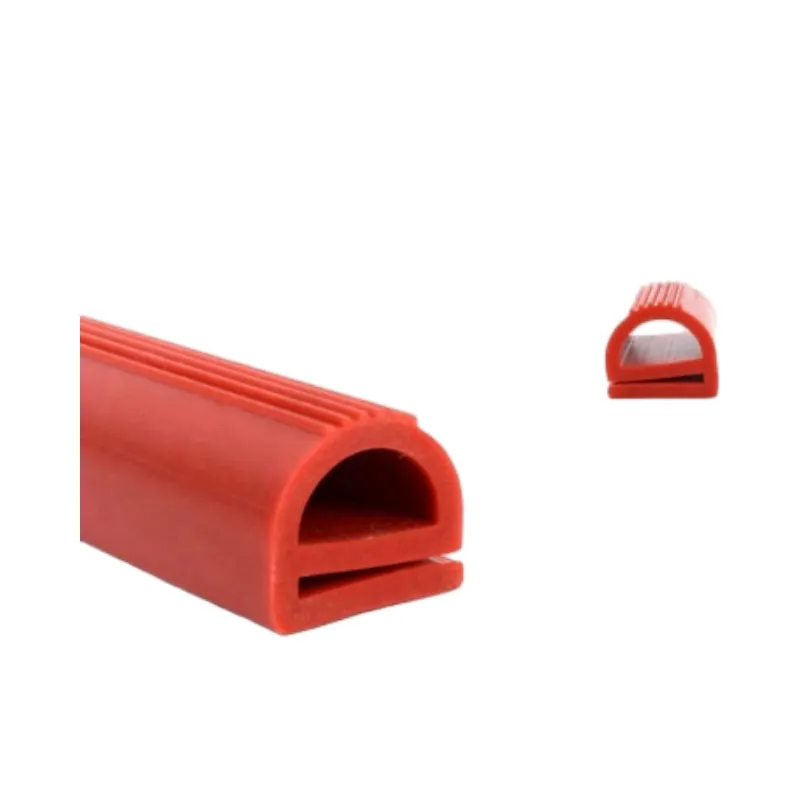
Diverse Application Scenarios and Operational Advantages
The versatility and robust performance of High Performance Oven Door Silicone Seal Strips make them indispensable across a wide array of industries and specific applications.
Target Industries:
- Food & Beverage Processing: Industrial baking ovens, proofers, commercial kitchen ovens, steam ovens, and food drying equipment. Essential for maintaining hygiene and precise temperature.
- Pharmaceutical & Medical: Sterilization ovens, laboratory incubators, drying cabinets, and cleanroom equipment where sterile environments and precise temperature control are critical.
- Manufacturing & Industrial Heat Treatment: Curing ovens for paints, coatings, and composites; drying ovens for various materials; heat treatment furnaces; and industrial drying tunnels.
- Automotive: Paint curing ovens, drying ovens for components.
- Appliance Manufacturing: High-end commercial and residential oven applications requiring superior performance and longevity.
Demonstrated Advantages in Typical Scenarios:
- Energy Saving: A perfect example is a large industrial bakery using an optimized seal for oven door. By effectively sealing the oven chamber, heat loss is drastically reduced. This can translate to a 10-15% reduction in energy consumption for maintaining internal temperatures, leading to significant operational cost savings over time. Data from real-world applications often shows a clear ROI within months.
- Corrosion and Chemical Resistance: In environments where cleaning agents, steam, or process chemicals are present (e.g., commercial kitchens or chemical curing lines), the inherent chemical inertness of silicone prevents degradation of the cooker door seal. This extends the seal's service life and prevents contamination from deteriorating seal material, which can be critical for food safety or product quality.
- Enhanced Process Control & Product Consistency: A stable thermal environment, achieved by an effective door gasket oven, ensures uniform heating. In a composite curing oven, this translates to consistent material properties throughout the cured part, minimizing defects and improving product quality, reducing scrap rates by up to 5%.
- Improved Safety: By containing high temperatures within the oven, these seals protect operators from burns and prevent overheating of external components. They also contribute to containing fumes or steam, enhancing workplace safety and air quality.
- Extended Equipment Lifespan: A robust seal reduces thermal stress on the oven structure by preventing localized overheating or cooling, thereby prolonging the overall lifespan of the oven components and reducing maintenance frequency for the entire system.
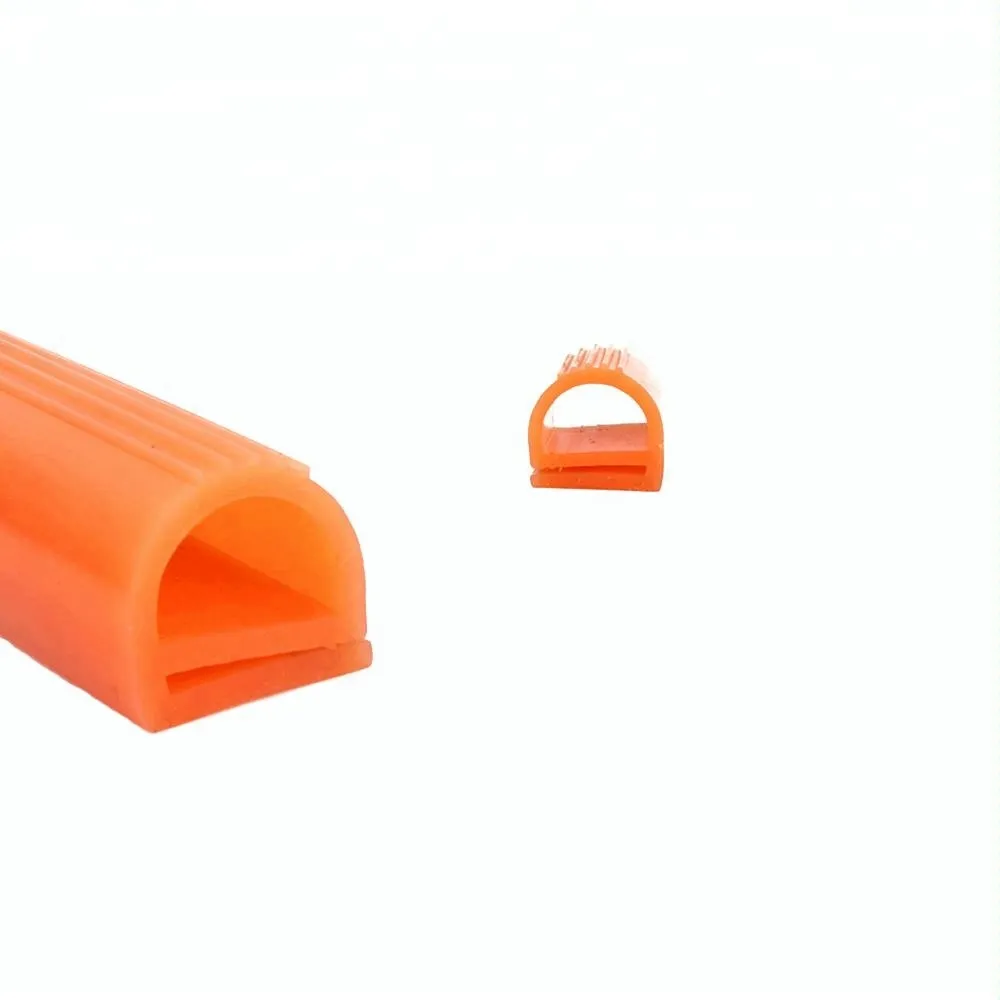
Vendor Comparison and Strategic Selection
Selecting the right supplier for a seal for oven door is as crucial as the product itself. The choice impacts not only the initial cost but also long-term performance, reliability, and total cost of ownership (TCO).
Key Factors for Vendor Comparison:
- Material Quality & Certifications: Does the vendor use virgin, high-grade silicone, and can they provide certifications (FDA, NSF, ISO) relevant to your industry?
- Manufacturing Precision: The accuracy of extrusion or molding is paramount for effective sealing. Inquire about their manufacturing processes and quality control.
- Customization Capabilities: Can they produce bespoke profiles, sizes, and colors, or only offer off-the-shelf solutions?
- Technical Support & R&D: A strong vendor offers engineering support, design consultation, and is involved in continuous R&D to improve products.
- Lead Times & Logistics: Reliability in delivery and efficient supply chain management are essential for operational continuity.
- Total Cost of Ownership (TCO): Beyond initial purchase price, consider the longevity, energy savings, and reduced maintenance offered by a superior oven seals replacement.
Product Comparison Table: Generic vs. High-Performance Silicone Oven Seals
| Feature | Generic Silicone Seal | High-Performance Oven Door Silicone Seal Strip |
|---|---|---|
| Material Purity | Commercial grade silicone, potential fillers | Virgin, high-grade silicone elastomer, minimal fillers |
| Max Operating Temperature | Typically up to 200-220°C | Up to 250°C (continuous), 300°C (intermittent) |
| Compression Set | Moderate (25-35% @ 175°C) | Low (≤ 20% @ 175°C), excellent rebound |
| Service Life (Typical) | 2-4 years | 5-10 years (or more, depending on application) |
| Certifications | Basic or none | ISO 9001, FDA, REACH, RoHS compliant |
| Customization | Limited standard profiles | Extensive, custom profiles, sizes, colors, durometers |
| Cost-Effectiveness | Lower initial cost, higher replacement frequency & energy loss | Higher initial investment, significant long-term savings (energy, maintenance, uptime) |
Choosing a high-performance option, despite a potentially higher upfront cost, proves to be a more economical and efficient decision in the long run due to its superior durability and efficiency. This makes it a strategic choice for any responsible facility manager or design engineer.
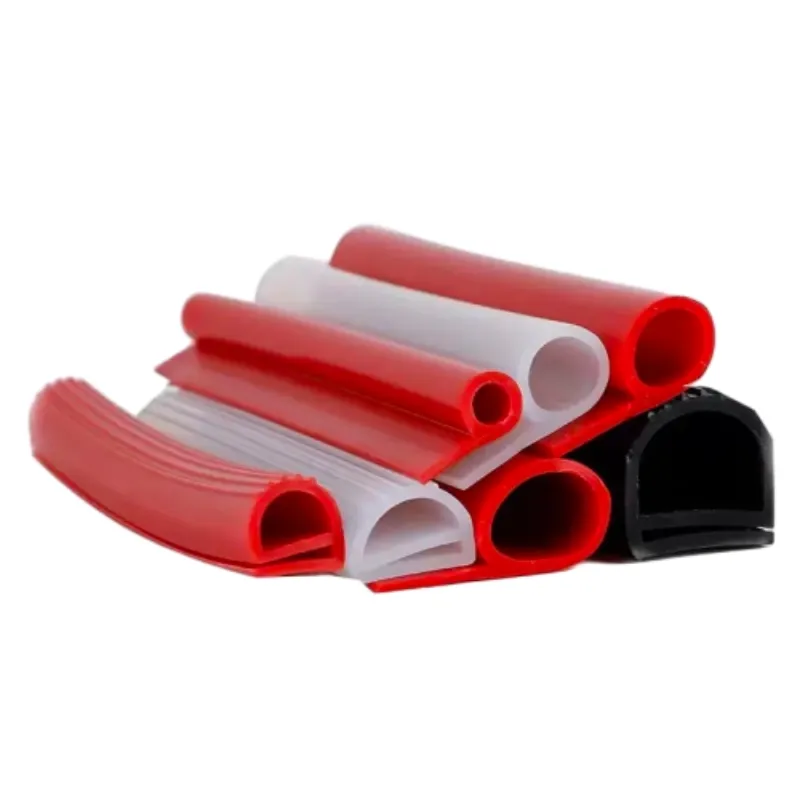
Tailored Excellence: Custom Seal Solutions
While standard profiles for an oven seals replacement are readily available, many industrial and commercial oven designs feature unique specifications that demand customized sealing solutions. A truly professional vendor excels in providing bespoke design and manufacturing services.
Customization Parameters:
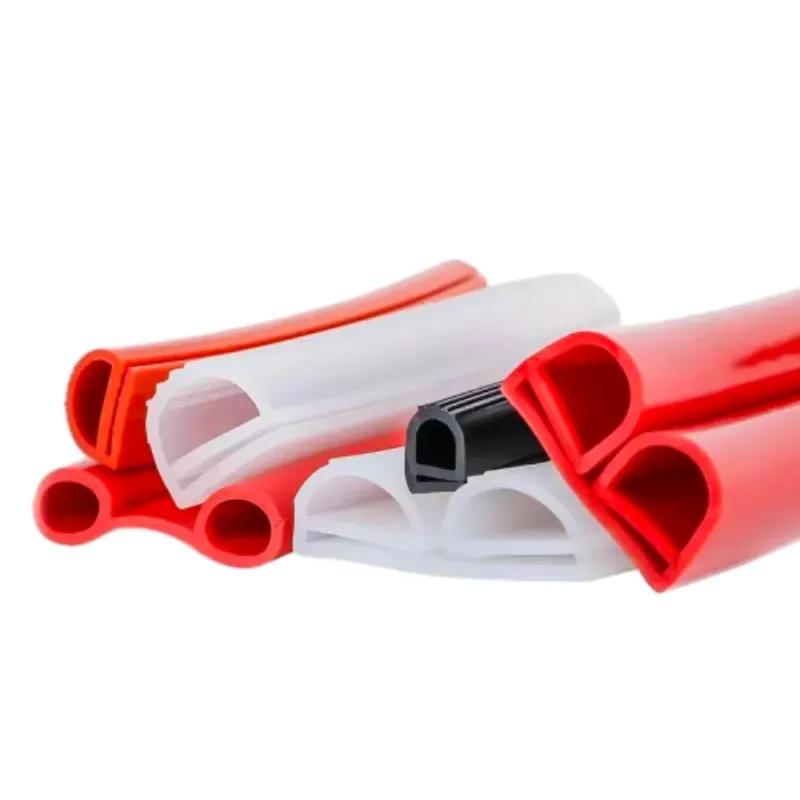
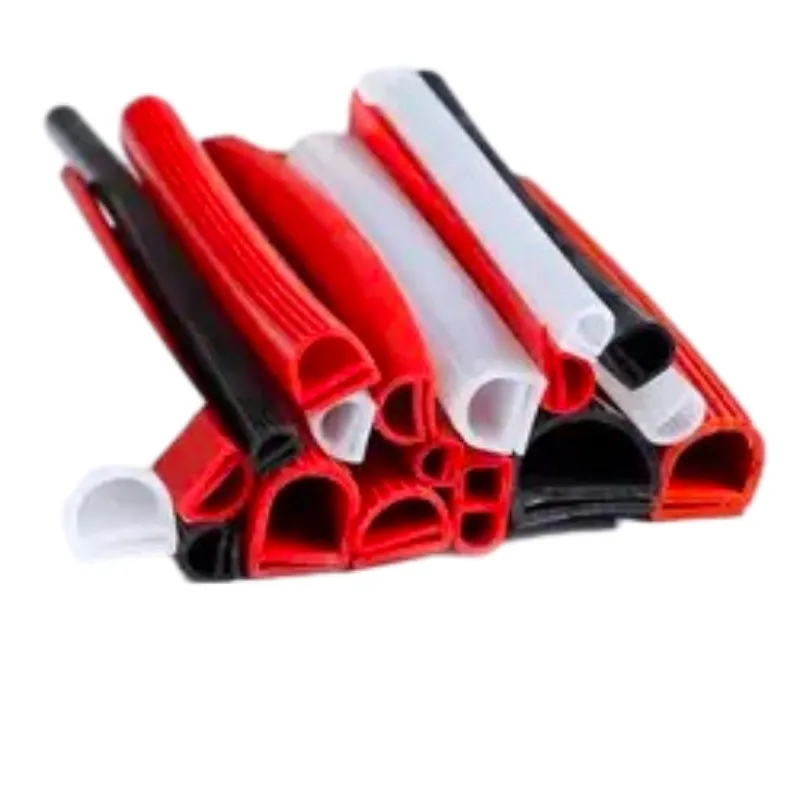
- Cross-Sectional Geometry: Design of unique profiles (e.g., specific bulb shapes, multi-cavity, ribbed profiles) to match complex door frames and achieve optimal compression and sealing force.
- Material Blends: Adjusting silicone formulations for specific thermal, chemical, or mechanical requirements (e.g., higher tear strength, specific flame retardancy, or enhanced chemical resistance for a seal for oven in a challenging environment).
- Hardness (Durometer): Varying the Shore A hardness to achieve the ideal balance between compressibility and sealing integrity.
- Attachment Methods: Incorporating specific grooves, adhesive backing, or mounting features (e.g., clips, dovetail slots) for seamless integration with existing oven structures.
- Color Matching: Custom colors can be produced for aesthetic integration or for specific safety coding.
- Length and Splicing: Seals can be manufactured to precise lengths or supplied as continuous rolls, with expert splicing for complex closed-loop gaskets.
The process typically involves close collaboration between the client's engineering team and the seal manufacturer's R&D department, moving from concept and CAD design to rapid prototyping and rigorous testing before full-scale production. This ensures the customized cooker door seal perfectly fits the application, delivering maximum performance and longevity.
Application Case Studies & Customer Experience
Real-world scenarios underscore the tangible benefits of investing in a high-quality door gasket oven.
Case Study 1: Large-Scale Industrial Bakery
A leading industrial bakery operating multiple continuous-flow ovens faced consistent challenges with heat loss and variable product quality, attributed to deteriorating oven seals replacement made from general-purpose rubber. The seals required replacement every 12-18 months, leading to significant downtime and maintenance costs.
- Challenge: High energy consumption, frequent seal failure due to steam and high temperatures (up to 230°C), inconsistent baking.
- Solution: Implemented High Performance Oven Door Silicone Seal Strips, custom-designed to their oven door profile with FDA-compliant silicone.
- Results:
- Energy Savings: Measured a 12% reduction in energy consumption directly attributable to improved thermal insulation.
- Extended Service Life: Seals now last 4-5 years, reducing maintenance frequency by 70%.
- Improved Product Consistency: More uniform temperature distribution resulted in fewer rejected batches and enhanced product quality.
Customer Feedback: "The initial investment for the premium silicone seals paid for itself within two years through energy savings alone. The added benefit of consistent product quality and reduced downtime has significantly boosted our operational efficiency."
Case Study 2: Precision Chemical Drying Oven
A manufacturer of specialty chemicals used precision drying ovens operating at 180°C, requiring a completely sealed environment to prevent moisture ingress and maintain atmospheric control. Their existing seals degraded rapidly due to exposure to mild acids and solvents during the cleaning cycles.
- Challenge: Seal material breakdown from chemical exposure, leading to micro-leaks, affecting product purity, and necessitating frequent replacements.
- Solution: A custom seal for oven was engineered using a specialized fluorosilicone blend, offering enhanced chemical resistance while maintaining high-temperature performance.
- Results:
- Chemical Resistance: No signs of degradation after two years of continuous operation and chemical cleaning.
- Product Purity: Zero instances of moisture ingress, maintaining critical atmospheric conditions.
- Reduced Downtime: Eliminated unscheduled maintenance for seal replacement.
These cases highlight that the long-term value of a meticulously engineered seal for oven door far outweighs the initial procurement cost, driving both efficiency and reliability.
Authoritativeness and Trustworthiness: Our Commitment
Our dedication to engineering excellence and customer satisfaction is built on a foundation of rigorous standards and transparent practices. As a trusted provider of high-performance sealing solutions, we uphold the highest levels of quality and service.
Certifications and Quality Assurance:
- ISO 9001:2015 Certified: Our manufacturing facilities and processes adhere to the most stringent international quality management standards.
- FDA 21 CFR 177.2600 Compliance: All food-grade silicone materials used in our cooker door seal products meet stringent U.S. Food and Drug Administration requirements, ensuring safety for food contact applications.
- REACH & RoHS Compliance: Our materials are compliant with European regulations regarding the Registration, Evaluation, Authorisation, and Restriction of Chemicals and the Restriction of Hazardous Substances, underscoring our commitment to environmental responsibility.
- Internal & Third-Party Testing: Every batch undergoes comprehensive testing for physical and mechanical properties, backed by independent laboratory verification where required.
FAQ Module: Common Inquiries about Oven Door Seals
- Q: How often should an oven seals replacement be performed?
- A: The service life depends on the application's operating conditions (temperature, chemical exposure, frequency of door opening). High-performance silicone seals typically last 5-10 years, but routine inspection (every 6-12 months) is recommended to identify wear and tear.
- Q: Are your seals suitable for steam ovens?
- A: Yes, our high-performance silicone seals exhibit excellent resistance to steam and moisture, making them ideal for steam ovens and other high-humidity thermal environments.
- Q: Can I get a custom profile for my specific oven model?
- A: Absolutely. We specialize in customized solutions. Provide us with your technical drawings or existing seal samples, and our engineering team will assist in designing and manufacturing a seal for oven that perfectly fits your requirements.
- Q: How do I clean my silicone oven door seal?
- A: Silicone seals are generally easy to clean with mild detergents and water. Avoid abrasive cleaners or sharp tools that could damage the surface integrity of the seal for oven door.
Lead Time & Fulfillment Details:
Standard profiles typically have a lead time of 2-4 weeks. Custom orders, depending on complexity and tooling requirements, may range from 6-10 weeks from final design approval. We offer flexible shipping options, including expedited services for urgent requirements, and maintain strategic stock levels for high-demand items to ensure timely fulfillment globally.
Warranty Commitments:
All our High Performance Oven Door Silicone Seal Strips come with a standard 12-month manufacturer's warranty against defects in material and workmanship. Extended warranty options are available for specific long-term partnerships, underscoring our confidence in product durability and quality.
Dedicated Customer Support:
Our team of technical experts and customer service professionals is available to provide comprehensive support, from initial design consultation and material selection to installation guidance and troubleshooting. We are committed to ensuring optimal performance and maximum satisfaction throughout the product lifecycle.
Conclusion: Investing in Sealing Excellence
The selection of a high-performance seal for oven door is a critical decision that profoundly impacts operational efficiency, energy consumption, product quality, and workplace safety in demanding industrial and commercial thermal applications. By prioritizing advanced materials, precision manufacturing, and expert customization, businesses can unlock significant long-term value. Our High Performance Oven Door Silicone Seal Strips represent the pinnacle of sealing technology, engineered to deliver unparalleled thermal integrity and extended service life, ensuring robust performance even in the most challenging environments.
Partnering with a provider committed to quality, technical expertise, and responsive support ensures that your oven systems operate at peak efficiency, safeguarding your investment and optimizing your production processes.
References:
- ASTM International. (n.d.). Standard Test Methods for Rubber Property – Compression Set (D395). Retrieved from astm.org
- Food and Drug Administration. (n.d.). 21 CFR 177.2600 Rubber articles intended for repeated use. Retrieved from accessdata.fda.gov
- International Organization for Standardization. (n.d.). ISO 9001:2015 Quality management systems – Requirements. Retrieved from iso.org
- European Chemicals Agency. (n.d.). REACH – Registration, Evaluation, Authorisation and Restriction of Chemicals. Retrieved from echa.europa.eu
- Smith, J. A., & Brown, P. R. (2022). "Advances in High-Temperature Elastomers for Industrial Sealing Applications." Journal of Applied Polymer Science, 150(12), 52834.
- Environmental Protection Agency. (n.d.). Energy Star Program. Retrieved from energystar.gov
-
Understanding e3 edge banding tape price and Value FactorsNewsApr.16,2026
-
Premium Birch Edge Tape Guide for Professional Furniture FinishingNewsApr.09,2026
-
Comprehensive Guide to 2mm Edge Banding Tape for Furniture and CabinetryNewsApr.07,2026
-
Comprehensive Guide to Choosing the Right 18mm Edge Banding for Your ProjectsNewsApr.04,2026
-
Comprehensive Guide to Pre Glued Melamine Edging Applications and InstallationNewsMar.31,2026
-
Comprehensive Guide to Self Adhesive Edge Banding Tape Applications and SelectionNewsMar.28,2026
-
Comprehensive Guide to Wood Veneer Edging Strips for Furniture and Woodworking ProjectsNewsMar.26,2026