Durable Silicone Strip Seal | Weather & Soundproofing for Doors
The Critical Role of Silicone Strip Seals in Modern Industry
In the intricate landscape of B2B operations, precision and reliability are paramount. Among the foundational components ensuring the integrity and efficiency of various systems, the silicone strip seal stands out as a high-performance solution. These versatile seals are engineered to provide superior protection against environmental factors, thermal fluctuations, and chemical exposure, making them indispensable across a multitude of demanding industrial applications. From safeguarding sensitive electronics to enhancing the energy efficiency of critical infrastructure, their unique material properties offer unmatched durability and sealing effectiveness. This comprehensive guide delves into the technical aspects, applications, and strategic advantages of leveraging advanced silicone sealing solutions.

Industry Trends and Market Dynamics for Advanced Sealing Solutions
The market for industrial sealing solutions is experiencing significant evolution, driven by increasing demands for energy efficiency, enhanced operational safety, and extended component lifespan in harsh environments. A prominent trend is the growing preference for high-performance elastomers like silicone over traditional materials. This shift is particularly evident in applications requiring robust temperature resistance, UV stability, and chemical inertness. Industries are actively seeking sealing solutions that contribute to lower maintenance costs and reduced environmental impact.
- Energy Efficiency: There's a strong push for sealing solutions that minimize thermal transfer in industrial ovens, freezers, and HVAC systems. Solutions like silicone weather stripping and `wood door weather stripping` are gaining traction in construction and infrastructure for their ability to significantly reduce energy consumption.
- Environmental Resistance: As manufacturing processes become more complex, the need for seals that can withstand ozone, UV radiation, and aggressive chemicals without degradation is critical. Silicone's inherent properties make it ideal for these challenging conditions.
- Smart Manufacturing & IoT Integration: The demand for seals that can perform reliably in automated systems, often requiring precise dimensional stability and long-term performance, is rising. This indirectly influences material selection for components like a silicone door seal strip, where consistency is key.
- Customization & Niche Applications: Off-the-shelf solutions are often insufficient. The trend leans towards bespoke designs and custom material formulations to address highly specific application requirements, from unique profiles to specialized chemical resistances.
These trends underscore the importance of material science innovation in the sealing industry, positioning high-grade silicone as a cornerstone for future industrial development.
The Manufacturing Process of a silicone strip seal
The production of a high-quality silicone strip seal involves a meticulous, multi-stage process, ensuring optimal performance and durability. This process leverages advanced polymer chemistry and precision engineering.
Key Materials:
- High-Purity Silicone Polymers: Typically Polydimethylsiloxane (PDMS), chosen for its stable chemical structure and excellent thermal properties.
- Reinforcing Fillers: Such as fumed silica, to enhance mechanical strength, tear resistance, and hardness.
- Curing Agents (Vulcanizing Agents): Peroxides or platinum-catalyzed systems, critical for cross-linking polymer chains and achieving elastomeric properties.
- Additives: Pigments for color, heat stabilizers, flame retardants, and processing aids.
Process Flow:
- 1. Compounding: Raw silicone polymer is thoroughly mixed with reinforcing fillers, curing agents, and other additives in a high-shear mixer. This step ensures homogeneous dispersion of all components, which is critical for consistent material properties.
- 2. Extrusion (Shaping): The compounded silicone material is fed into an extruder. Under high pressure and controlled temperature, the material is forced through a precisely designed die (similar to a specialized form of casting) to create the desired continuous strip profile. This can range from simple square or round profiles to complex multi-lumen or finned designs.
- 3. Curing/Vulcanization: The extruded silicone strip is then passed through a continuous curing oven (or via steam/hot air vulcanization). Heat initiates the chemical cross-linking process, transforming the soft, plastic-like silicone into a durable, elastic rubber. This stage is crucial for achieving the final mechanical properties, such as tensile strength, elongation, and compression set.
- 4. Post-Curing (Optional but Recommended): For applications requiring high purity (e.g., medical, food-grade) or very low compression set, a secondary post-curing process in a clean, high-temperature oven removes volatile organic compounds (VOCs) and further stabilizes the material.
- 5. Cutting and Finishing: The continuous cured strip is cut to specified lengths. Additional finishing steps may include punching holes, applying adhesive backing, or creating custom end-shapes.
- 6. Quality Control & Testing: Each batch undergoes rigorous testing against international standards such as ISO 9001:2015 and ASTM D2000. Key parameters tested include:
- Dimensional Accuracy: Using optical or laser measurement systems.
- Hardness (Shore A): To ensure proper sealing force.
- Tensile Strength & Elongation at Break: Indicating material robustness.
- Compression Set: Measuring the material's ability to return to its original shape after prolonged compression.
- Heat Aging and Environmental Resistance: Simulating real-world conditions.
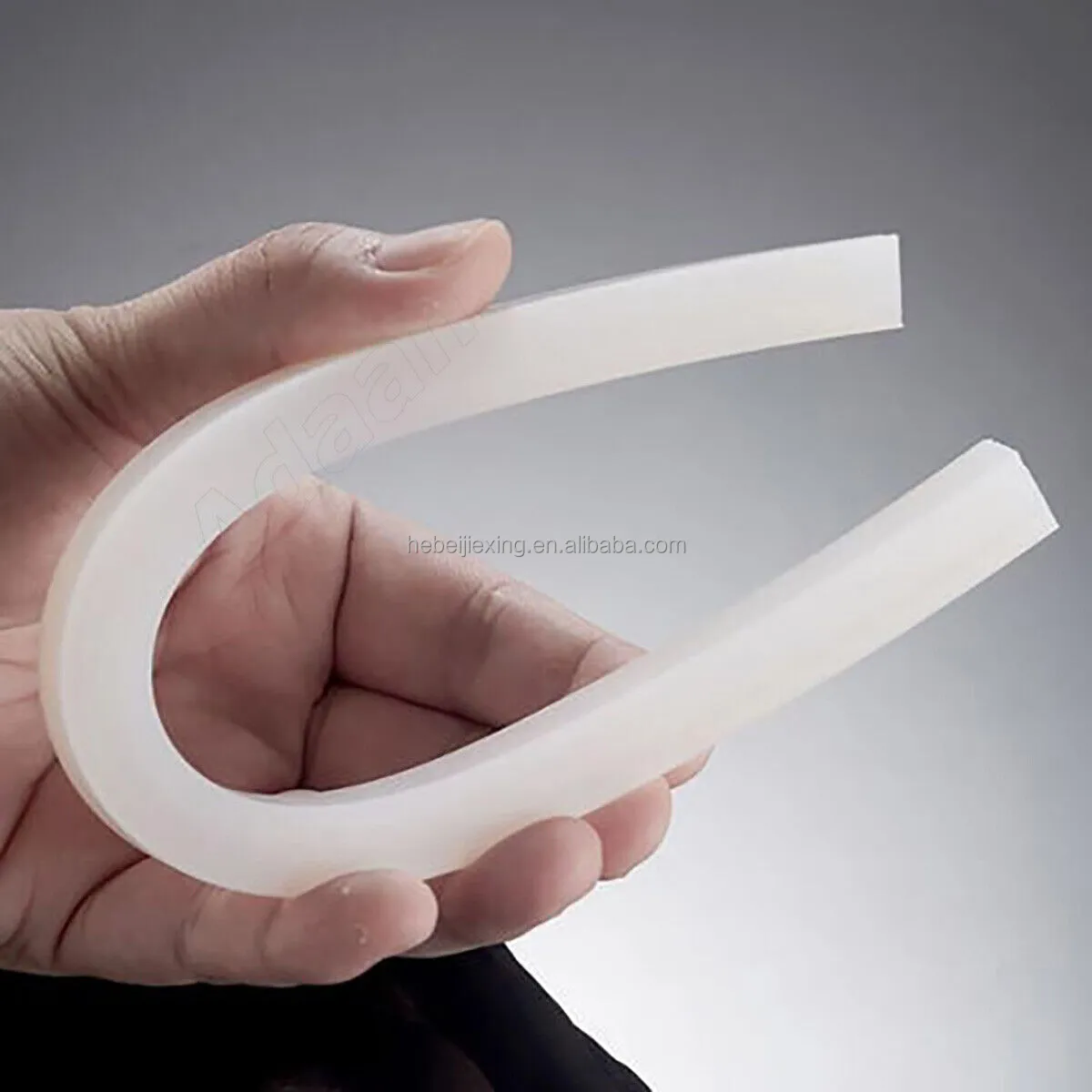
This meticulous process ensures that each silicone strip seal, like the Gap Solid Silicone Rubber Strip Anti Oil High Temp, delivers exceptional service life, often exceeding 10-15 years in typical operational environments.
Target Industries & Advantages:
These seals find critical applications in industries such as petrochemical, metallurgy, water supply & drainage, HVAC, and food processing. Their advantages include superior corrosion resistance in aggressive chemical environments and significant energy saving capabilities by preventing heat or cold loss in insulated systems.
Technical Specifications and Performance Parameters
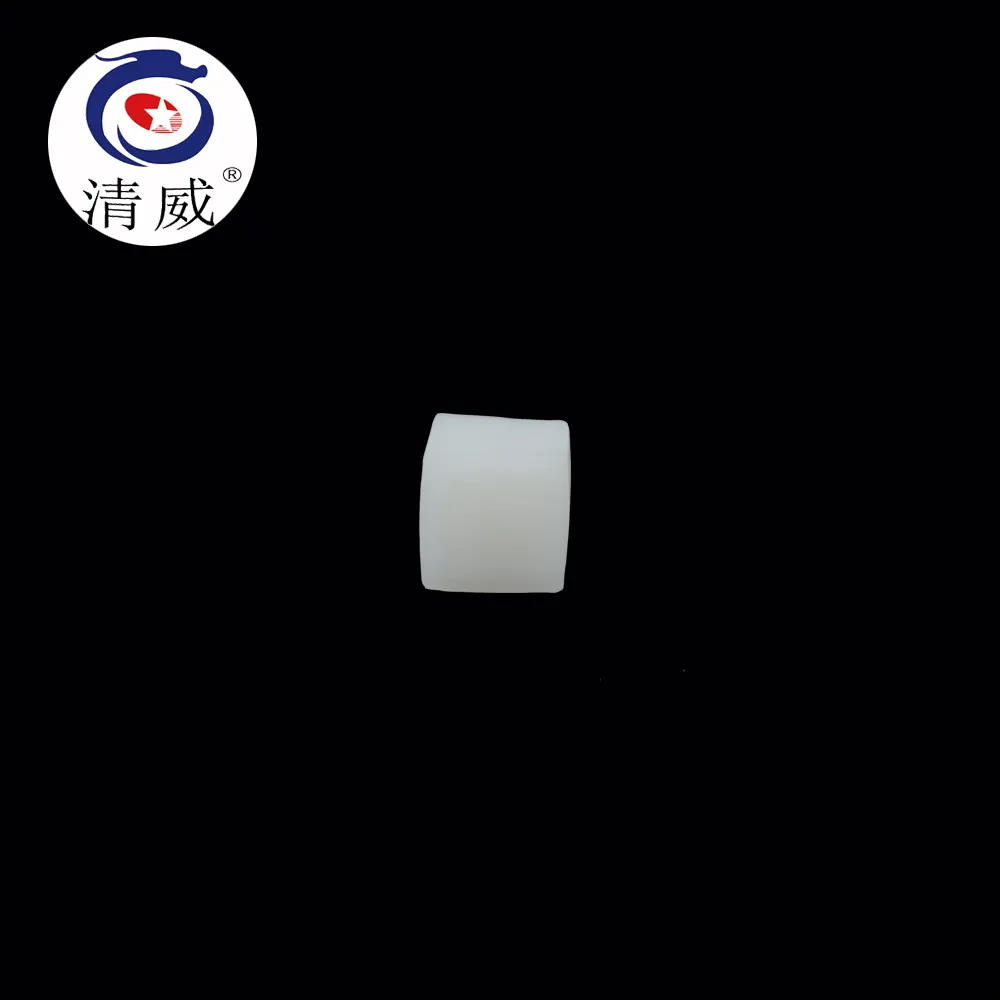
Understanding the precise technical specifications of a silicone strip seal is crucial for engineers and procurement specialists to ensure optimal material selection for specific applications. The `Gap Solid Silicone Rubber Strip Anti Oil High Temp` is an excellent example, designed for demanding conditions. Here are typical performance parameters:
Typical Product Specifications (Example: Gap Solid Silicone Rubber Strip Anti Oil High Temp):
| Parameter | Value / Description | Test Standard |
|---|---|---|
| Material Type | Solid Silicone Rubber (VMQ) | ASTM D1418 |
| Hardness (Shore A) | 30-80 (typical 60 ± 5) | ASTM D2240 |
| Tensile Strength | ≥ 6.0 MPa | ASTM D412 |
| Elongation at Break | ≥ 250% | ASTM D412 |
| Operating Temperature Range | -60°C to +250°C (Short term up to +300°C) | ASTM D2000 |
| Tear Strength | ≥ 15 kN/m | ASTM D624 |
| Compression Set (22h @ 175°C) | ≤ 20% | ASTM D395, Method B |
| Oil Resistance (IRM 903, 70h @ 150°C) | Volume Swell ≤ 10%, Hardness Change ≤ ±5 Shore A | ASTM D471 |
| UV & Ozone Resistance | Excellent (no degradation) | ASTM D1149 |
| Flammability (UL 94) | HB (can be formulated to V-0) | UL 94 |
These parameters are critical for specifying seals in demanding applications, such as high-temperature oven doors, chemical processing equipment, and electrical enclosures where environmental factors can severely impact performance. The inherent properties of silicone ensure a reliable seal over extended periods, even when exposed to fluctuating conditions, making them a superior choice compared to conventional rubber seals.
Key Technical Advantages of silicone strip seal Solutions
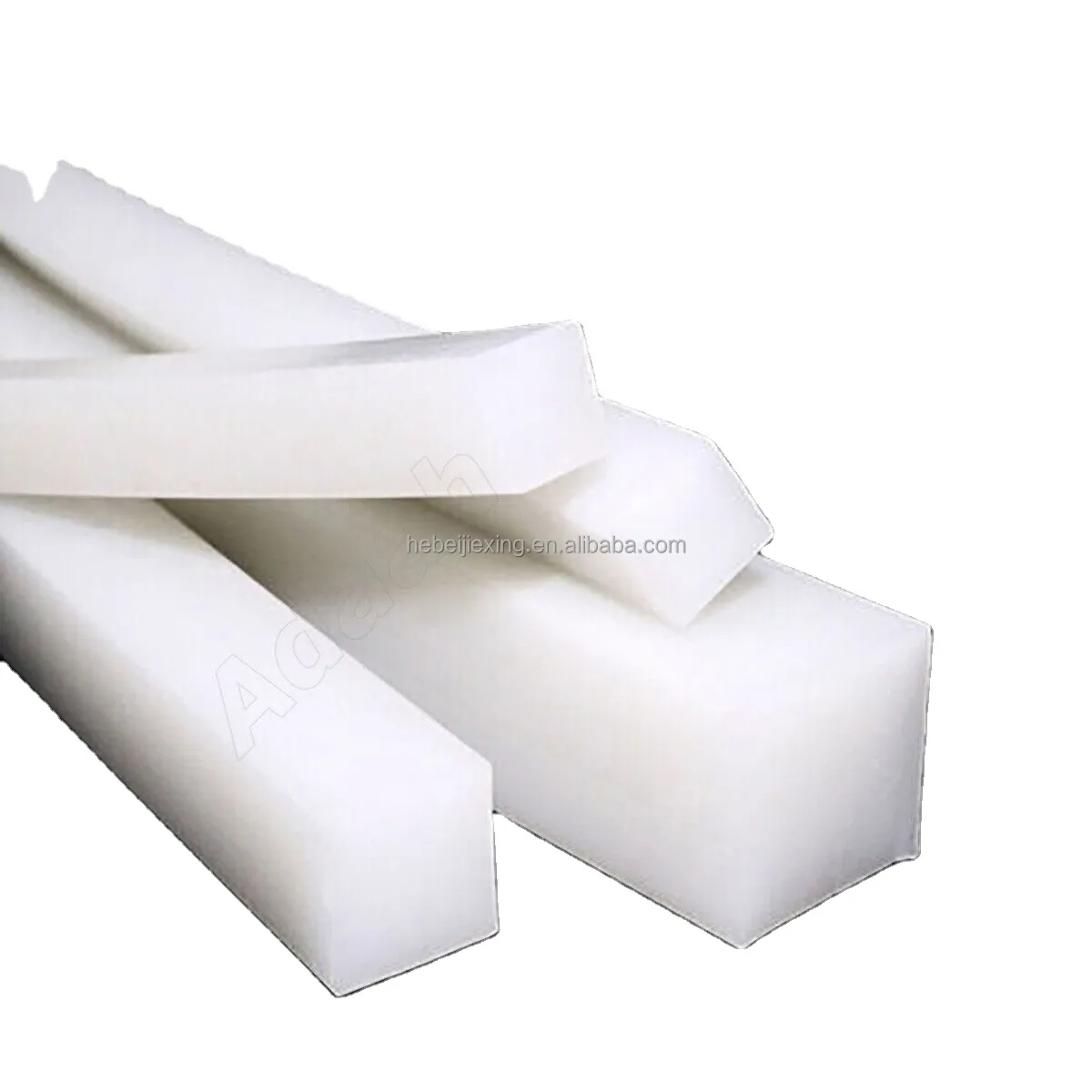
The widespread adoption of silicone strip seal technology in B2B applications is driven by a distinct set of technical advantages that set it apart from other elastomeric materials.
- Extreme Temperature Resistance: Silicone boasts an exceptional operating temperature range, typically from -60°C to +250°C, and even higher for specialized formulations. This makes it ideal for environments ranging from cryogenic storage to high-temperature industrial ovens, where other elastomers would rapidly degrade.
- Superior UV and Ozone Resistance: Unlike organic rubbers that crack and harden under prolonged exposure to sunlight and atmospheric ozone, silicone maintains its physical properties, ensuring long-term sealing integrity in outdoor applications without degradation.
- Chemical and Oil Resistance: While not universally resistant to all chemicals, specialized silicone formulations, such as fluoro-silicone, offer excellent resistance to a wide array of oils, fuels, and solvents, preventing material swell and loss of sealing force. The `Gap Solid Silicone Rubber Strip Anti Oil High Temp` is specifically engineered for enhanced oil resistance.
- Excellent Flexibility and Low Compression Set: Silicone remains flexible and resilient across its entire temperature range. Its low compression set means it retains its elastic properties and sealing effectiveness even after prolonged periods of compression, crucial for maintaining a tight seal over time.
- Durability and Extended Service Life: Thanks to its stable molecular structure, silicone exhibits remarkable resistance to aging, weathering, and fatigue. This translates to an extended service life, often reducing replacement frequency and associated maintenance costs.
- Energy Efficiency: As a superior insulator, silicone helps maintain thermal boundaries, contributing to significant energy savings in heating, ventilation, and air conditioning (HVAC) systems, as well as in industrial ovens and cold storage units.
- Biocompatibility and Purity: Certain grades of silicone are FDA compliant and USP Class VI certified, making them suitable for critical applications in the medical, pharmaceutical, and food processing industries where purity, non-toxicity, and ease of sterilization are paramount.
These advantages collectively position silicone strip seals as a high-value investment for operations where failure is not an option, providing reliable, long-lasting performance.
Application Scenarios and Industry Impact
The versatility and robust performance of silicone strip seals make them indispensable across a wide spectrum of industrial and commercial applications. Their ability to maintain integrity under extreme conditions contributes significantly to operational efficiency and safety.
- Industrial Ovens and High-Temperature Equipment: Essential for sealing doors and access panels in baking ovens, curing ovens, and furnaces in metallurgy and food processing, preventing heat loss and ensuring process stability.
- HVAC Systems and Cleanrooms: Utilized as `silicone weather stripping` in air handling units, ducts, and cleanroom doors to prevent air leakage, maintain pressure differentials, and minimize particulate ingress, crucial for pharmaceutical manufacturing and semiconductor fabrication.
- Automotive and Aerospace: Employed in engine compartments, lighting assemblies, and cabin seals for vibration dampening, weather sealing, and protection against fluids and environmental factors.
- Electrical Enclosures and Outdoor Lighting: Provides reliable sealing against moisture, dust, and environmental pollutants, protecting sensitive electronics and extending the lifespan of outdoor electrical infrastructure.
- Construction and Architectural Sealing: High-grade silicones are used in `wood door weather stripping`, `door bottom seal rubber strip`, and window seals for commercial buildings, offering excellent thermal insulation, sound dampening, and long-term weatherproofing.
- Food Processing and Pharmaceutical Equipment: FDA-compliant silicone door seal strip solutions ensure hygienic sealing in processing machinery, refrigerators, and sterilization units, preventing contamination and supporting rigorous cleaning protocols.
- Water Supply & Drainage Systems: Seals for pipes, joints, and access points where resistance to water, chemicals, and long-term environmental exposure is vital.
In each of these scenarios, the impact of a high-quality silicone strip seal is profound, extending from energy savings and reduced maintenance to enhanced product quality and improved safety standards.
Vendor Comparison and Selection Criteria
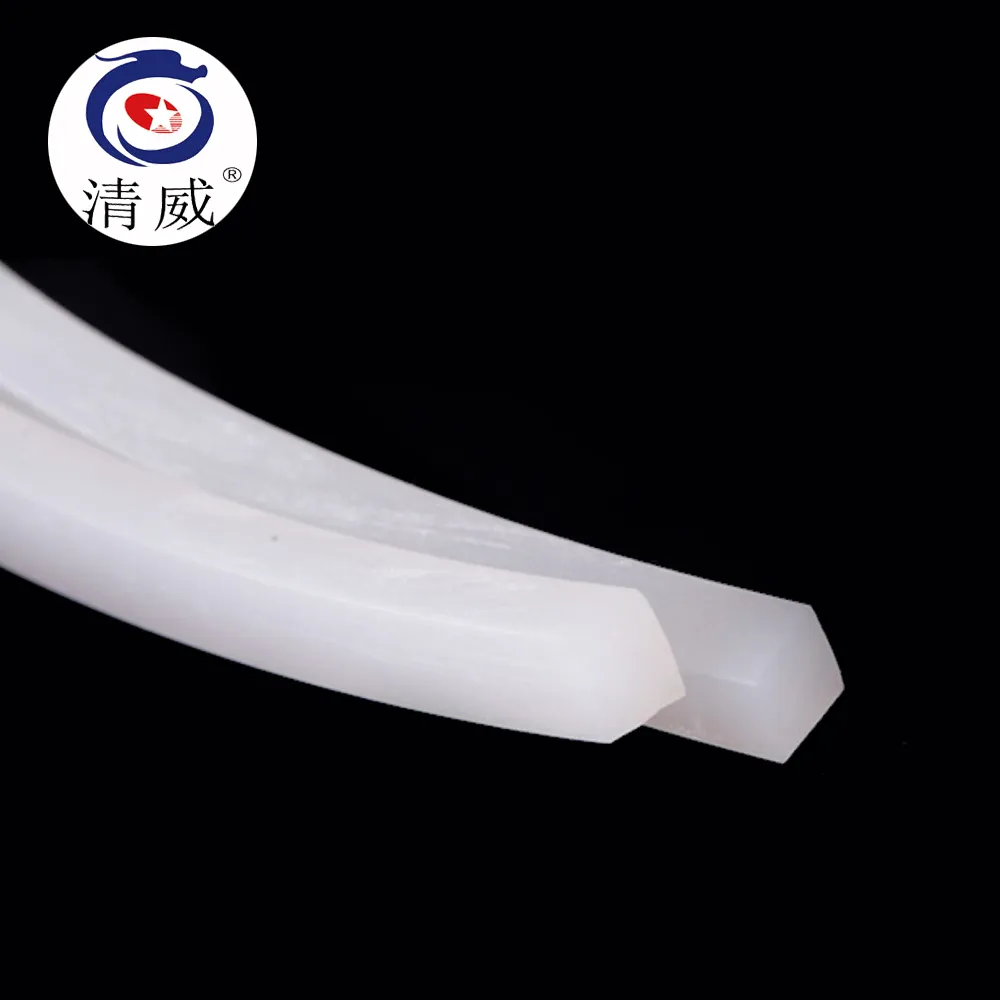
Choosing the right supplier for silicone strip seal solutions requires a comprehensive evaluation beyond just price. Decision-makers must consider several critical factors to ensure product quality, reliability, and long-term value.
Key Selection Criteria:
- Material Quality & Certifications: Verify raw material sourcing and compliance with international standards (e.g., ISO, ASTM, FDA, RoHS). A reputable vendor will provide material data sheets (MDS) and certificates of conformity.
- Manufacturing Capabilities: Assess the vendor's extrusion, molding, and finishing capabilities. Can they handle complex profiles, precise tolerances, and high-volume production? Do they offer secondary operations like adhesive application or specialized cutting?
- Customization Options: The ability to provide custom profiles, material formulations (e.g., oil-resistant, high-strength, colored silicone), and specific durometers is crucial for unique applications.
- Technical Support & Expertise: A strong technical team that can assist with design, material selection, and troubleshooting ensures optimal solutions and reduces project risks.
- Quality Control & Testing: Inquire about their in-house testing facilities and QC protocols. Consistent quality is non-negotiable for critical sealing applications.
- Lead Times & Logistics: Evaluate their production capacity and supply chain efficiency, especially for urgent requirements or large-scale projects.
- Cost-Effectiveness & Value Proposition: While cost is a factor, prioritize the overall value, including product lifespan, performance reliability, and supplier support, which often lead to lower total cost of ownership.
Comparison: Standard vs. High-Performance Silicone Strip Seals:
| Feature | Standard Silicone Strip Seal | High-Performance Silicone Strip Seal (e.g., Anti-Oil, High Temp) |
|---|---|---|
| Temperature Range | -50°C to +200°C | -60°C to +250°C (or specialized to +300°C) |
| Oil/Chemical Resistance | Moderate (poor for aromatic oils) | Good to Excellent (with specific formulations like FVMQ for oil/fuel) |
| Compression Set | Typically ≤ 25% (22h @ 175°C) | Typically ≤ 15% (22h @ 175°C) |
| Tear Strength | 10-15 kN/m | ≥ 18 kN/m (enhanced durability) |
| Certifications | Basic ISO, ASTM adherence | FDA, USP Class VI, UL, NSF (depending on grade) |
| Cost | Lower upfront cost | Higher upfront cost, lower TCO due to longevity |
This comparison highlights the importance of matching product capabilities with application demands. Investing in high-performance solutions often yields significant long-term benefits in reliability and cost-effectiveness.
Customized Solutions for Specialized Needs
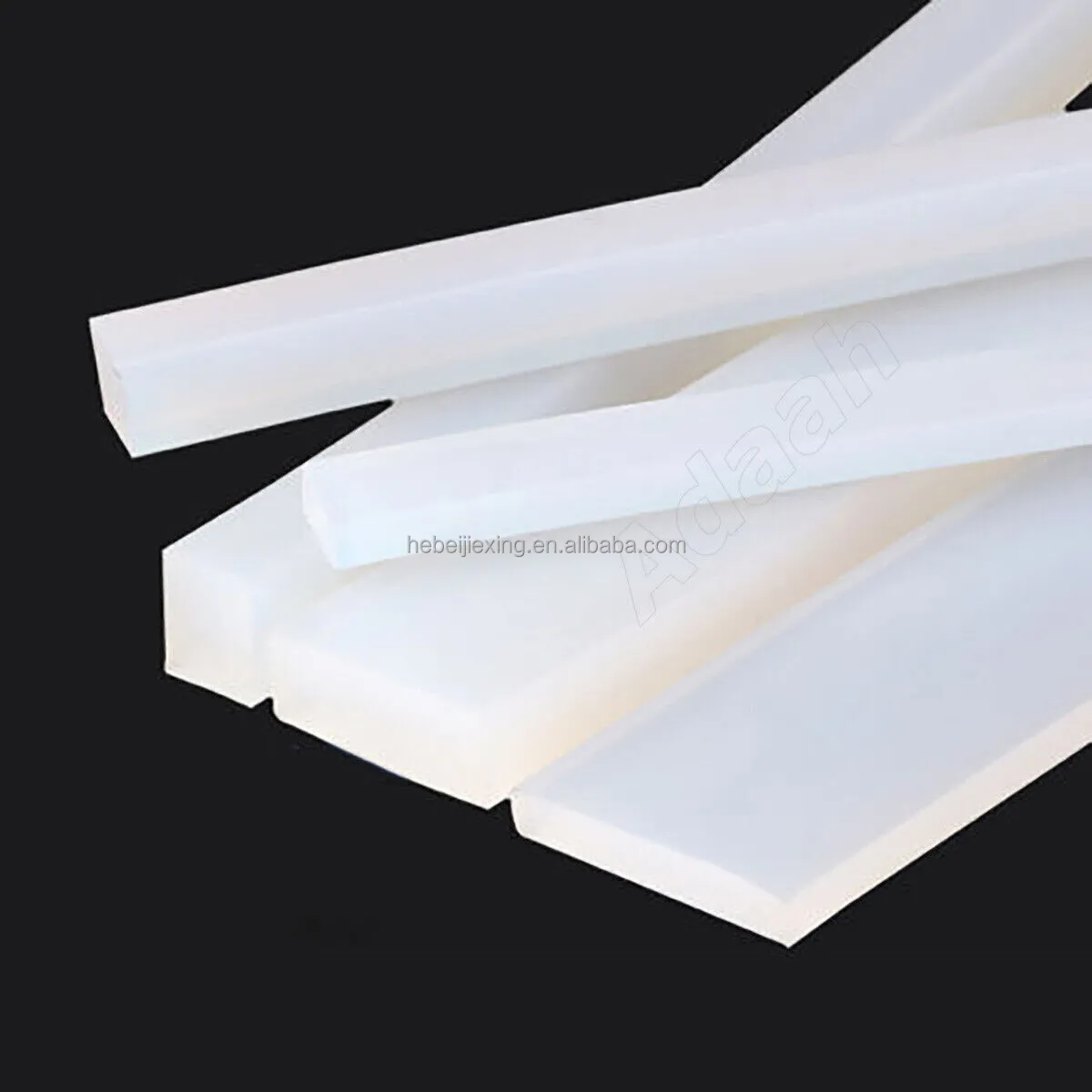
The intricate demands of modern industrial processes often necessitate more than standard off-the-shelf components. For a silicone strip seal, customization is a critical offering that allows businesses to perfectly match sealing solutions to their unique operational challenges. This bespoke approach ensures optimal performance, integration, and longevity.
- Profile Design: Beyond standard square or rectangular strips, manufacturers can engineer custom cross-sectional profiles – including D-shaped, P-shaped, L-shaped, bulb seals, or multi-fin designs – to fit specific grooves, gaps, or sealing mechanisms. This precision fit is vital for achieving maximal sealing efficiency and preventing premature wear.
- Material Formulation: While general silicone offers broad resistance, specific applications might require enhanced properties. Custom formulations can be developed for superior oil resistance (like the `Gap Solid Silicone Rubber Strip Anti Oil High Temp`), extreme high or low-temperature capabilities, improved tear strength, specific flame retardancy (UL 94 V-0), electrical conductivity, or anti-static properties.
- Color Matching: Beyond functional requirements, aesthetic or identification needs might call for specific colors. Custom pigmentation can align seals with brand guidelines or facilitate easy identification within complex assemblies.
- Adhesive Backing: For ease of installation and secure placement, custom adhesive backings can be applied. These can range from general-purpose acrylics to high-temperature silicone-based adhesives, ensuring the seal remains firmly in place under operational stress.
- Assembly and Fabrication: Many applications require seals to be supplied as finished gaskets, vulcanized into rings, or fabricated with specific cut-outs and attachments. Custom fabrication services provide ready-to-install solutions, minimizing on-site labor and potential errors.
Engaging with a manufacturer capable of providing in-depth design consultation, rapid prototyping, and flexible production volumes ensures that the customized silicone strip seal meets precise technical and operational demands, delivering optimal performance and long-term value.
Application Case Studies: Real-World Impact
These case studies illustrate the tangible benefits derived from deploying high-performance silicone strip seals in challenging industrial environments.
Case Study 1: Enhanced Sealing for High-Temperature Industrial Ovens
Client: A leading metal fabrication plant specializing in heat treatment processes.
Challenge: The plant's industrial annealing ovens operated at continuous temperatures of 280°C (536°F). Existing EPDM seals on oven doors deteriorated rapidly, requiring replacement every 3 months. This led to frequent downtime, significant heat loss, and increased energy consumption, impacting both operational efficiency and product quality.
Solution: A custom-designed silicone strip seal, formulated for continuous operation up to 300°C with an ultra-low compression set, was engineered. The specific profile was optimized to ensure a tight, consistent seal across the oven door frame, even with repeated opening and closing cycles.
Outcome: The switch to the specialized silicone seal extended the service life of the seals from 3 months to over 2.5 years. This drastically reduced maintenance interventions and associated labor costs. More importantly, the superior thermal insulation provided by the silicone seal resulted in a documented 15% reduction in energy consumption for the ovens and improved temperature uniformity within the oven, leading to higher quality heat-treated products.
Case Study 2: Maintaining Sterile Environments in Pharmaceutical Manufacturing
Client: A global pharmaceutical manufacturer operating ISO Class 7 cleanrooms for sterile drug production.
Challenge: Maintaining strict particulate control and positive pressure differentials within their cleanroom facilities was critical. Existing PVC seals on `silicone door seal strip` applications were stiff, prone to minor leaks, and reacted adversely to common cleanroom disinfectants, compromising sterility and failing validation audits.
Solution: The manufacturer implemented a specialized, FDA-compliant (21 CFR 177.2600) silicone strip seal designed for cleanroom doors. This particular formulation was tested for chemical inertness against a range of disinfectants and optimized for minimal outgassing. Its inherent flexibility and low compression set ensured a hermetic seal, even after frequent door cycling.
Outcome: The deployment of the FDA-grade silicone seals led to a measurable improvement in cleanroom pressure stability and a significant reduction in airborne particulate counts, allowing the facility to consistently meet and exceed ISO Class 7 requirements. The seals demonstrated excellent resistance to cleaning agents, extending their lifespan and reducing replacement cycles, thereby enhancing overall operational compliance and reducing validation risks.
Commitment to Quality and Customer Trust
Building lasting partnerships in the B2B sector hinges on unwavering commitment to quality, transparency, and robust customer support. As a provider of advanced sealing solutions, our dedication to these principles ensures that clients receive not just a product, but a reliable, high-performing solution backed by expertise.
- Certifications & Authoritativeness: Our manufacturing processes adhere strictly to international quality management systems, including ISO 9001:2015, ensuring consistent quality from raw material sourcing to final product delivery. Many of our specialized silicone grades comply with industry-specific standards such as FDA 21 CFR 177.2600 for food contact, USP Class VI for medical applications, and UL ratings for flammability, providing authoritative assurance of product integrity and safety.
- Years of Service & Client Partnerships: With decades of specialized experience in elastomer engineering, we have established ourselves as a trusted partner to leading enterprises across diverse industries. Our long-standing relationships are a testament to our consistent delivery of high-quality solutions and responsive service.
- Warranty Commitments: We stand behind the quality of our silicone strip seal products with comprehensive warranties. These commitments underscore our confidence in the durability and performance of our seals under specified operating conditions, offering peace of mind to our clients.
- Lead Time & Fulfillment: Our optimized production and robust supply chain management enable efficient order processing and reliable lead times. We leverage advanced logistics to ensure on-time delivery, supporting our clients' critical production schedules.
- Customer Support & After-Sales Service: Our dedicated team of technical experts and customer service professionals is available to provide comprehensive support, from initial design consultation and material selection to installation guidance and post-purchase assistance. This ensures that every client maximizes the value and performance of their sealing solutions.
Our proactive approach to quality assurance and customer care cultivates a foundation of trust, reinforcing our commitment to delivering superior sealing solutions that meet and exceed expectations.
Frequently Asked Questions (FAQ) about Silicone Strip Seals
-
Q1: What is the typical service life of a silicone strip seal?
A1: With proper selection and installation, high-quality silicone strip seals can have a service life of 10-20 years, even in challenging environments. Their excellent resistance to UV, ozone, and temperature extremes contributes significantly to this longevity.
-
Q2: Can silicone seals withstand exposure to aggressive chemicals?
A2: Standard silicone offers good resistance to many chemicals, water, and steam. For aggressive chemicals, fuels, and oils, specialized formulations like fluoro-silicone (FVMQ) are available, providing enhanced chemical resistance. Always consult material compatibility charts for specific applications.
-
Q3: Are customized profiles and colors available for silicone strip seals?
A3: Absolutely. Most reputable manufacturers offer extensive customization options, including bespoke profile designs, specific material formulations, and a wide range of colors to meet unique aesthetic or functional requirements.
-
Q4: How do I select the correct hardness (durometer) for my application?
A4: The ideal hardness (measured in Shore A) depends on the compression force required, the gap size, and the sealing surface characteristics. Softer materials (e.g., 30-50 Shore A) conform better to irregular surfaces, while harder materials (e.g., 60-80 Shore A) offer greater resistance to deformation under high pressure. Consulting with a technical expert is recommended.
-
Q5: What are the primary advantages of silicone over EPDM or PVC seals?
A5: Silicone significantly outperforms EPDM and PVC in temperature resistance (both high and low), UV and ozone resistance, and compression set. While EPDM offers good water and steam resistance, and PVC is generally more rigid and cost-effective, silicone's superior environmental stability and longevity make it the preferred choice for demanding or critical applications where performance and reliability are paramount.
Conclusion
The strategic deployment of high-quality silicone strip seal solutions is more than a procurement decision; it is an investment in the long-term reliability, efficiency, and safety of industrial and commercial operations. From their meticulous manufacturing process and exceptional technical specifications to their versatile application across diverse sectors, silicone seals represent the pinnacle of sealing technology. By offering unparalleled resistance to extreme temperatures, harsh environments, and chemical exposure, alongside customizable designs, these seals empower businesses to achieve superior performance, reduce operational costs, and maintain stringent quality standards. As industries continue to evolve, the demand for such high-performance sealing solutions will only grow, cementing the silicone strip seal's role as an indispensable component in the modern industrial landscape.
References
- ASTM International. "Standard Classification System for Rubber Products in Automotive Applications." ASTM D2000.
- International Organization for Standardization. "Quality management systems - Requirements." ISO 9001:2015.
- U.S. Food and Drug Administration. "Indirect Food Additives: Polymers." 21 CFR 177.2600.
- UL Standards. "Tests for Flammability of Plastic Materials for Parts in Devices and Appliances." UL 94.
- American Chemical Society. "Properties and Applications of Silicone Elastomers." Rubber Chemistry and Technology, Vol. 85, No. 3, pp. 385-401.
-
Understanding e3 edge banding tape price and Value FactorsNewsApr.16,2026
-
Premium Birch Edge Tape Guide for Professional Furniture FinishingNewsApr.09,2026
-
Comprehensive Guide to 2mm Edge Banding Tape for Furniture and CabinetryNewsApr.07,2026
-
Comprehensive Guide to Choosing the Right 18mm Edge Banding for Your ProjectsNewsApr.04,2026
-
Comprehensive Guide to Pre Glued Melamine Edging Applications and InstallationNewsMar.31,2026
-
Comprehensive Guide to Self Adhesive Edge Banding Tape Applications and SelectionNewsMar.28,2026
-
Comprehensive Guide to Wood Veneer Edging Strips for Furniture and Woodworking ProjectsNewsMar.26,2026