The exterior door bottom seal strip is a crucial component in building weatherproofing, offering significant energy savings and comfort. Globally, increasing focus on energy efficiency and sustainable building practices drives demand for effective sealing solutions. These strips play a vital role in minimizing air infiltration, reducing heating and cooling costs, and improving indoor air quality. Understanding the nuances of these seals – their materials, installation, and performance characteristics – is essential for architects, contractors, and homeowners alike.
The market for exterior door bottom seal strip is experiencing steady growth, fueled by stringent building codes and rising energy prices. According to reports from the US Energy Information Administration, residential energy consumption accounts for a substantial portion of total energy usage, highlighting the importance of minimizing energy loss through building envelopes. Effective door bottom seals contribute directly to these savings, making them a cost-effective investment.
Moreover, the increasing awareness of indoor air quality and its impact on health is also driving adoption. Exterior door bottom seal strips help prevent drafts, dust, pollen, and even insects from entering the home, creating a healthier and more comfortable living environment. As the world shifts toward more sustainable and healthy building practices, the importance of a properly sealed exterior door – and the role of the bottom seal strip – continues to grow.
The Core Principles of exterior door bottom seal strip
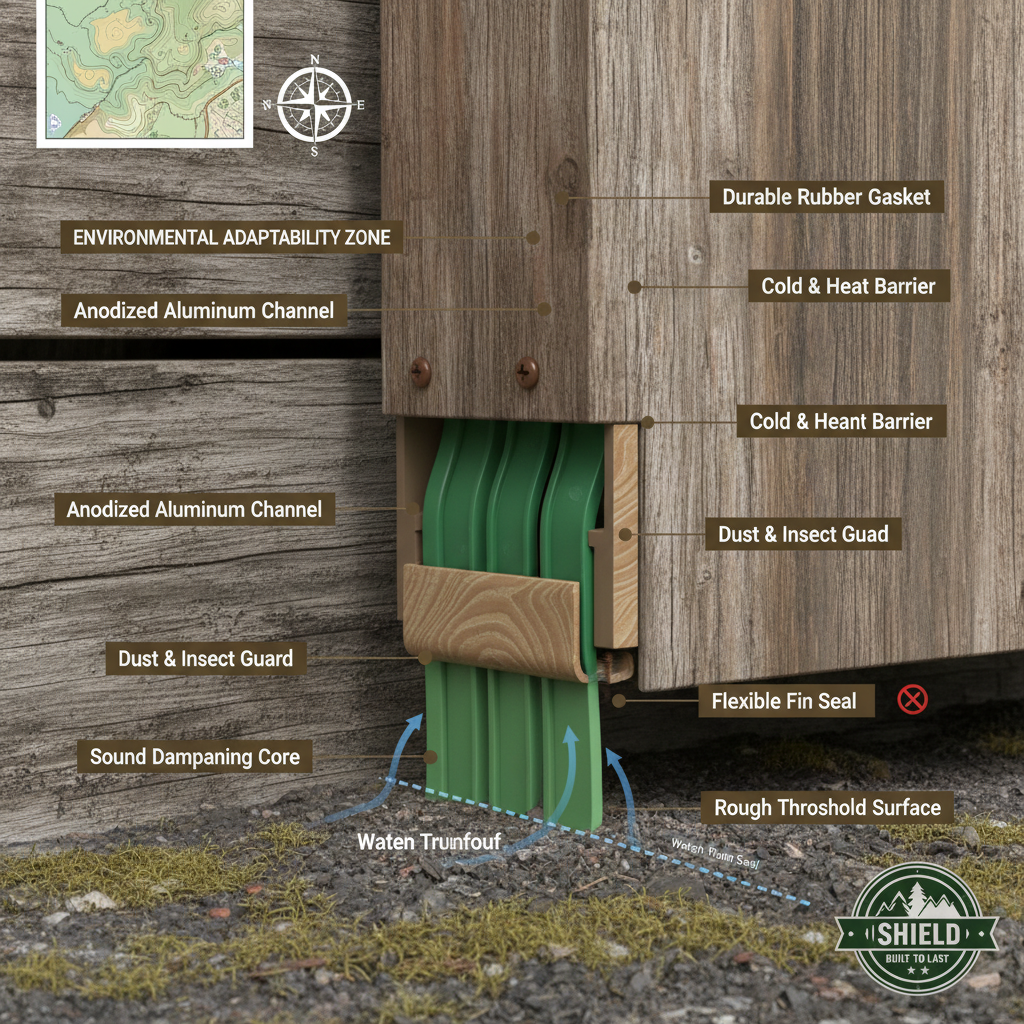
At its core, an exterior door bottom seal strip functions by creating a physical barrier against air, water, dust, and insects. This is achieved through a combination of flexible materials and precise design, ensuring a tight fit between the door and the threshold. The effectiveness of the seal depends heavily on the material’s compressibility, resilience, and resistance to weathering.
The primary principle behind these seals is to minimize the gap present at the bottom of the door, which is often a significant source of energy loss and discomfort. By effectively blocking airflow, they contribute to energy conservation, reduced heating and cooling costs, and a more comfortable indoor environment. A well-installed exterior door bottom seal strip is a small investment with substantial returns.
The Global Impact and Relevance of exterior door bottom seal strip
The need for effective building weatherization is a global concern. From the frigid climates of Northern Europe to the humid conditions of Southeast Asia, maintaining comfortable indoor temperatures and preventing moisture intrusion are universal challenges. The United Nations Sustainable Development Goal 7, focused on affordable and clean energy, highlights the importance of energy efficiency in buildings, where exterior door bottom seal strip plays a significant role.
Globally, building codes are becoming increasingly stringent, mandating higher levels of energy performance. Organizations like the International Organization for Standardization (ISO) develop standards for thermal performance, influencing building practices worldwide. Adopting high-quality exterior door bottom seal strips is often a cost-effective way to meet these standards.
Furthermore, the growing awareness of climate change and the need to reduce carbon emissions has increased the demand for energy-efficient building materials and practices. An often-overlooked component like the exterior door bottom seal strip is making a considerable impact on reducing overall energy consumption and promoting sustainability worldwide.
Defining exterior door bottom seal strip: A Comprehensive Overview
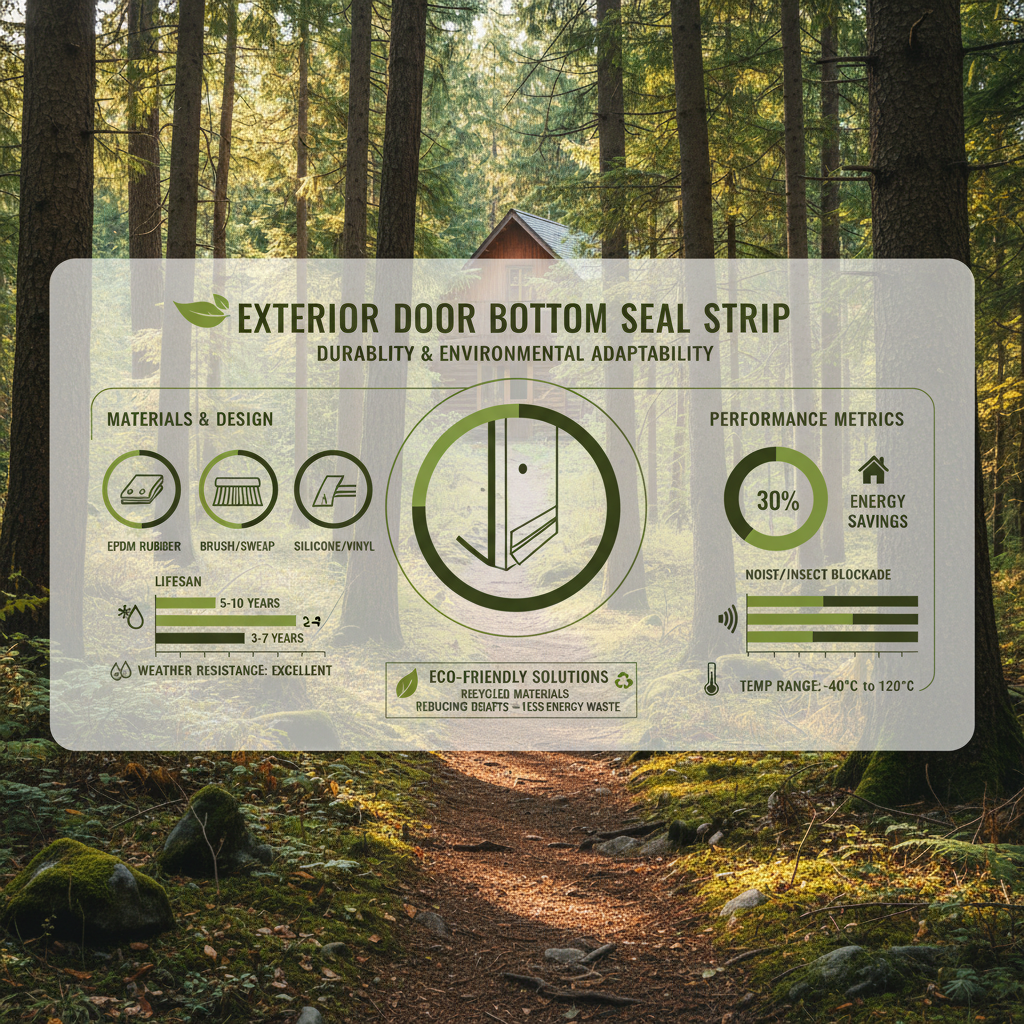
An exterior door bottom seal strip is a weather-stripping component designed to close the gap between the bottom of an exterior door and the threshold. Its primary function is to prevent air, water, dust, and insects from entering a building. Typically made from materials like rubber, silicone, vinyl, or foam, these strips are available in various shapes and sizes to accommodate different door types and threshold designs.
The connection to modern industry lies in the continuous drive for energy efficiency and building performance. As building science advances, seal strips are engineered with more sophisticated materials and designs to provide a tighter, more durable seal. They are integral to passive house construction, LEED-certified buildings, and other green building initiatives, representing a critical element of sustainable architecture.
In terms of humanitarian needs, a properly sealed door, utilizing an effective exterior door bottom seal strip, can significantly improve living conditions in various scenarios – from disaster relief shelters to low-income housing. By preventing drafts and moisture intrusion, these seals contribute to a healthier and more comfortable living environment for vulnerable populations.
Key Factors Influencing exterior door bottom seal strip Performance
Several key factors contribute to the effective performance of an exterior door bottom seal strip. Durability is paramount; the strip must withstand repeated compression, exposure to UV radiation, and temperature fluctuations without losing its shape or elasticity. Scalability, meaning the ease with which it can be adapted to various door sizes and types, is also crucial for widespread adoption.
Cost efficiency is a significant consideration for both homeowners and contractors. A high-performing seal strip doesn’t necessarily have to be expensive. Effective design and material selection can deliver optimal performance at a reasonable price point. Further, the ease of installation directly impacts labor costs, making user-friendly designs highly desirable.
Comparative Performance of exterior door bottom seal strip Types
Real-World Applications of exterior door bottom seal strip
Exterior door bottom seal strip is universally applied in residential construction, providing a critical layer of weather protection for homes and apartments. Its use extends to commercial buildings – offices, retail spaces, and hotels – where maintaining consistent indoor temperatures and minimizing energy loss are paramount. In colder climates, these seals are particularly important for preventing ice dams and moisture damage.
Beyond standard construction, these seals are crucial in specialized applications like shipping containers converted into temporary housing. In post-disaster relief operations, providing rapid shelter is a priority, and utilizing containers with properly sealed doors, thanks to an effective exterior door bottom seal strip, can significantly enhance habitability.
The Advantages and Long-Term Value of exterior door bottom seal strip
The tangible benefits of installing an exterior door bottom seal strip are numerous. Reduced energy bills are a primary driver, offering a quick return on investment. Increased comfort is another key advantage, eliminating drafts and creating a more pleasant indoor environment. Improved indoor air quality, by blocking dust, pollen, and insects, enhances the health and well-being of occupants.
The long-term value extends beyond cost savings and comfort. By preventing moisture intrusion, these seals protect building materials from damage, extending the lifespan of doors, frames, and surrounding structures. The peace of mind knowing that your home is well-protected from the elements adds significant value – a sense of safety, security, and trust in the quality of your home’s construction.
Future Trends and Innovations in exterior door bottom seal strip Technology
The future of exterior door bottom seal strip technology is focused on enhancing performance, sustainability, and ease of installation. Researchers are exploring new materials – including bio-based polymers and recycled plastics – to reduce the environmental impact of these seals. Self-adjusting seals that automatically conform to uneven thresholds are also under development, promising a tighter and more reliable seal.
Integration with smart home systems is another emerging trend. Sensors embedded in the seal could monitor its condition and alert homeowners to potential issues, such as wear and tear or damage. These advancements will contribute to more energy-efficient, comfortable, and sustainable buildings. The impact of digital transformation and automation will refine both production and installation methods.
Furthermore, policy incentives and building code updates are expected to drive wider adoption of high-performance weather stripping solutions, including advanced exterior door bottom seal strip designs. These trends collectively point toward a future where building envelopes are increasingly airtight and energy-efficient.
FAQS
The lifespan of an exterior door bottom seal strip varies depending on the material, weather exposure, and frequency of use. Generally, vinyl and silicone strips can last 5-10 years, while rubber strips may need replacing every 3-5 years. Regular inspection and maintenance, such as cleaning and lubrication, can extend the lifespan. Factors like UV exposure, temperature fluctuations, and constant compression can accelerate wear and tear.
To determine the correct size, measure the width of the door and the gap between the door and the threshold. Seal strips come in various widths and thicknesses. It’s important to select a strip that fits snugly within the gap without being overly compressed or leaving significant openings. Some strips are adjustable, offering greater flexibility. Refer to the manufacturer’s instructions for specific sizing guidelines.
While some exterior door bottom seal strips are designed for DIY installation, professional installation is recommended for optimal performance. A professional can ensure a precise fit, proper alignment, and secure attachment, maximizing the seal’s effectiveness. Incorrect installation can lead to air leaks and premature wear and tear. For complex door systems or challenging threshold configurations, professional installation is particularly crucial.
Common materials include vinyl, rubber, silicone, and foam. Vinyl is affordable and durable but can become brittle in cold weather. Rubber is flexible and provides a good seal but may deteriorate with UV exposure. Silicone is highly resistant to weathering and temperature extremes but is typically more expensive. Foam provides cushioning but may compress over time. The best material depends on your climate, budget, and performance requirements.
Regular maintenance can significantly extend the lifespan of your seal strip. Clean the strip periodically with mild soap and water to remove dirt and debris. Lubricate the strip with silicone spray to maintain its flexibility. Inspect for signs of wear and tear, such as cracks or compression, and replace the strip when necessary. Avoid using harsh chemicals or abrasive cleaners.
Yes, several options are available for uneven thresholds. Adjustable seal strips allow you to customize the height and compression, accommodating variations in the threshold surface. Brush-style seals can also conform to uneven surfaces, providing a flexible barrier. Some seals incorporate a flexible fin that adjusts to the threshold’s contour. When selecting a seal for an uneven threshold, prioritize adjustability and flexibility.
Conclusion
The exterior door bottom seal strip is a remarkably effective, often-overlooked component of any building envelope. From enhancing energy efficiency and reducing utility costs to improving indoor air quality and promoting sustainability, the benefits are far-reaching. Understanding the core principles, available materials, and proper installation techniques is essential for maximizing its performance and long-term value.
Looking ahead, continued innovation in materials science and smart home integration will further elevate the role of the exterior door bottom seal strip. By embracing these advancements, we can create more comfortable, energy-efficient, and sustainable buildings for the future. For high-quality seal strips and expert advice, visit our website: www.qzseals.com.