Sliding door sweeps are essential components in maintaining comfortable and energy-efficient indoor environments. These seemingly simple strips play a crucial role in sealing the gap between a sliding door and its track, preventing drafts, dust, insects, and even moisture from entering a building. The widespread adoption of sliding doors in both residential and commercial properties globally drives the demand for effective and durable sliding door sweeps. Understanding their function, types, and proper installation is vital for homeowners, building managers, and contractors alike.
The global market for sliding door sweeps is experiencing steady growth, fueled by rising construction activity, increasing energy consciousness, and a growing emphasis on indoor air quality. According to recent industry reports, the Asia-Pacific region represents the largest market share, driven by rapid urbanization and infrastructure development in countries like China and India. North America and Europe also constitute significant markets, with a focus on high-performance and aesthetically pleasing solutions. This demand is directly linked to building codes increasingly requiring effective weather sealing to reduce energy consumption.
Addressing the challenge of air leakage and maintaining consistent indoor temperatures is paramount in today’s world, where energy costs are constantly fluctuating and environmental sustainability is a key priority. Sliding door sweeps offer a relatively inexpensive and straightforward solution to these problems, making them an integral part of modern building design and maintenance practices.
Introduction to Sliding Door Sweeps
Sliding door sweeps are more than just accessories; they represent a thoughtful integration of design and functionality. Their effectiveness directly impacts energy efficiency, comfort, and the overall longevity of both the sliding door itself and the surrounding structure. Choosing the right sweep material and design is critical for optimal performance and durability.
The purpose of a sliding door sweep goes beyond simply blocking drafts. They also protect against water damage, prevent pest intrusion, and minimize noise transmission. These seemingly small benefits add up to significant cost savings and enhanced quality of life for building occupants. Regular inspection and replacement of worn sweeps are essential for maintaining these benefits.
Defining Sliding Door Sweeps
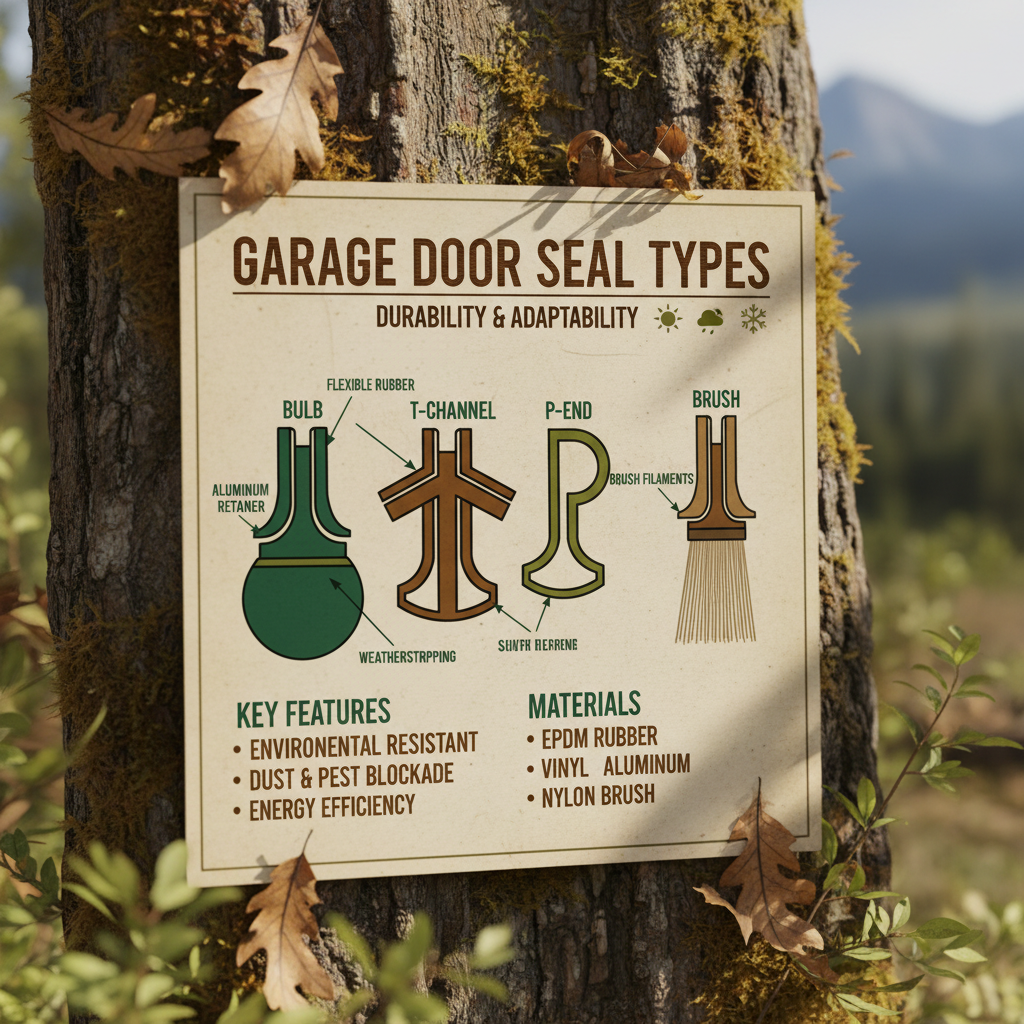
A sliding door sweep is a strip of material attached to the bottom edge of a sliding door. Its primary function is to create a seal between the door and the threshold, effectively minimizing gaps that allow air, water, dust, and insects to pass through. These sweeps are typically made from materials like vinyl, rubber, felt, or silicone.
In modern construction, sliding door sweeps are increasingly recognized as crucial components in achieving energy-efficient building envelopes. They contribute to LEED certification and meet stringent building code requirements focused on reducing energy consumption. Their installation is a relatively simple and cost-effective way to enhance a building’s overall performance.
Beyond residential applications, sliding door sweeps are also essential in commercial settings such as retail stores, offices, and warehouses. In these environments, they help maintain consistent temperatures, reduce utility costs, and protect valuable inventory from the elements.
Core Components and Factors
The effectiveness of a sliding door sweep depends on several key factors. First, the material plays a crucial role. Vinyl sweeps are affordable and durable, while rubber sweeps offer excellent flexibility and sealing capabilities. Silicone sweeps are highly resistant to extreme temperatures and weathering, making them ideal for harsh climates.
Durability is another critical aspect. The sweep must withstand repeated use and exposure to the elements without cracking, warping, or losing its shape. High-quality sweeps are designed to maintain their integrity for years, minimizing the need for frequent replacements. Consider the expected foot traffic and environmental conditions when selecting a sweep.
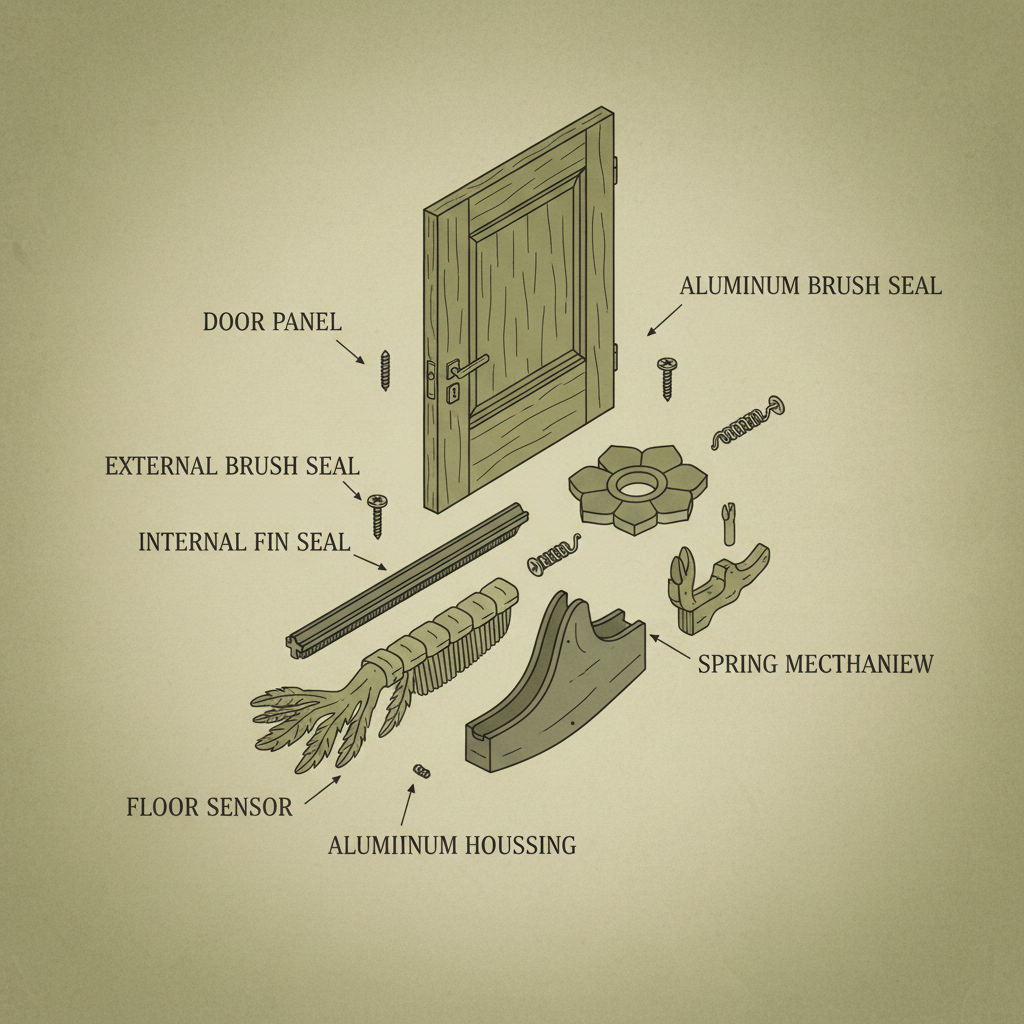
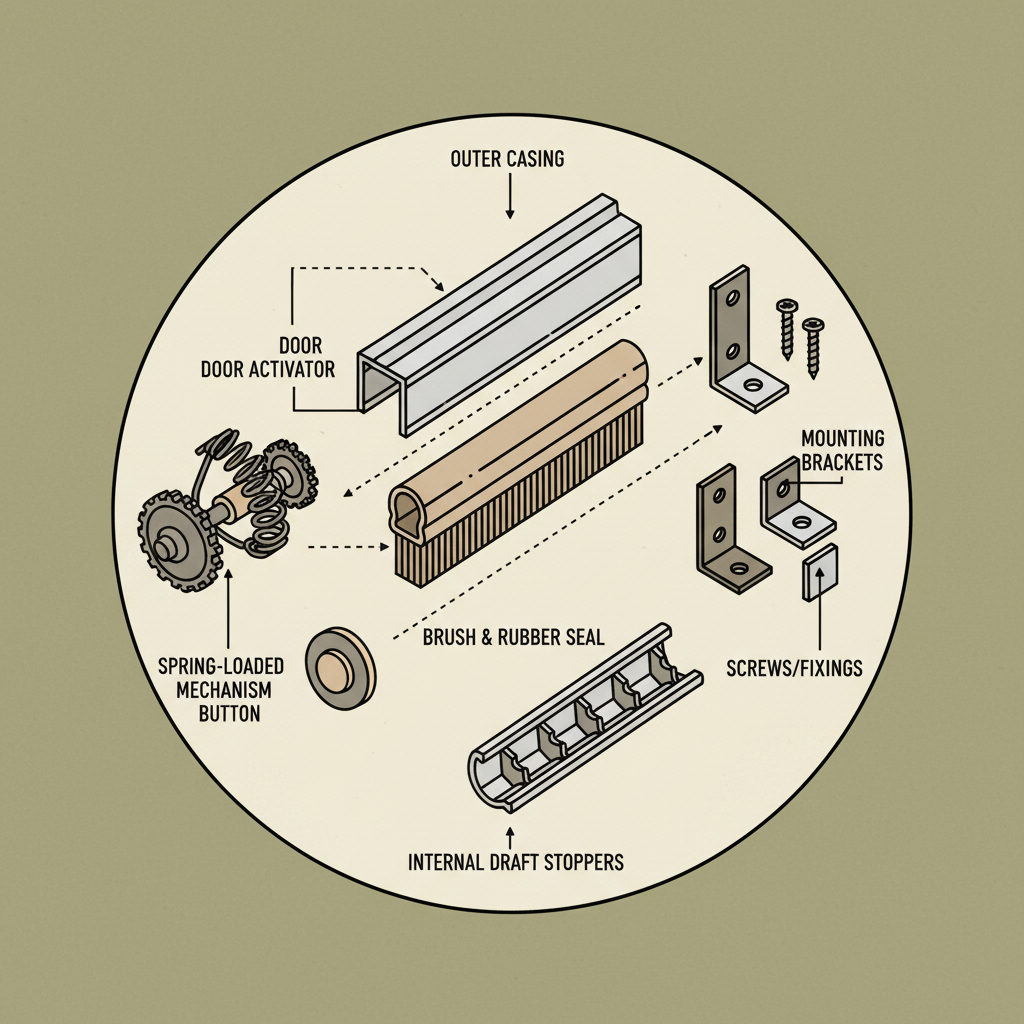
Installation is paramount. A properly installed sweep creates a tight seal, while a poorly installed sweep can render it ineffective. Ensuring the sweep is the correct length and securely fastened to the door is essential. Finally, compatibility with the door’s track and threshold is key. Choosing a sweep designed for your specific door type will ensure optimal performance.
Global Applications of Sliding Door Sweeps
Sliding door sweeps find applications in a vast range of settings across the globe. In residential construction, they are standard features in homes with sliding glass doors leading to patios, decks, or balconies. Their use is prevalent in temperate and subtropical regions where minimizing heat gain or loss is crucial for comfort and energy savings.
Commercially, sliding door sweeps are widely used in storefronts and shopping malls, providing a barrier against the elements and maintaining a comfortable shopping environment. They are also essential in industrial facilities, such as warehouses and loading docks, where they help seal large openings and prevent the ingress of dust, debris, and pests.
In post-disaster relief operations, quick-deployable shelters often utilize sliding door sweeps to provide a basic level of weather protection and privacy for displaced individuals. Even in remote industrial zones, maintaining a controlled environment is crucial, and properly installed sliding door sweeps contribute to operational efficiency.
Sliding Door Sweep Performance Comparison
Advantages and Long-Term Value
The benefits of installing high-quality sliding door sweeps are multifaceted. From a cost perspective, they offer a relatively inexpensive way to significantly reduce energy bills by preventing air leakage. The savings on heating and cooling costs can quickly offset the initial investment.
In terms of sustainability, reduced energy consumption translates to a smaller carbon footprint. By minimizing the need for excessive heating or cooling, sliding door sweeps contribute to a more environmentally friendly building operation. Choosing sweeps made from recycled materials further enhances their environmental benefits.
Future Trends in Sliding Door Sweep Technology
Innovation in sliding door sweep technology is focused on creating more durable, adaptable, and aesthetically pleasing products. Smart sweeps with sensors that automatically adjust to changes in temperature or pressure are emerging. These intelligent sweeps optimize sealing performance and further enhance energy efficiency.
Research into new materials, such as advanced polymers and self-healing elastomers, promises to create sweeps that are even more resistant to wear and tear. The integration of digital design and manufacturing techniques will allow for customized sweeps tailored to specific door types and architectural styles.
Challenges and Innovative Solutions
One common challenge with sliding door sweeps is maintaining a consistent seal over time, as they can become compressed or damaged with repeated use. Innovative solutions include self-adjusting sweeps that maintain optimal contact with the threshold, and sweeps with replaceable inserts that extend their lifespan.
Another challenge is ensuring compatibility with various door and threshold designs. Universal sweeps that can be easily adapted to different configurations are gaining popularity. The development of standardized sizing and installation procedures will also help to address this issue.
Proper installation is often overlooked. Utilizing online tutorials, detailed instruction manuals, and even professional installation services can help ensure optimal performance and longevity of the sliding door sweeps.
Summary of Common Sliding Door Sweep Issues and Solutions
| Issue |
Severity |
Likelihood |
Potential Solution |
| Wear and Tear |
Medium |
High |
Replace Sweep |
| Poor Seal |
High |
Medium |
Re-Install or Adjust |
| Incorrect Size |
Medium |
Low |
Replace with Correct Size |
| Material Degradation |
Low |
Medium |
Replace with More Durable Material |
| Insect Intrusion |
Low |
Medium |
Install Brush Sweep |
| Water Damage |
High |
Low |
Ensure Proper Drainage & Seal |
FAQS
The lifespan of a sliding door sweep varies depending on the material, frequency of use, and environmental conditions. Generally, vinyl sweeps last 5-7 years, rubber sweeps 3-5 years, and silicone sweeps can last upwards of 10 years. Regular inspection and replacement of worn sweeps are crucial for maintaining their effectiveness and preventing energy loss. Consider the climate and foot traffic when estimating lifespan.
Measuring for a replacement sweep is relatively straightforward. First, measure the width of the door. Then, measure the thickness of the door. Finally, determine the type of sweep you need – whether it's a flat sweep, a T-sweep, or a Q-sweep. Most manufacturers provide detailed measuring guides on their websites to ensure a proper fit. Accurate measurements are essential for optimal performance.
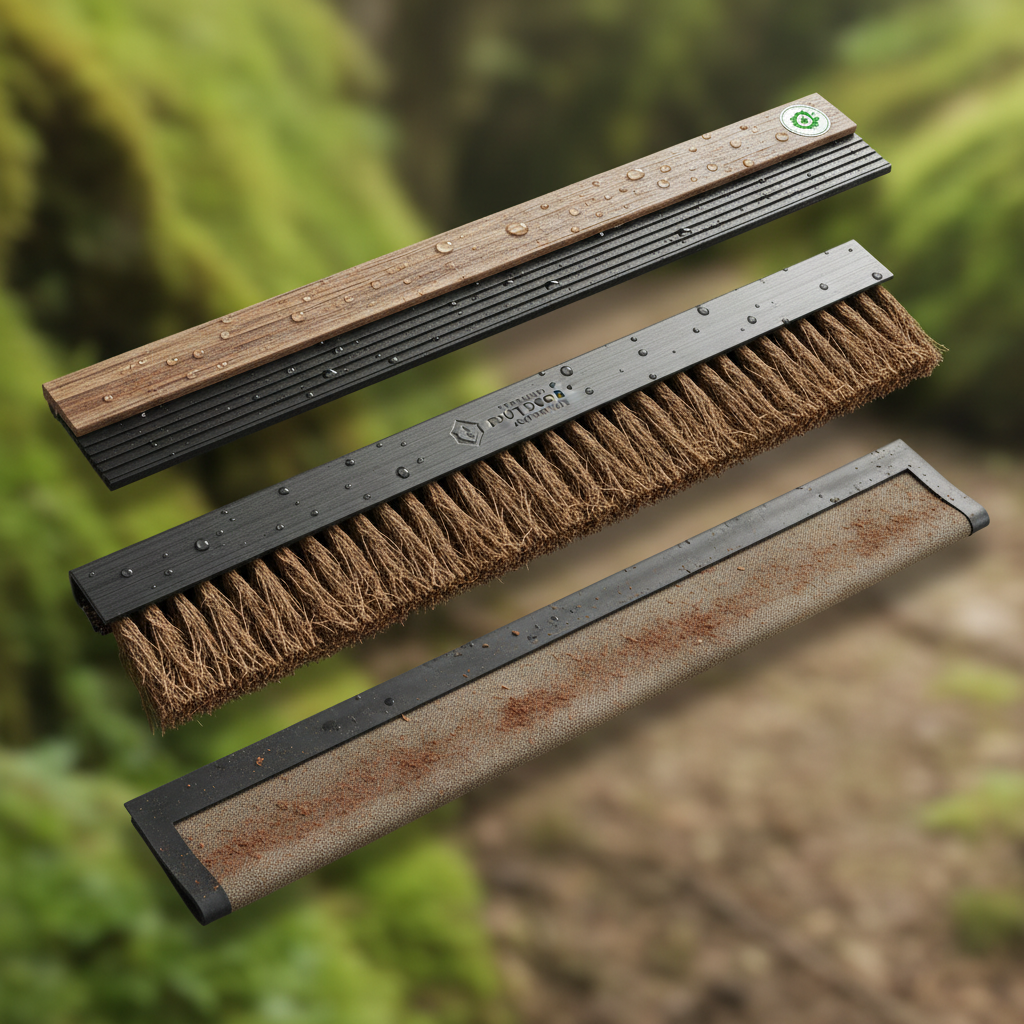
Common materials include vinyl, rubber, silicone, and felt. Vinyl is affordable and durable, rubber offers excellent flexibility, silicone is resistant to extreme temperatures, and felt provides a softer seal. Brush sweeps, often used for commercial doors, offer a durable and flexible option. The best material depends on your specific needs and budget.
Yes, many sliding door sweeps can be installed by a homeowner with basic DIY skills. However, proper installation is crucial for optimal performance. If you’re unsure about any step, it’s best to consult a professional. Improper installation can lead to air leaks and reduced effectiveness. Ensure you have the right tools and follow the manufacturer’s instructions.
Regular cleaning helps extend the lifespan of your sweep. Wipe it down with a damp cloth and mild detergent to remove dirt and debris. Avoid using harsh chemicals or abrasive cleaners, as they can damage the material. Periodically inspect the sweep for signs of wear and tear, and replace it if necessary.
Brush sweeps are excellent for commercial applications where frequent door usage is expected. They’re very durable, flexible, and offer a good seal against dust, debris, and insects. They also tend to withstand higher temperatures than some other materials. They are particularly effective at blocking drafts and reducing energy loss in high-traffic areas.
Conclusion
In conclusion, sliding door sweeps are indispensable components of modern buildings, offering a simple yet effective solution to a range of challenges – from energy efficiency and pest control to comfort and noise reduction. Understanding their function, types, and proper installation is vital for homeowners, building managers, and contractors alike. Investing in high-quality sweeps and maintaining them regularly delivers significant long-term benefits.
Looking ahead, continued innovation in materials and designs will further enhance the performance and longevity of sliding door sweeps. By embracing new technologies and prioritizing sustainability, we can create more comfortable, energy-efficient, and environmentally friendly built environments. For a wide selection of high-quality sliding door sweeps and expert advice, visit our website: www.qzseals.com.