Telephone: +8618730949119
0%

Table of Contents

The humble garage door bottom, often overlooked, plays a critical role in protecting homes and businesses from the elements, pests, and even security breaches. Ensuring a proper seal at the bottom of a garage door isn’t just about comfort; it directly impacts energy efficiency, longevity of the door itself, and the safety of stored belongings. Understanding the nuances of garage door bottom seals is therefore essential for homeowners, contractors, and anyone involved in property maintenance.

Globally, the market for garage door components, including the bottom seal, is substantial and growing, driven by new construction, home renovation trends, and increasing awareness of energy conservation. The United Nations Environment Programme (UNEP) highlights the importance of building efficiency in reducing carbon emissions, and a well-sealed garage door contributes significantly to this goal. Data from the World Bank indicates a consistent global investment in residential construction, fueling demand for these components.

A compromised garage door bottom can lead to significant issues, from increased heating and cooling bills to potential water damage and pest infestations. Addressing these problems proactively with a quality garage door bottom seal is a cost-effective solution that delivers lasting benefits and protects valuable assets.

Essential Guide to Garage Door Bottom Seals for Home and Business Owners

Defining the Garage Door Bottom

Essential Guide to Garage Door Bottom Seals for Home and Business Owners

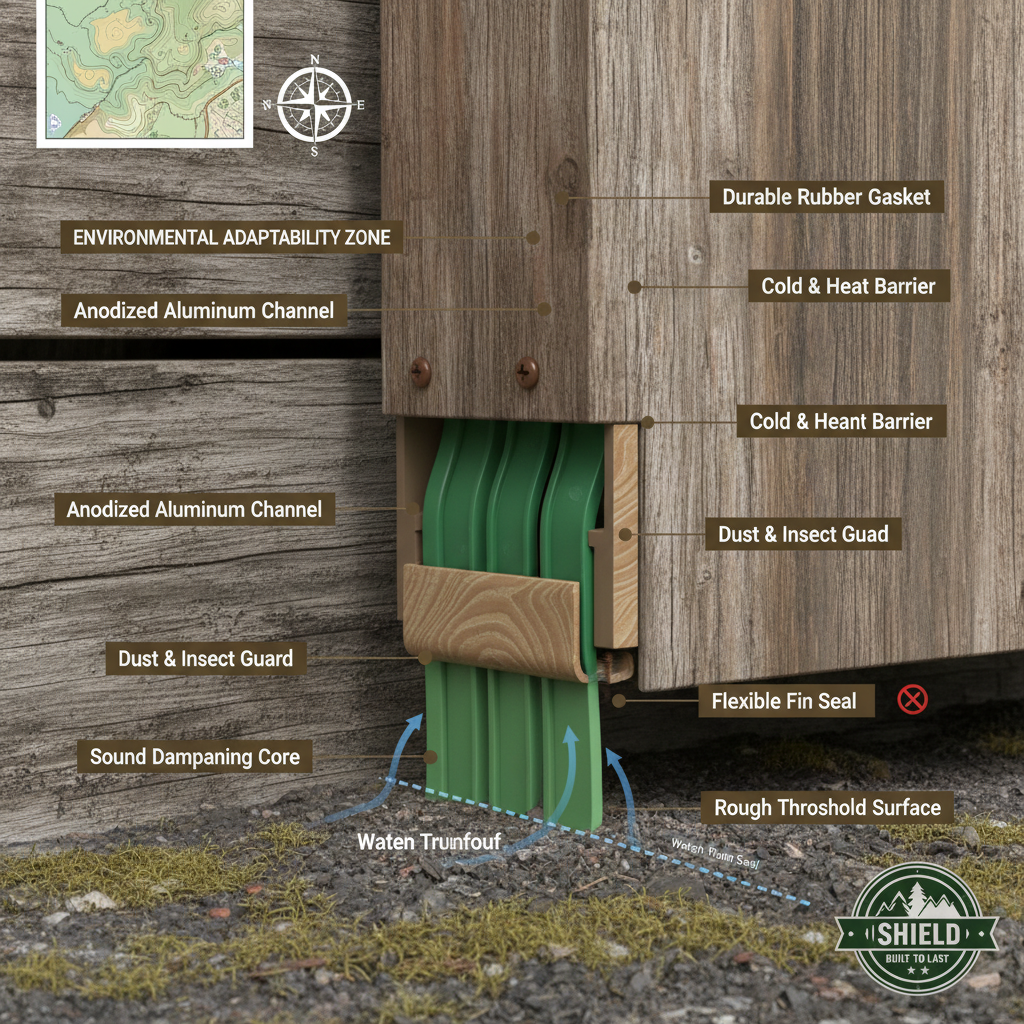
The garage door bottom refers to the lowest horizontal section of the garage door, and specifically the material attached to it that creates a seal against the floor. This seal prevents entry of air, water, pests, and debris. It's typically made of rubber, vinyl, or brush-style materials, and is essential for maintaining a comfortable and secure garage environment.

In the modern construction and home improvement landscape, ensuring airtight seals within buildings is crucial for energy efficiency and indoor air quality. A properly functioning garage door bottom, therefore, is integral to a holistic approach to building performance and sustainable living.

The Global Relevance of Garage Door Bottoms

The need for effective weather sealing is universal. From frigid climates where preventing ice dams and drafts is paramount, to humid regions requiring protection against moisture and pests, garage door bottoms address a fundamental human need for shelter and comfort. The demand for reliable seals spans continents and socioeconomic levels.

According to market research reports, the global garage door market is projected to reach billions of dollars in the coming years, with components like the bottom seal representing a significant portion of the total expenditure. This growth is fueled by increasing homeownership, infrastructure development in emerging economies, and a growing emphasis on energy-efficient building practices.

The impact extends beyond residential applications. Commercial and industrial facilities also rely heavily on garage doors for access control and climate control, meaning that robust and dependable garage door bottoms are essential for maintaining operational efficiency and protecting valuable inventory.

Understanding Garage Door Bottom Materials

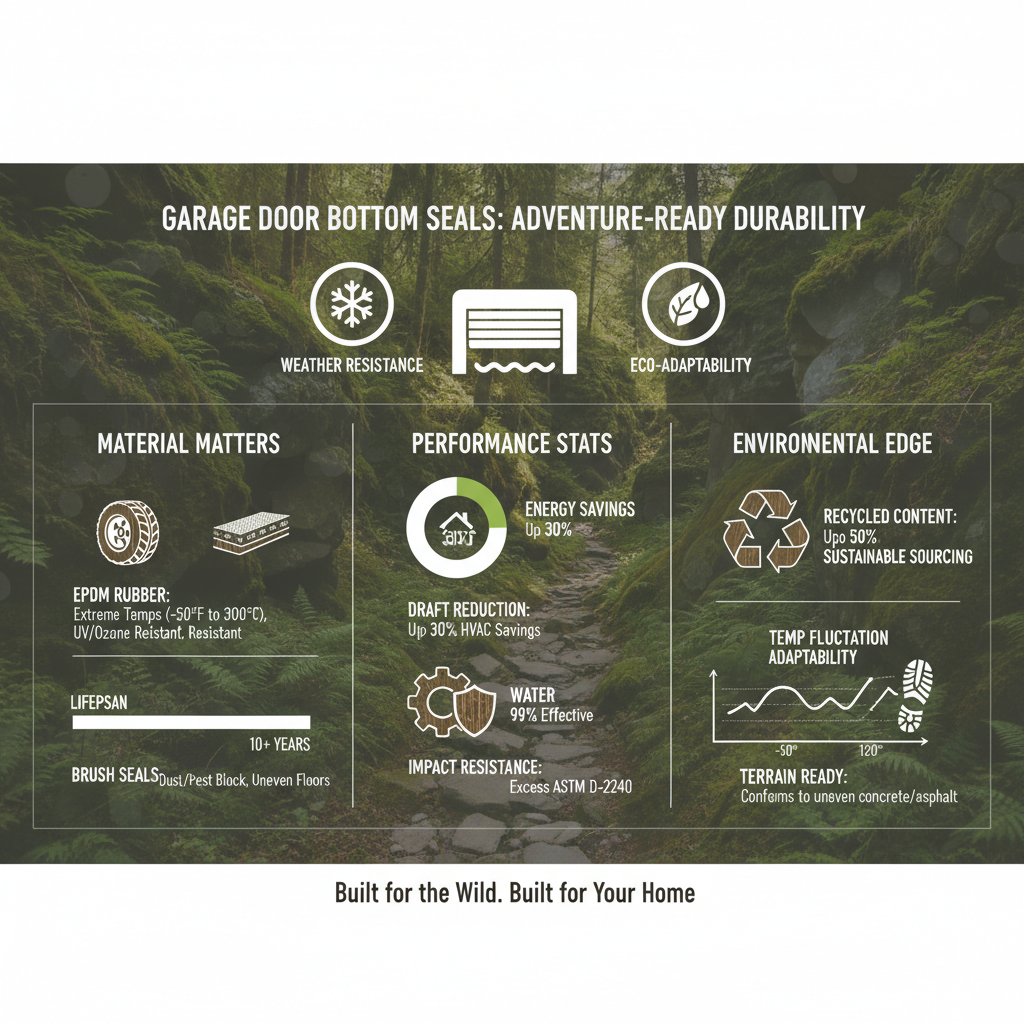
The choice of material for a garage door bottom is critical, impacting its durability, effectiveness, and lifespan. Common materials include vinyl, rubber (EPDM, neoprene), and brush seals. Vinyl is often the most affordable option, offering good resistance to weather elements, but it can become brittle in extremely cold temperatures.

Rubber seals, particularly EPDM (ethylene propylene diene monomer) rubber, are highly durable and provide excellent flexibility even in extreme temperatures. Neoprene offers superior resistance to oil and chemicals, making it a good choice for garages used for automotive repair or storage of hazardous materials.

Brush seals, comprised of flexible bristles, are effective at blocking small insects and debris. They’re often used in situations where a tight seal isn’t as critical, or where the door experiences frequent movement. Understanding the properties of each material is vital for selecting the best garage door bottom for specific needs and conditions.

Key Performance Indicators for Garage Door Bottoms

Evaluating the performance of a garage door bottom requires considering several key factors. These include durability, which reflects its ability to withstand wear and tear over time; sealing effectiveness, measuring how well it prevents air and water infiltration; and ease of installation, impacting labor costs and project timelines.

Another critical indicator is resistance to temperature fluctuations. A high-quality garage door bottom should maintain its flexibility and sealing properties across a wide range of temperatures, preventing cracking or deformation. Finally, cost-effectiveness plays a role, balancing initial investment with long-term performance and replacement frequency.

Garage Door Bottom Performance Comparison


Applications Across Industries and Climates

Garage door bottoms find application in diverse settings. Residential homes benefit from improved energy efficiency and protection from pests. Commercial warehouses rely on them to maintain climate control and protect stored goods. In agricultural settings, they help seal barns and outbuildings, preventing animal intrusion and maintaining sanitary conditions.

Geographically, the requirements vary significantly. In coastal regions, resistance to salt spray and humidity is paramount. In colder climates, flexibility in freezing temperatures is critical. Desert environments demand UV resistance to prevent material degradation. Adapting the garage door bottom to these specific climatic challenges is essential for long-term performance.

Long-Term Value and Benefits

Investing in a high-quality garage door bottom yields substantial long-term benefits. Reduced energy bills translate into significant cost savings over time. Preventing water damage and pest infestations protects property value and avoids costly repairs. A well-sealed garage also enhances security, providing peace of mind for homeowners and business owners.

Beyond the tangible benefits, there’s a sense of comfort and well-being that comes with knowing your property is protected. A quality garage door bottom contributes to a more comfortable living or working environment, free from drafts, noise, and unwanted intruders. It embodies a commitment to quality and long-term value.

Future Trends in Garage Door Bottom Technology

The future of garage door bottom technology is likely to see increased integration with smart home systems and a greater focus on sustainable materials. Self-adjusting seals that automatically compensate for uneven floors are already emerging, improving sealing performance and simplifying installation.

Biocomposite materials, derived from renewable resources, are gaining traction as environmentally friendly alternatives to traditional vinyl and rubber. Moreover, advancements in sensor technology could enable predictive maintenance, alerting homeowners or facility managers when a seal is nearing the end of its lifespan.

Expect to see more emphasis on customization, allowing consumers to select garage door bottoms tailored to their specific needs and aesthetic preferences. The integration of thermal imaging technology could also help identify areas of heat loss or air infiltration, optimizing energy efficiency and improving overall building performance.

Summary of Garage Door Bottom Material Comparison

Material Type Cost (1-10) Durability (1-10) Sealing Effectiveness (1-10)
Vinyl 3 6 7
EPDM Rubber 6 9 8
Neoprene Rubber 7 8 9
Brush Seal 4 5 6
Aluminum Bottom Seal 8 7 7
Thermoplastic Seal 5 7 8

FAQS

How often should I replace my garage door bottom seal?

The lifespan of a garage door bottom seal depends on the material and environmental factors. However, a general guideline is to inspect it annually and replace it every 2-5 years. Signs of wear and tear include cracking, brittleness, or a diminished seal. Replacing it proactively prevents larger issues like water damage and energy loss.

Can I install a garage door bottom seal myself?

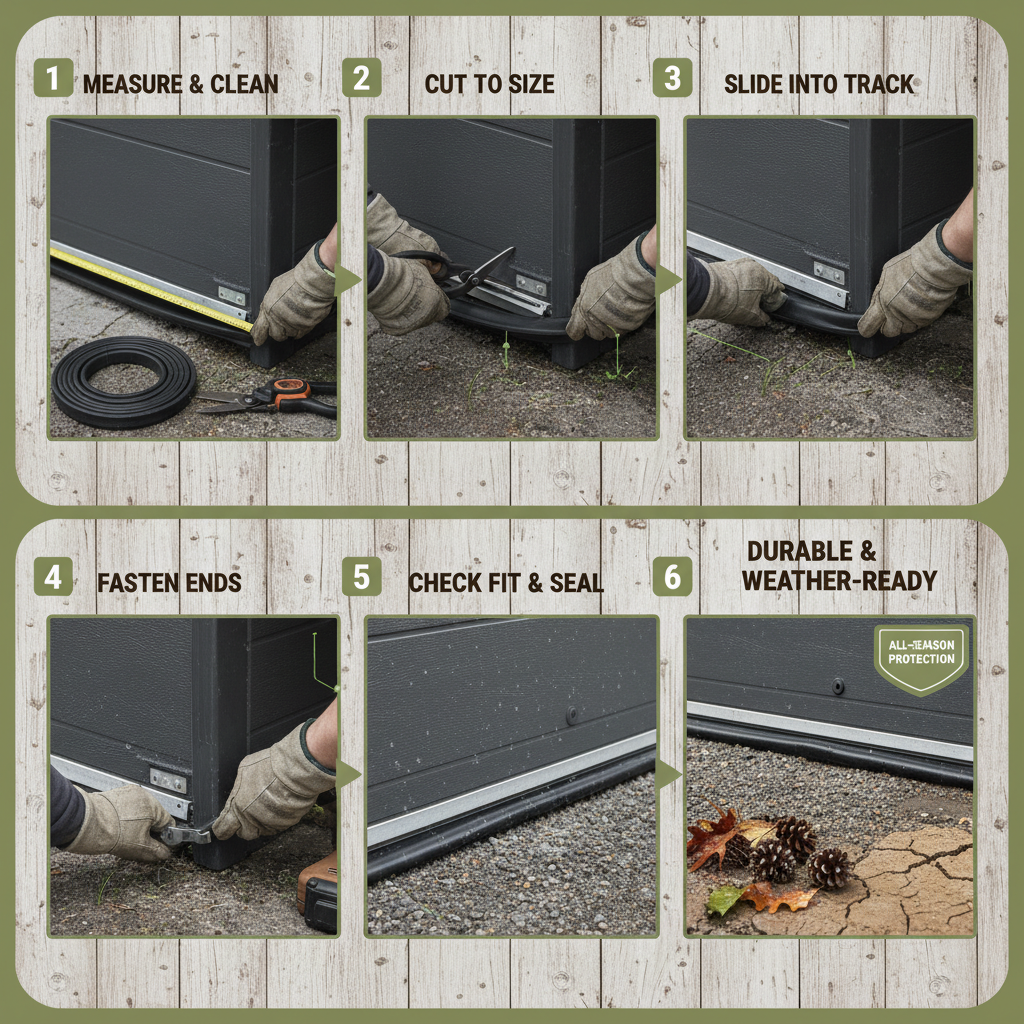
Yes, many garage door bottom seal replacements can be completed as a DIY project. However, it requires some basic tools and mechanical aptitude. Carefully follow the manufacturer's instructions and ensure you choose the correct seal for your garage door model. If you're uncomfortable with the process, it's best to hire a professional.

What is the best material for a garage door bottom seal in a cold climate?

In cold climates, EPDM rubber is generally the best choice for a garage door bottom seal. It maintains its flexibility even in freezing temperatures, preventing cracking and ensuring a tight seal. Vinyl seals can become brittle and ineffective in extreme cold.

How do I measure for a garage door bottom seal?

Measure the width of your garage door opening. The seal should be slightly longer than the opening to ensure a proper fit. Also, check the type of seal retainer you have (clip-on or screw-in) to choose the correct seal style. Many manufacturers provide detailed measuring guides on their websites.

Will a new garage door bottom seal reduce my energy bills?

Yes, a properly installed garage door bottom seal can significantly reduce your energy bills by preventing air leakage. This is especially true if your garage is attached to your home. Sealing gaps around the door helps maintain a consistent temperature and reduces the strain on your heating and cooling systems.

How can I prevent pests from entering through the garage door bottom?

A tight-fitting garage door bottom seal is crucial for keeping pests out. Choose a seal made of durable material that won't easily be damaged by rodents. Regularly inspect the seal for gaps or tears and address them promptly. Consider adding a brush seal in addition to the main seal for extra protection.

Conclusion

The garage door bottom, despite its often-unnoticed role, is a vital component in protecting homes and businesses. From ensuring energy efficiency and preventing damage to safeguarding belongings and enhancing security, a high-quality garage door bottom offers substantial and lasting benefits. Understanding the materials, performance indicators, and emerging trends in this area is crucial for making informed decisions and maximizing long-term value.

Investing in a reliable garage door bottom is a proactive step toward property maintenance and peace of mind. As technology advances and sustainable materials become more readily available, we can expect even more innovative and effective solutions to emerge, further solidifying the importance of this essential component. For a wide selection of garage door bottoms and expert advice, visit our website at qzseals.com.

William Davis

William Davis

William Davis is the Quality Control Manager at Hebei Qiuzhuo Rubber Products Co., Ltd. He oversees all aspects of product quality, ensuring that our rubber components meet rigorous industry standards and client specifications. William has extensive experience in quality assurance, implementing and maintaining ISO 9001 certified processes. He leads a
Previous Effective Draught Excluder for Door Bottom Solutions for Energy Efficiency
Next Comprehensive Guide to Overhead Door Bottom Seals for Enhanced Efficiency