The effective sealing of overhead doors is critical for maintaining climate control, security, and energy efficiency in a wide range of applications. An overhead door bottom seal plays a vital role in preventing drafts, dust, insects, and water from entering buildings, contributing significantly to overall operational costs and comfort. This comprehensive guide will explore the nuances of overhead door bottom seals, covering their definition, key factors, applications, advantages, future trends, and frequently asked questions.
Globally, the demand for effective door seals is driven by increasing energy conservation initiatives and stricter building codes. The International Organization for Standardization (ISO) sets standards for building energy performance, and efficient sealing solutions are integral to meeting these requirements. Market research indicates a steady growth in the door and window sealing industry, projected to reach billions of dollars in the coming years, driven by new construction, renovation projects, and the rising awareness of energy-saving measures. A robust overhead door bottom seal directly impacts these efforts.
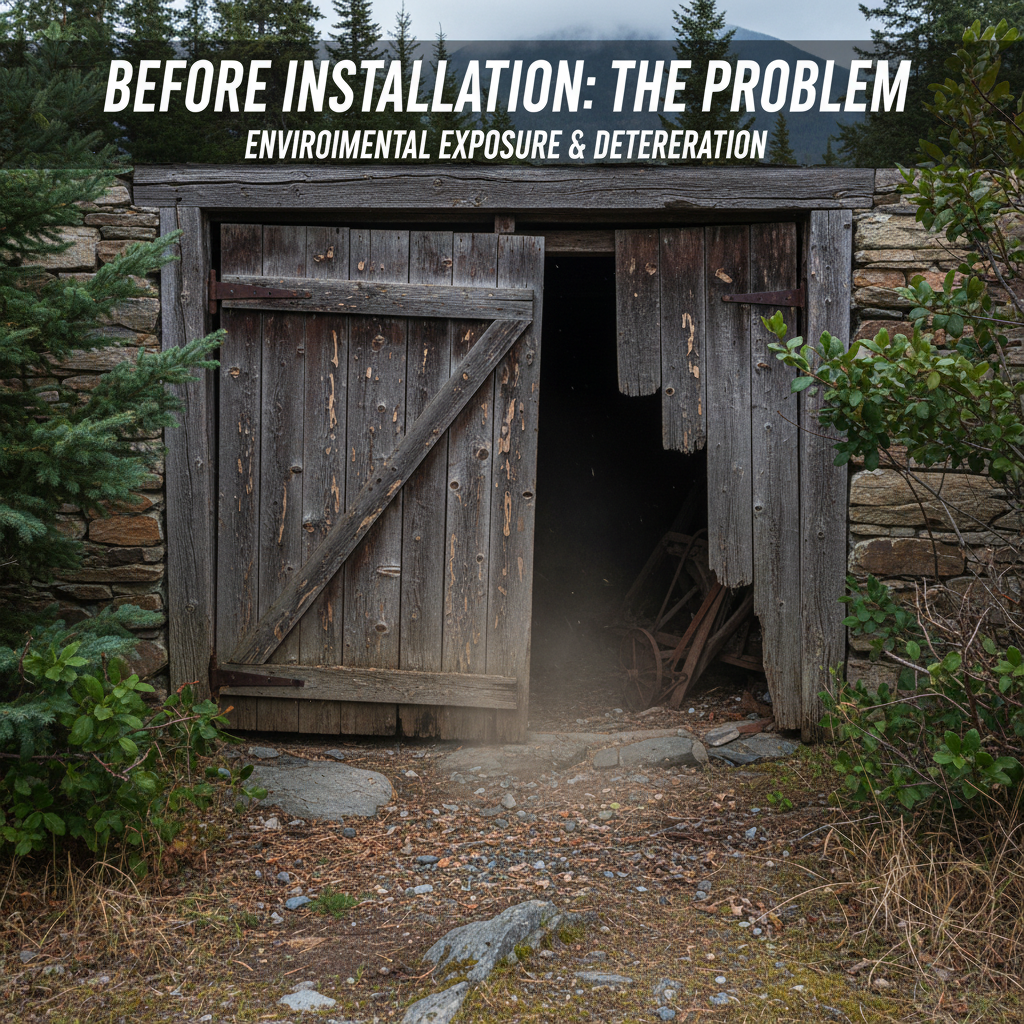
The challenge lies in providing durable, adaptable, and cost-effective sealing solutions that can withstand diverse environmental conditions and door types. Poorly maintained or inadequate seals can lead to significant energy losses, increased maintenance costs, and compromised security. Understanding the critical elements of an overhead door bottom seal is paramount for facilities managers, building owners, and anyone responsible for maintaining a safe and efficient environment.
Introduction: Global or Industry Context
The increasing focus on energy efficiency and sustainability is driving the demand for high-performance overhead door bottom seal solutions worldwide. From industrial warehouses to commercial facilities and residential garages, effective sealing is essential for reducing energy consumption, lowering operating costs, and improving indoor environmental quality. This is particularly critical in regions with extreme climates, where maintaining a consistent temperature is vital.
The global construction industry is experiencing significant growth, especially in emerging economies. This growth necessitates the use of durable and reliable building components, including high-quality door seals. Furthermore, stringent building codes and green building standards, like LEED (Leadership in Energy and Environmental Design), increasingly require the implementation of effective sealing systems to achieve energy efficiency targets. A reliable overhead door bottom seal is often a key component in meeting these standards.
Definition & Meaning
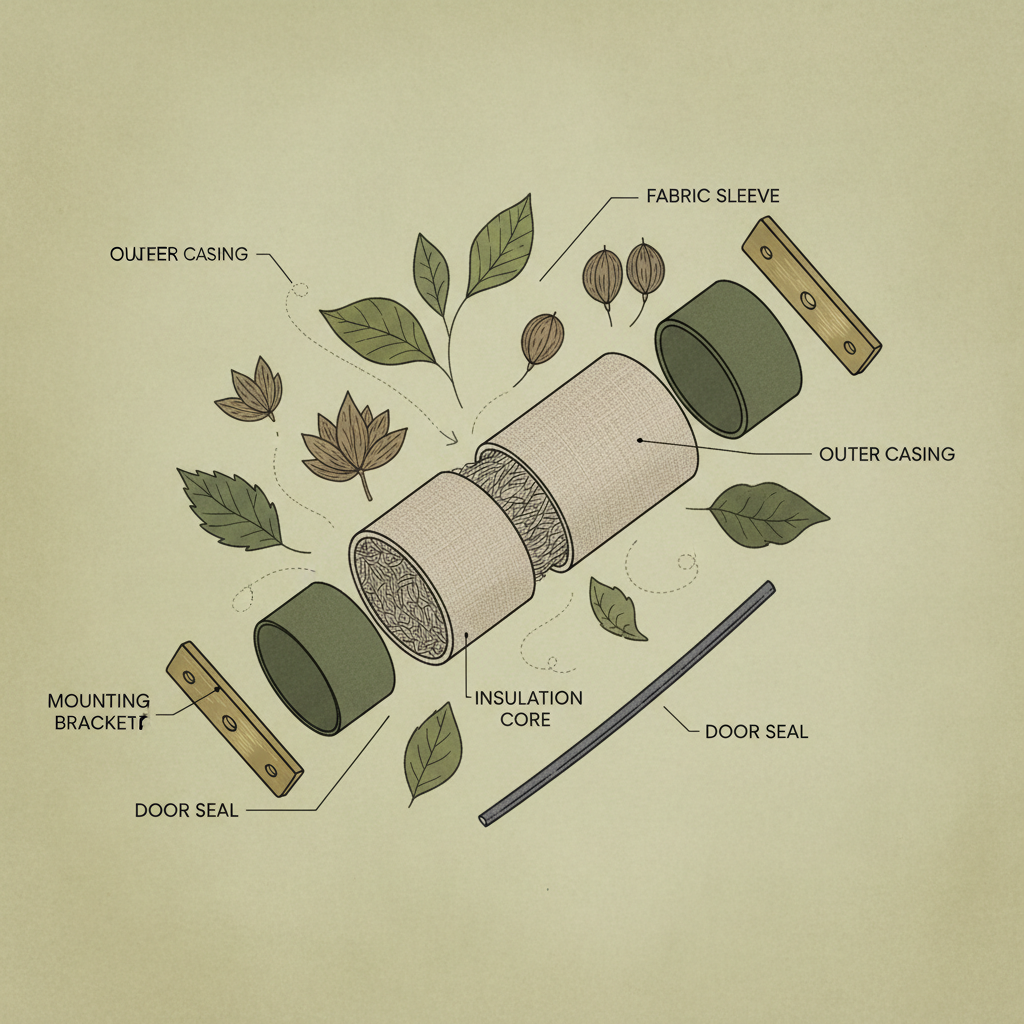
An overhead door bottom seal is a component installed along the bottom edge of an overhead door to create a tight seal against the floor or loading dock surface. Its primary function is to prevent the passage of air, water, dust, insects, and other contaminants into the building. This is achieved through the use of various materials, including rubber, vinyl, brush, and foam, each offering different levels of durability, flexibility, and sealing performance.
In modern industry, the overhead door bottom seal is an essential element of building envelope performance. It contributes directly to energy conservation, protects valuable inventory and equipment, and enhances workplace safety. The seal's effectiveness is closely tied to proper installation, regular maintenance, and the selection of the appropriate material for the specific application and environmental conditions.
The relevance extends beyond purely industrial and commercial settings. Residential garages also benefit immensely from properly installed bottom seals, protecting vehicles, tools, and stored items from the elements while helping to maintain a comfortable home environment. A quality overhead door bottom seal is, therefore, a vital component in both large-scale infrastructure and individual household needs.
Key Factors or Core Components
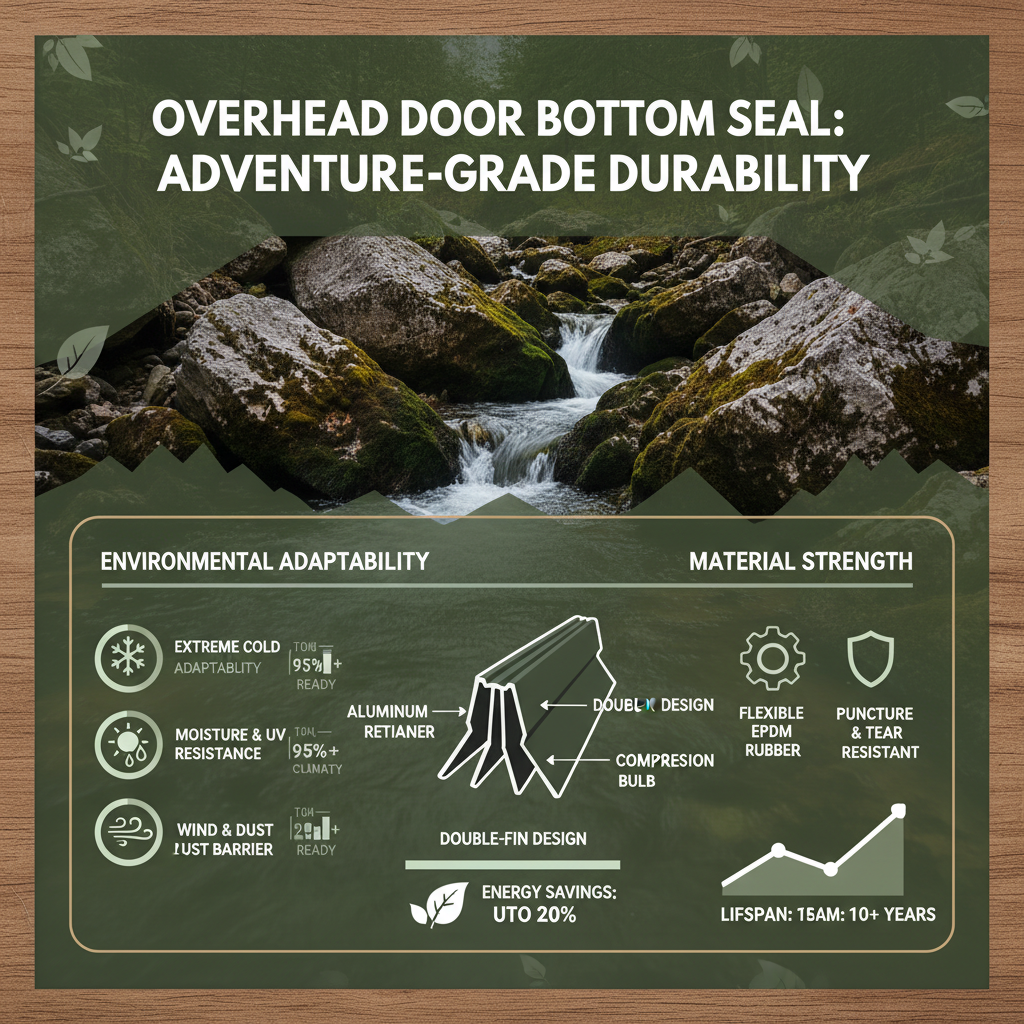
Durability: The material composition of an overhead door bottom seal directly impacts its longevity. Materials like EPDM rubber are known for their resistance to weathering, ozone, and UV exposure, making them suitable for harsh environments. Vinyl seals offer good abrasion resistance, while brush seals excel in low-impact applications.
Flexibility: The seal must be flexible enough to conform to uneven floor surfaces and accommodate the door's movement during opening and closing. Insufficient flexibility can lead to gaps and reduced sealing performance. The design and material properties of the seal contribute to its overall flexibility.
Resistance to Temperature Extremes: Seals operating in climates with significant temperature fluctuations must maintain their integrity and sealing properties across a broad range. Some materials become brittle in cold temperatures, while others may soften and deform in high heat.
Compatibility with Door Type: Different overhead door types (sectional, rolling, etc.) require specific seal designs to ensure proper fit and function. Selecting the correct seal for the door's construction is crucial for optimal performance.
Ease of Installation and Maintenance: A seal that is easy to install and maintain reduces labor costs and minimizes downtime. Simple installation procedures and readily available replacement parts are key considerations.
Global Applications & Use Cases
Overhead door bottom seals are widely used in industrial facilities, including warehouses, distribution centers, and manufacturing plants. These facilities rely on effective sealing to maintain temperature control for stored products, prevent contamination, and reduce energy costs. In remote industrial zones, where access to maintenance may be limited, durable seals are particularly crucial.
Commercial applications include loading docks, fire stations, and retail stores. Fire stations require seals that can withstand frequent door cycles and provide a reliable barrier against smoke and fumes. Retail stores use seals to maintain a comfortable shopping environment and prevent energy loss.
Residential garages also represent a significant market. Homeowners install bottom seals to protect vehicles and stored items from the elements, improve energy efficiency, and prevent pests from entering the garage. In post-disaster relief operations, sealing of temporary shelters is vital for providing a safe and habitable environment.
Overhead Door Bottom Seal Performance Comparison
Advantages & Long-Term Value
The primary advantage of a properly installed overhead door bottom seal is significant cost savings through reduced energy consumption. By preventing air leakage, it minimizes the workload on HVAC systems, lowering utility bills and extending equipment lifespan. This is especially pronounced in facilities with large overhead doors.
Beyond cost savings, an effective seal contributes to a more sustainable operation. Reducing energy consumption lowers carbon emissions and minimizes the environmental impact of the facility. This aligns with corporate social responsibility goals and enhances brand reputation. It also protects stored products and equipment from moisture, dust, and pests, preventing damage and costly replacements.
The long-term value lies in increased reliability and reduced maintenance. Durable seals require less frequent replacement, minimizing downtime and labor costs. Furthermore, a secure seal enhances facility security by preventing unauthorized access. Providing a safe and comfortable working environment also contributes to employee morale and productivity.
Future Trends & Innovations
The development of self-adjusting seals is a key trend. These seals automatically conform to uneven surfaces and maintain a tight seal even as the floor shifts or settles. Smart seals integrated with sensors can monitor seal performance and alert maintenance personnel to potential issues. This proactive approach minimizes downtime and ensures optimal sealing performance.
New materials with enhanced durability, flexibility, and thermal resistance are constantly being developed. Biodegradable and recyclable seal materials are gaining traction as sustainability becomes increasingly important. Integration with building automation systems will allow for remote monitoring and control of door seals, optimizing energy efficiency and security.
Challenges & Solutions
A common challenge is maintaining a consistent seal over time, especially in high-traffic areas or environments with harsh conditions. Repeated door cycles and exposure to abrasive materials can cause seals to wear down and lose their effectiveness. Proper installation and regular inspection are crucial for mitigating this issue.
Another challenge is selecting the appropriate seal for a specific application. Factors such as door type, floor conditions, and environmental factors must be carefully considered. Consulting with a qualified sealing specialist can ensure that the correct seal is chosen for optimal performance.
Innovative solutions include the use of advanced materials, self-adjusting designs, and proactive maintenance programs. Implementing a preventative maintenance schedule, including regular inspections and seal replacements, can significantly extend the lifespan of the seal and maintain its effectiveness.
Summary of Challenges and Solutions Regarding Overhead Door Bottom Seals
| Challenge |
Impact on Seal Performance |
Proposed Solution |
Implementation Cost (1-10) |
| Wear and Tear |
Reduced sealing effectiveness, increased energy loss |
Regular inspection and replacement of damaged seals |
3 |
| Uneven Floor Surfaces |
Gaps in seal, compromised air tightness |
Use of flexible seals or self-adjusting designs |
6 |
| Extreme Temperatures |
Material degradation, loss of flexibility |
Select temperature-resistant materials |
5 |
| Incorrect Seal Selection |
Poor fit, reduced performance |
Consult with sealing specialists for proper selection |
2 |
| Lack of Maintenance |
Gradual deterioration, reduced lifespan |
Implement a preventative maintenance schedule |
4 |
| High Traffic Impact |
Physical damage and premature wear |
Use of abrasion-resistant materials or protective barriers |
7 |
FAQS
The lifespan of an overhead door bottom seal varies depending on usage, environmental conditions, and material type. Generally, a visual inspection should be conducted every six months, and replacement is recommended every 2-5 years. Signs of wear, such as cracks, tears, or loss of flexibility, indicate the need for replacement to maintain optimal sealing performance and prevent energy loss. Proactive replacement is more cost-effective than dealing with the consequences of a failing seal.
The best material depends on your specific needs. EPDM rubber offers excellent weather resistance and durability, making it ideal for outdoor applications. Vinyl provides good abrasion resistance and is a cost-effective option. Brush seals are suitable for low-impact applications and offer good flexibility. Consider the climate, traffic levels, and door type when selecting a material. A reputable supplier like QZ Seals can offer guidance.
Yes, many overhead door bottom seals can be installed with basic tools and DIY skills. However, proper installation is crucial for optimal performance. Ensure you follow the manufacturer's instructions carefully and use appropriate fasteners. If you are not comfortable with DIY projects, it’s best to hire a professional installer to ensure a secure and effective seal.
An overhead door bottom seal creates a barrier against air leakage, preventing heated or cooled air from escaping the building. This reduces the workload on your HVAC system, lowering energy consumption and utility bills. By minimizing drafts, it also improves indoor comfort and reduces the strain on heating and cooling equipment, extending its lifespan.
Common signs include visible cracks or tears in the seal, loss of flexibility, gaps between the seal and the floor, increased drafts, and higher energy bills. If you notice any of these signs, it’s time to inspect the seal and consider replacement. Prompt replacement ensures continued energy efficiency and prevents further damage.
The cost of replacing an overhead door bottom seal varies depending on the length of the door, the material chosen, and whether you hire a professional installer. Generally, material costs range from $20 to $100, while professional installation can add another $50 to $200. Investing in a quality seal and proper installation provides long-term cost savings through reduced energy consumption and maintenance.
Conclusion
In conclusion, the overhead door bottom seal is a vital, often overlooked, component of building efficiency and safety. From reducing energy costs and environmental impact to protecting assets and enhancing security, the benefits are substantial and far-reaching. Understanding the key factors, applications, and future trends associated with these seals is crucial for making informed decisions and maximizing their value.
Looking ahead, continued innovation in materials, designs, and smart technologies will further enhance the performance and longevity of overhead door bottom seals. Implementing proactive maintenance programs and investing in high-quality seals will not only reduce operational costs but also contribute to a more sustainable and secure future. Visit our website at www.qzseals.com to learn more about our comprehensive range of sealing solutions.