FKM Rubber Sheet – Heat, Oil & Chemical Resistant Seals
Field Notes on FKM Fluoroelastomer Sheets: real-world specs, buys, and a few hard-won lessons
If you’re weighing an fkm rubber sheet for aggressive media or hot environments, you’re in familiar territory. The factory I visited in Wangshigong Industrial Zone, Wei County, Xingtai, Hebei, has been quietly supplying fuel-resistant sheets alongside EPDM, NBR, SBR, and neoprene for years. To be honest, the buzz lately is about longer service intervals and fewer changeouts—maintenance teams hate unplanned downtime.
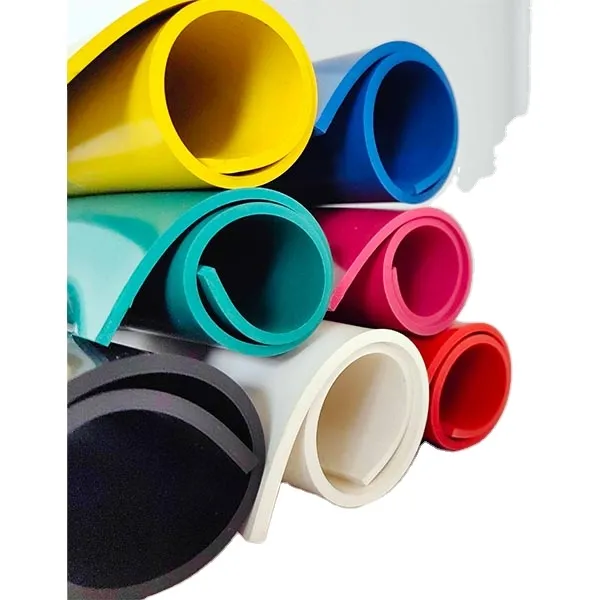
Where FKM sheets actually shine
In fact, fkm rubber sheet is overkill for water and basic air lines—but a lifesaver in:
- Refinery and petrochem flange gaskets exposed to fuels, aromatics, and aggressive solvents
- Automotive fuel systems, turbo interfaces, and under-hood seals up to ≈200–230°C
- Chemical process skid gaskets where mixed media and cleaning cycles are the norm
- Battery and EV production lines dealing with electrolyte splash (careful grade selection)
- Aerospace ground equipment—fuel handling, hydraulic oils, and Skydrol alternatives
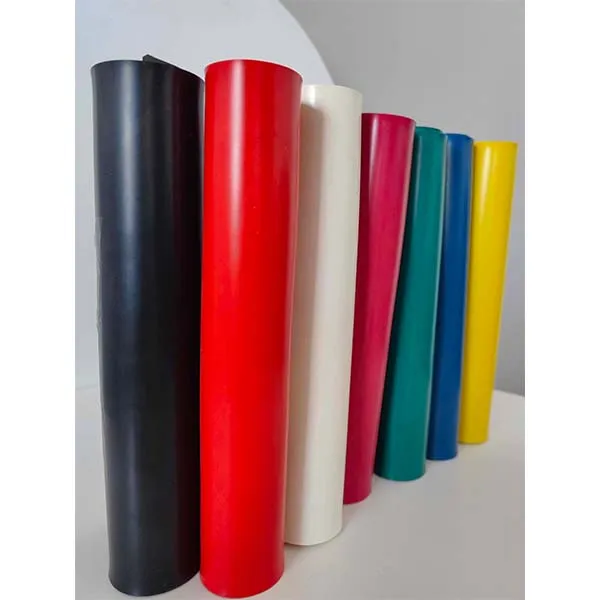
What’s inside and how it’s made (quick but real)
Materials: FKM fluoroelastomer base (bisphenol‑ or peroxide‑cured, grade-selected), carbon black/fillers, curatives, process aids. Methods: internal mixing, two‑roll mill or calendering to sheet, press cure or continuous vulcanization, then post‑cure in oven for fuel and heat resistance. QC follows ASTM D412 (tensile), D395 (compression set), D471 (immersion), and D573 (heat aging). Dimensional tolerance often targets ISO 3302‑1, Class M2. Service life? Many customers report 3–8 years in oil & gas lines; I’ve seen >10 years in moderate temp duty—real‑world use may vary.
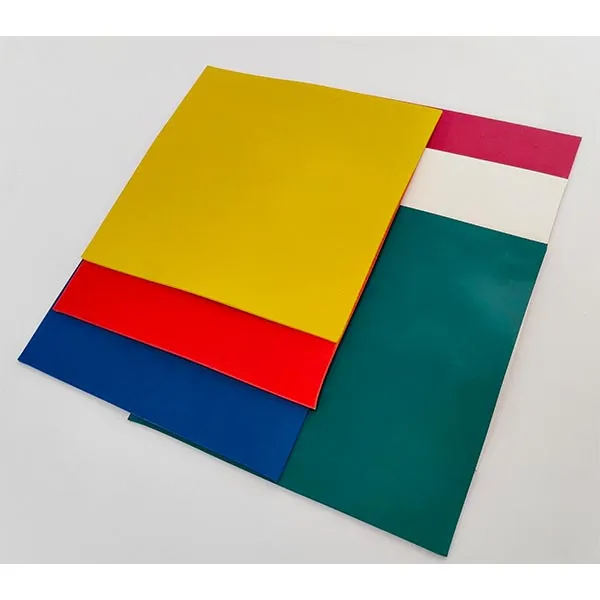
Typical Specification Snapshot (FKM sheet)
| Hardness | ≈ 60–90 Shore A |
| Tensile strength (ASTM D412) | ≈ 7–15 MPa |
| Elongation at break | ≈ 150–300% |
| Temp range | -20°C to +250°C (short peaks); grade dependent |
| Compression set (ASTM D395) | ≈ 15–35% at 200°C, 70 h |
| Fluid resistance | Excellent in fuels, oils, many solvents; check ketones/amines |
| Standards | SAE J200/ASTM D2000 HK; ISO 23936; REACH/RoHS compliant |
Vendor snapshot (quick comparison—indicative)
| Vendor | MOQ | Lead time | Thickness | Certs | Price |
|---|---|---|---|---|---|
| QZ Seals (Hebei) | Flexible | 7–15 days | 0.5–20 mm | ISO 9001; material RoHS/REACH | $$ |
| Global Brand A | Moderate | 3–5 weeks | 0.5–12 mm | ISO 14001; extensive datasheets | $$$ |
| Local Cutter B | Low | 3–10 days | 1–10 mm | Varies | $–$$ |
Note: ranges are indicative; verify with RFQ. Real‑world supply may fluctuate.
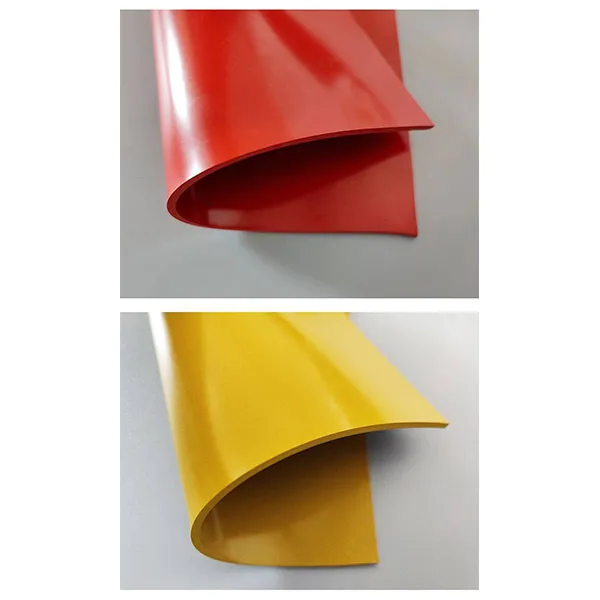
Customization and processing
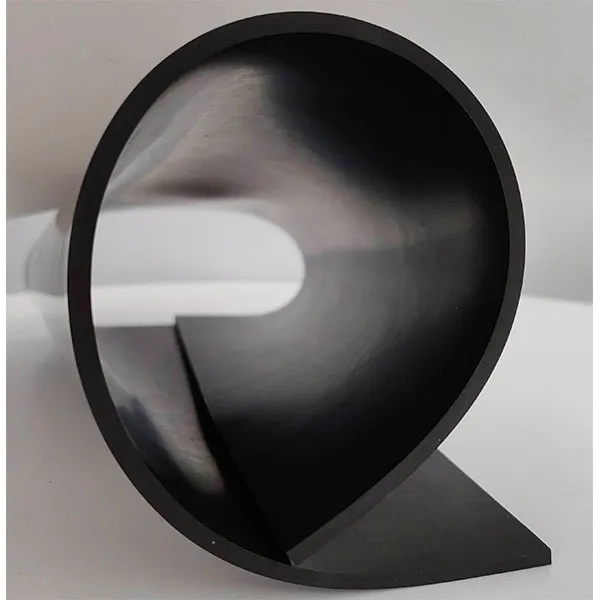
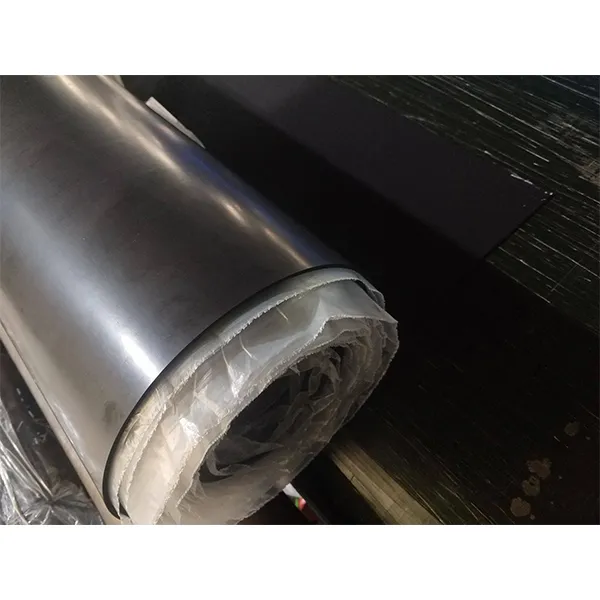
This factory’s lane is pragmatic: moulding and cutting services for fkm rubber sheet gaskets and strips, with waterjet/knife cutting, roll goods, and board formats. Origin matters for logistics—Wangshigong Industrial Zone ships via Tianjin or Qingdao; lead times are reasonable if you lock specs early.
Two quick field stories
- Refinery flange upgrade: switching from NBR to fkm rubber sheet cut leak calls by ~60% over 12 months; heat cycling was the culprit.
- Paint line solvent booth: FKM liners lasted 3× longer than SBR—surprisingly, post‑cure time was the big differentiator.
What to specify (so you don’t get surprises)
- Polymer family and cure system (e.g., FKM, bisphenol‑cured)
- Hardness (Shore A), thickness, and finish (cloth‑insert if needed)
- Target standard (SAE J200/ASTM D2000 call‑out) and any ISO 23936 testing
- Post‑cure requirement and compression set limit
- Certificates: ISO 9001, material RoHS/REACH; FDA grade if food contact
Customer feedback? It seems that the smoother the spec handoff, the happier the maintenance crew. Many customers say they value consistent hardness and clean edges more than a tiny price delta.
Final thought: EPDM is great for weathering, but when fuels or hot oils enter the chat, fkm rubber sheet pays for itself—quietly, over years of uptime.
- SAE J200 / ASTM D2000: Classification System for Rubber Products. SAE International / ASTM International.
- ASTM D412, D395, D471, D573: Standard test methods for vulcanized rubber. ASTM International.
- ISO 23936 (Parts 1–2): Petroleum, petrochemical and natural gas industries — Non‑metallic materials in contact with media. ISO.
- NORSOK M‑710: Qualification of non‑metallic sealing materials. Standards Norway.
-
Understanding e3 edge banding tape price and Value FactorsNewsApr.16,2026
-
Premium Birch Edge Tape Guide for Professional Furniture FinishingNewsApr.09,2026
-
Comprehensive Guide to 2mm Edge Banding Tape for Furniture and CabinetryNewsApr.07,2026
-
Comprehensive Guide to Choosing the Right 18mm Edge Banding for Your ProjectsNewsApr.04,2026
-
Comprehensive Guide to Pre Glued Melamine Edging Applications and InstallationNewsMar.31,2026
-
Comprehensive Guide to Self Adhesive Edge Banding Tape Applications and SelectionNewsMar.28,2026
-
Comprehensive Guide to Wood Veneer Edging Strips for Furniture and Woodworking ProjectsNewsMar.26,2026