FKM Rubber Sheet – High Temp, Chemical & Oil Resistant
Fkm Rubber Sheet: insider notes from the field
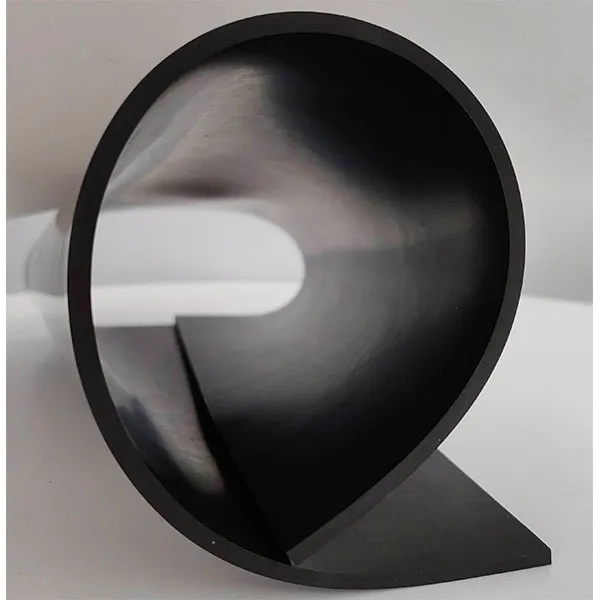
I’ve been around rubber plants enough to know that spec sheets don’t tell the whole story. Still, when teams ask why they’re switching to Fkm Rubber Sheet from standard elastomers, the answer is usually simple: fuel, heat, and chemicals don’t play nice—and FKM (fluorocarbon) holds the line. This particular line is supplied out of Wangshigong Industrial Zone, Wei County, Xingtai City, Hebei Province, under the product family “Factory Sale Industrial Black Shock Absorbing EPDM,” with processing services for moulding and cutting. Funny name alignment, I know—EPDM page, but the factory actually runs FKM, NBR, SBR, neoprene, and EPDM side by side. Welcome to real-world catalogs.
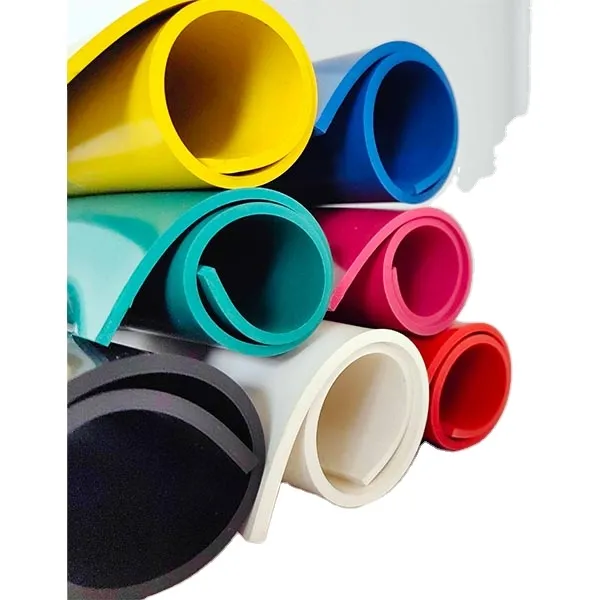
What’s trending
Two shifts I keep seeing: first, fuel-system components are going ethanol-rich and aromatics-heavy; second, chemical plants are consolidating gasket SKUs to cut downtime. In both cases, Fkm Rubber Sheet reduces swelling and compression set versus NBR or CR. Many customers say they were surprised how stable their torque retention stayed after a few thermal cycles.
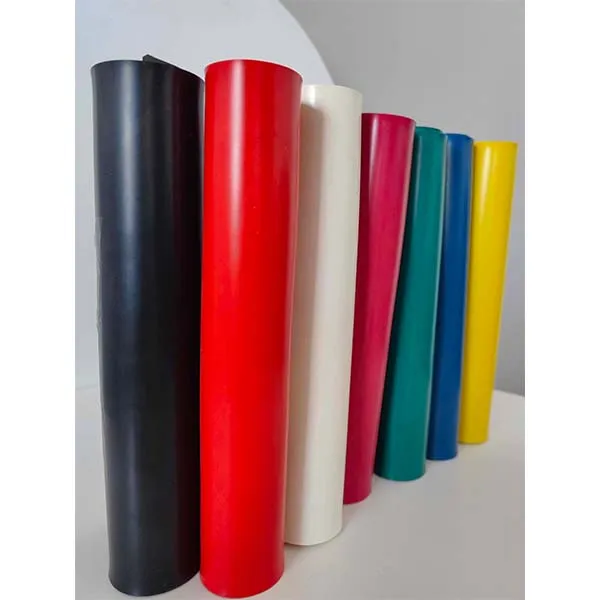
Core specifications (typical, lab data)
| Polymer | FKM (fluorocarbon), ASTM D1418: FKM; ASTM D2000 grade on request |
| Hardness | 60–80 Shore A (≈70A standard) |
| Tensile strength | ≈ 12–16 MPa (ASTM D412) |
| Elongation at break | ≈ 180–250% (ASTM D412) |
| Compression set | ≈ 25% @ 200°C/24h (ISO 815 / ASTM D395) |
| Temperature range | -20°C to +220°C (peaks to 250°C short-term) |
| Chemical resistance | Fuels (A/B/C), oils, solvents, many acids; limited steam/amine |
| Density | ≈ 1.85 g/cm³ (ISO 2781) |
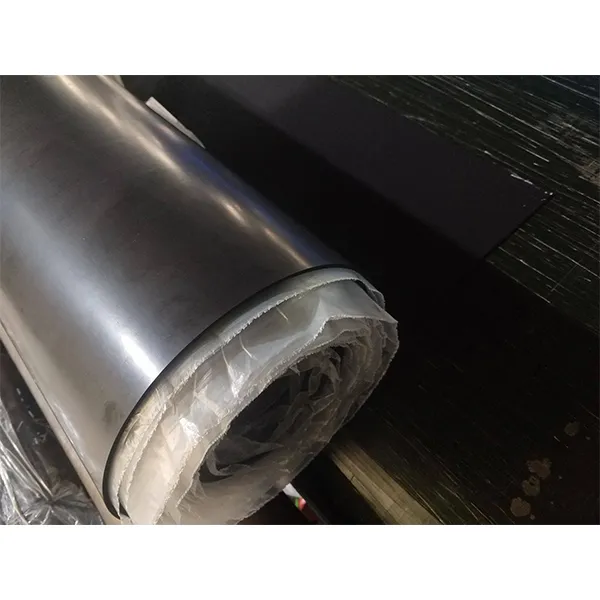
| Sizes | Thickness 1–20 mm; width ≤ 1.5 m; rolls or sheets |
Real-world use may vary with compounding and cure. Certificates: RoHS/REACH on request; ASTM D2000/SAE J200 line call-outs available.
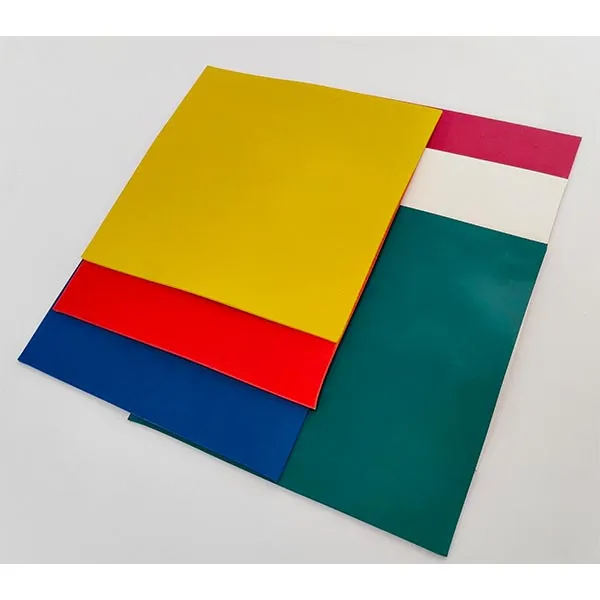
Process flow, testing, and service life
- Materials: premium FKM base, carbon black, curatives, processing aids; optional aramid fabric inserts.
- Methods: internal mixing → calendaring → press cure → post-cure (air oven) for fluorination completion.
- Testing: tensile/elongation (ASTM D412), heat aging (ASTM D573), compression set (ISO 815), density (ISO 2781), hardness (ASTM D2240), fluid immersion (ASTM D471).
- Service life: around 8–15 years in hydrocarbon/thermal environments; faster aging with hot water/steam or amines—be honest about your media.
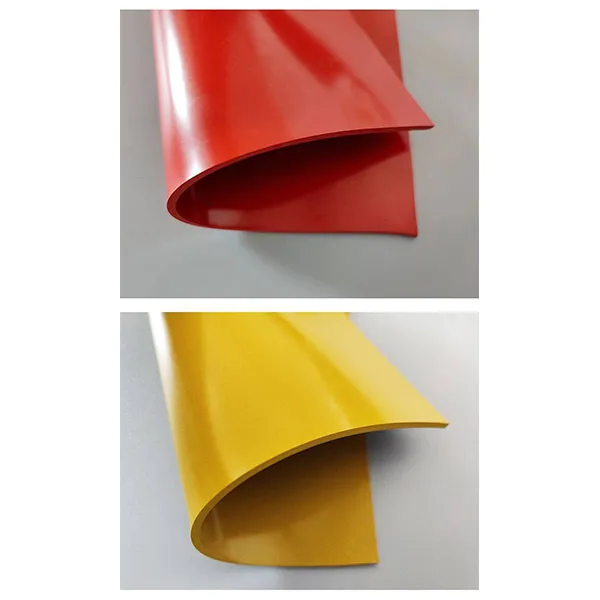
Where it works (and why)
Automotive fuel rails and pump gaskets; refinery and chemical plant flanges; aerospace bleed-air insulation; power-gen lube systems; semiconductor wet benches (with careful media checks). A maintenance manager told me, “We cut our gasket changeouts by half after moving to Fkm Rubber Sheet—less creep, less mess.” Not a lab quote, but it tracks.
Vendor snapshot and comparison
Origin factory: Wangshigong Industrial Zone, Wei County, Xingtai City, Hebei Province. Processing services: Moulding, Cutting. Below is a quick, practical comparison (prices are indicative):
| Vendor | Lead time | Customization | Certs | Price index |
|---|---|---|---|---|
| QZSeals (this factory) | ≈ 10–18 days | Moulding/Cutting; ASTM D2000 call-outs | RoHS, REACH, test reports | $$ (value) |
| Vendor A (EU) | ≈ 3–5 weeks | Wide; CNC profiling | REACH, UL on select grades | $$$ |
| Vendor B (US) | ≈ 2–4 weeks | High-mix, low-volume | ASTM D2000, FDA options | $$$$ |
Customization notes and quick case files
- Tolerances: ISO 3302-1 Class M2 for thickness unless otherwise agreed.
- Surface: smooth or fabric-patterned; anti-slip available on request.
- Gasket kits: kiss-cut, nested layouts to reduce scrap—handy for MRO teams.
Case A (Refinery): swapped NBR to Fkm Rubber Sheet in heat exchangers; torque checks at 500 h showed ≈ 20% better retention, fewer leaks.
Case B (Auto Tier-1): ethanol E10 compatible seals; swell dropped from 12% to ≈ 2–3% (ASTM Fuel C immersion).
Bottom line
If your media is hot, oily, or just plain nasty, Fkm Rubber Sheet pays for itself in uptime. If you’re in steam-heavy duty, I’d steer you to FFKM or EPDM instead—no magic bullets, only right tools.
- ASTM D2000 / SAE J200: Standard Classification System for Rubber Products.
- ASTM D1418: Standard Practice for Rubber and Rubber Latices—Nomenclature.
- ASTM D412: Standard Test Methods for Vulcanized Rubber—Tension.
- ISO 815: Rubber, vulcanized—Determination of compression set.
- ASTM D573: Rubber—Deterioration in an Air Oven; ISO 2781: Determination of density.
-
Understanding e3 edge banding tape price and Value FactorsNewsApr.16,2026
-
Premium Birch Edge Tape Guide for Professional Furniture FinishingNewsApr.09,2026
-
Comprehensive Guide to 2mm Edge Banding Tape for Furniture and CabinetryNewsApr.07,2026
-
Comprehensive Guide to Choosing the Right 18mm Edge Banding for Your ProjectsNewsApr.04,2026
-
Comprehensive Guide to Pre Glued Melamine Edging Applications and InstallationNewsMar.31,2026
-
Comprehensive Guide to Self Adhesive Edge Banding Tape Applications and SelectionNewsMar.28,2026
-
Comprehensive Guide to Wood Veneer Edging Strips for Furniture and Woodworking ProjectsNewsMar.26,2026