Silicone Strip Seal - Durable, Waterproof, Easy Install
Field Notes on a Workhorse: Silicone Strip Seal for Real-World Gaps
I’ve been around enough plants and project rooms to know that a good seal doesn’t get applause—until it fails. This one, the Gap Solid Silicone Rubber Strip Anti Oil High Temp from Wangshigong Industrial Zone, Wei County (Xingtai, Hebei), has been quietly making engineers’ lives easier. To be honest, it’s the mix of oil resistance, temperature stability, and long service life that keeps coming up in my notes.

What’s trending and why it matters
Electrification, tighter energy codes, and noise expectations are pushing specifiers toward clean, long-life elastomers. Silicone’s low compression set and broad thermal window are winning in enclosures, EV battery housings, and even food-adjacent gear. As one maintenance lead told me, “Install once, stop thinking about it.” I guess that’s the dream.
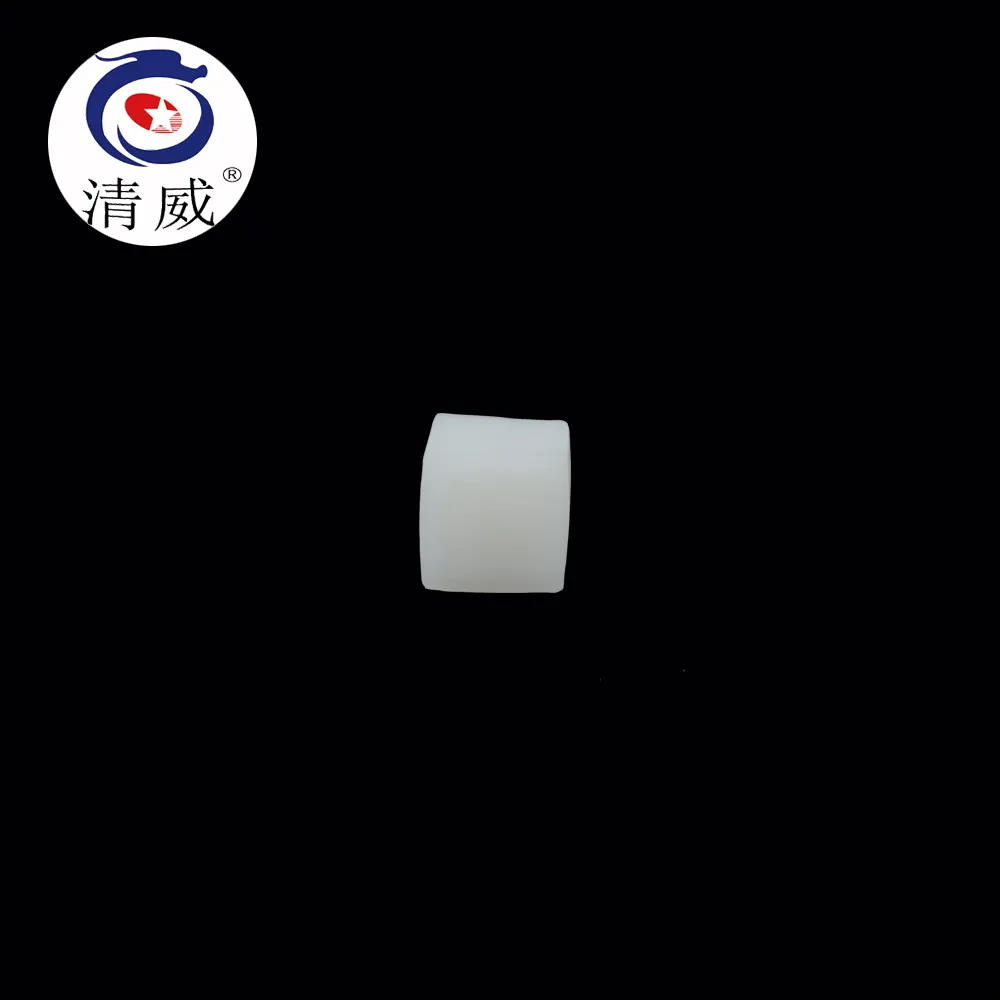
Product snapshot
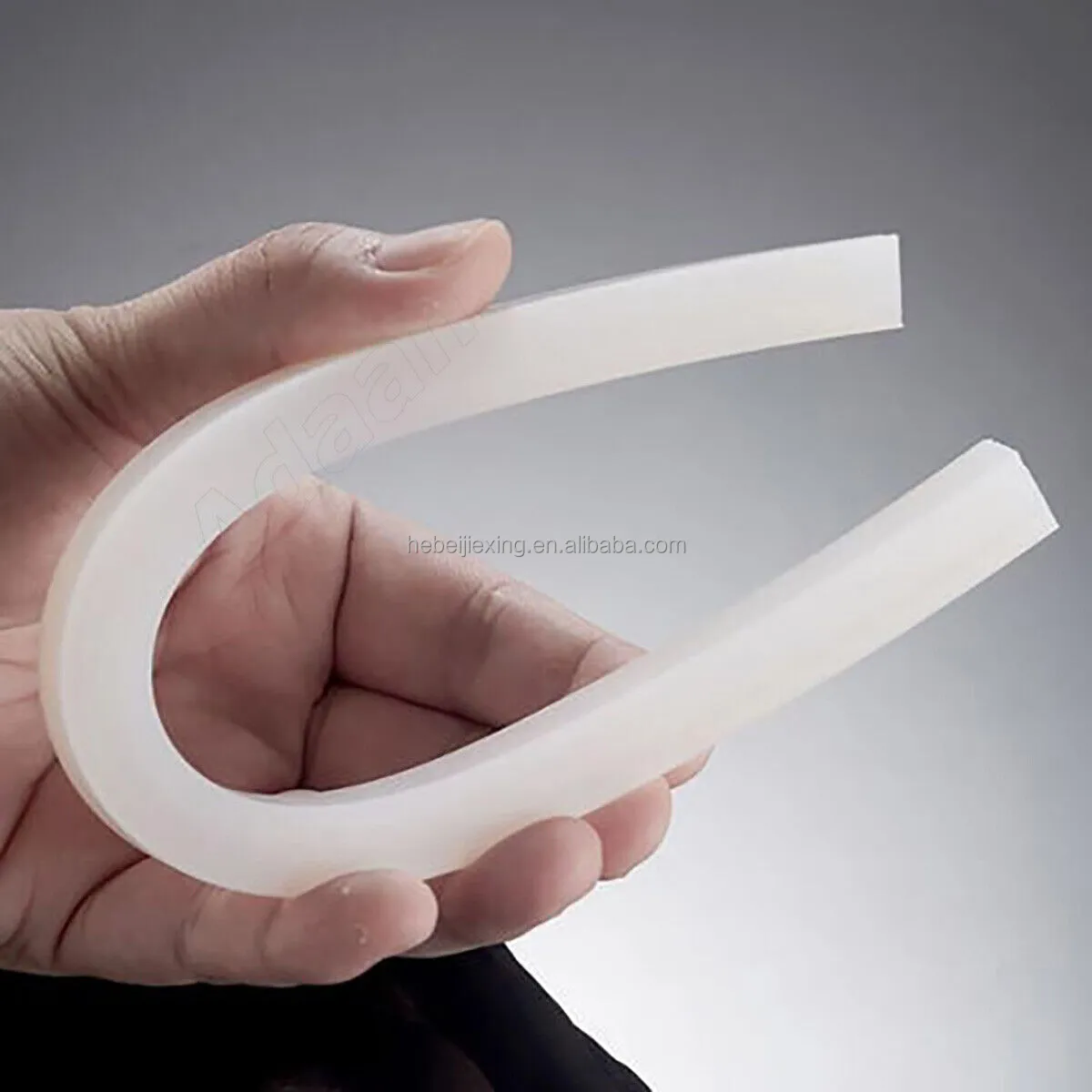
White, tasteless, high-transparency solid silicone strip—stays flexible in the cold, resists yellowing, and doesn’t harden with age. Great for uneven or narrow gaps on doors, windows, cabinets, and equipment panels. Many customers say the cushioning and sound-damping are better than expected.
| Spec | Value (≈, real-world use may vary) |
|---|---|
| Material | Platinum-cured solid silicone rubber |
| Hardness | Shore A 40–70 (typ. 50±5 per ASTM D2240) |
| Temp range | -60°C to +230°C continuous; spikes to 250°C |
| Tensile / Elongation | ≥7 MPa / ≥300% (ISO 37) |
| Compression set | ≤25% at 22h/175°C (ISO 815) |
| Oil resistance | ASTM Oil No. 3, ΔV ≤10% (ASTM D471) |
| Flammability (option) | UL 94 V-0 grade available |
| Sizes | Width 3–50 mm, thickness 1–15 mm; custom profiles |
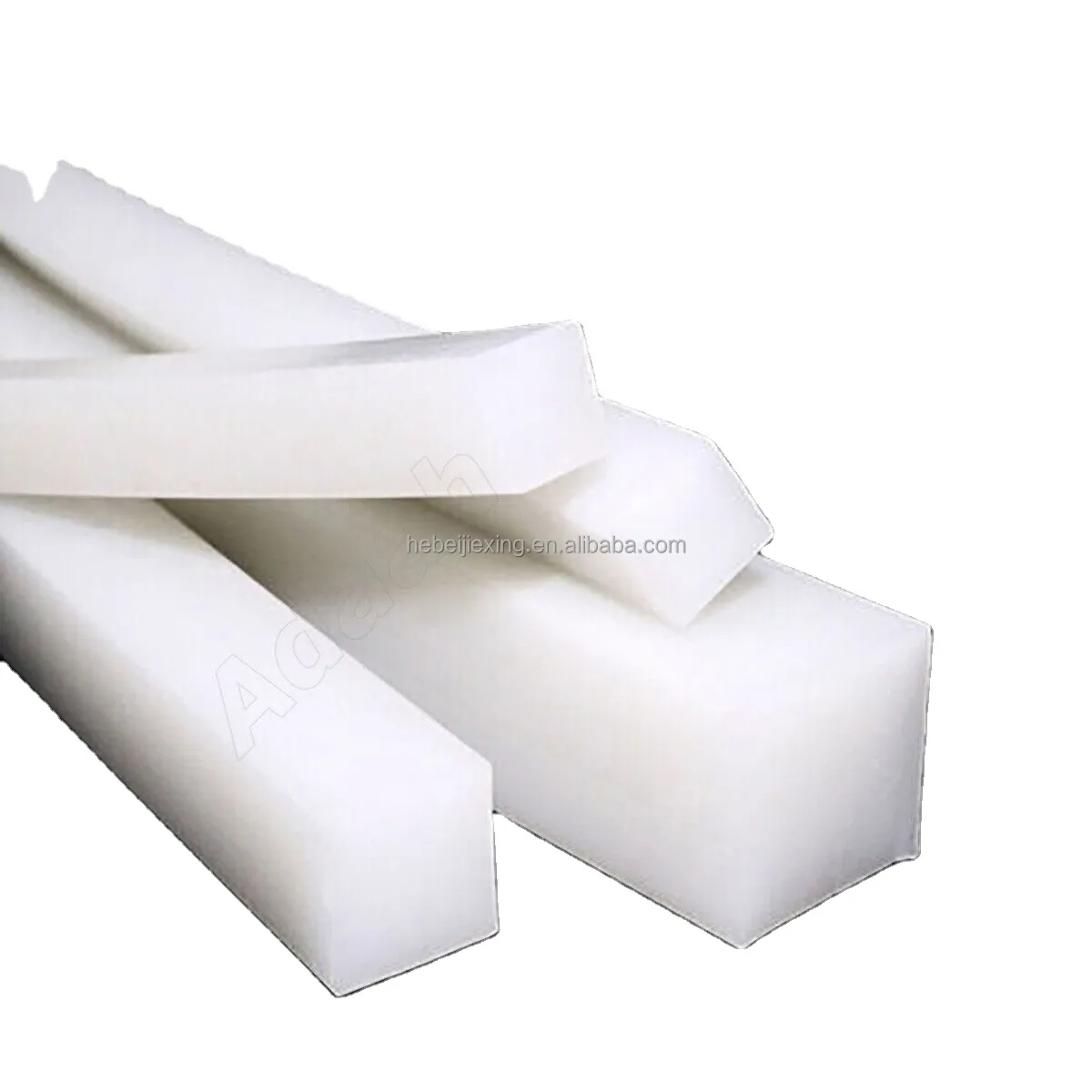
Process flow, testing, and service life
- Materials: high-consistency silicone + platinum catalyst; FDA 21 CFR 177.2600 grade on request.
- Methods: mixing and extrusion (hot-feed), continuous vulcanization, precision cutting; PSA backing optional.
- Testing: Shore A (ASTM D2240), tensile/elongation (ISO 37), compression set (ISO 815), thermal cycling (IEC 60068-2-14), oil swell (ASTM D471).
- Service life: ≈10–15 years in typical enclosure use; outdoor UV and heat can stretch or shorten that, naturally.
- Certs: RoHS, REACH; optional UL 94, FDA, and IATF 16949 supply chain documentation.
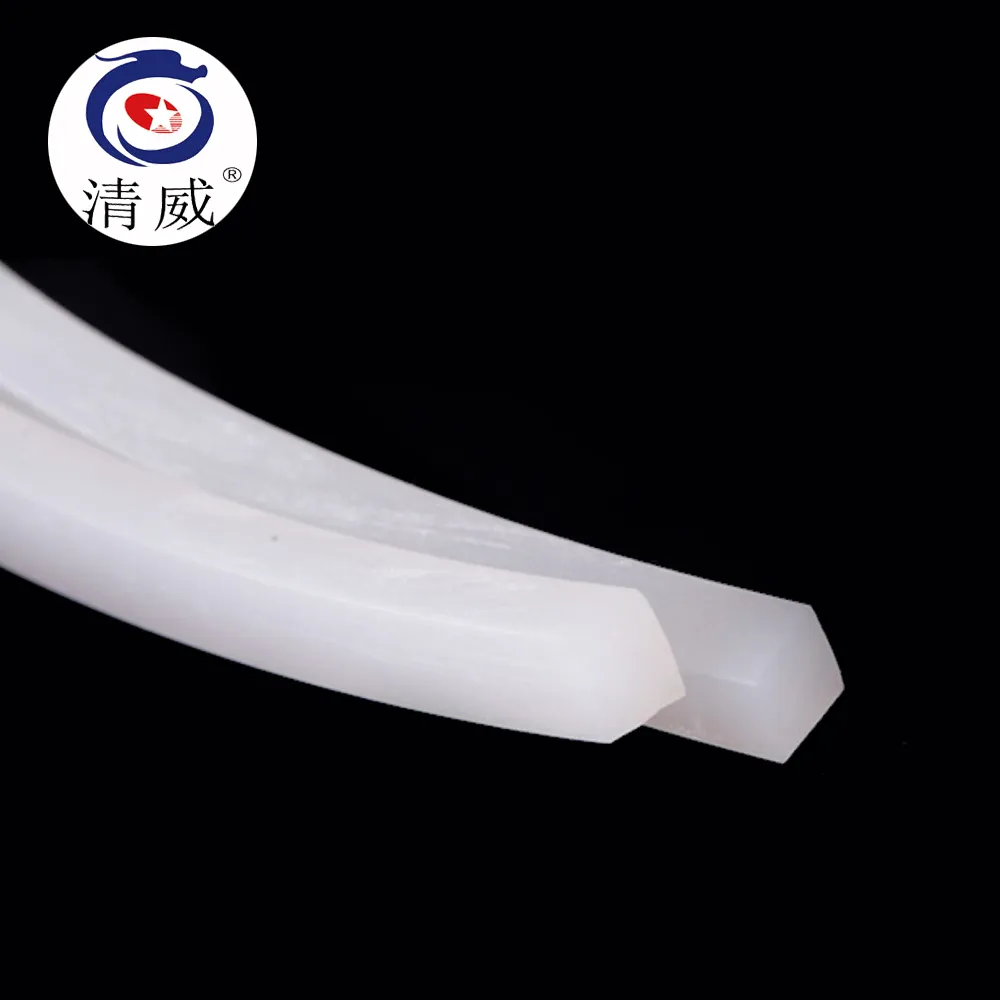
Where it’s used (and what people say)
Application scenarios: door and window insulation, electrical cabinets, EV battery trays, HVAC plenums, speakers, lab instruments, toys (non-toxic variants), sports equipment, and furniture. One integrator told me the Silicone Strip Seal cut panel buzz in a server room by “half, maybe more.” Not a lab number—just a happy tech.
Vendor comparison (what to watch)
| Vendor | Lead Time | Tolerances | Certs | Notes |
|---|---|---|---|---|
| QZ Seals (Hebei) | ≈7–12 days | ISO 3302-1 M2 | RoHS, REACH, optional UL/FDA | Strong customization and stable durometer |
| Generic Importer | ≈2–4 weeks | Varies (M2–M3) | Basic RoHS | Pricey small lots; specs can drift |
| Local Extruder | 3–10 days | Shop-specific | Varies | Fast prototypes; check oil/heat data |
Customization & quick wins
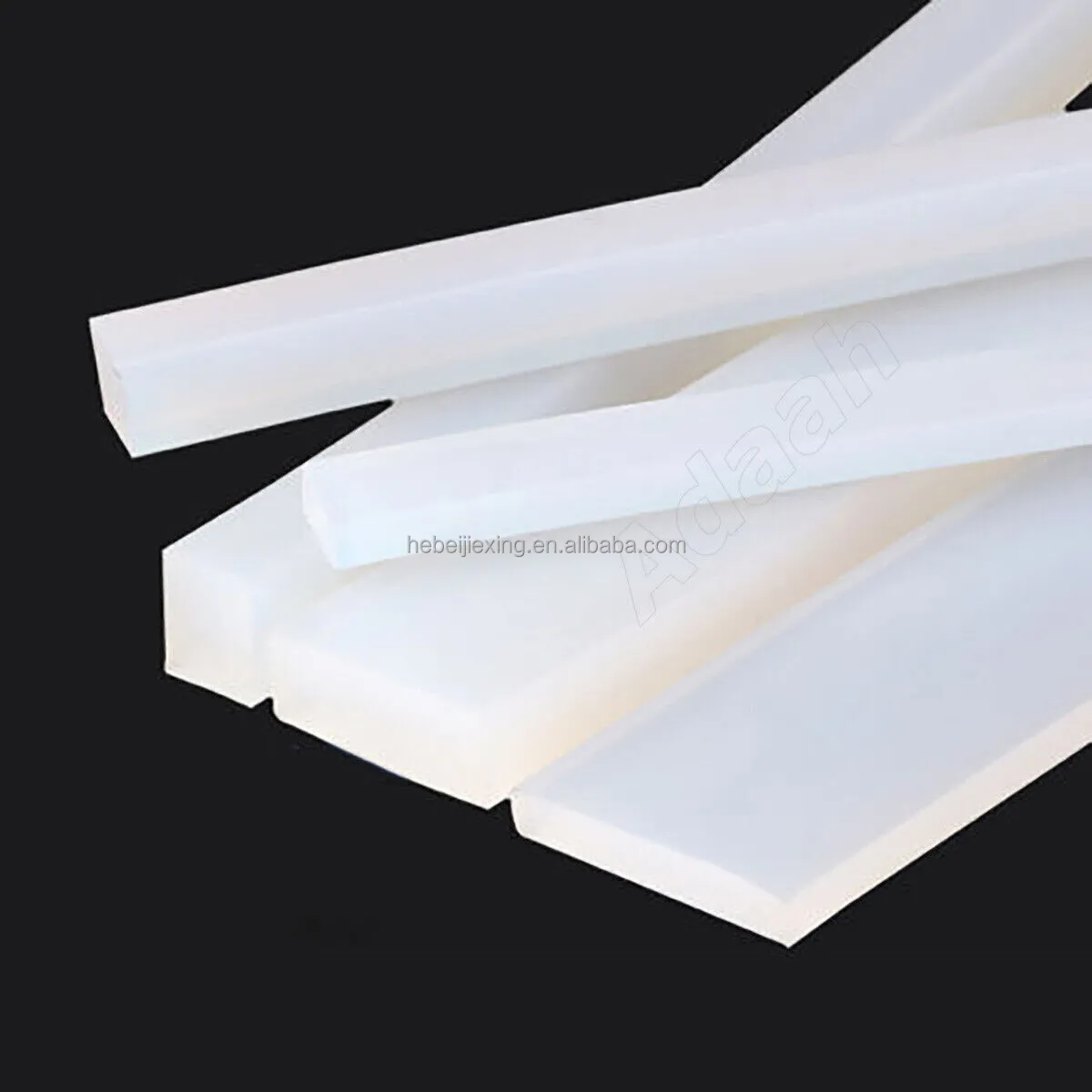
Widths, thicknesses, and coil lengths are easy. PSA backings (acrylic or silicone), corner miters, and die-cut frames save install time. For food or medical-ish zones, ask for platinum-cure, low-VOC, and FDA-compliant compound. If you need color-matching, they can tint; though white, frankly, keeps audits simple.
Mini case files
- Automotive door module: switched from EPDM to Silicone Strip Seal to survive underhood oil mist; compression set dropped to ≈20% after thermal cycling.
- Data center cabinets: narrow-gasket retrofit reduced rack-to-room leakage, trimming cooling load—modest but measurable, according to facilities.
If you’re speccing from scratch, start around Shore A 50, test your gap stack with 25–35% compression, and validate with oil and heat profiles that mimic your worst day, not your average one. Actually, that rule has saved me more than once.
References
- ASTM D2240 – Standard Test Method for Rubber Property—Durometer Hardness.
- ISO 37 – Rubber, vulcanized or thermoplastic—Determination of tensile stress-strain properties.
- ISO 815 – Rubber, vulcanized or thermoplastic—Determination of compression set.
- ASTM D471 – Standard Test Method for Rubber Property—Effect of Liquids.
- UL 94 – Tests for Flammability of Plastic Materials for Parts in Devices and Appliances.
-
Understanding e3 edge banding tape price and Value FactorsNewsApr.16,2026
-
Premium Birch Edge Tape Guide for Professional Furniture FinishingNewsApr.09,2026
-
Comprehensive Guide to 2mm Edge Banding Tape for Furniture and CabinetryNewsApr.07,2026
-
Comprehensive Guide to Choosing the Right 18mm Edge Banding for Your ProjectsNewsApr.04,2026
-
Comprehensive Guide to Pre Glued Melamine Edging Applications and InstallationNewsMar.31,2026
-
Comprehensive Guide to Self Adhesive Edge Banding Tape Applications and SelectionNewsMar.28,2026
-
Comprehensive Guide to Wood Veneer Edging Strips for Furniture and Woodworking ProjectsNewsMar.26,2026