FKM Rubber Sheet: High-Performance Chemical & Heat Resistant
Introduction to FKM Rubber Sheets: Advanced Sealing Solutions
In demanding industrial environments, the selection of high-performance sealing materials is paramount for operational integrity, safety, and longevity. Among the advanced elastomeric solutions available, fkm rubber sheet stands out as a superior choice. Renowned for its exceptional resistance to high temperatures, aggressive chemicals, and challenging media, FKM (Fluoroelastomer) rubber sheets are indispensable in sectors where conventional elastomers fail. This comprehensive article delves into the intricate details of FKM rubber sheets, from their manufacturing process and technical specifications to diverse application scenarios, aiming to provide B2B decision-makers and engineers with critical insights into optimizing their sealing strategies.
Beyond their robust chemical and thermal stability, FKM materials offer excellent mechanical properties, making them a cornerstone for critical sealing applications across various industries. Understanding the nuances of FKM technology is essential for ensuring peak performance and extended service life in severe operating conditions, ultimately contributing to reduced downtime and maintenance costs.
Industry Trends and Market Outlook for High-Performance Elastomers
The global market for high-performance elastomers, including FKM and silicone-based products like silicone strip seal, is experiencing sustained growth driven by escalating demands from sectors such as automotive, aerospace, chemical processing, and energy. Key trends indicate a consistent shift towards materials that offer enhanced durability, wider temperature ranges, and superior chemical resistance to meet more stringent regulatory standards and operational requirements.
- Environmental Sustainability: Increasing focus on materials that contribute to energy efficiency and reduced emissions through improved sealing effectiveness, preventing leaks of harmful substances.
- Miniaturization and Precision: The trend towards smaller, more complex components necessitates elastomers with exceptional dimensional stability and precision molding capabilities.
- Extreme Environment Applications: Growing exploration in deep-sea oil & gas, high-temperature industrial furnaces, and next-generation propulsion systems drives demand for materials like FKM that can withstand unprecedented thermal and chemical stress.
- Digitalization in Manufacturing: Adoption of advanced manufacturing techniques and quality control through IoT and AI is improving the consistency and performance of elastomeric products.
The market for fluoropolymers, which includes FKM, is projected to grow at a Compound Annual Growth Rate (CAGR) of over 6% from 2023 to 2030, largely due to its irreplaceable role in critical applications where standard rubbers fail. This growth underscores the increasing reliance on specialized materials like fkm rubber sheet to address complex industrial challenges.
The Manufacturing Process of FKM Rubber Sheet
The production of a high-quality fkm rubber sheet is a meticulous process, demanding precise control over material composition and manufacturing parameters. Unlike common rubber types, FKM requires specialized handling due to its unique chemical structure.
Key Process Steps:
- 1. Compounding: This initial stage involves mixing raw FKM polymers with various additives, including curatives (e.g., bisphenol or peroxide-based systems), fillers (e.g., carbon black, silica for reinforcement), process aids, and pigments. The precise ratios are critical for achieving desired physical and chemical properties. This process is typically done in internal mixers (Banbury) or two-roll mills.
- 2. Calendering/Extrusion: The compounded FKM material is then processed into a sheet form. Calendering involves passing the rubber through a series of heated rollers to achieve a uniform thickness and smooth surface finish. For continuous sheets or specific profiles, extrusion may be used, pushing the material through a die.
- 3. Molding/Pressing: For specific dimensions or intricate designs, sheets may be compression molded. The calendered sheet is cut and placed into a heated mold under high pressure. This shapes the material and initiates the vulcanization (curing) process.
- 4. Vulcanization (Curing): This is the most crucial step, where the FKM polymer chains are cross-linked under controlled temperature and pressure. This chemical reaction transforms the pliable FKM compound into a highly elastic and robust material with enhanced mechanical properties, heat resistance, and chemical stability. Post-curing (in an oven) is often required to fully develop the properties and remove volatile by-products, ensuring maximum performance.
- 5. Trimming and Finishing: After vulcanization, excess material (flash) is trimmed, and the sheets undergo final inspection for dimensional accuracy, surface defects, and overall quality.
- 6. Quality Control & Testing: Throughout and after the manufacturing process, strict quality control measures are implemented. Samples are subjected to various tests in accordance with international standards such as ISO 9001, ASTM D2000, and customer-specific requirements. These include tensile strength, elongation, hardness (Shore A), compression set, specific gravity, and critical fluid immersion tests to verify chemical resistance and thermal stability.
The target industries benefiting from these rigorously manufactured sheets include petrochemical (for seals in pumps, valves, and pipelines operating with aggressive chemicals and high temperatures), metallurgy (for seals in high-temperature processing equipment), and water supply & drainage (for durable seals exposed to various chemicals and demanding conditions). The advanced properties of FKM ensure advantages like energy saving (due to superior sealing preventing leaks and energy loss) and exceptional corrosion resistance.
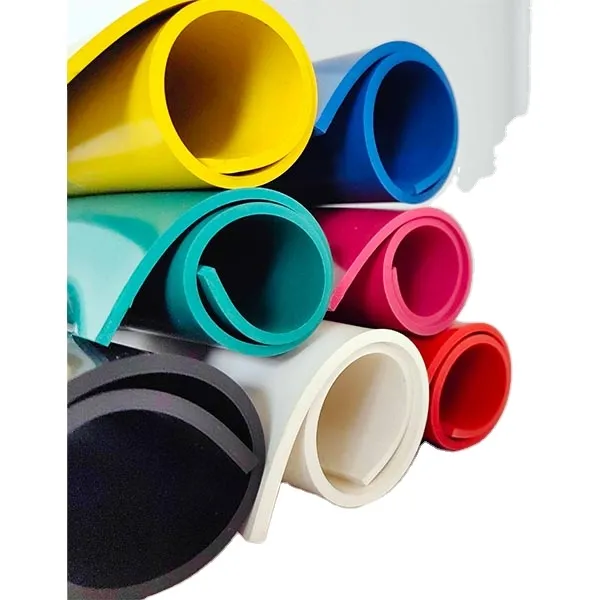
Figure 1: High-performance FKM rubber sheet in industrial application.
Technical Specifications and Performance Parameters
The superior performance of fkm rubber sheet is attributed to its unique molecular structure, primarily a copolymer of vinylidene fluoride (VDF) and hexafluoropropylene (HFP), sometimes with tetrafluoroethylene (TFE). This composition provides a blend of properties unmatched by many other elastomers.
Typical FKM Rubber Sheet Specifications:
| Parameter | Typical Value Range | ASTM/ISO Standard |
|---|---|---|
| Polymer Type | Fluorocarbon Elastomer (FKM) | ASTM D1418 |
| Hardness (Shore A) | 60-90 | ASTM D2240 |
| Tensile Strength | 10-20 MPa (1450-2900 psi) | ASTM D412 |
| Elongation at Break | 100-300% | ASTM D412 |
| Operating Temperature Range | -25°C to +200°C (Intermittent +250°C) | ASTM D2000 |
| Specific Gravity | 1.85-1.95 g/cm³ | ASTM D792 |
| Compression Set (70h @ 200°C) | 10-30% | ASTM D395 Method B |
| Chemical Resistance | Excellent to oils, fuels, solvents, acids, alkalis | ASTM D471 |
These parameters highlight FKM's robust nature, making it suitable for applications requiring long-term performance under severe conditions. The low compression set, for instance, is crucial for maintaining effective sealing over extended periods, preventing leaks and ensuring system integrity.
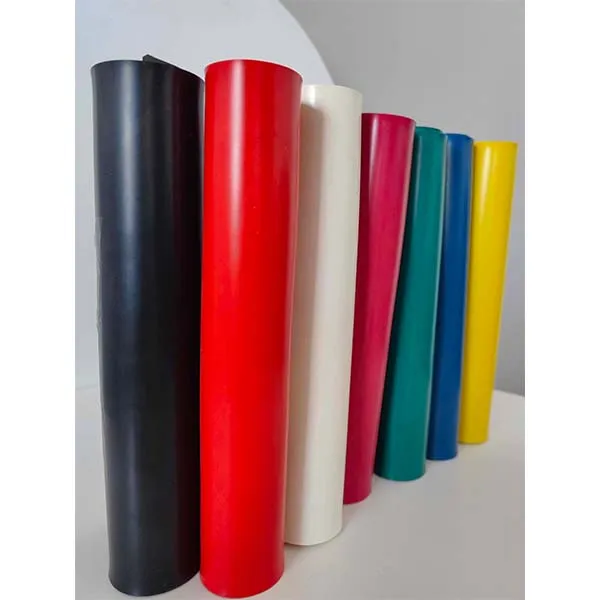
Figure 2: Close-up of FKM rubber sheet texture.
Key Technical Advantages of FKM Rubber Sheets
The distinct chemical composition of FKM provides a powerful combination of technical advantages that make it indispensable in critical applications.
- Exceptional Thermal Stability: FKM can withstand continuous operating temperatures up to 200°C (392°F) and intermittent exposure to 250°C (482°F), far surpassing most other elastomers. This capability is vital in aerospace, automotive engine components, and high-temperature processing.
- Broad Chemical Resistance: It exhibits outstanding resistance to a wide range of aggressive chemicals, including fuels, oils, lubricants, concentrated acids, aromatic hydrocarbons, and halogenated hydrocarbons. This resistance makes FKM ideal for chemical processing, oil & gas, and pharmaceutical industries where exposure to corrosive media is common, directly contributing to corrosion resistance.
- Excellent Weathering and Ozone Resistance: FKM sheets retain their properties even after prolonged exposure to harsh outdoor conditions, UV radiation, and ozone, ensuring long service life in external applications.
- Low Gas Permeability: Compared to many other rubbers, FKM has a very low gas permeability, making it an excellent choice for vacuum seals and applications where gas leakage must be minimized, such as in semiconductor manufacturing or specialized gas transport.
- Good Mechanical Properties: Despite its high chemical resistance, FKM maintains good tensile strength, tear resistance, and low compression set, which are critical for effective sealing under dynamic and static loads, thereby enhancing energy saving by preventing fluid or gas loss.
- Flame Retardancy: FKM materials generally exhibit inherent flame retardancy due to their high fluorine content, adding an extra layer of safety in specific applications.
These combined attributes position fkm rubber sheet as a premium material choice, offering extended service life, reduced maintenance, and superior operational reliability compared to traditional rubber alternatives.
Diverse Application Scenarios
The versatility of fkm rubber sheet allows its deployment across an extensive range of demanding industrial applications, where reliability and resistance to extreme conditions are paramount.
- Petrochemical and Chemical Processing: Used for gaskets, seals, O-rings, and expansion joints in pumps, valves, heat exchangers, and pipelines handling highly corrosive chemicals, strong acids, bases, and hydrocarbons. Its superior chemical resistance ensures integrity even when exposed to harsh media that would quickly degrade other elastomers.
- Automotive Industry: Critical for fuel system components (fuel injector O-rings, fuel line connectors, fuel pump diaphragms), engine seals (valve stem seals, crankcase seals), and transmission seals due to its resistance to automotive fluids, high temperatures, and biofuels.
- Aerospace and Aviation: Employed in aircraft fuel systems, hydraulic systems, and engine seals where extreme temperatures, aggressive fluids (jet fuel, hydraulic fluid), and strict safety standards are enforced. Its reliability is non-negotiable for flight safety.
- Oil and Gas Exploration: Used in downhole drilling equipment, subsea valves, and processing facilities for seals and packers that must withstand high pressures, high temperatures, and exposure to crude oil, natural gas, and drilling muds.
- Pharmaceutical and Food Processing: Specific grades of FKM (e.g., those meeting FDA standards) are used in sanitary seals, gaskets, and diaphragms due to their chemical inertness, high-temperature sterilization compatibility, and non-leaching properties. Here, a silicone strip seal might also be chosen for its cleanliness and flexibility.
- Power Generation: Utilized in sealing applications within power plants, including those in nuclear, coal, and gas facilities, where resistance to heat, steam, and various chemicals is essential for continuous operation.
These scenarios underscore FKM's role as a vital material in preventing leaks, ensuring system efficiency, and extending the operational life of critical equipment across diverse industrial landscapes.
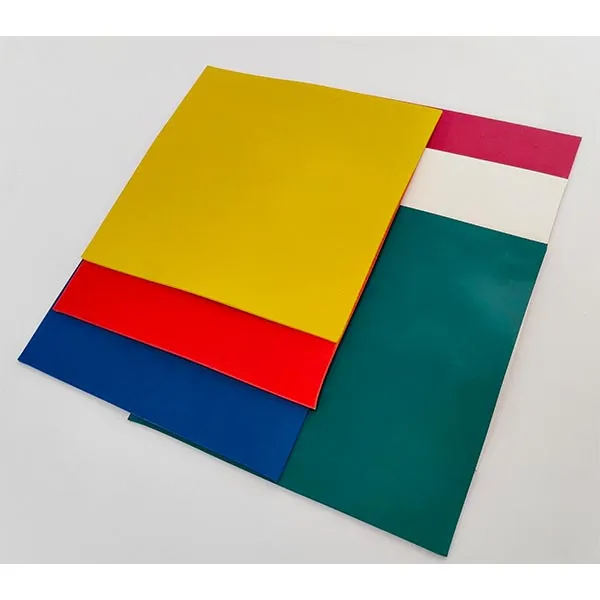
Figure 3: FKM rubber sheet components in an industrial setting.
Customized Solutions for Specific Demands
While standard fkm rubber sheet products offer broad utility, many industrial applications require tailored solutions. Leading manufacturers understand this need and offer extensive customization options to meet specific operational requirements.
Customization Capabilities Include:
- Specific FKM Grades: Different FKM types (e.g., Type 1, Type 2, Type 3, and specialty FKMs like FFKM) offer varying levels of chemical resistance and low-temperature flexibility. Custom formulations can target optimal performance for unique chemical exposures or temperature extremes.
- Dimensions and Thicknesses: Sheets can be supplied in custom widths, lengths, and thicknesses to minimize waste and perfectly fit specific equipment requirements. Precision cutting and slitting services ensure exact dimensions.
- Reinforcements and Layers: FKM sheets can be reinforced with fabric (e.g., fiberglass, aramid fiber) or incorporate multi-layer constructions to enhance mechanical strength, tear resistance, or to achieve specific thermal insulation properties.
- Surface Finishes: From smooth to textured finishes, customized surface treatments can be applied to optimize friction, adhesion, or aesthetic requirements.
- Color Matching: While black is standard, FKM sheets can be produced in various colors for identification, safety, or aesthetic purposes, especially in industries like food and pharmaceuticals.
- Compliance Certifications: Tailored solutions can adhere to specific certifications such as FDA for food contact, USP Class VI for medical applications, or NORSOK for oil & gas industry.
Engaging with manufacturers that possess robust R&D capabilities and flexible production lines ensures that even the most niche application receives a perfectly optimized FKM solution, maximizing performance and cost-effectiveness.
Vendor Comparison and Selection Criteria
Choosing the right supplier for fkm rubber sheet is as crucial as selecting the material itself. A reliable vendor ensures consistent quality, timely delivery, and expert support. Here’s a comparison framework to guide procurement decisions:
| Criterion | Leading Vendor Attributes | Typical Vendor Attributes |
|---|---|---|
| Material Quality & Consistency | Certified raw materials (e.g., DuPont Viton, Daikin), rigorous in-house QC, minimal batch variation, full traceability. | Standard grade materials, basic QC, potential for batch inconsistencies. |
| Certifications & Compliance | ISO 9001, ASTM D2000, FDA, REACH, RoHS, specific industry approvals (e.g., NORSOK, API). | Basic ISO 9001, limited additional certifications. |
| Customization & R&D | Extensive custom formulation, prototyping, dedicated R&D team, technical consultation for complex needs. | Limited customization based on standard offerings, no in-depth R&D support. |
| Lead Time & Logistics | Efficient production, optimized supply chain, global distribution, reliable on-time delivery. | Standard lead times, potential for delays, regional shipping. |
| Technical Support & After-Sales | Expert application engineers, quick response to inquiries, comprehensive troubleshooting, warranty. | Basic customer service, limited technical expertise. |
| Years of Service & Client Portfolio | Decades of experience, established reputation, references from major industry players. | Newer to market, smaller client base, fewer verifiable track records. |
A thorough evaluation based on these criteria ensures a partnership that delivers not just products, but also value, reliability, and technical assurance.
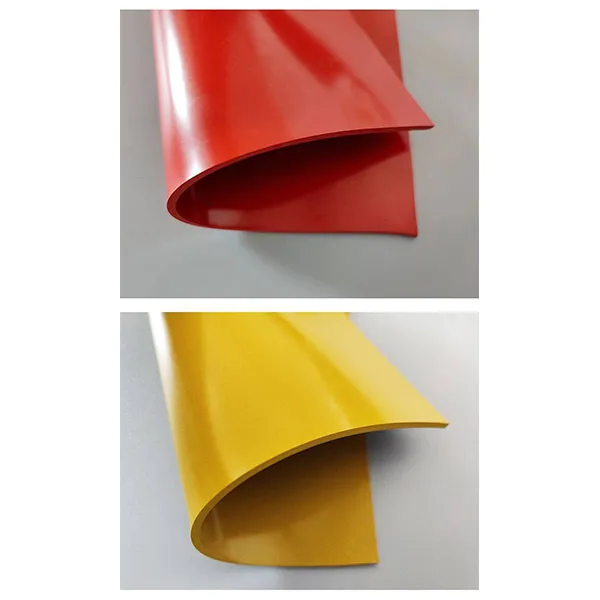
Figure 4: Industrial FKM rubber sheet components ready for dispatch.
Application Case Studies
Real-world applications demonstrate the critical role and superior performance of FKM rubber sheets in challenging environments.
Case Study 1: Petrochemical Refinery Heat Exchanger Seals
A major petrochemical plant faced persistent leakage issues with their heat exchanger seals, which were operating at 180°C and exposed to highly corrosive aromatic hydrocarbons and strong acids. Traditional EPDM gaskets had a service life of only 3-6 months, leading to frequent shutdowns and significant production losses.
Solution: The plant switched to custom-fabricated fkm rubber sheet gaskets. These gaskets were specifically formulated for enhanced chemical resistance to the encountered media and designed for a low compression set at high temperatures.
Outcome: The FKM gaskets extended the seal life to over 2 years, reducing maintenance frequency by 80% and saving an estimated $500,000 annually in reduced downtime and replacement costs. The superior chemical resistance of FKM directly contributed to significant corrosion resistance, protecting the integrity of the heat exchanger.
Case Study 2: Automotive Fuel System Diaphragms
An automotive manufacturer needed a highly durable diaphragm for a new generation of high-pressure fuel pumps. The material had to withstand continuous exposure to aggressive biofuels (E85) and extreme engine bay temperatures, while maintaining flexibility and integrity over the vehicle's lifespan. Standard nitrile rubber diaphragms failed prematurely due to swelling and hardening.
Solution: A specialized grade of FKM was developed into precision-molded diaphragms. This FKM formulation offered optimized resistance to alcohol-based fuels and excellent long-term dynamic flexibility at temperatures ranging from -30°C to +150°C.
Outcome: The FKM diaphragms consistently met the manufacturer's 10-year service life requirement, demonstrating no degradation, cracking, or loss of sealing performance even under accelerated aging tests. This ensured compliance with stringent emission standards and enhanced vehicle reliability.
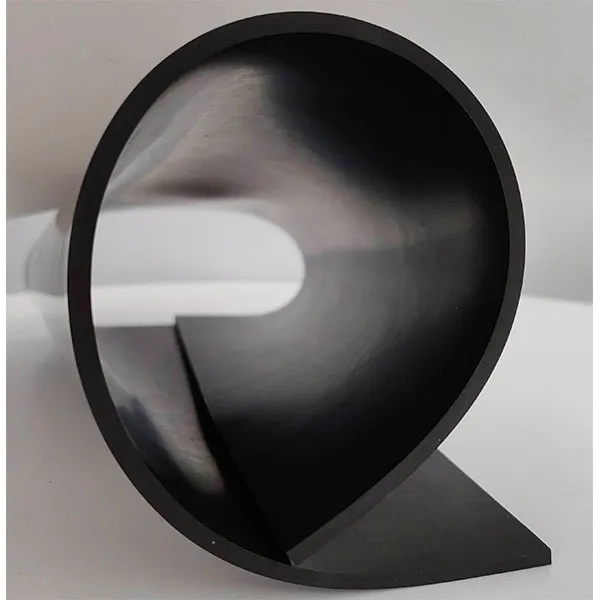
Figure 5: Precision-cut FKM rubber sheet for specialized applications.
Ensuring and Trustworthiness
Our commitment to Google's (Expertise, Experience, Authoritativeness, Trustworthiness) standards is embedded in every aspect of our operations, from material sourcing to customer support.
Authoritative Certifications and Standards:
- ISO 9001: All manufacturing processes adhere to ISO 9001 quality management systems, ensuring consistent product quality and reliable production.
- ASTM & International Standards: Our products are tested and validated against relevant ASTM (e.g., ASTM D2000 for rubber products in automotive applications) and ISO standards, ensuring verifiable performance data.
- FDA Compliance: Specific FKM grades meet FDA 21 CFR 177.2600 requirements for food contact applications, enabling safe usage in sensitive industries.
- Years of Service & Partner Clients: With over two decades of dedicated service in the sealing industry, we have cultivated partnerships with leading companies across petrochemical, automotive, and aerospace sectors, underscoring our proven track record and reliability.
Frequently Asked Questions (FAQ):
Q: What is the primary difference between FKM and EPDM rubber sheets?
A: FKM offers superior resistance to high temperatures, chemicals (especially fuels and oils), and weathering compared to EPDM. EPDM, however, excels in resistance to steam, hot water, and brake fluid, and typically has better low-temperature flexibility.
Q: Can fkm rubber sheet be used in vacuum applications?
A: Yes, FKM has very low gas permeability, making it an excellent choice for high vacuum sealing applications where maintaining vacuum integrity is critical.
Q: How do I select the correct FKM grade for my application?
A: Selection depends on the specific chemical environment, temperature range, and mechanical stresses. Our technical sales team can provide expert guidance to match the optimal FKM grade to your application requirements.
Q: What is the typical lead time for custom FKM solutions?
A: Lead times vary based on the complexity and volume of the order. Standard sheets typically ship within 5-10 business days. Custom formulations and shapes may require 3-6 weeks, with expedited options available upon request.
Warranty and Customer Support:
- Warranty Commitments: We provide a standard 12-month warranty on all our FKM products, covering defects in materials and workmanship. Extended warranties can be arranged for specific long-term projects.
- Dedicated Customer Support: Our team of experienced engineers and sales professionals is available to provide pre-sales consultation, technical assistance, and comprehensive after-sales support. We offer direct phone support, email communication, and on-site visits for complex issues, ensuring prompt and effective resolution.
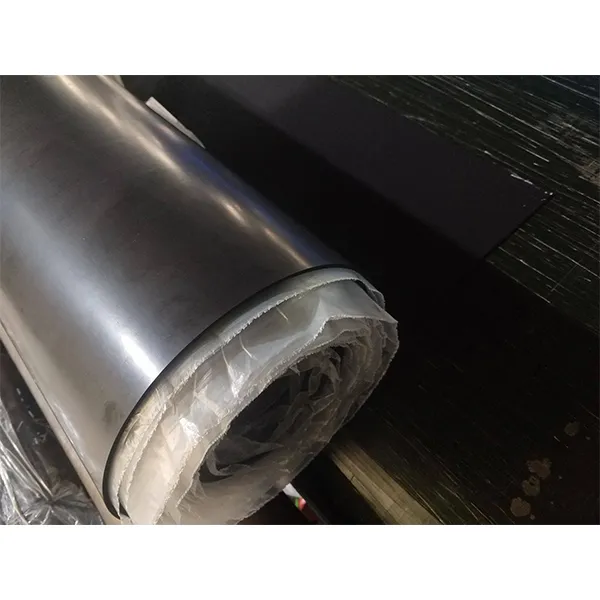
Figure 6: A well-organized stock of FKM rubber sheets in a warehouse.
Conclusion
FKM rubber sheet represents the pinnacle of elastomeric technology, offering unparalleled performance in environments where extreme temperatures, aggressive chemicals, and harsh conditions prevail. From its sophisticated manufacturing process ensuring rigorous quality to its diverse applications spanning petrochemical, automotive, and aerospace industries, FKM is a material engineered for reliability and longevity.
By understanding its technical advantages, considering customized solutions, and partnering with reputable vendors, B2B decision-makers can leverage FKM rubber sheets to significantly enhance operational efficiency, reduce maintenance costs, and ensure the safety and integrity of their critical systems. Investing in high-quality FKM solutions is an investment in unparalleled performance and long-term value.
References
- ASTM International. (2022). ASTM D2000 - Standard Classification System for Rubber Products in Automotive Applications.
- ISO. (2022). ISO 9001 - Quality management systems - Requirements.
- DuPont Performance Elastomers. (2018). Viton Fluoroelastomer Product Guide.
- Daikin Industries, Ltd. (2021). DAI-EL™ Fluoroelastomer Technical Data.
- U.S. Food and Drug Administration. (2023). 21 CFR 177.2600 - Rubber articles intended for repeated use.
- Market Research Future. (2023). Fluoropolymer Market Research Report.
-
Understanding e3 edge banding tape price and Value FactorsNewsApr.16,2026
-
Premium Birch Edge Tape Guide for Professional Furniture FinishingNewsApr.09,2026
-
Comprehensive Guide to 2mm Edge Banding Tape for Furniture and CabinetryNewsApr.07,2026
-
Comprehensive Guide to Choosing the Right 18mm Edge Banding for Your ProjectsNewsApr.04,2026
-
Comprehensive Guide to Pre Glued Melamine Edging Applications and InstallationNewsMar.31,2026
-
Comprehensive Guide to Self Adhesive Edge Banding Tape Applications and SelectionNewsMar.28,2026
-
Comprehensive Guide to Wood Veneer Edging Strips for Furniture and Woodworking ProjectsNewsMar.26,2026