Oven Door Seal Replacements: Perfect Fit & Heat Efficiency
Elevating Performance: The Critical Role of High-Performance Oven Door Seals
In industrial and commercial thermal processing environments, the integrity of a heating chamber is paramount. At the heart of maintaining this integrity, ensuring optimal energy efficiency, and guaranteeing operational safety is the humble yet technologically sophisticated seal for oven door. This component is not merely a barrier; it is a precision-engineered solution vital for preventing heat loss, containing processing atmospheres, and safeguarding personnel. The global market for high-temperature seals is experiencing significant growth, driven by stringent energy efficiency regulations, increased demand for precision thermal processing in sectors like food and beverage, pharmaceuticals, and advanced materials, and the continuous evolution of oven technologies demanding more robust and reliable sealing solutions.
Industry trends highlight a shift towards materials with enhanced thermal stability, chemical resistance, and an extended service life. Operators are increasingly seeking solutions that minimize downtime, reduce maintenance costs, and contribute to a lower overall carbon footprint. This necessitates a deep understanding of material science, advanced manufacturing techniques, and application-specific design, ensuring that every seal for oven door meets the rigorous demands of modern industrial environments. From large-scale food production facilities utilizing continuous ovens to specialized laboratories requiring precise temperature control for sensitive experiments, the selection of the correct sealing solution directly impacts product quality, operational efficiency, and long-term cost-effectiveness.
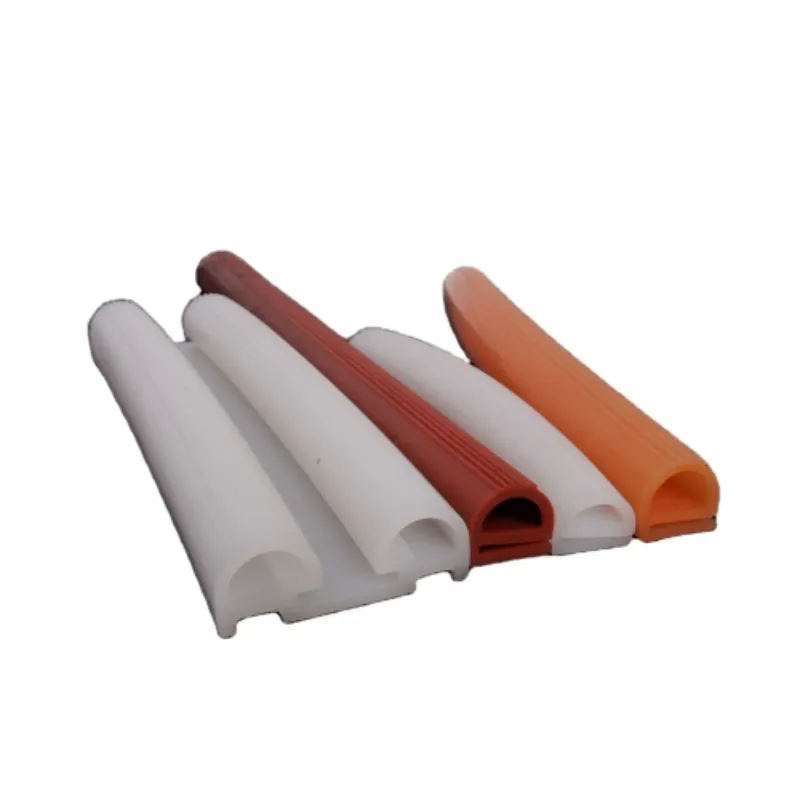
Manufacturing Precision: The Process Behind Every Robust Oven Seal
The production of a high-performance cooker door seal is a testament to precision engineering and advanced material science. Our manufacturing process adheres to stringent quality control standards, including ISO 9001, to ensure every seal delivers consistent performance and reliability. The typical process flow involves several critical stages:
Detailed Process Flow:
-
1. Material Selection & Compounding:
The foundation of an effective oven seals replacement lies in its material. We utilize high-grade silicone polymers, often platinum-cured, selected for their exceptional thermal stability, chemical inertness, and flexibility. Specific additives are incorporated during compounding to enhance properties such as tear strength, compression set resistance, and flame retardancy, tailored to withstand temperatures typically ranging from -60°C to +280°C, with intermittent peaks up to 300°C. This ensures the material's integrity over thousands of thermal cycles.
-
2. Extrusion or Compression Molding:
Depending on the complexity of the profile, the silicone compound is either extruded or compression molded. Extrusion involves forcing the material through a die to create continuous profiles (e.g., P-seals, U-channels, bulb seals). For more intricate geometries or corner pieces, compression molding is employed, where pre-formed silicone is placed into a heated mold cavity and pressed under high pressure until cured. This stage emphasizes dimensional accuracy to meet tight ANSI specifications.
-
3. Vulcanization (Curing):
The formed silicone profile undergoes a vulcanization process, typically in a heated oven, to chemically cross-link the polymer chains. This critical step transforms the pliable silicone into a durable, elastic, and heat-resistant elastomer, giving it its permanent shape and mechanical properties. Precise temperature and time controls are essential to achieve optimal physical properties.
-
4. Post-Curing:
Post-curing (or post-bake) at elevated temperatures further enhances the material's properties by removing volatile organic compounds (VOCs) and completing the cross-linking. This step is particularly crucial for seals intended for food contact (FDA compliance) or medical applications, ensuring the lowest possible extractables and optimal long-term performance.
-
5. Finishing & Assembly:
Finished profiles are cut to precise lengths. For complex oven door configurations, seals may be spliced, corner molded, or bonded to create continuous gaskets with seamless transitions. Advanced bonding techniques ensure the integrity and longevity of the assembled seal, crucial for maintaining optimal performance over its estimated service life of 5-10 years, depending on application severity.
-
6. Quality Control & Testing:
Each batch undergoes rigorous quality checks. This includes dimensional verification (using optical comparators), hardness testing (Shore A), tensile strength, elongation at break, compression set resistance, and heat aging tests. Specialized testing, such as flame resistance (UL 94), fluid resistance, and fogging tests, may also be performed to meet specific industry or customer requirements. These tests ensure the seal's advantages in typical application scenarios, such as energy saving through superior insulation and robust corrosion resistance against aggressive cleaning agents or process byproducts.
Our seals are designed for target industries including food processing, pharmaceuticals, industrial drying, commercial baking, and laboratory equipment. The meticulous manufacturing process guarantees a superior seal for oven door.
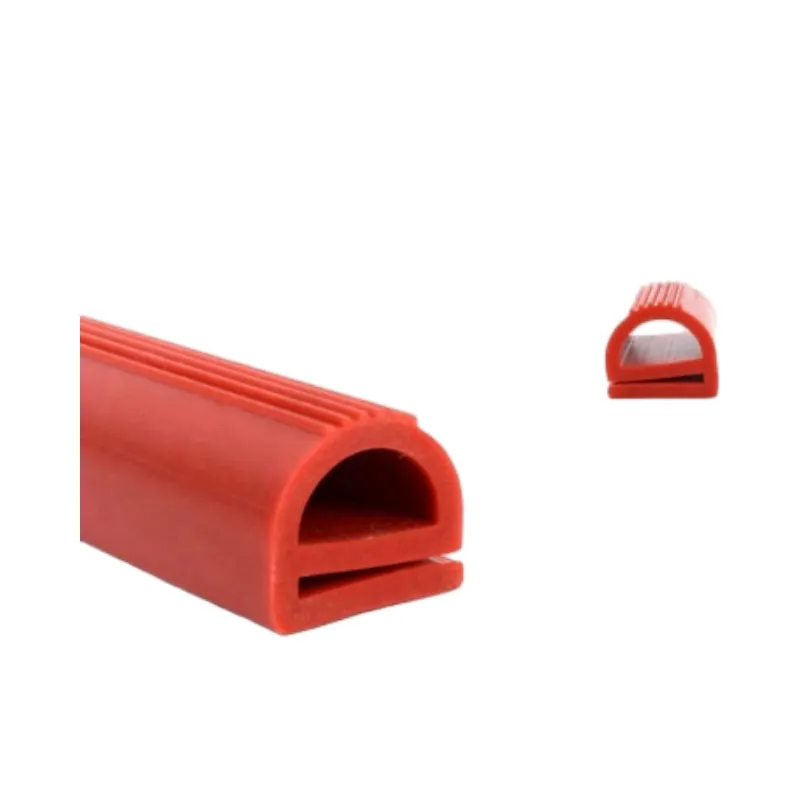
Technical Specifications and Parameters of High-Performance Silicone Seals
Understanding the technical specifications of an oven seals replacement is crucial for engineers and procurement specialists to ensure optimal performance and compatibility with industrial oven systems. Our High Performance Oven Door Silicone Seal Strip is engineered from advanced silicone compounds, offering a blend of flexibility, durability, and thermal resilience unmatched by conventional sealing materials. The material science behind these seals focuses on delivering consistent sealing integrity across extreme operating conditions.
Key Technical Parameters:
| Parameter | Specification | Testing Standard |
|---|---|---|
| Material Composition | High-grade Platinum-Cured Silicone (FDA Compliant options available) | ASTM D2000, FDA 21 CFR 177.2600 |
| Continuous Operating Temperature | -60°C to +280°C (-76°F to +536°F) | ASTM D2240 |
| Intermittent Peak Temperature | Up to +300°C (+572°F) for short durations | ASTM D2240 |
| Hardness (Shore A) | 40-70 (customizable) | ASTM D2240 |
| Tensile Strength | Minimum 6.0 MPa (870 psi) | ASTM D412 |
| Elongation at Break | Minimum 200% | ASTM D412 |
| Compression Set (22h @ 175°C) | Typically | ASTM D395 Method B |
| Chemical Resistance | Excellent against ozone, UV, weak acids, bases, alcohols, steam | ASTM D471 |
| Fire Safety | UL 94 V-0 or V-1 grades available upon request | UL 94 |
These specifications underline the expertise in material selection and formulation, directly translating into tangible benefits for industrial applications. The robust thermal performance and chemical stability ensure a prolonged service life, reducing the frequency of seal for oven door replacements and minimizing operational disruptions.
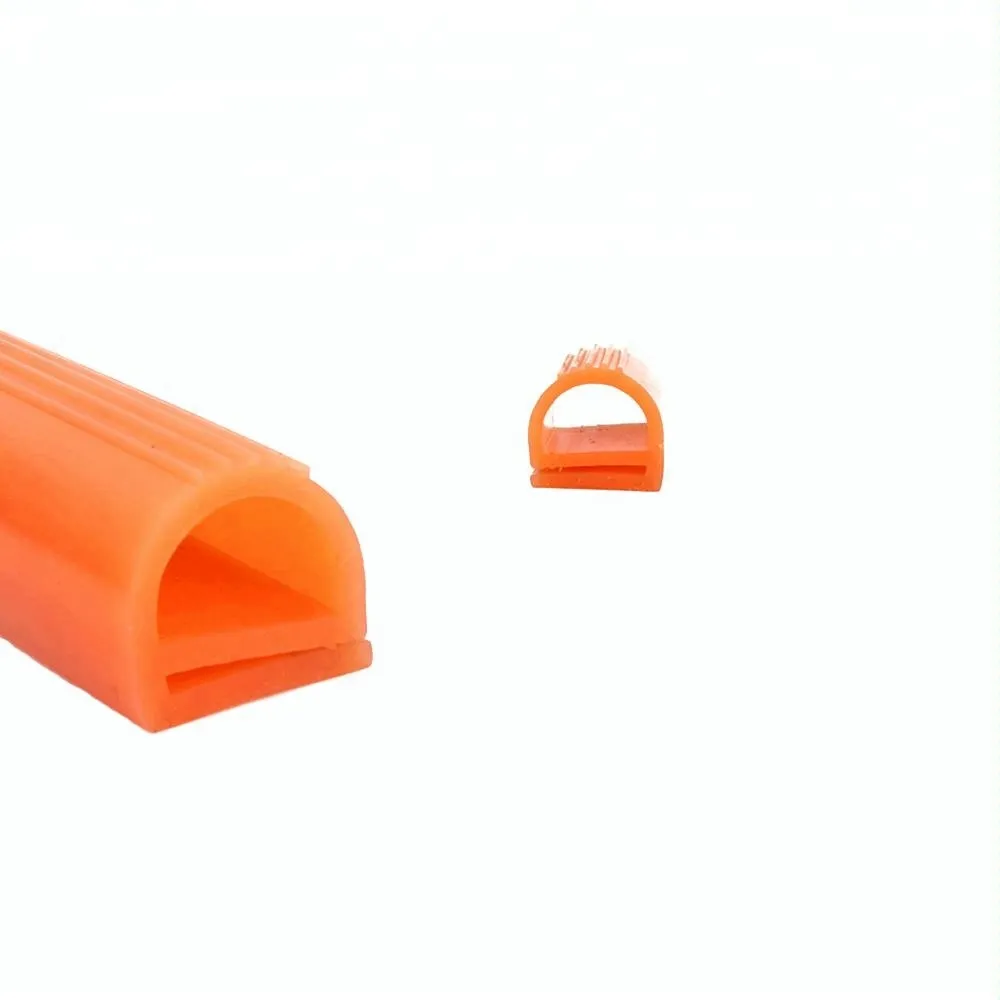
Versatile Application Scenarios and Distinct Technical Advantages
The versatility of our high-performance seal for oven makes it indispensable across a wide spectrum of industrial and commercial applications. From the demanding conditions of petrochemical processing to the sterile environments of pharmaceutical manufacturing, these seals consistently deliver superior performance. Understanding where and how these seals are deployed, alongside their inherent technical advantages, is key to appreciating their value proposition.
Typical Application Scenarios:
- Commercial & Industrial Baking Ovens: Essential for maintaining consistent temperatures, ensuring uniform baking, and improving energy efficiency in large-scale bakeries.
- Industrial Drying and Curing Ovens: Utilized in automotive, aerospace, and electronics manufacturing for processes requiring precise temperature control and containment of volatile compounds.
- Sterilization Equipment (Autoclaves): Critical in pharmaceutical, medical, and laboratory settings where absolute sterility and containment are non-negotiable, often operating with steam.
- Laboratory High-Temperature Chambers: For research and development applications requiring extreme temperature stability and chemical resistance.
- Food Processing & Catering Equipment: Ensuring hygiene and thermal efficiency in combi ovens, convection ovens, and other professional kitchen apparatus.
- Chemical Processing Reactors: Where sealing against corrosive gases and high temperatures is critical for safety and operational continuity.
Technical Advantages:
- Superior Thermal Insulation & Energy Saving: Silicone’s inherently low thermal conductivity, combined with precise seal design, minimizes heat transfer from the oven interior to the exterior. This significantly reduces energy consumption, leading to substantial operational cost savings and contributing to sustainability goals by lowering a facility's carbon footprint.
- Exceptional Durability & Extended Service Life: Engineered to withstand repeated thermal cycling, exposure to harsh chemicals, and mechanical stress, our seals exhibit excellent resistance to degradation. This translates to fewer replacements, reduced maintenance, and maximized uptime, often providing a service life several times longer than conventional rubber alternatives.
- Hygienic and Non-Toxic Properties (FDA Compliant): For food and pharmaceutical applications, the use of FDA-compliant platinum-cured silicone ensures that the seals are non-contaminating, odorless, and tasteless. Their smooth, non-porous surface inhibits bacterial growth and is easy to clean, maintaining stringent hygiene standards.
- Optimal Flexibility and Sealing Performance: Silicone maintains its elasticity and flexibility across a wide temperature spectrum, ensuring a consistent and tight seal even with minor door misalignments or during thermal expansion and contraction cycles. Its low compression set means it retains its shape and sealing force over time.
- Corrosion and Chemical Resistance: Our silicone seals are largely impervious to most common oven cleaning agents, steam, ozone, UV radiation, and many industrial chemicals. This resistance prevents material degradation, cracking, and hardening, which are common failure modes for seals made from less robust elastomers.
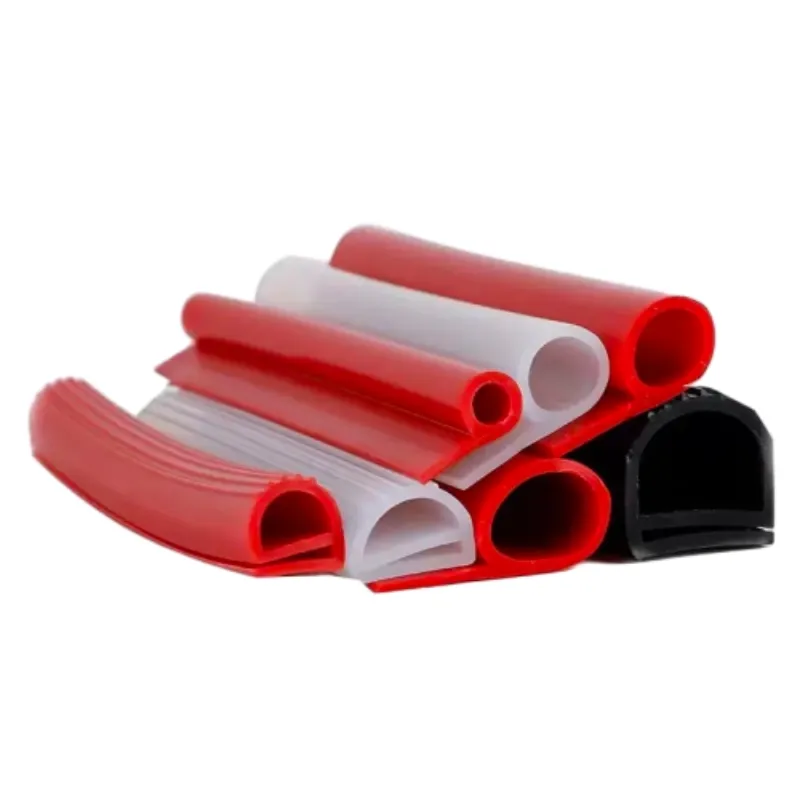
Customized Solutions and Vendor Comparison in the Oven Seal Market
While off-the-shelf solutions can address basic needs, true optimization in industrial settings often requires customized door gasket oven solutions. The ability to tailor seal profiles, material compounds, and mounting methods to precise application requirements is a hallmark of an expert supplier. Furthermore, selecting the right vendor involves a comprehensive evaluation beyond just initial cost, encompassing material quality, engineering support, and long-term reliability.
The Power of Customization:
Every industrial oven, especially in specialized manufacturing, presents unique challenges related to temperature gradients, atmospheric composition, door closure mechanisms, and even space constraints. A generic seal for oven door might fit, but it may not perform optimally, leading to compromised efficiency or premature failure. Customized solutions involve:
- Profile Design: Engineering unique cross-sections (e.g., bulb, P-strip, J-strip, hollow D-shape) to achieve optimal compression, sealing force, and resistance to environmental factors.
- Material Formulation: Adjusting silicone compounds for specific chemical resistance, higher temperature thresholds, enhanced tear strength, or even electrical conductivity/insulation properties.
- Size and Length: Precision cutting and splicing to match exact door dimensions, ensuring a continuous seal without weak points.
- Mounting Methods: Integrating specific attachment features like adhesive backing, barbed clips, or grooves for channel mounting, simplifying installation and ensuring a secure fit.
Vendor Comparison: High Performance vs. Standard Solutions
When evaluating suppliers for your oven seals replacement needs, consider the following differentiation points:
| Feature/Criterion | High Performance Silicone Seals (Our Offering) | Standard EPDM/Generic Silicone Seals |
|---|---|---|
| Material Quality & Purity | Platinum-cured, low volatile, FDA/LFGB compliant grades; superior longevity and safety. | Peroxide-cured, may have higher extractables; basic compliance. |
| Temperature Range | -60°C to +280°C (up to 300°C intermittent), excellent thermal stability. | -40°C to +200°C (silicone), -40°C to +150°C (EPDM); limited thermal resilience. |
| Compression Set Resistance | Exceptional, ensuring long-term sealing force and minimal permanent deformation. | Good to moderate, may take a permanent set over time, reducing sealing effectiveness. |
| Customization & Engineering Support | Extensive design capabilities, material consultation, rapid prototyping for bespoke solutions. | Limited to standard profiles and materials; less design flexibility. |
| Service Life & ROI | Extended service life (5-10+ years), high ROI through energy savings and reduced maintenance. | Shorter service life (1-3 years), higher hidden costs from frequent replacements and energy loss. |
| Certifications | ISO 9001, FDA, RoHS, REACH, UL 94 (on request). | Basic industry certifications, possibly not for specific high-performance aspects. |
Choosing a high-performance supplier ensures that your oven operations benefit from advanced material technology and dedicated engineering support, culminating in superior long-term value.
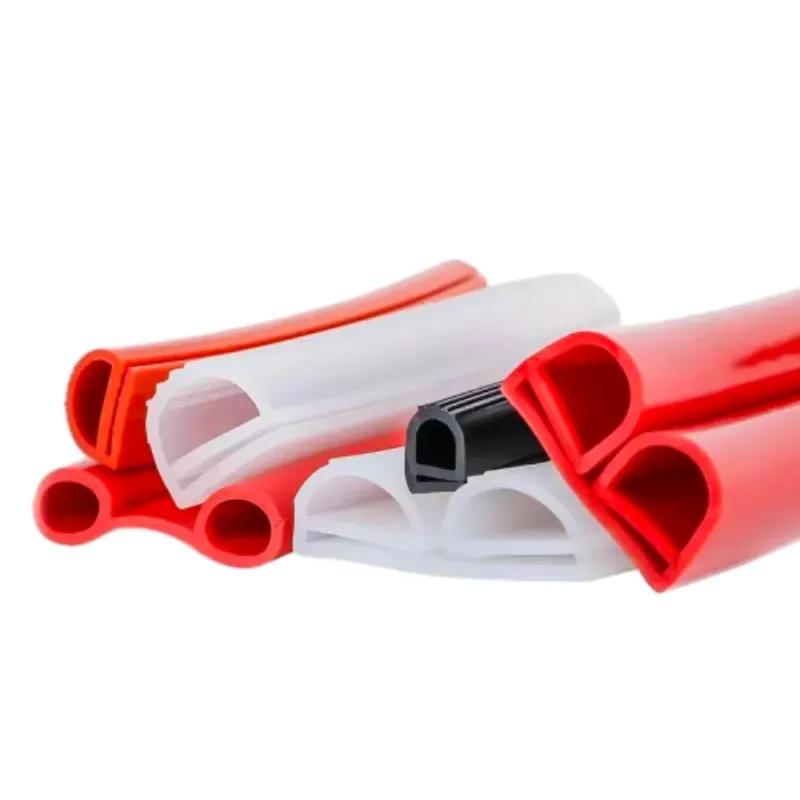
Real-World Impact: Application Case Studies
The effectiveness of a high-performance door gasket oven is best illustrated through real-world applications where our solutions have delivered tangible benefits. These case studies highlight not only the technical prowess of our seals but also their significant contribution to operational efficiency, cost reduction, and safety.
Case Study 1: Large-Scale Commercial Bakery
- Client: A leading commercial bakery operating multiple continuous tunnel ovens for bread and pastry production.
- Challenge: Frequent replacement of existing EPDM cooker door seal due to hardening and cracking from continuous high temperatures (up to 250°C) and steam cleaning cycles. This led to significant heat loss, uneven baking, and unplanned downtime for seal changes, costing approximately $5,000 per oven annually in parts and labor.
- Solution: Custom-designed, platinum-cured silicone P-profile seals, specifically engineered for enhanced steam and heat resistance. These seals were supplied with an integrated clip-on mechanism for quick installation.
- Results:
- Reduced Energy Consumption: Thermal imaging before and after showed a 12% reduction in heat loss around oven doors, translating to an estimated 8% reduction in gas consumption for oven heating.
- Extended Service Life: The new silicone seals demonstrated a service life of 4 years, compared to 8-12 months for the previous EPDM seals, extending replacement cycles by over 300%.
- Improved Product Quality: Consistent oven temperatures led to more uniform baking and reduced product rejects by 3%.
- Annual Savings: An estimated $3,500 per oven per year in combined energy and maintenance costs, resulting in a full ROI within 1.5 years.
Case Study 2: Automotive Parts Manufacturer (Drying Ovens)
- Client: A manufacturer of high-precision automotive components, utilizing batch drying ovens operating at 180°C with controlled humidity.
- Challenge: The previous standard silicone seals were failing prematurely due to high humidity and continuous thermal stress, leading to a loss of drying efficiency and inconsistent component quality. Air leakage also allowed fine particulate contamination from the factory environment into the oven.
- Solution: Provided a specialized high-tear-strength silicone seal for oven door, designed with a multi-chamber profile to enhance thermal insulation and provide superior resistance to compression set in humid conditions. The material also featured improved resistance to airborne particulates.
- Results:
- Enhanced Drying Consistency: Air leakage was virtually eliminated, leading to more stable internal temperatures and humidity levels, improving the consistency of the drying process by 15%.
- Reduced Contamination: The superior sealing prevented ingress of airborne particles, reducing defects related to surface contamination by 7%.
- Extended Maintenance Intervals: The lifespan of the seals increased from 18 months to over 5 years, drastically cutting maintenance frequency and costs.
- Operational Efficiency: Downtime for seal replacement was reduced by approximately 75% per oven annually, optimizing production schedules.
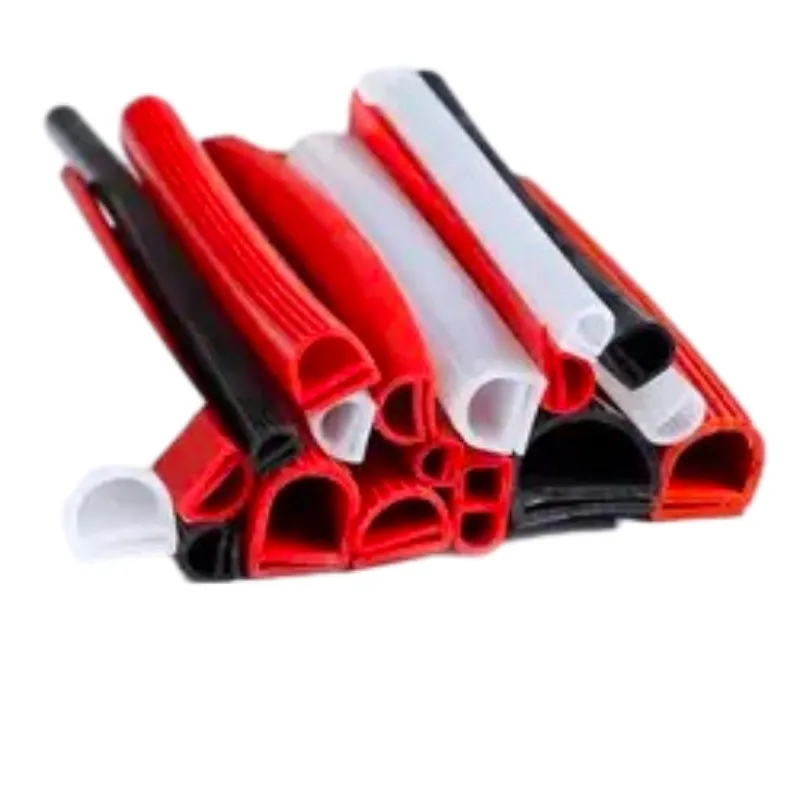
Trust and Assurance: FAQ, Lead Time, Warranty, and Support
Building trust with our B2B partners is foundational to our operations. We aim to provide complete transparency regarding our products, services, and commitments. Below, you will find essential information regarding common inquiries, fulfillment details, and our dedicated customer support.
Frequently Asked Questions (FAQ):
- Q: How often should I replace my seal for oven door?
A: The service life varies significantly based on operating temperatures, frequency of door cycles, chemical exposure, and initial material quality. High-performance silicone seals can last 5-10 years under typical industrial conditions, significantly longer than standard alternatives. Regular inspection (monthly or quarterly) for signs of hardening, cracking, or loss of elasticity is recommended to determine the optimal replacement schedule for your specific application.
- Q: What makes silicone superior to other materials for oven seals?
A: Silicone offers superior thermal stability across a much wider temperature range (-60°C to +280°C) compared to materials like EPDM or Neoprene. It also boasts excellent resistance to UV, ozone, and many chemicals, a very low compression set, and is available in FDA-compliant grades, making it ideal for food and medical applications. These properties contribute to longer lifespan, better sealing integrity, and enhanced safety.
- Q: Can your seals withstand aggressive cleaning agents or steam cleaning?
A: Yes, our high-performance silicone compounds are specifically formulated to resist common oven cleaning chemicals, including caustic solutions, and withstand high-pressure steam cleaning without significant degradation, maintaining their physical properties and sealing effectiveness.
- Q: Do you offer custom sizes, profiles, or specific color options for the seal for oven door?
A: Absolutely. Customization is a core part of our service. We provide extensive engineering support to develop bespoke seal profiles, lengths, and specific material formulations (e.g., higher tear strength, different hardness) to meet unique application requirements. Color matching is also available for specific aesthetic or identification needs.
Lead Time and Fulfillment:
We understand the importance of timely delivery for industrial operations. Our standard lead time for in-stock, standard-profile oven seals replacement is typically 1-2 weeks. For custom-engineered seals or large-volume orders, the lead time is generally 3-5 weeks, depending on complexity and material availability. We offer expedited shipping options and maintain robust supply chain logistics to facilitate global distribution, ensuring that your operational timelines are respected.
Warranty Commitments:
We stand by the quality and performance of our products. All High Performance Oven Door Silicone Seal Strips come with a 1-year limited warranty against manufacturing defects in material and workmanship from the date of purchase. This commitment underscores our confidence in our stringent quality control processes and the superior durability of our seals. For specific terms and conditions, please refer to our full warranty statement or contact our sales team.
Customer Support:
Our dedication to our partners extends beyond product delivery. We provide comprehensive after-sales support, including technical assistance, installation guidance, and troubleshooting. Our team of experienced engineers and customer service representatives is available during business hours to address any queries, provide expert advice, and ensure your complete satisfaction. For urgent inquiries, dedicated support channels are also available.
Conclusion
The high-performance seal for oven door is an indispensable component in modern industrial and commercial thermal processing. Its role transcends simple sealing; it is critical for energy efficiency, operational safety, product quality, and cost optimization. By leveraging advanced silicone material science, precise manufacturing, and custom engineering, we deliver sealing solutions that not only meet but exceed the rigorous demands of diverse industries. Investing in superior oven door seals translates directly into enhanced productivity, reduced environmental impact, and a strengthened bottom line. Partnering with a specialist provider ensures access to unparalleled expertise, proven reliability, and dedicated support for your most critical sealing challenges.
References
- ASTM International. (n.d.). _ASTM D2000: Standard Classification System for Rubber Products in Automotive Applications_. Retrieved from www.astm.org
- FDA. (n.d.). _21 CFR 177.2600: Rubber articles intended for repeated use_. Retrieved from www.fda.gov
- ISO. (n.d.). _ISO 9001: Quality management systems – Requirements_. Retrieved from www.iso.org
- UL Standards & Engagement. (n.d.). _UL 94, The Standard for Safety of Flammability of Plastic Materials for Parts in Devices and Appliances Testing_. Retrieved from www.ul.com
- European Rubber Journal. (2023). _Market Trends in High-Performance Elastomers for Industrial Applications_. Technical Publication.
-
Understanding e3 edge banding tape price and Value FactorsNewsApr.16,2026
-
Premium Birch Edge Tape Guide for Professional Furniture FinishingNewsApr.09,2026
-
Comprehensive Guide to 2mm Edge Banding Tape for Furniture and CabinetryNewsApr.07,2026
-
Comprehensive Guide to Choosing the Right 18mm Edge Banding for Your ProjectsNewsApr.04,2026
-
Comprehensive Guide to Pre Glued Melamine Edging Applications and InstallationNewsMar.31,2026
-
Comprehensive Guide to Self Adhesive Edge Banding Tape Applications and SelectionNewsMar.28,2026
-
Comprehensive Guide to Wood Veneer Edging Strips for Furniture and Woodworking ProjectsNewsMar.26,2026