Premium Anti-Slip Stair Strips | Metal & Rubber Edge Protectors
Navigating Safety: An Overview of anti slip stair strips and Industry Trends
In demanding industrial and commercial environments, the integrity of safety infrastructure is paramount. Stairways, in particular, pose significant slip and fall hazards if not adequately secured. This is where high-performance anti slip stair strips become indispensable. These specialized solutions, often referred to as stair edge protector or safety stair strips, are engineered to drastically enhance pedestrian safety, reduce liability, and extend the service life of stair tread materials. The market for these products is undergoing continuous innovation, driven by stricter safety regulations, advancements in material science, and increasing demand for durable, aesthetically pleasing, and customizable solutions.
Current industry trends highlight a shift towards sustainable materials, ease of installation, and multi-functional designs that offer not only superior grip but also provide visual contrast and protection against wear. The integration of advanced polymer composites, recycled plastics, and high-grade metal edging for stairs with integrated abrasive elements is gaining traction. Furthermore, there is a growing emphasis on products that can withstand extreme environmental conditions, from corrosive chemical spills in petrochemical facilities to heavy foot traffic in transport hubs. The demand for solutions that offer both preventative safety measures and long-term cost-effectiveness is at an all-time high, pushing manufacturers to innovate beyond traditional offerings.
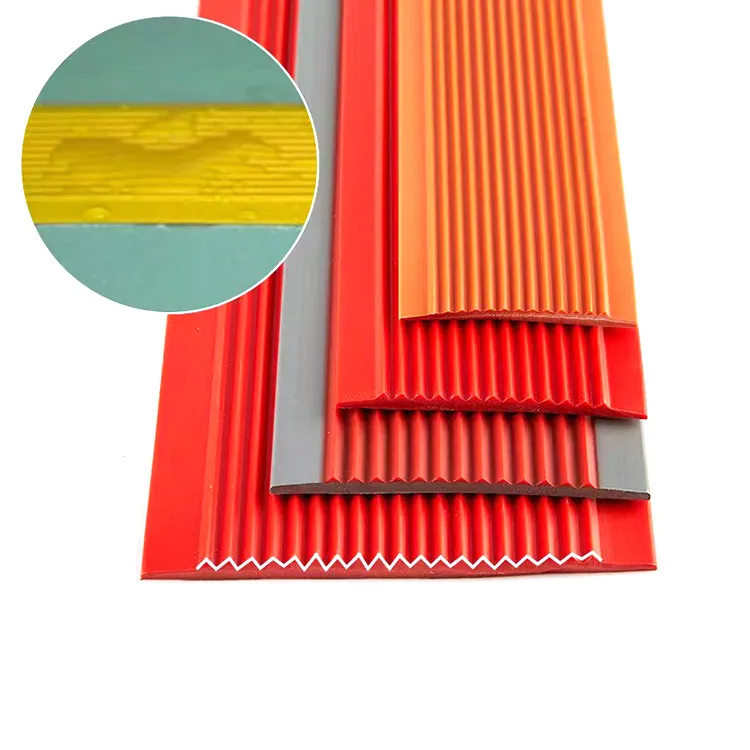
Manufacturing Process Flow for High-Performance Stair Strips
The production of reliable anti slip stair strips involves a meticulous, multi-stage manufacturing process designed to ensure material integrity, dimensional accuracy, and superior anti-slip performance. For products like the Plastic Rubber Stair Nose Edge Trim, the process typically focuses on extrusion and co-extrusion techniques, leveraging advanced polymer chemistry.
Typical Manufacturing Steps for Polymer-Based Stair Strips:
1. Material Selection & Compounding
High-grade PVC, thermoplastic elastomers (TPE), or synthetic rubber granules are selected. Additives for UV resistance, flame retardancy, color, and anti-fungal properties are compounded to meet specific performance requirements. For rubber edging for stairs, EPDM or nitrile rubber might be used for superior chemical resistance.
2. Extrusion or Co-Extrusion
The compounded material is fed into an extruder. Under heat and pressure, it's melted and forced through a die to create the desired profile. Co-extrusion allows for multiple materials (e.g., a rigid base and a soft, non-slip top layer) to be combined into a single profile, enhancing grip and durability.
3. Cooling & Sizing
Immediately after extrusion, the hot profile enters a cooling bath (water or air) to solidify and stabilize its dimensions. Precision sizing tools ensure the profile maintains consistent width, height, and shape according to design specifications, crucial for proper fit as a stair edge protector.
4. Cutting & Finishing
The continuous profile is cut to predetermined lengths using automated cutting systems. Further finishing steps may include punching holes for mechanical fastening, applying adhesive backing, or surface treatments to enhance anti-slip properties.
5. Quality Control & Testing
Each batch undergoes rigorous quality checks. This includes dimensional verification, hardness testing (Shore A/D), anti-slip coefficient measurement (e.g., ANSI A137.1 or ASTM F609), material integrity checks, and accelerated aging tests for UV and abrasion resistance. Compliance with ISO 9001:2015 standards ensures consistent product quality and performance.
Target Industries and Advantages:
- Petrochemical: Corrosion resistance against harsh chemicals, slip prevention in oily or wet conditions.
- Metallurgy: High abrasion resistance against abrasive dust and heavy foot traffic, maintaining safety stair strips performance.
- Water Supply & Drainage: Superior water resistance and anti-fungal properties, crucial for damp environments.
- Public & Commercial Buildings: Enhanced safety for high-traffic areas like schools and hospitals, often contributing to energy saving by reducing lighting needs due to visual contrast options.
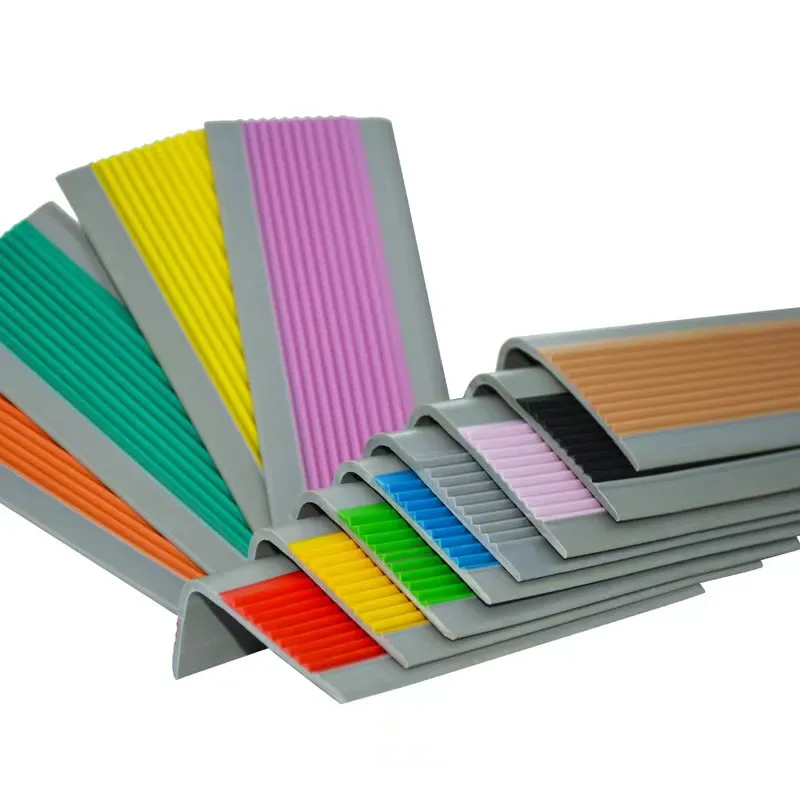
Technical Specifications and Performance Parameters
Understanding the technical specifications of anti slip stair strips is critical for B2B decision-makers to select the appropriate solution for their specific application. Key parameters include material composition, coefficient of friction (COF), durability, temperature resistance, and chemical resistance. These factors directly influence the product's service life and effectiveness as a stair edge protector.
Typical Product Specification Table (Example: Plastic Rubber Stair Nose Edge Trim)
These rigorous testing standards ensure that products like our Plastic Rubber Stair Nose Edge Trim meet or exceed industry benchmarks for safety and durability, providing a reliable solution for public and private infrastructure.
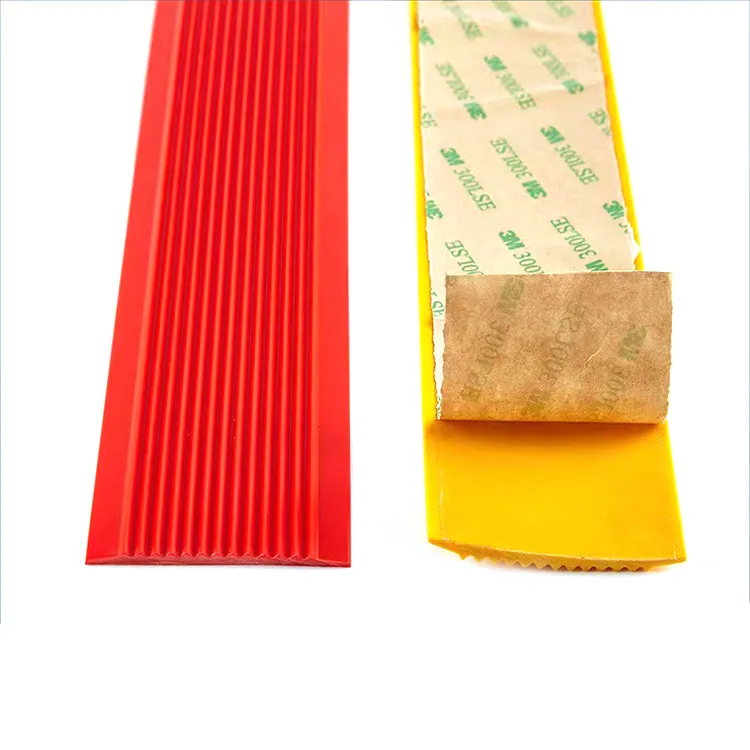
Technical Advantages and Application Scenarios
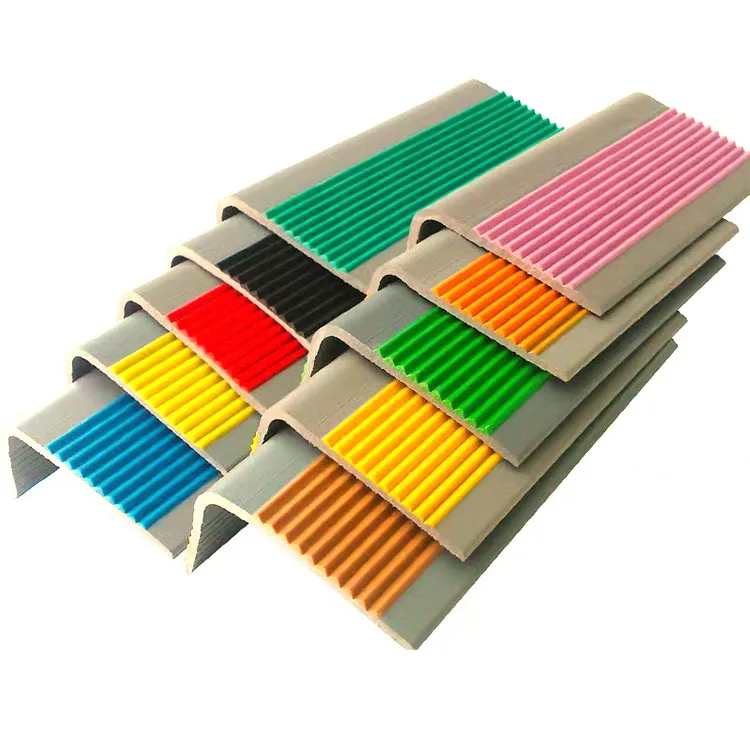
The technical advantages of modern anti slip stair strips extend beyond basic friction enhancement, offering significant long-term benefits in diverse operational environments. Our Plastic Rubber Stair Nose Edge Trim exemplifies these advantages, combining robust materials with intelligent design.
Core Technical Advantages:
- Superior Coefficient of Friction (COF): Engineered surfaces provide exceptional grip even when wet or contaminated, significantly reducing slip hazards.
- Exceptional Durability and Abrasion Resistance: High-grade polymers resist wear from heavy foot traffic, prolonging the life of both the strip and the underlying stair tread. This is particularly crucial for stair edge protector applications where constant impact occurs.
- Corrosion and Chemical Resistance: Many polymer-based strips are impervious to common industrial chemicals, salts, and moisture, making them ideal for challenging environments like chemical plants, maritime facilities, or exterior staircases. This surpasses the limitations of some traditional metal edging for stairs.
- UV Stability and Weather Resistance: Specially formulated materials prevent degradation, cracking, and fading due to prolonged exposure to sunlight and extreme weather conditions, ensuring consistent performance outdoors.
- Ease of Installation and Maintenance: Flexible profiles and pre-drilled options facilitate quick and secure installation, minimizing downtime. Their non-porous surfaces are easy to clean, contributing to lower operational costs.
- Visual Contrast and Aesthetics: Available in a range of colors, these strips can provide critical visual contrast, enhancing visibility and safety for individuals with visual impairments, in line with ADA requirements. They can also integrate seamlessly into architectural designs.
- Sound Dampening Properties: The elastomeric nature of rubber and certain plastics can help to reduce noise from foot traffic, a beneficial feature in educational or healthcare settings.
Typical Application Scenarios:
- Industrial Facilities: Manufacturing plants, warehouses, power stations, and petrochemical facilities rely on robust safety stair strips to protect workers from slips on oil, grease, water, or chemical spills.
- Commercial Buildings: Offices, retail spaces, hotels, and entertainment venues utilize these strips to ensure visitor safety, manage liability, and maintain a polished appearance in high-traffic stairwells.
- Educational Institutions: Schools, universities, and daycare centers install rubber edging for stairs to prevent falls among students and staff, offering durable and often brightly colored solutions.
- Healthcare Facilities: Hospitals and clinics require anti-slip solutions that are easy to clean, hygienic, and provide secure footing for patients and medical personnel.
- Transportation Hubs: Airports, train stations, and bus terminals see immense foot traffic. Durable anti slip stair strips are crucial for long-term safety and compliance in these demanding environments.
- Residential Complexes: Multi-unit dwellings and senior living facilities benefit from enhanced stair safety, improving quality of life for residents and reducing maintenance issues.
Vendor Comparison and Customized Solutions
Selecting the right vendor for anti slip stair strips requires a comprehensive evaluation of product quality, customization capabilities, technical support, and overall value. While numerous suppliers exist, differentiators such as material science expertise, adherence to international standards, and capacity for tailored solutions are paramount for B2B clients.
Vendor Comparison: Key Differentiating Factors
Customized Solutions for Unique Requirements:
Recognizing that off-the-shelf solutions may not always suffice, leading manufacturers offer extensive customization options. This includes:
- Custom Profiles & Dimensions: Tailoring the shape, width, and height of the stair edge protector to integrate perfectly with existing stair architecture or specific tread materials.
- Material Blends: Developing bespoke polymer compounds to meet extreme requirements for chemical resistance, temperature fluctuations, fire retardancy, or enhanced flexibility.
- Color Matching & Aesthetics: Producing anti slip stair strips in specific RAL or Pantone colors for branding, safety demarcation, or seamless integration with interior design schemes.
- Integrated Features: Incorporating glow-in-the-dark elements, reflective strips, or tactile indicators for additional safety in low-light conditions or for accessibility compliance.
- Specialized Fastening: Designing strips with unique channels for concealed fixings, specific adhesive backing types, or pre-drilled holes for rapid deployment.
Our commitment to engineering excellence allows us to develop customized safety stair strips that address even the most complex client demands, ensuring optimal performance and compliance.
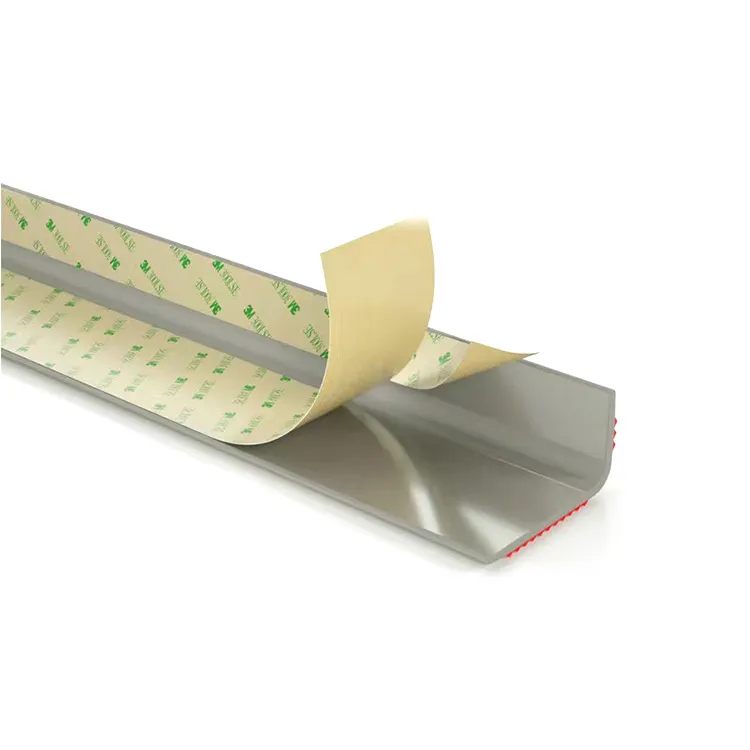
Application Case Studies and Customer Feedback
Real-world application demonstrates the tangible benefits of high-quality anti slip stair strips. These case studies highlight the impact on safety, operational efficiency, and long-term cost savings across various sectors.
Case Study 1: Major Metropolitan Transportation Hub
Challenge: A bustling urban subway station experienced frequent slip-and-fall incidents, particularly on wet days, leading to increased liability claims and passenger disruptions. The existing metal stair edge protector had worn smooth, offering minimal friction.
Solution: We supplied a heavy-duty, co-extruded rubber edging for stairs solution with a highly abrasive top surface and a durable, flexible base. The strips were designed with a contrasting color to improve visual guidance in low-light areas and during rush hour.
Outcome: Within six months of installation, reported slip-and-fall incidents decreased by over 70%. Passenger flow improved, and maintenance teams noted the strips’ ease of cleaning and resistance to scuffing and impact from luggage. The service life exceeded initial projections, leading to significant savings in replacement costs compared to their previous solution.
Case Study 2: Chemical Processing Facility
Challenge: Staircases in a petrochemical processing plant were constantly exposed to various corrosive chemicals, oil, and high humidity, causing rapid deterioration of traditional non-slip tapes and painted surfaces. Worker safety was a critical concern.
Solution: A custom anti slip stair strips solution was developed using a specialized EPDM rubber blend known for its exceptional chemical and temperature resistance. The strips were mechanically fastened for maximum security and featured an aggressive tread pattern for superior grip even when slick with process fluids.
Outcome: The new safety stair strips demonstrated outstanding resistance to chemical attack and maintained their anti-slip properties over several years. The plant reported zero slip-related injuries on the treated staircases since installation, reinforcing adherence to stringent OSHA and corporate safety standards.
Customer Feedback Snapshot:
- "The quality of these anti slip stair strips is unmatched. We used them in our school hallways, and the feedback from staff and parents about improved safety has been overwhelmingly positive. Installation was straightforward too." - Facilities Manager, Large School District
- "For our warehouse mezzanines, we needed something that could withstand constant forklift traffic and heavy footfall. The metal edging for stairs with integrated abrasive inserts from QZSEALS has proven incredibly durable, a true stair edge protector." - Operations Director, Logistics Firm
Trustworthiness: FAQ, Lead Time, Warranty & Support
Frequently Asked Questions (FAQ)
Lead Time and Fulfillment
Standard anti slip stair strips typically have a lead time of 7-14 business days from order confirmation, depending on volume and current inventory. Customized solutions and large-scale projects may require 3-5 weeks, following approval of technical drawings and material specifications. We maintain strategic stock levels and operate efficient manufacturing processes to ensure timely delivery and minimize project delays. Expedited shipping options are available upon request.
Warranty Commitments
All our anti slip stair strips are backed by a comprehensive 3-5 year limited warranty against manufacturing defects and premature material degradation under normal usage conditions. Specific warranty terms may vary by product line and are outlined in detail with each quotation. This commitment underscores our confidence in the quality and longevity of our solutions.
Customer Support and After-Sales Service
Our dedicated customer support team and technical specialists are available to assist with product selection, installation guidance, troubleshooting, and any post-purchase inquiries. We provide comprehensive documentation, including technical data sheets, installation manuals, and cleaning guidelines. Our goal is to ensure seamless integration and optimal performance of our products throughout their entire service life.
Conclusion and Authoritative References
The strategic implementation of high-quality anti slip stair strips is a critical investment for any B2B entity prioritizing safety, compliance, and operational longevity. From rigorous material science to precision manufacturing and comprehensive after-sales support, the efficacy of these solutions is underpinned by meticulous attention to detail and adherence to global safety standards. As industries evolve and safety regulations become more stringent, innovative and durable safety stair strips will continue to play an indispensable role in safeguarding personnel and assets across diverse sectors.
References:
- ASTM International. (2020). ASTM D2240 - Standard Test Method for Rubber Property—Durometer Hardness. West Conshohocken, PA: ASTM International.
- ANSI. (2012). ANSI A137.1 - American National Standard Specifications for Ceramic Tile. (Includes DCOF AcuTest for slip resistance). Tile Council of North America.
- ISO. (2015). ISO 9001:2015 - Quality management systems — Requirements. International Organization for Standardization.
- Occupational Safety and Health Administration (OSHA). (2019). Walking-Working Surfaces and Personal Fall Protection Systems. 29 CFR 1910 Subpart D. U.S. Department of Labor.
- United States Access Board. (2010). ADA Accessibility Guidelines for Buildings and Facilities. (Often referenced for recommendations on slip resistance and visual contrast).
-
Understanding e3 edge banding tape price and Value FactorsNewsApr.16,2026
-
Premium Birch Edge Tape Guide for Professional Furniture FinishingNewsApr.09,2026
-
Comprehensive Guide to 2mm Edge Banding Tape for Furniture and CabinetryNewsApr.07,2026
-
Comprehensive Guide to Choosing the Right 18mm Edge Banding for Your ProjectsNewsApr.04,2026
-
Comprehensive Guide to Pre Glued Melamine Edging Applications and InstallationNewsMar.31,2026
-
Comprehensive Guide to Self Adhesive Edge Banding Tape Applications and SelectionNewsMar.28,2026
-
Comprehensive Guide to Wood Veneer Edging Strips for Furniture and Woodworking ProjectsNewsMar.26,2026