Seal for Oven Door - Heat-Resistant, Easy-Fit, OEM-Grade
High Performance Oven Door Silicone Seal Strip: a field note from the factory floor
If you’ve ever chased mysterious heat loss in a commercial range, you know the humble Seal For Oven Door can make or break an oven’s performance. I spent a week talking with technicians and line operators at the Wangshigong Industrial Zone facility in Wei County, Xingtai (Hebei) and—honestly—this particular silicone profile has the right mix of durability and compliance for demanding kitchens and labs.
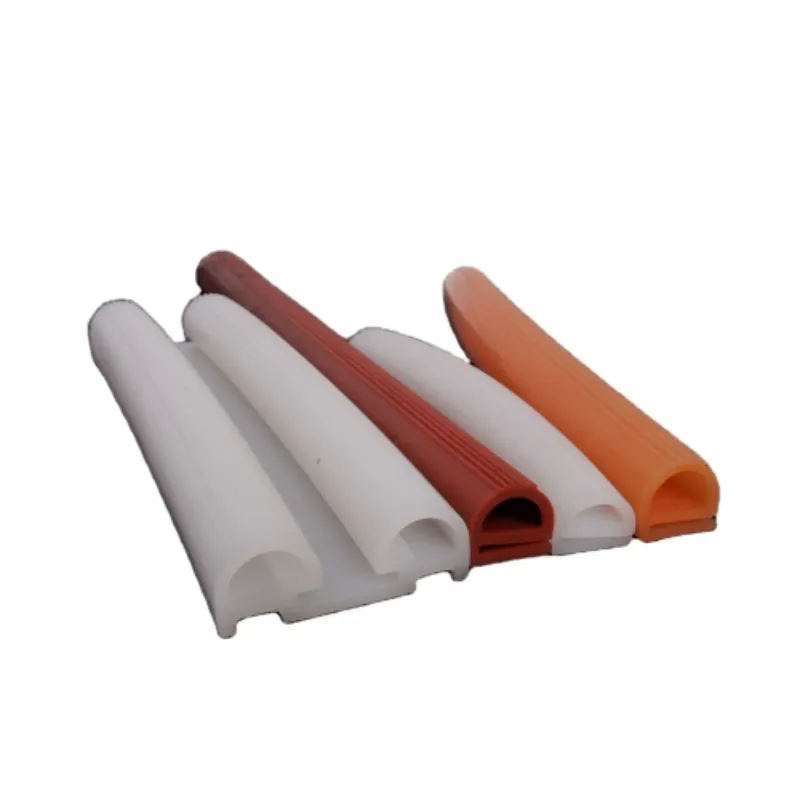
Why silicone is trending (and why it matters)
Across appliances, the trend is toward tighter doors and lower standby loss. Bakery ovens, combi-steamers, and even benchtop lab ovens are shifting from fiberglass rope to extruded silicone. The reasons are simple: better compression recovery, cleaner edges, and fewer odors at high temp. Energy managers tell me even small leakage reductions show up on bills—surprisingly fast.
Core specifications (real-world, not just brochure-speak)
| Item | Details (≈ values; real-world use may vary) |
|---|---|
| Product | High Performance Oven Door Silicone Seal Strip, Model kx2062 |
| Temperature Range | -70 to 250°C (short spikes to ≈300°C) |
| Material / Process | Heat-resistant silicone, extruded; corner splicing available (hot-vulcanized) |
| Hardness | Shore A ≈ 55–70 (ASTM D2240) |
| Tensile Strength | ≥ 7 MPa (ASTM D412) [1] |
| Compression Set | ≤ 25% @ 200°C, 22h (ASTM D395) [2] |
| Certifications | ISO 9001, TS/IATF 16949, SGS test support (RoHS/REACH on request) |
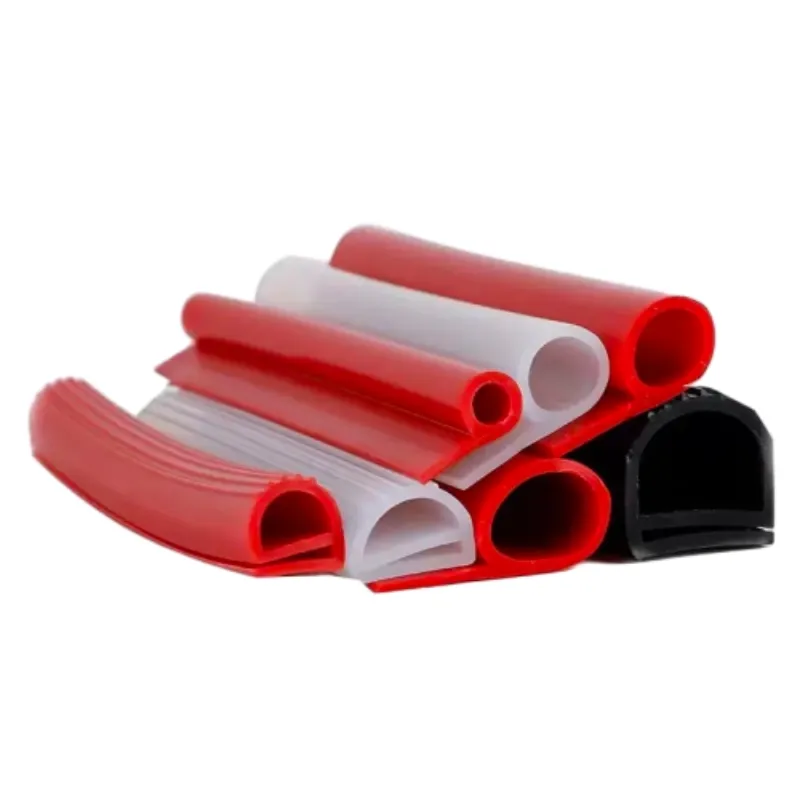
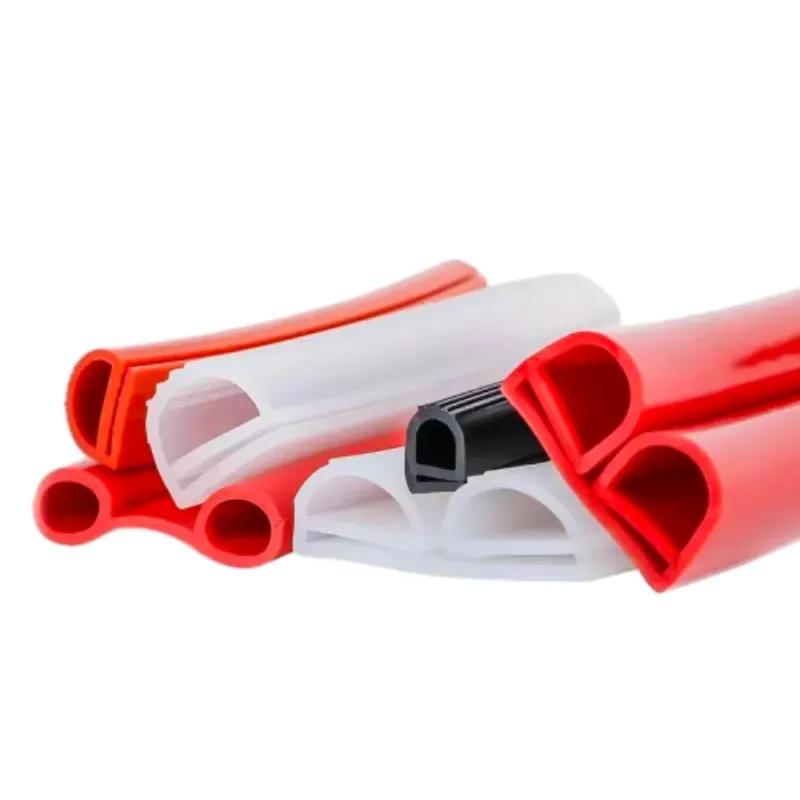
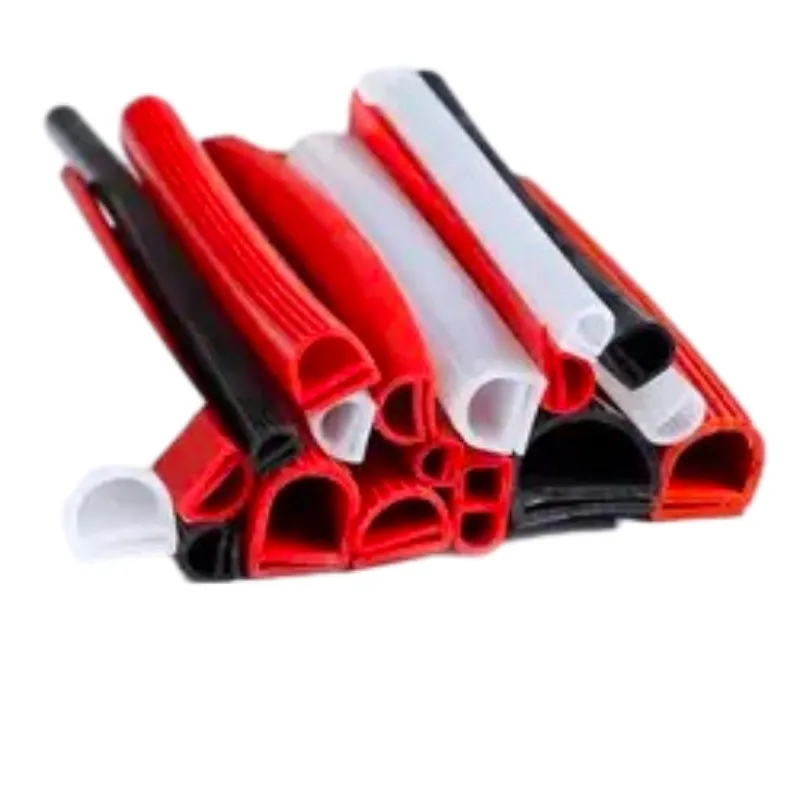
| Colors / Shapes | Red/Black/White/Transparent; bulb, P, D, E profiles; custom cross-sections |
| Lead Time | ≈ 7–15 days after confirmation |
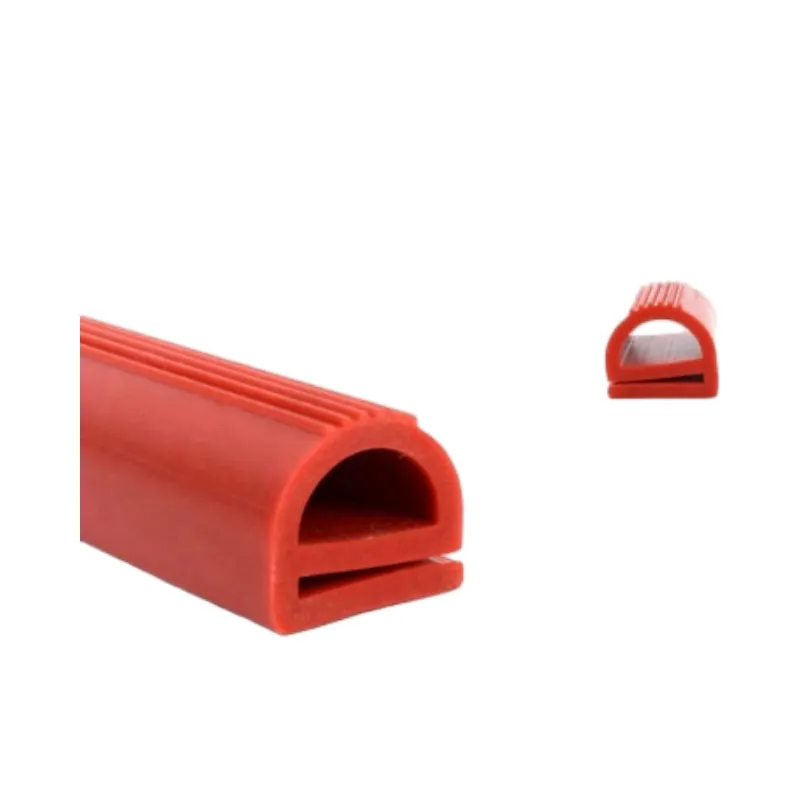
Process flow, tests, and service life
Materials are compounded for heat and compression resistance, then extruded and post-cured to drive off volatiles. Corners are splice-molded for continuous sealing. QA runs hardness (ASTM D2240), tensile/elongation (ASTM D412), compression set (ASTM D395), and thermal aging (ASTM D573). For appliance builds governed by IEC 60335-1, the seal helps meet enclosure temperature and leakage expectations [3]. In steady bakery duty, I’d expect ≈5–8 years or ~20k door cycles—assuming hinge alignment is decent.
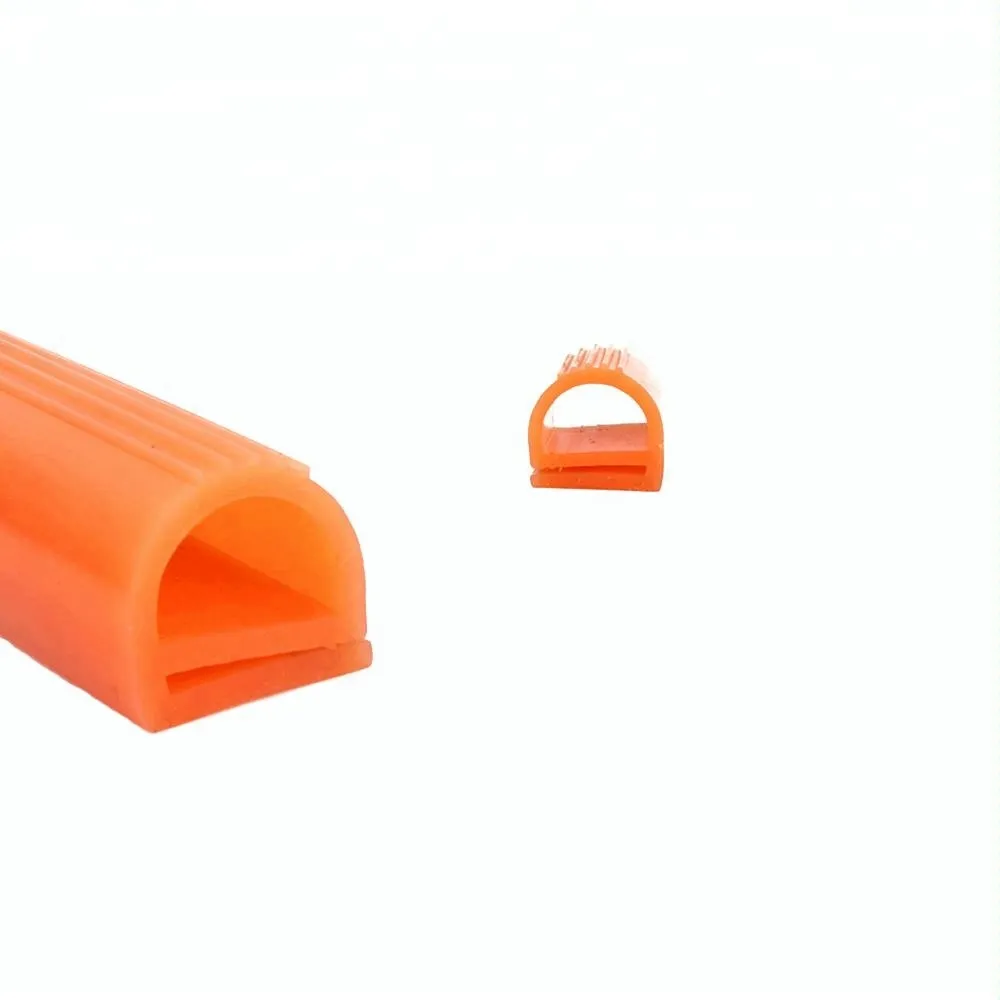
Applications and advantages
- Commercial kitchens: deck ovens, pizza ovens, combi units—less heat bleed, better consistency.
- Lab ovens/dryers: stable temps, low odor after initial bake-in.
- Home ranges: quieter door closure and fewer hot spots.
Many customers say the Seal For Oven Door upgrade cut bake-time variance and reduced staff “door-hot” complaints. Food-contact grades can be specified (ask for documentation; to be honest, not every batch needs it).
Vendor snapshot (what I observed, side by side)
| Factor | QZ Silicone (kx2062) | Generic Fiberglass Rope | EPDM Gasket Supplier |
|---|---|---|---|
| Temp | -70~250°C | up to ≈500°C but poor recovery | -40~120°C |
| Compression Recovery | Strong (low set) | Weak | Moderate |
| Customization | High (profiles/colors) | Low | Medium |
| Certs | ISO 9001, IATF 16949, SGS | Varies | ISO 9001 |
| Lead Time | ≈7–15 days | ≈10–25 days | ≈14–21 days |
Customization and install tips
Profiles: bulb/P/D/E, hollow cores, adhesive-backed options, and vulcanized frames. Aim for 10–15% working compression in the groove. Don’t stretch on install; let it relax, then trim. I like a 200°C, 60-minute bake-in to settle volatiles—after that the Seal For Oven Door stays quiet and consistent.
Mini case notes
A mid-size bakery chain swapped aging rope seals for this silicone and logged ≈8–12% faster heat recovery with fewer scorch marks near the jambs. Another OEM sliding a similar profile into a lab oven line cleared IEC 60335-1 temperature-rise checks on the first pass—rare, in my experience.
Origin, packaging, and service
Made in Wangshigong Industrial Zone, Wei County, Xingtai City, Hebei Province. Packed in cartons (or per request). OEM service is straightforward; drawings or samples welcome. To be honest, the responsiveness on small-batch trials was better than I expected.
Citations
- ASTM D412: Standard Test Methods for Vulcanized Rubber and Thermoplastic Elastomers—Tension. https://www.astm.org/d0412-21.html
- ASTM D395: Standard Test Methods for Rubber Property—Compression Set. https://www.astm.org/d0395-18.html
- IEC 60335-1: Household and similar electrical appliances—Safety—Part 1. https://webstore.iec.ch/publication/2687
- IATF 16949: Automotive Quality Management. https://www.iatfglobaloversight.org/
- ISO 9001:2015 Quality management systems. https://www.iso.org/standard/62085.html
-
Understanding e3 edge banding tape price and Value FactorsNewsApr.16,2026
-
Premium Birch Edge Tape Guide for Professional Furniture FinishingNewsApr.09,2026
-
Comprehensive Guide to 2mm Edge Banding Tape for Furniture and CabinetryNewsApr.07,2026
-
Comprehensive Guide to Choosing the Right 18mm Edge Banding for Your ProjectsNewsApr.04,2026
-
Comprehensive Guide to Pre Glued Melamine Edging Applications and InstallationNewsMar.31,2026
-
Comprehensive Guide to Self Adhesive Edge Banding Tape Applications and SelectionNewsMar.28,2026
-
Comprehensive Guide to Wood Veneer Edging Strips for Furniture and Woodworking ProjectsNewsMar.26,2026