Seal for Oven Door: Heat-Resistant, Easy Fit, Leak-Proof?
High Performance Oven Door Silicone Seal Strip: Insider Notes, Real Specs
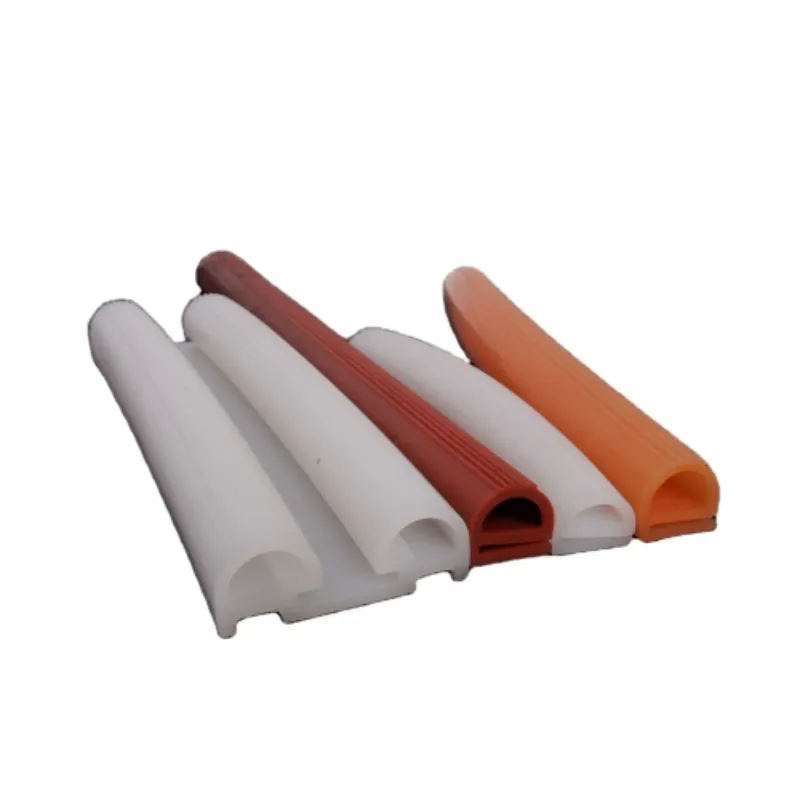
If you’re hunting for a seal for oven door, here’s what buyers, maintenance engineers, and—frankly—bakers with blistering production schedules keep telling me matters: consistent heat retention, easy fitment, and a seal that doesn’t crumble after three peak seasons. This silicone strip from Wangshigong Industrial Zone, Wei County, Xingtai (yes, that Hebei manufacturing hub) has been popping up in spec sheets for commercial kitchens and powder-coating lines alike.
Why silicone wins in hot doors
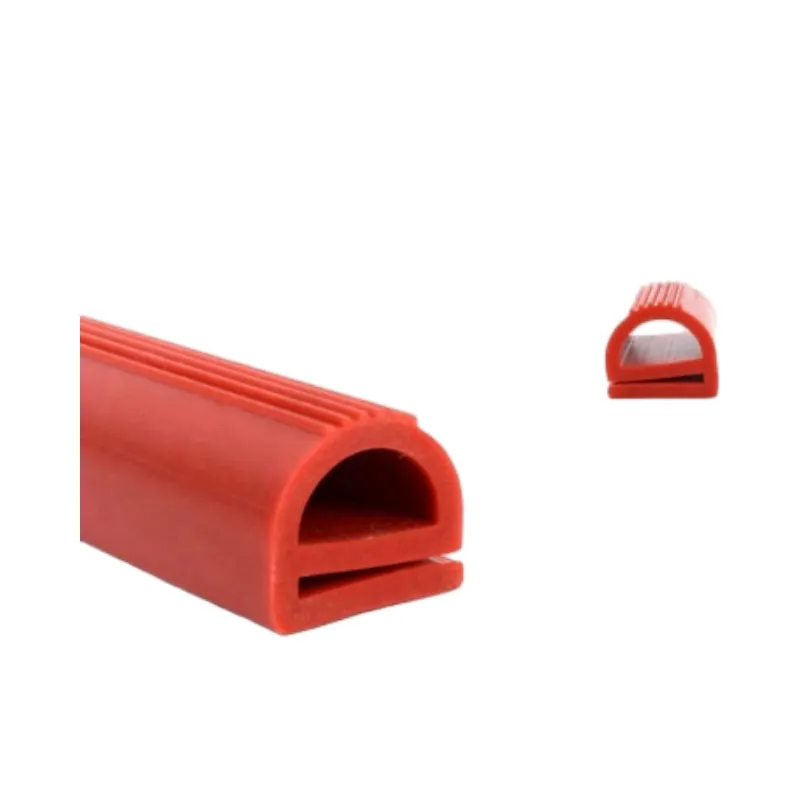
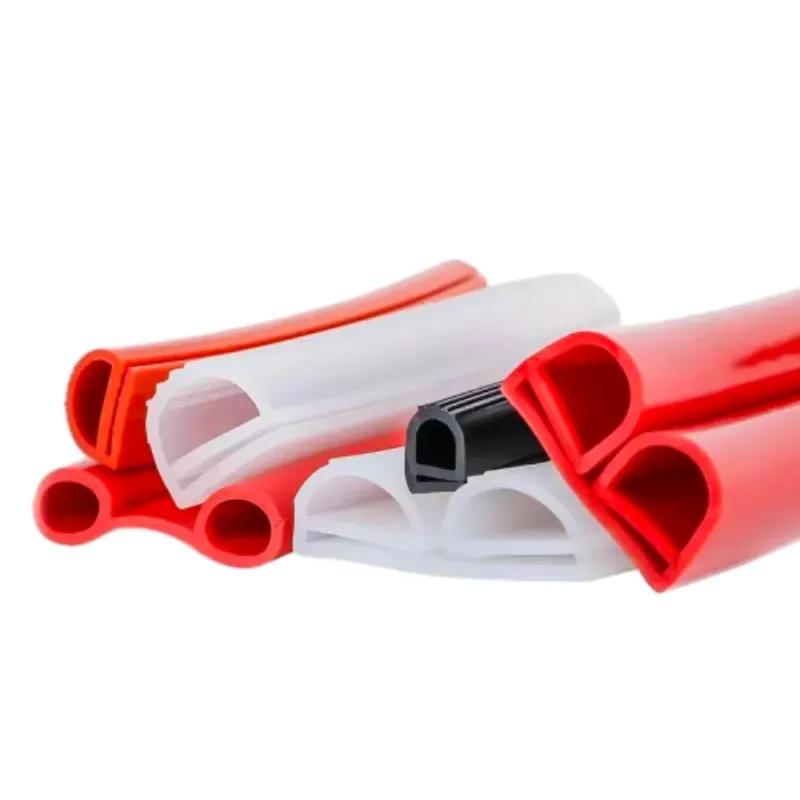
In high-heat cycles, a seal for oven door must balance compression set, thermal stability, and outgassing control. Platinum-cured silicone typically holds up from -70°C to 250°C (short spikes beyond that in real life, though I wouldn’t rely on it daily). Many customers say this model—kx2062—stays springy longer than basic EPDM in bake-off tests, especially after repeated door slams. The red and black variants are the favorites on production floors; transparent is handy when you want to see interfaces and residue.
Product specifications (real-world focused)
| Product | High Performance Oven Door Silicone Seal Strip |
| Model No. | kx2062 |
| Temperature Range | -70°C to 250°C (≈ -94°F to 482°F) |
| Hardness | ≈ Shore A 40–70 options (common: 60±5) |
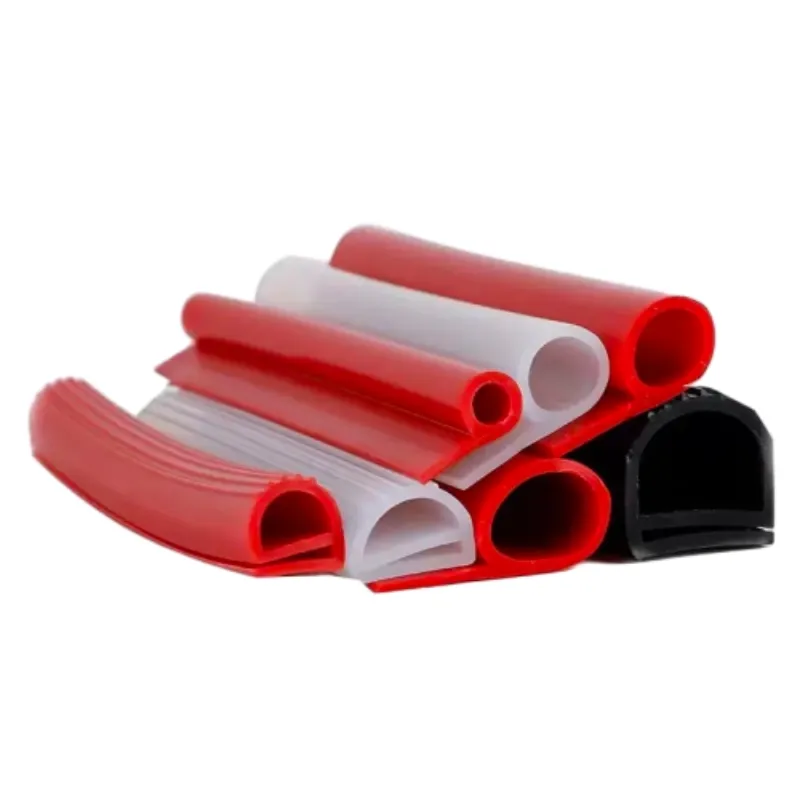
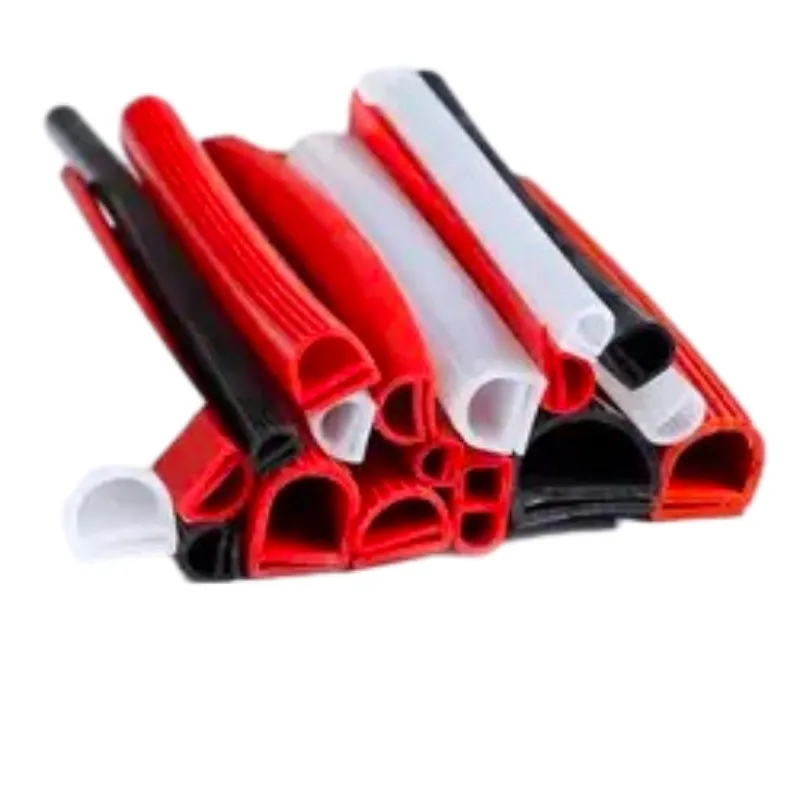
| Colors | Red, Black, White, Transparent |
| Profiles | D, E, bulb, rectangle; custom cross-sections |
| Tolerances | ISO 3302-1 Class M2 (typical for extrusion) |
| Compression Set | ≈ 20–25% at 175°C, 22h (ASTM D395, type B) |
| Certification | TS16949/IATF 16949, ISO 9001, SGS; optional FDA 21 CFR 177.2600-grade silicone |
| Packaging | Cartons or as requested; OEM supported |
| Lead Time | 7–15 days after order confirmation |
Process, testing, and service life
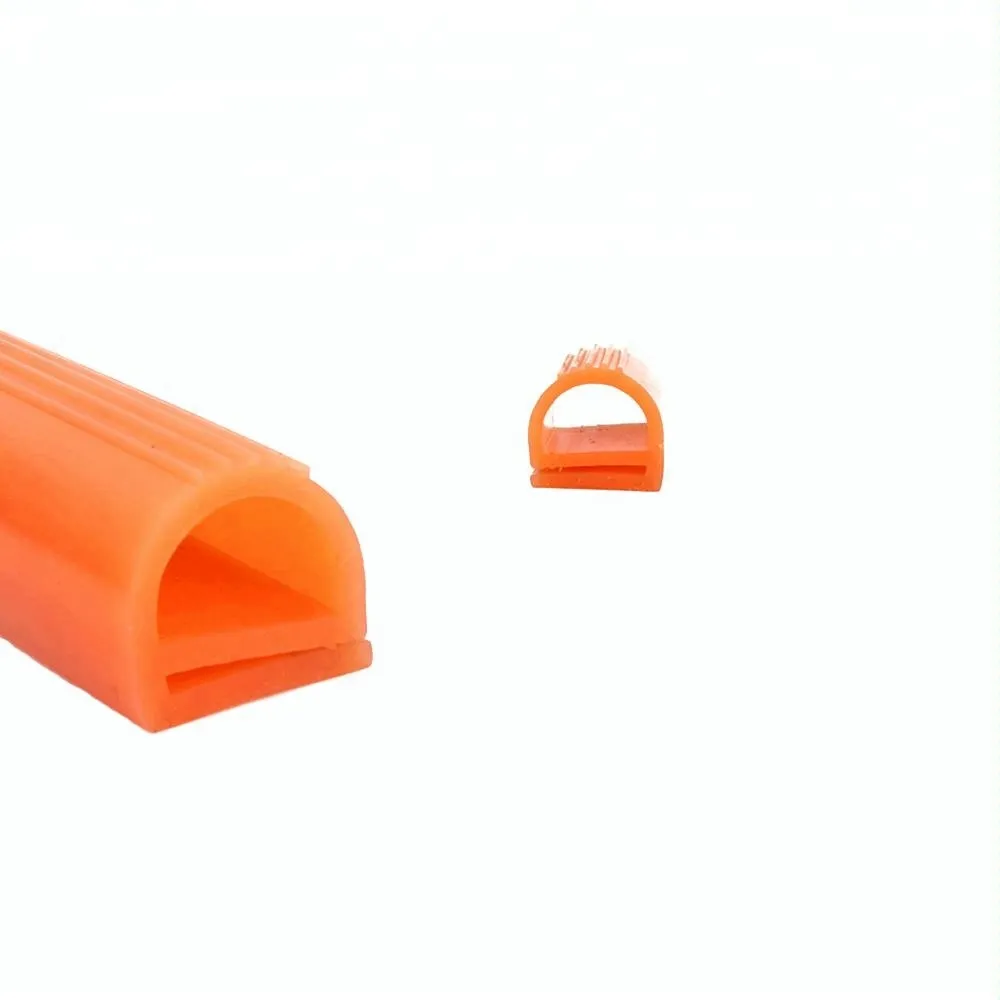
Materials: high-consistency platinum-cured silicone compound, pigment masterbatch, and FDA-compliant variants where needed. Methods: precision extrusion, hot-air vulcanization, optional post-cure (200°C) to minimize VOCs, and corner splicing for frames. Testing: ASTM D2000 classification, D395 compression set, D573 heat aging, dimensional checks per ISO 3302-1. Flammability ratings available on request (UL 94, depending on compound). In field use, I’ve seen a seal for oven door like this last 5–8 years in bakeries; lighter-duty lab ovens can push longer, around 8–10 years, assuming regular cleaning.
Where it’s used (and why)
- Commercial baking ovens and pizza chains (energy savings, fewer hot spots).
- Powder-coating and curing ovens (consistent cure, less particulate ingress).
- Lab and pharmaceutical drying ovens (clean profiles and low outgassing).
- Food-processing warmers and holding cabinets.
Advantages people report: easier door closure, fewer burned edges on product racks (surprisingly common complaint), and quieter operation. One maintenance lead told me swapping to a softer durometer seal for oven door reduced latch wear by “about a third.”
Vendor comparison (snapshot)
| Vendor | Material Options | MOQ | Lead Time | Certs | Notes |
|---|---|---|---|---|---|
| QZ Seals (Hebei) | Silicone (FDA-capable), colors, custom profiles | Flexible | 7–15 days | IATF 16949, ISO 9001, SGS | OEM service, good splicing quality |
| Regional Fabricator B | Silicone, EPDM | Medium | 2–4 weeks | ISO 9001 | Fast local support |
| Marketplace Seller C | Generic silicone | Low | Varies | Mixed | Budget, limited traceability |
Customization and fitment
OEM service covers cross-section design, Shore hardness tuning, corner molded frames, and adhesive-backed options. If you’re replacing an old seal for oven door, measure groove width/depth and closed-door compression (aim ≈ 20–30%). Tolerance class M2 is usually sufficient; go tighter only if your door/frame is exceptionally rigid.
Field notes and mini case studies
- Industrial bakery (6-deck ovens): energy logger showed ≈12% reduction in heat loss after swap; door force dropped from 85N to 66N with softer compound.
- Powder-coat line: improved edge-cure consistency; operators noticed less powder dust intrusion along the hinge side after upgrading the seal for oven door.
Final thought: specs are great, but installation makes or breaks performance. Clean seats, avoid over-stretching corners, and allow a short “set” period under closed-door compression. Do that, and this silicone workhorse tends to just… disappear into the background, which is exactly what you want from a seal.
Authoritative references
- ASTM D2000: Standard Classification System for Rubber Products.
- ISO 3302-1: Tolerances for rubber products — Moulded/extruded parts.
- FDA 21 CFR 177.2600: Rubber articles intended for repeated use.
- IATF 16949: Automotive Quality Management System (successor to TS16949).
- UL 94: Tests for flammability of plastic materials (on request, compound-dependent).
- ASTM D395: Standard Test Methods for Rubber Property—Compression Set.
-
Understanding e3 edge banding tape price and Value FactorsNewsApr.16,2026
-
Premium Birch Edge Tape Guide for Professional Furniture FinishingNewsApr.09,2026
-
Comprehensive Guide to 2mm Edge Banding Tape for Furniture and CabinetryNewsApr.07,2026
-
Comprehensive Guide to Choosing the Right 18mm Edge Banding for Your ProjectsNewsApr.04,2026
-
Comprehensive Guide to Pre Glued Melamine Edging Applications and InstallationNewsMar.31,2026
-
Comprehensive Guide to Self Adhesive Edge Banding Tape Applications and SelectionNewsMar.28,2026
-
Comprehensive Guide to Wood Veneer Edging Strips for Furniture and Woodworking ProjectsNewsMar.26,2026