Silicone Strip Seal: Draft-Proof, Quiet, Durable—Why Buy?
The quiet workhorse of sealing: why a silicone strip seal keeps showing up in real projects
Electrification, stricter hygiene rules, and energy efficiency targets are reshaping the humble gasket market. And—surprisingly—it’s the simple, solid white strip that’s winning more RFQs. I’m talking about the Gap Solid Silicone Rubber Strip Anti Oil High Temp from QZ Seals. It’s tasteless, high transparency, stays flexible from harsh cold to oven-hot, and, to be honest, it just works in uneven gaps where other materials give up. Many customers say it installs fast and doesn’t yellow or harden after a year in service; that checks out with the lab data I’ve seen.

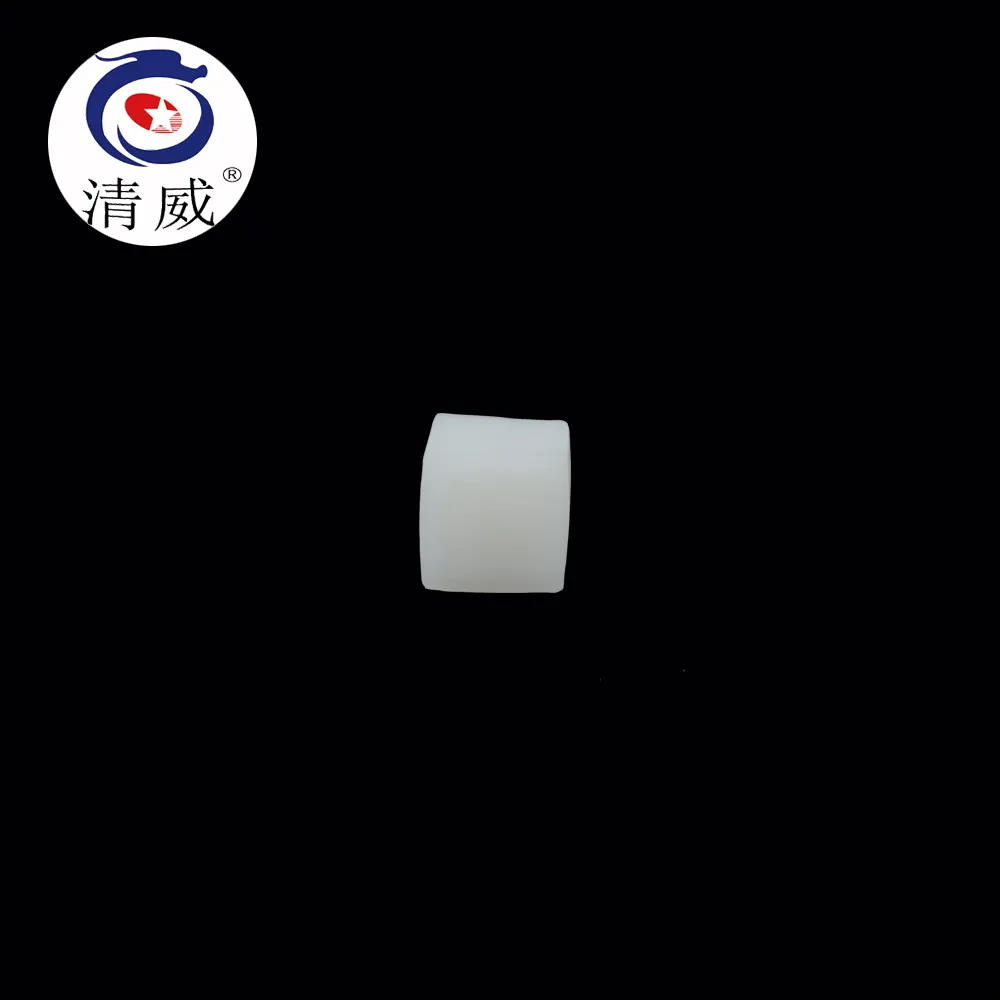
Quick look: product specs (real-world use may vary)
| Product Name | Gap Solid Silicone Rubber Strip Anti Oil High Temp |
| Material | Platinum-cured silicone (VMQ), optional peroxide-cured |
| Hardness (Shore A) | ≈ 40–70A (customizable) |
| Temperature Range | -50°C to +230°C continuous, peaks to +250°C |
| Oil & Chemical Resistance | Good vs. many oils/greases; for fuels/solvents, FVMQ on request |
| Tensile / Elongation | ≈ 7–9 MPa / 300–600% (ASTM D412) |
| Compression Set | ≈ 15–25% @ 175°C, 22h (ASTM D395) |
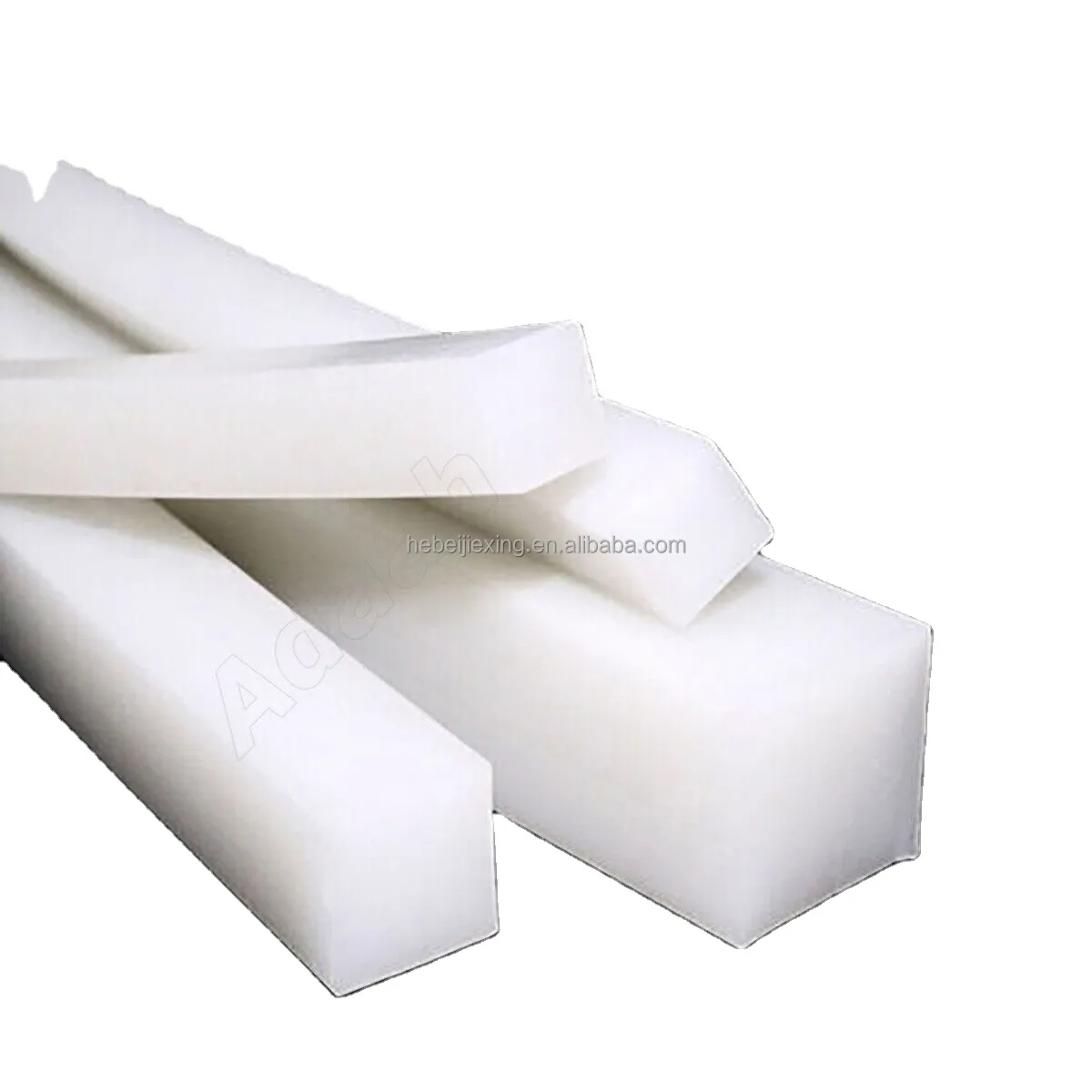
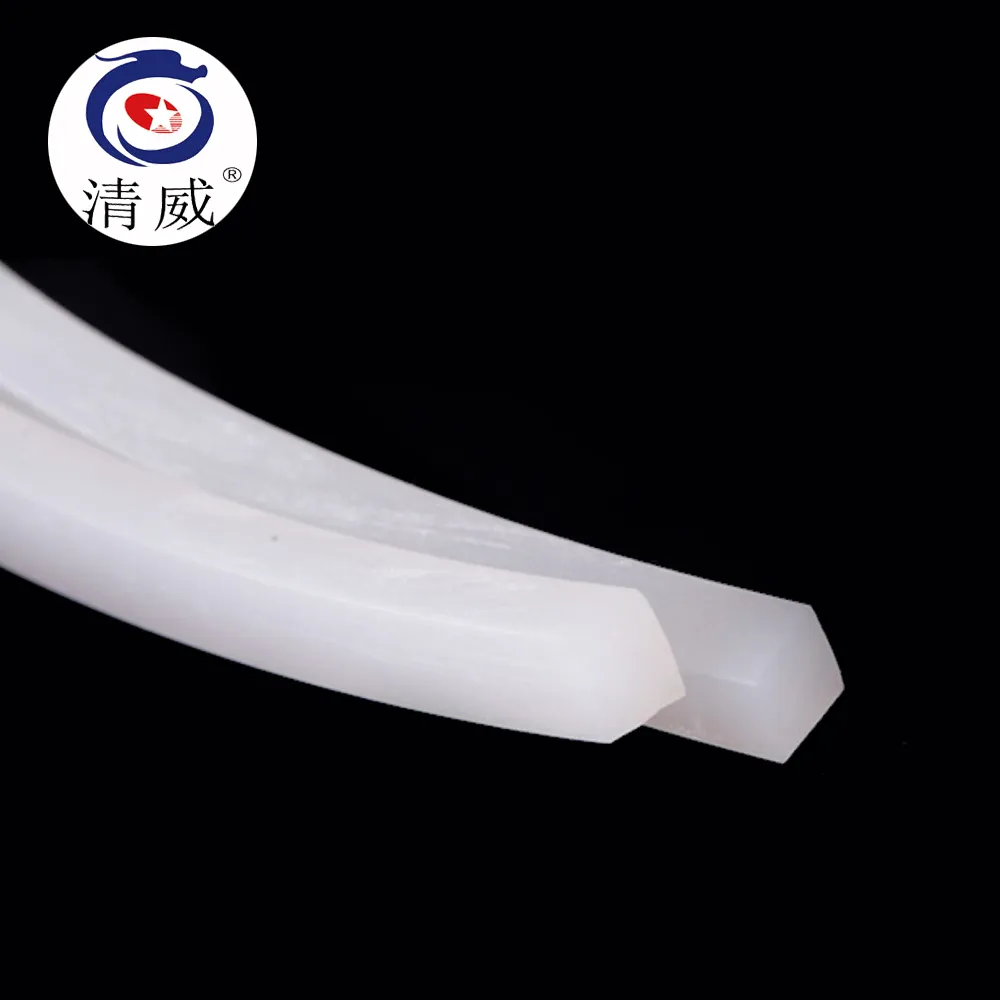
| Color | White, high transparency; custom colors available |
| Certs/Compliance | RoHS/REACH declarations; FDA 21 CFR 177.2600 & UL 94 V-0 options |
Where it shines
Think door seals and window insulation, yes—but also electrical cabinets, HVAC plenums, automotive trunks, speakers, toys, sports gear, even furniture. The strip’s soft compliance fills uneven gaps and irregular surfaces. I’ve seen a silicone strip seal cut cabinet noise by a couple of decibels and stop dust ingress overnight.
How it’s made (and why that matters)
- Materials: high-purity VMQ gum + fillers, platinum catalyst for low odor and high clarity.
- Extrusion & cure: precision die, continuous cure; optional post-cure for volatiles reduction.
- Adhesive options: single- or double-sided PSA backing for quick stick-and-seal installs.
- Testing: Shore A (ASTM D2240), tensile/elongation (ASTM D412), compression set (ASTM D395), dimensional tolerances (ISO 3302-1), and visual QC.
Service life? Indoors it often runs 10+ years; outdoors with UV/ozone, plan for additives or darker pigments—call it 5–8 years, depending on sun and heat. Real-world use varies, obviously.
Field notes and mini case studies
- Food-oven OEM: swapped EPDM for a silicone strip seal, cut bake-chamber heat loss ≈ 12%, and passed odor tests more easily (platinum-cure helps).
- Electrical cabinets: a utility integrator reported faster installs; compression set after 1,000h @ 150°C stayed under 22%—gasket rebound remained solid.
Vendor comparison (what buyers quietly check)
| Vendor | MOQ | Lead Time | Customization | Certs/Reports |
|---|---|---|---|---|
| QZ Seals (Hebei) | ≈ 300–500 m | 7–12 days typical | Hardness, size, color, PSA, slit-to-length | RoHS/REACH, FDA option, material CoA |
| Regional Trader B | ≥ 1,000 m | 2–4 weeks | Limited | Basic RoHS only |
| Import Brand C | Stock-based | Immediate if in stock | Minimal | Datasheet only |
Customization, logistics, and origin
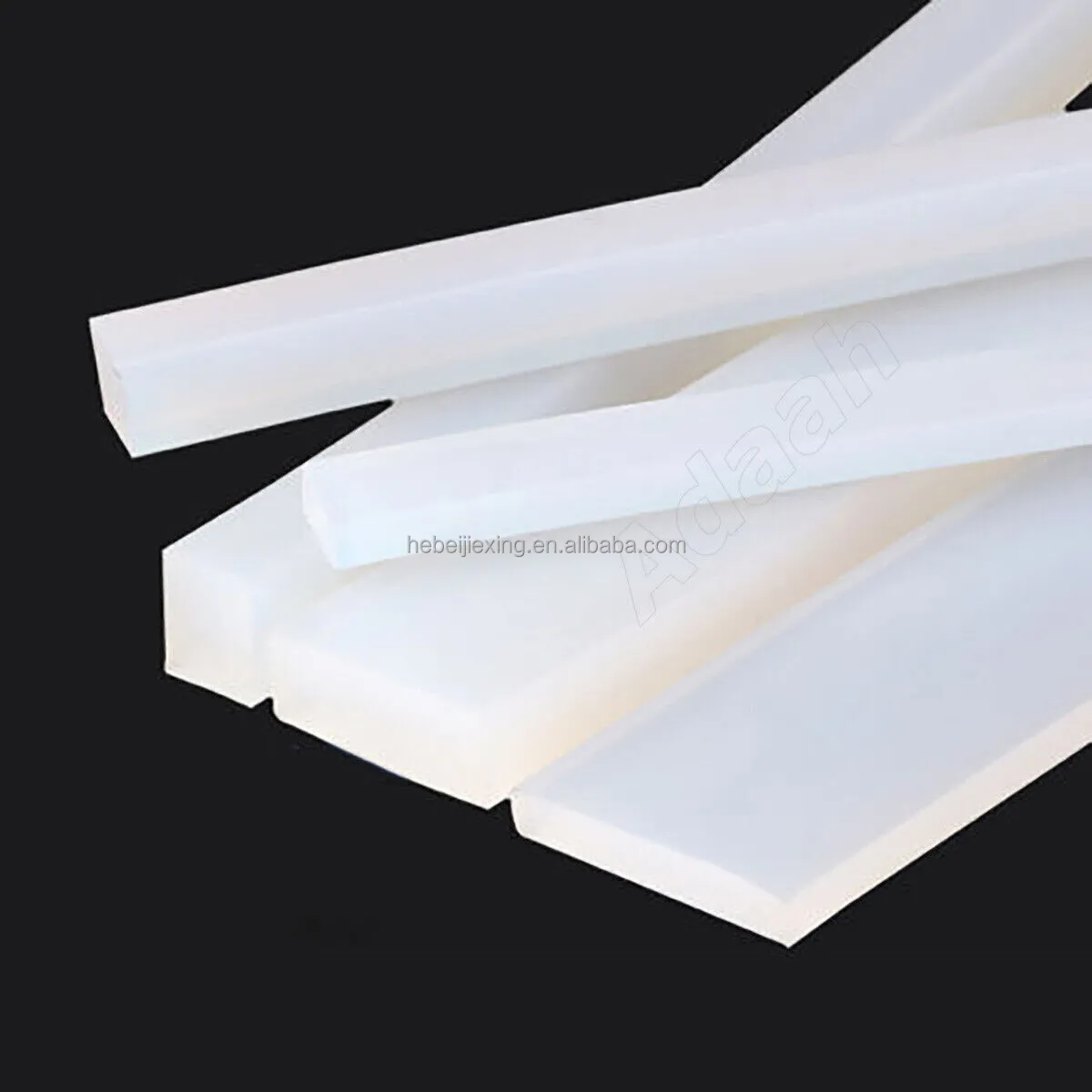
From Wangshigong Industrial Zone, Wei County, Xingtai City, Hebei Province, QZ Seals ships globally. Need die-cut corners, kiss-cut rolls, or color-matched profiles? They’ll do it. Typical lead time is under two weeks for straightforward profiles; complex PSA-backed sets could take longer. I guess the sweet spot is standard rectangular strips—fast and economical.
Customer feedback highlights:
- “No smell” in food and lab settings.
- Less shrinkage after heat cycling.
- Strong rebound—you compress it, it comes back.
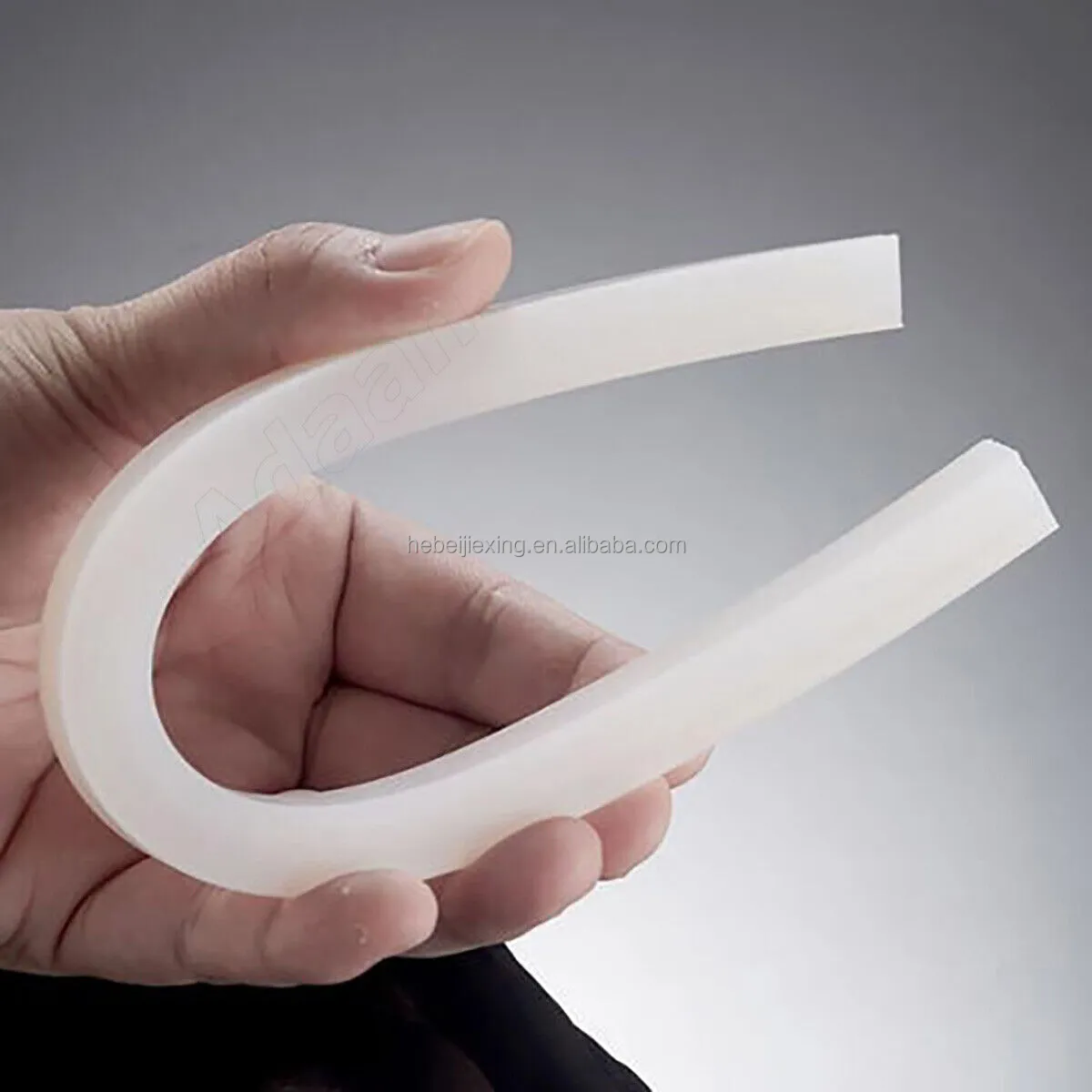
If you’re speccing a silicone strip seal for uneven gaps, hot/cold cycles, or clean environments, this one should be on your shortlist.
Authoritative references
- ASTM D2240 – Standard Test Method for Rubber Property—Durometer Hardness: https://www.astm.org/d2240
- ASTM D412 – Standard Test Methods for Vulcanized Rubber and Thermoplastic Elastomers—Tension: https://www.astm.org/d0412
- ASTM D395 – Standard Test Methods for Rubber Property—Compression Set: https://www.astm.org/d0395
- FDA 21 CFR 177.2600 – Rubber Articles Intended for Repeated Use: https://www.ecfr.gov/current/title-21/part-177/section-177.2600
- ISO 3302-1 – Rubber—Tolerances for Products, Part 1: https://www.iso.org/standard/50971.html
-
Understanding e3 edge banding tape price and Value FactorsNewsApr.16,2026
-
Premium Birch Edge Tape Guide for Professional Furniture FinishingNewsApr.09,2026
-
Comprehensive Guide to 2mm Edge Banding Tape for Furniture and CabinetryNewsApr.07,2026
-
Comprehensive Guide to Choosing the Right 18mm Edge Banding for Your ProjectsNewsApr.04,2026
-
Comprehensive Guide to Pre Glued Melamine Edging Applications and InstallationNewsMar.31,2026
-
Comprehensive Guide to Self Adhesive Edge Banding Tape Applications and SelectionNewsMar.28,2026
-
Comprehensive Guide to Wood Veneer Edging Strips for Furniture and Woodworking ProjectsNewsMar.26,2026