Silicone Strip Seal: Draft-Proof, Quiet—Easy Install?
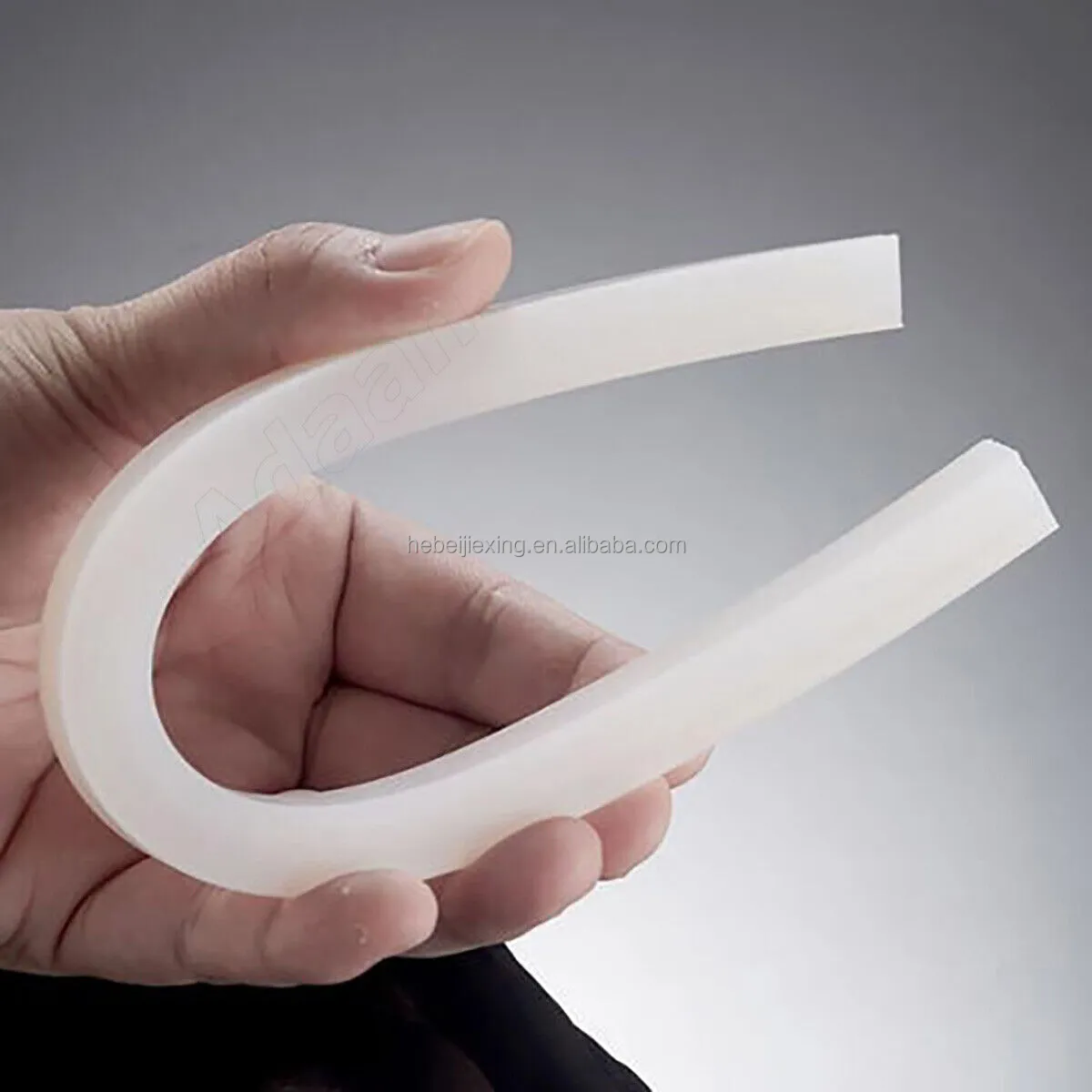
Gap Solid Silicone Rubber Strip: Anti‑Oil, High‑Temp Sealing That Works In Real Life
If you’ve ever chased drafts, rattles, or mystery leaks, you’ve probably touched a silicone strip seal without thinking about it. This one—made in Wangshigong Industrial Zone, Wei County, Xingtai City, Hebei—has become a quiet favorite of maintenance teams and OEM buyers. White, tasteless (literally), highly transparent, and surprisingly durable. To be honest, the “anti‑oil, high‑temperature” claim raised my eyebrow at first. Then I saw the lab sheets and field notes.

What’s driving demand right now
The market’s shifting from sponge profiles to solid silicone strip seal for three reasons: tighter energy codes, smaller tolerances in electronics, and a push for longer maintenance cycles. In fact, many customers say the biggest win is consistency—no yellowing, no brittle edges after two summers on a sun-baked door.
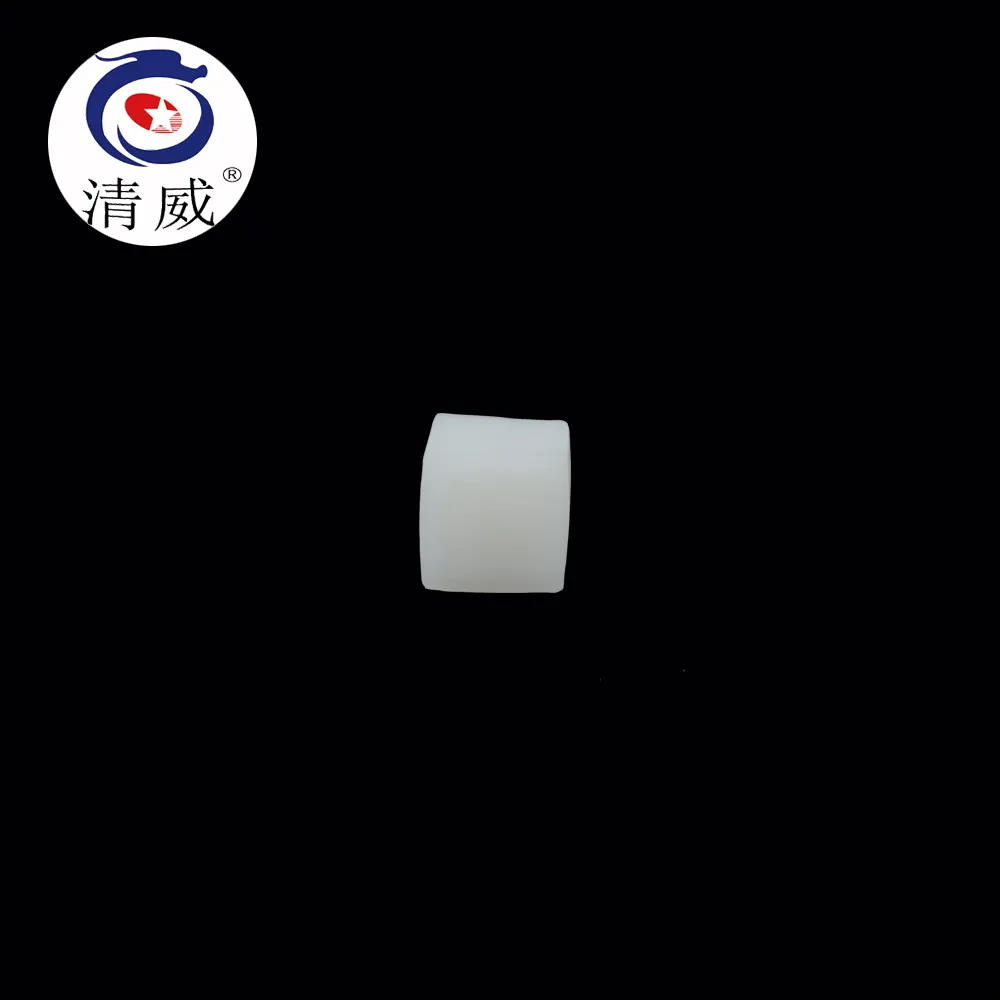
Core specs (real-world values)
| Material | Solid silicone rubber, platinum-cured (≈ food-safe base), anti‑oil formulation |
| Hardness | 50–70 Shore A (typical 60A, ±5, ASTM D2240) |
| Tensile / Elongation | ≥ 7 MPa / ≥ 250% (ASTM D412) |
| Compression set | ≈ 20–30% @ 175°C, 22h, 25% defl. (ASTM D395) |
| Temperature range | -60°C to +200°C continuous; peaks to 230°C |
| Oil resistance | Good vs. engine/mineral/silicone oils; not for aromatic fuels |
| Tolerance | ISO 3302‑1 Class E2 (≈ ±0.8 mm on typical profiles) |
| Color | White (high transparency); custom RAL on request |
| Service life | 8–15 years in outdoor door/window use; real-world may vary |
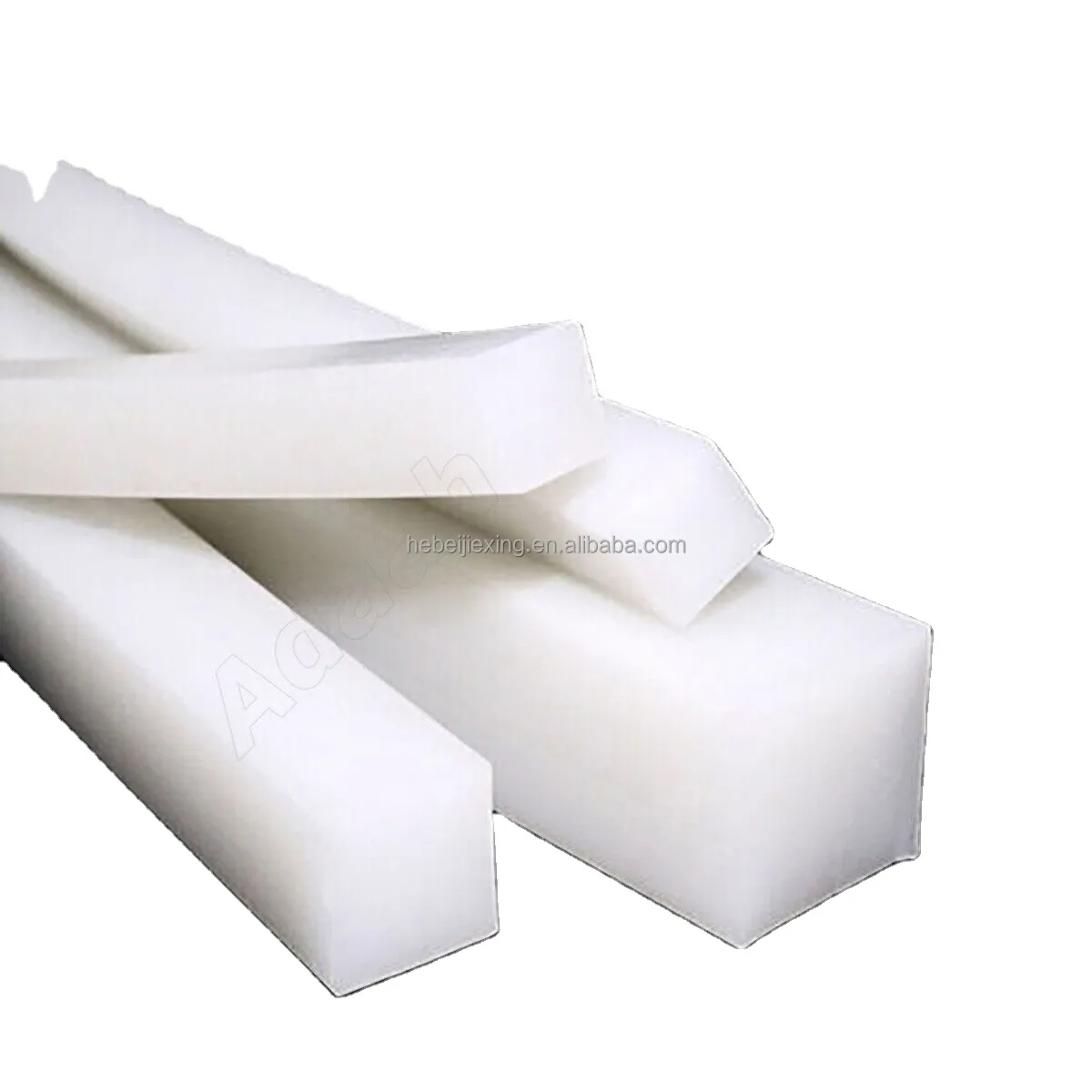
How it’s made (shop-floor overview)
- Materials: high-purity silicone gum + silica + heat stabilizers + anti‑oil additive.
- Mixing: cold-feed mill; pigment masterbatch added if colored.
- Profile extrusion: precision die; online laser gauge (ISO 3302‑1).
- Vulcanization: hot-air or salt bath; optional post-cure for volatility control.
- Adhesive backing: 3M acrylic tape (when specified) for peel‑and‑stick installs.
- Testing: hardness (D2240), tensile/elongation (D412), compression set (D395), heat aging, oil soak mass change, dimensional audit.
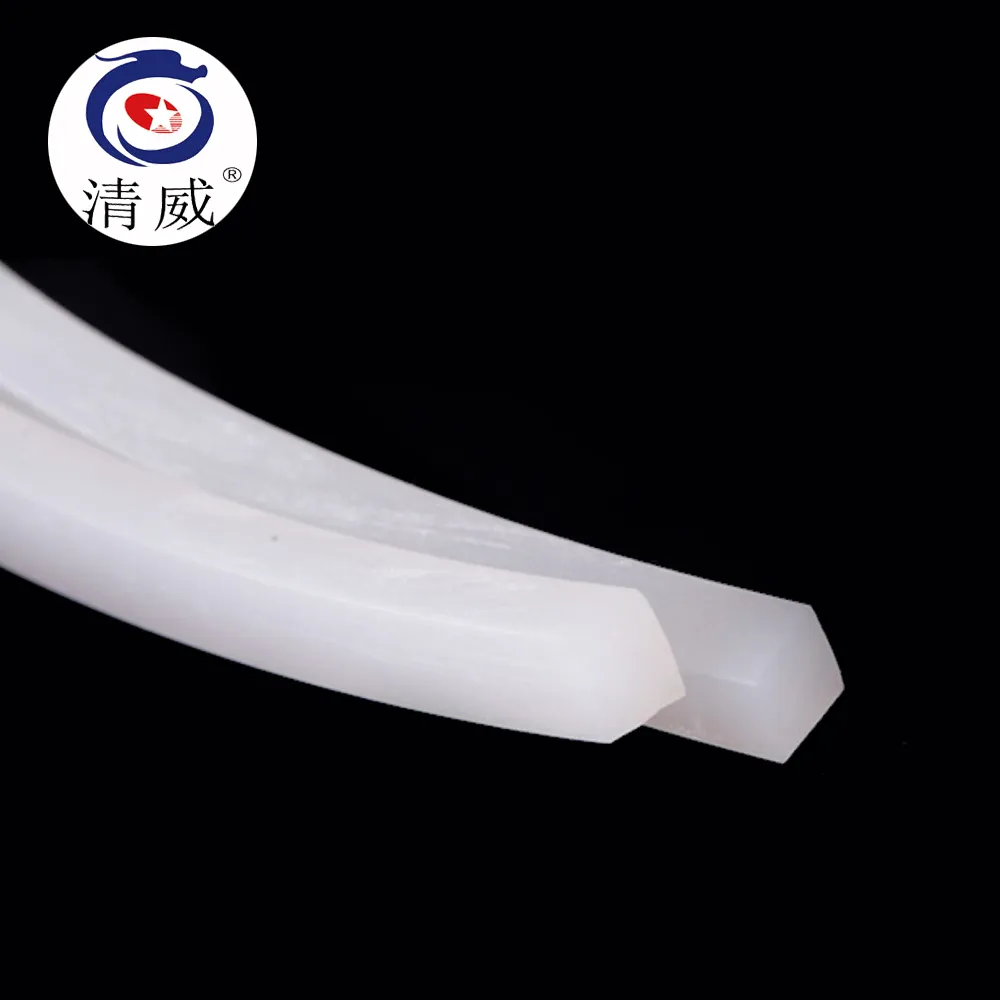
Applications we keep seeing
Door seals and window insulation (uneven or narrow gaps), electrical cabinets (IP upgrades), automotive NVH around speakers, toys and sports equipment edge protection, furniture glazing. One plant engineer told me their silicone strip seal finally stopped a persistent cabinet buzz—small win, big relief.
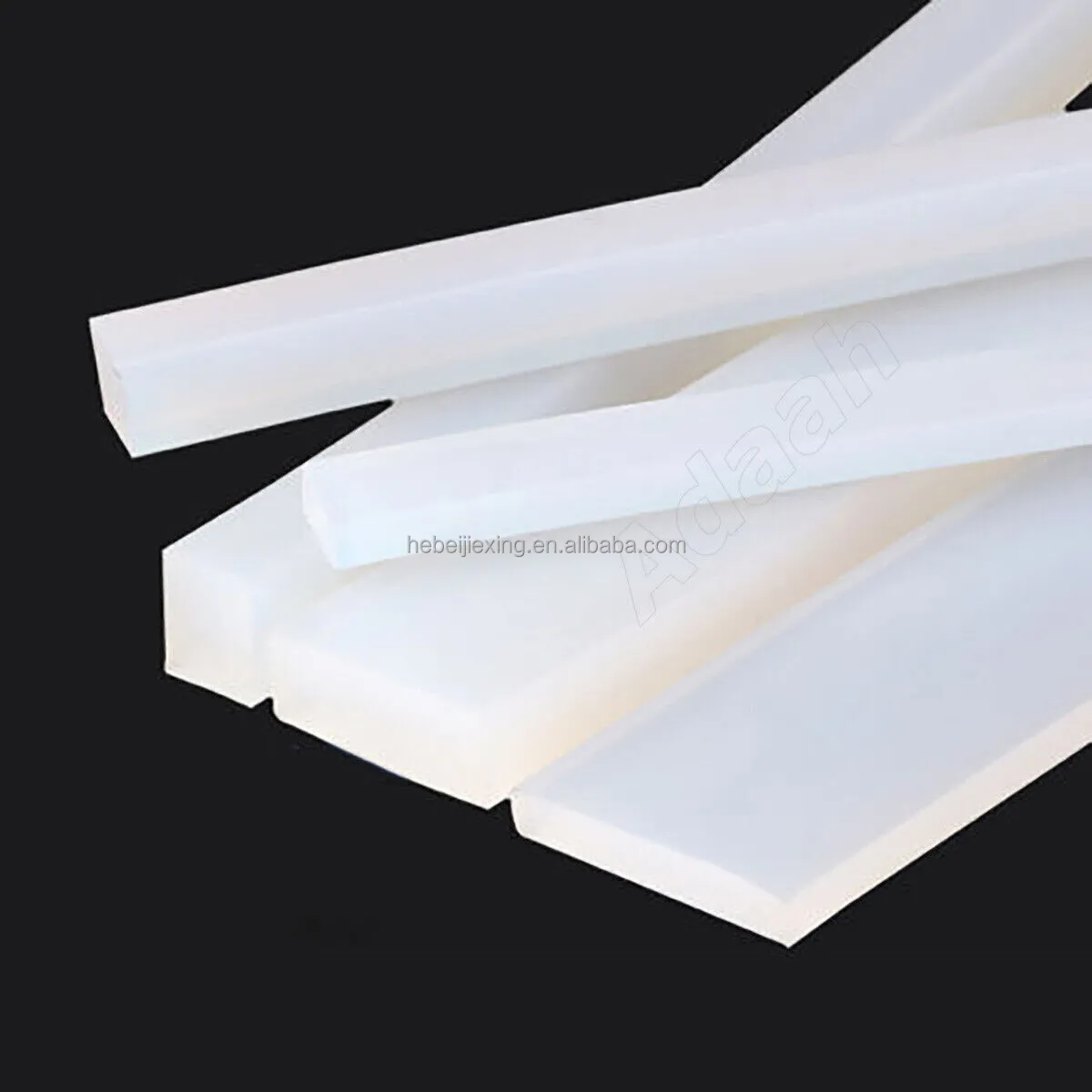
Certifications & standards
Complies with ASTM D2000 (silicone families), ISO 3302‑1 tolerances, and available in UL 94 V‑0 flame-rated grades on request. RoHS/REACH declarations provided. Shock/vibration per IEC 61373 methods when used in rail cabinets (upon spec).
Vendor comparison (quick take)
| Vendor | Strengths | MOQ / Lead Time | Certs |
|---|---|---|---|
| QZ Seals (Hebei) | Tight extrusion control; custom dies; anti‑oil compounding | ≈ 500 m / 7–15 days | ISO 9001; RoHS/REACH; UL options |
| Importer A | Low price on stock sizes | Stock / 3–5 days | Basic CoC; limited test data |
| OEM B (EU) | UL 94 V‑0 portfolio; traceability | ≥ 1,000 m / 2–4 weeks | ISO 9001/14001; UL |
Customization
Cross‑sections (U, D, square, knife‑edge), widths 3–60 mm, durometer 30–80A, colors, adhesive backing, and cut‑to‑length kitting. For narrow, irregular gaps, a softer 40–50A silicone strip seal often seats better with less compression force.
Mini case studies
- Data center racks: swap to 60A silicone strip seal cut bypass airflow by ≈ 18% (internal audit), improving PUE during summer load.
- Coastal doors: after 12 months salt‑spray exposure, no yellowing; compression set held within spec, no latch torque increase reported.
Final thought: it seems simple, but a dependable silicone strip seal saves hours of troubleshooting. This Hebei-made line hits that sweet spot—clean finish, stable in heat, and, surprisingly, friendly with oils.
Authoritative citations
- ASTM D2240 Standard Test Method for Rubber Property—Durometer Hardness. https://www.astm.org/d2240
- ASTM D395 Standard Test Methods for Rubber Property—Compression Set. https://www.astm.org/d395
- ISO 3302‑1:2014 Rubber—Tolerances for products—Part 1: Moulded, extruded and cut products. https://www.iso.org/standard/56077.html
- UL 94 Tests for Flammability of Plastic Materials. https://www.ul.com/resources/ul-94-flammability-plastics-materials
-
Understanding e3 edge banding tape price and Value FactorsNewsApr.16,2026
-
Premium Birch Edge Tape Guide for Professional Furniture FinishingNewsApr.09,2026
-
Comprehensive Guide to 2mm Edge Banding Tape for Furniture and CabinetryNewsApr.07,2026
-
Comprehensive Guide to Choosing the Right 18mm Edge Banding for Your ProjectsNewsApr.04,2026
-
Comprehensive Guide to Pre Glued Melamine Edging Applications and InstallationNewsMar.31,2026
-
Comprehensive Guide to Self Adhesive Edge Banding Tape Applications and SelectionNewsMar.28,2026
-
Comprehensive Guide to Wood Veneer Edging Strips for Furniture and Woodworking ProjectsNewsMar.26,2026