Silicone Strip Seal – Durable, Weatherproof, Self-Adhesive
Field notes from the shop floor: a sealing strip that actually holds up under heat and oil
I’ve handled more gaskets and strips than I can remember, and honestly, it’s rare that one product sticks in mind. This one did. The silicone strip seal from QZ Seals (their “Gap Solid Silicone Rubber Strip Anti Oil High Temp”) has been cropping up in control cabinets, sliding doors, and even some fussy audio builds. To be honest, I didn’t expect much; in fact, many customers say all strips look the same. They don’t.

What it is, briefly
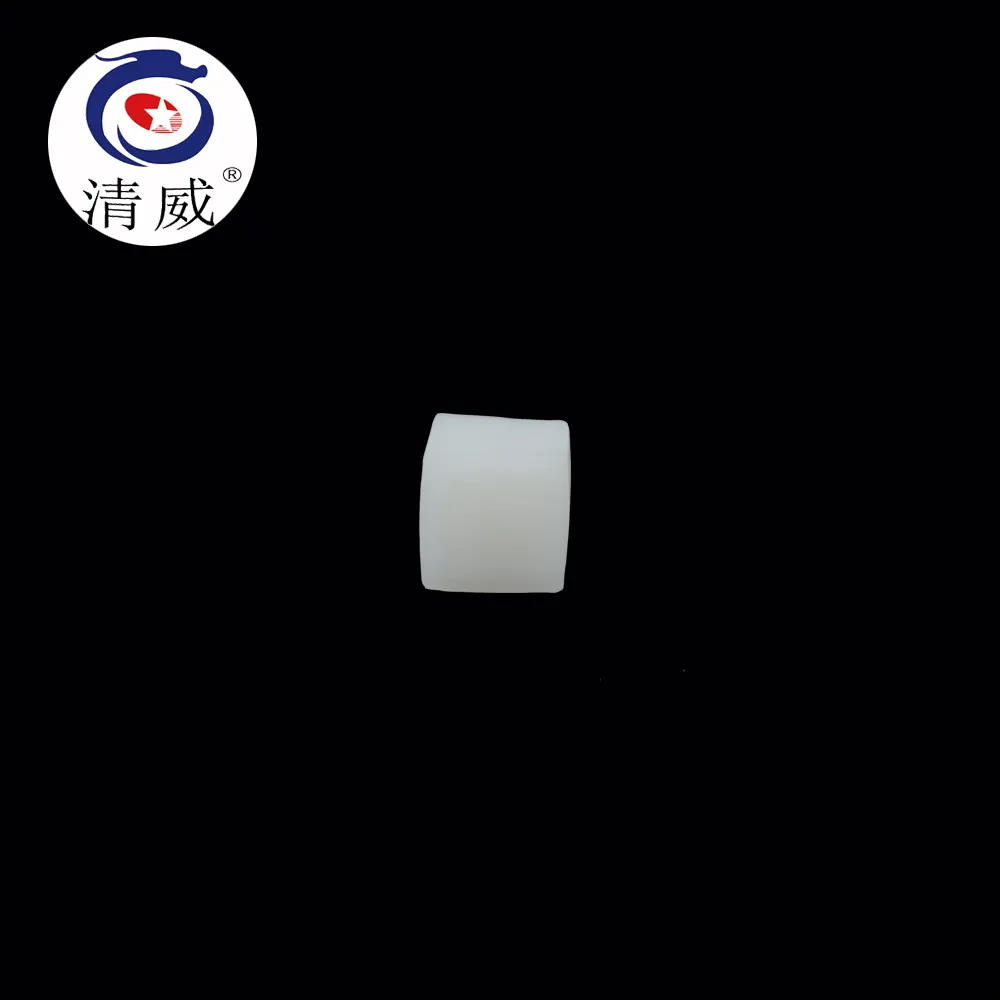
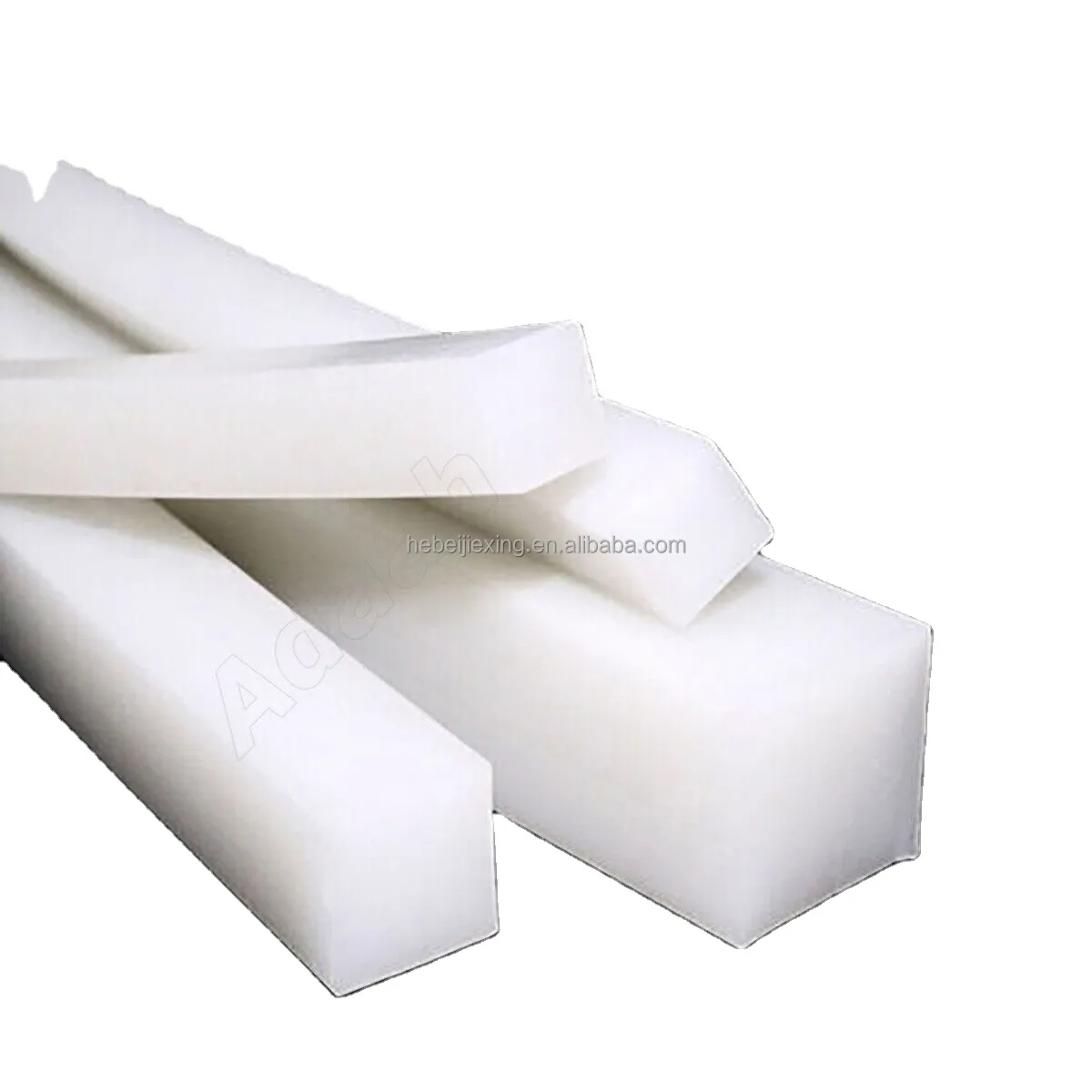
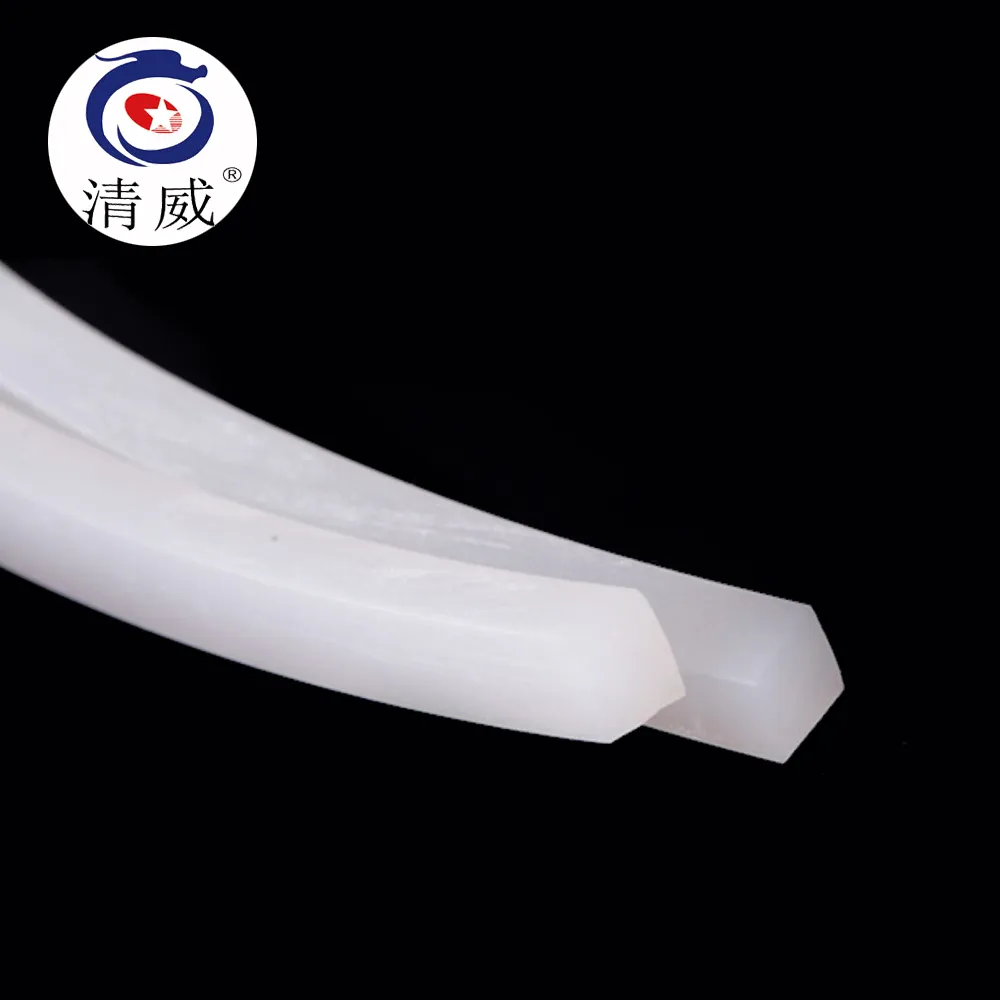
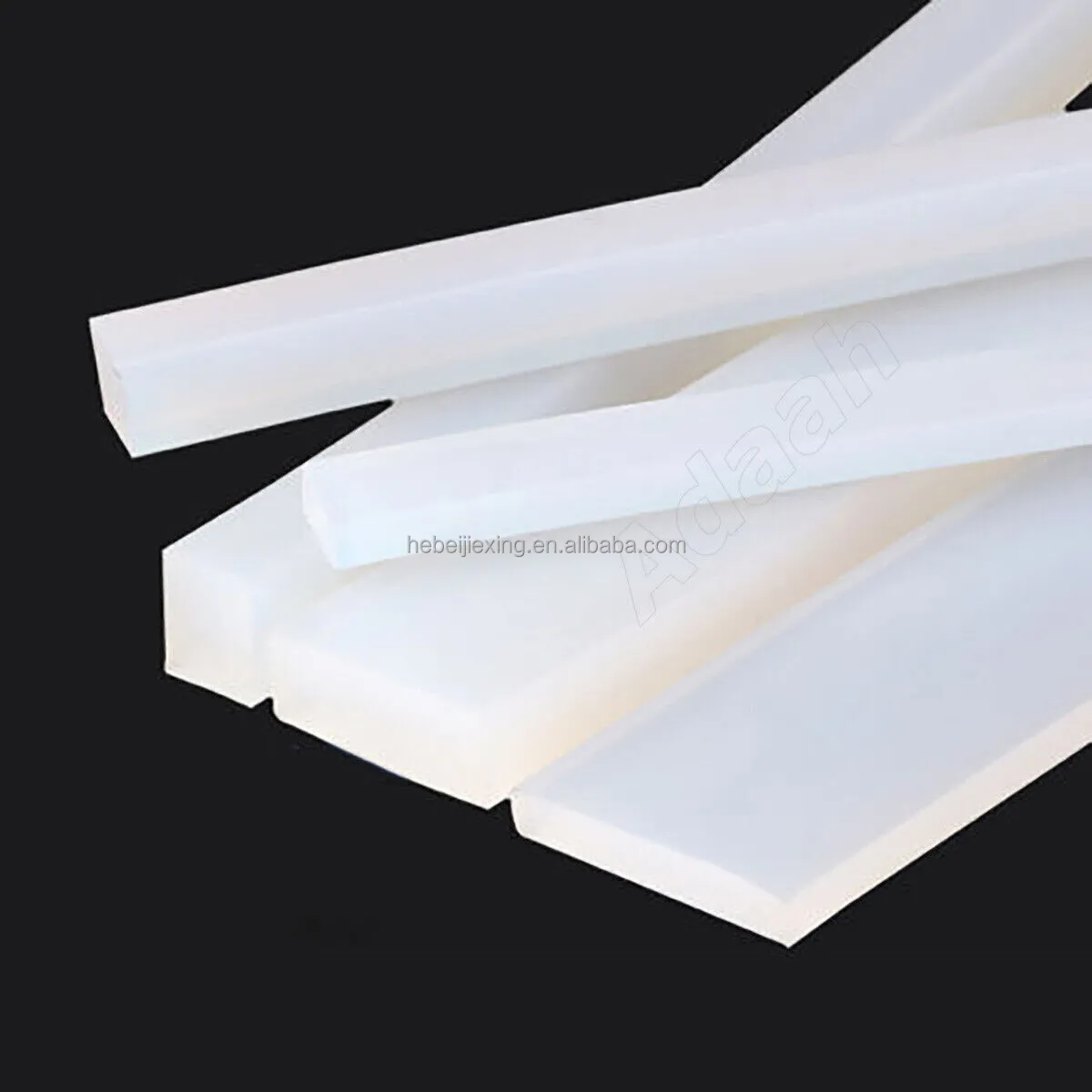
It’s a solid, white, tasteless, high-transparency silicone extrusion designed for uneven gaps and narrow interfaces—think window insulation, electrical cabinets, speakers, toys, sports equipment, furniture, and a pile of automotive trim situations. Origin? Wangshigong Industrial Zone, Wei County, Xingtai City, Hebei Province. The big claims are heat resistance, oil tolerance, and long life without hardening or yellowing. Surprisingly, in real-world use, that combination is rarer than you’d think.
Core specifications (typical)
| Material | Solid silicone rubber (platinum or peroxide cure, per spec) |
| Hardness | ≈ 40–70 Shore A (50±5 common) |
| Operating temperature | ≈ -60°C to +230°C; short spikes to 250°C (real-world may vary) |
| Tensile strength | ≈ 7–9 MPa; elongation 300–450% |
| Compression set | ≤ 25% at 175°C, 22 h (typical lab) |
| Color / appearance | White, high transparency options |
| Options | FDA-grade compound, UL 94 flame ratings, PSA backing, die-cut lengths |
How it’s made (and why that matters)
Process flow: raw silicone polymer + reinforcing silica, mixing with stabilizers/colorant → extrusion through precision die → continuous vulcanization → post-cure (especially for low-volatile/food-grade builds) → slitting to width → optional PSA lamination → inspection & packing. Testing typically aligns with ISO 48-4 (hardness), ISO 37/ASTM D412 (tensile/elongation), ISO 815-1 (compression set), ASTM D573 (heat aging). Service life? Around 8–15 years depending on UV, heat load, and compression. Certifications commonly requested: ISO 9001, RoHS, REACH; FDA 21 CFR 177.2600 and UL 94 are available by formulation—ask for the lot docs.
Where it’s being used
- Doors and windows: better draft stop without paint staining.
- Electrical cabinets: shock absorption and sound damping; stable at heat.
- Automotive: trims and light housings where narrow gaps are a headache.
- Audio/speakers: consistent seal improves low-frequency response—yes, you can hear it.
- Furniture and sports equipment: tidy edge protection plus cushioning.
Customers tell me the silicone strip seal stays flexible after a year in sun and stop-start heat. I guess that’s the low compression set showing up in day-to-day use.
Quick vendor snapshot
| Vendor | Cure system | Temp range | Docs/Certs | Customization | Lead time |
|---|---|---|---|---|---|
| QZ Seals (Hebei) | Platinum or peroxide | ≈ -60 to +230°C | ISO, RoHS, REACH; FDA/UL on request | Widths, hardness, PSA, die-cut | ≈ 7–15 days (spec-dependent) |
| Vendor A (EU) | Platinum focus | ≈ -55 to +200°C | Broad EU documentation | Profiles, colors | ≈ 2–4 weeks |
| Vendor B (US/Asia) | Peroxide common | ≈ -50 to +220°C | RoHS, optional FDA | Standard widths | ≈ 10–20 days |
Real installs, short and sweet
Data center cabinets: a northern client swapped EPDM for this silicone strip seal at hotspots; post-change IR scans showed ≈2–3°C lower internal peak at similar load, mostly due to tighter door sealing and reduced bypass airflow.
Food equipment sight windows: FDA-grade variant, platinum-cured, reduced smell and fogging; maintenance reported easier wipe-downs and no hardening after 9 months.
Lab notes (typical internal tests): hardness 50±3 Shore A; tensile 8.2 MPa; elongation 410%; compression set 21% (175°C, 22h); heat aging ΔH ≈ +4 Shore after 70h @ 200°C; dielectric strength ≈ 20 kV/mm. Always verify against your drawing and environment, of course.
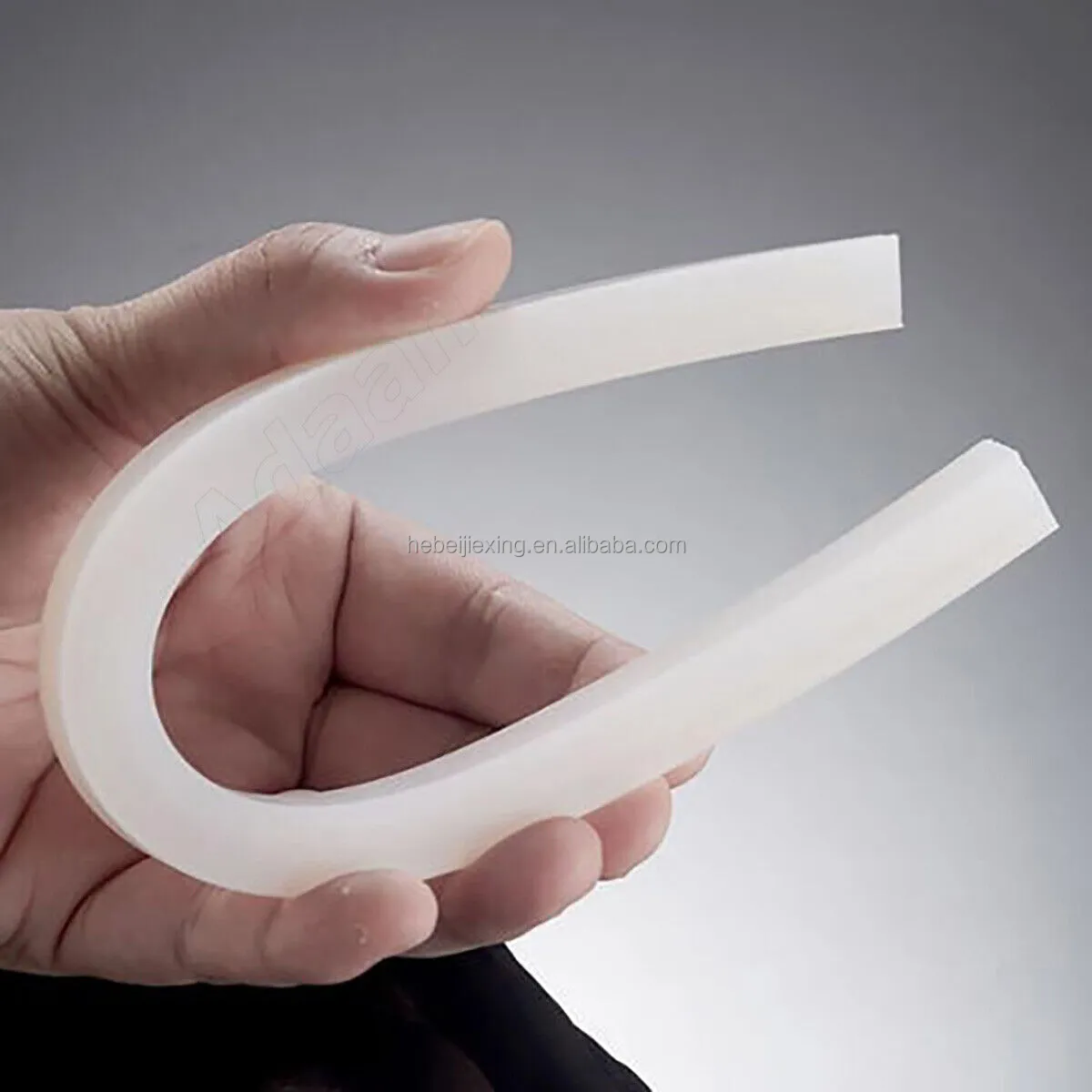
Customization: widths, thicknesses, durometers, continuous coils or pre-cut lengths; PSA tape for quick installs; color tweaks; and packaging for line-side kitting. If your spec calls out ASTM D2000 or UL 94 targets, ask for the compound sheet and lot test reports.
-
Understanding e3 edge banding tape price and Value FactorsNewsApr.16,2026
-
Premium Birch Edge Tape Guide for Professional Furniture FinishingNewsApr.09,2026
-
Comprehensive Guide to 2mm Edge Banding Tape for Furniture and CabinetryNewsApr.07,2026
-
Comprehensive Guide to Choosing the Right 18mm Edge Banding for Your ProjectsNewsApr.04,2026
-
Comprehensive Guide to Pre Glued Melamine Edging Applications and InstallationNewsMar.31,2026
-
Comprehensive Guide to Self Adhesive Edge Banding Tape Applications and SelectionNewsMar.28,2026
-
Comprehensive Guide to Wood Veneer Edging Strips for Furniture and Woodworking ProjectsNewsMar.26,2026