If you’re hunting for a silicone strip seal that won’t cave under heat, oil mist, or the odd uneven flange, this one’s been quietly winning over plant engineers. I’ve been walking floors from appliance assembly to EV lines lately, and—surprisingly—simple sealing strips are still the unsung heroes that prevent costly squeaks, leaks, and recalls.

Quick take: what it is and where it’s from
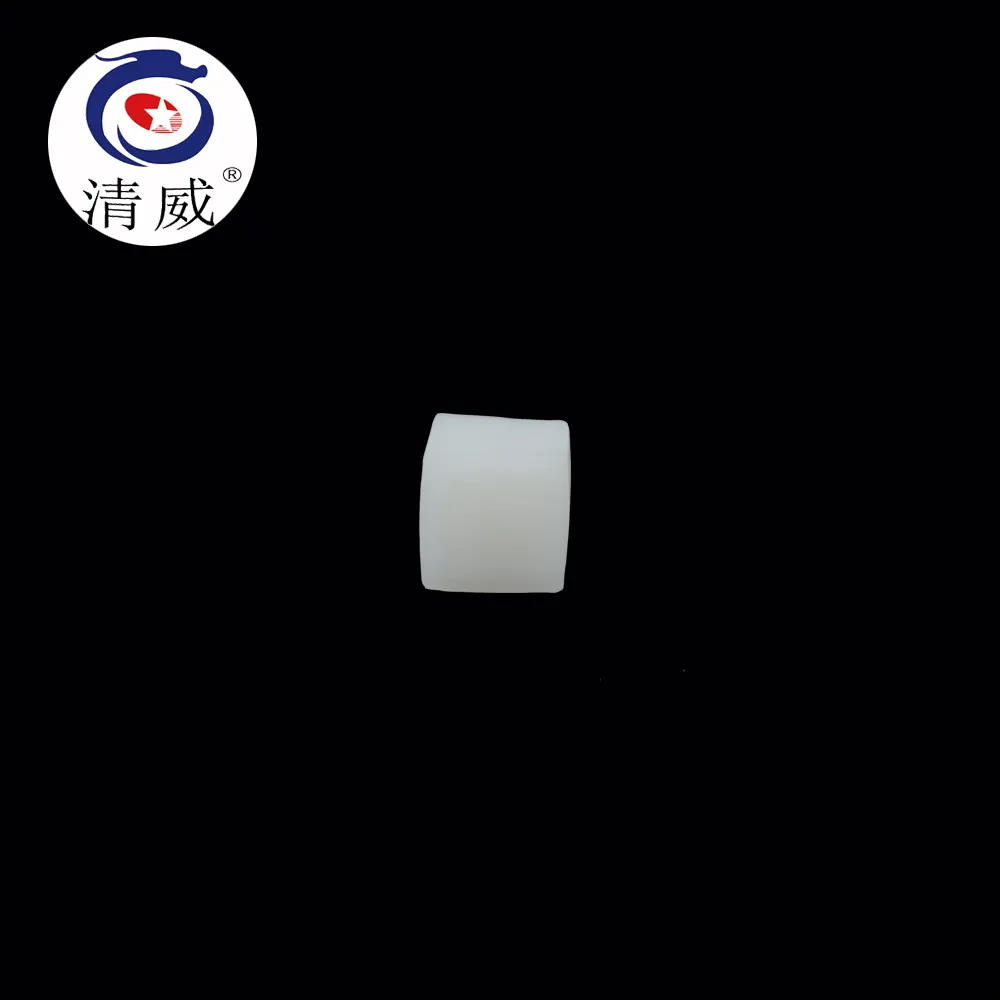
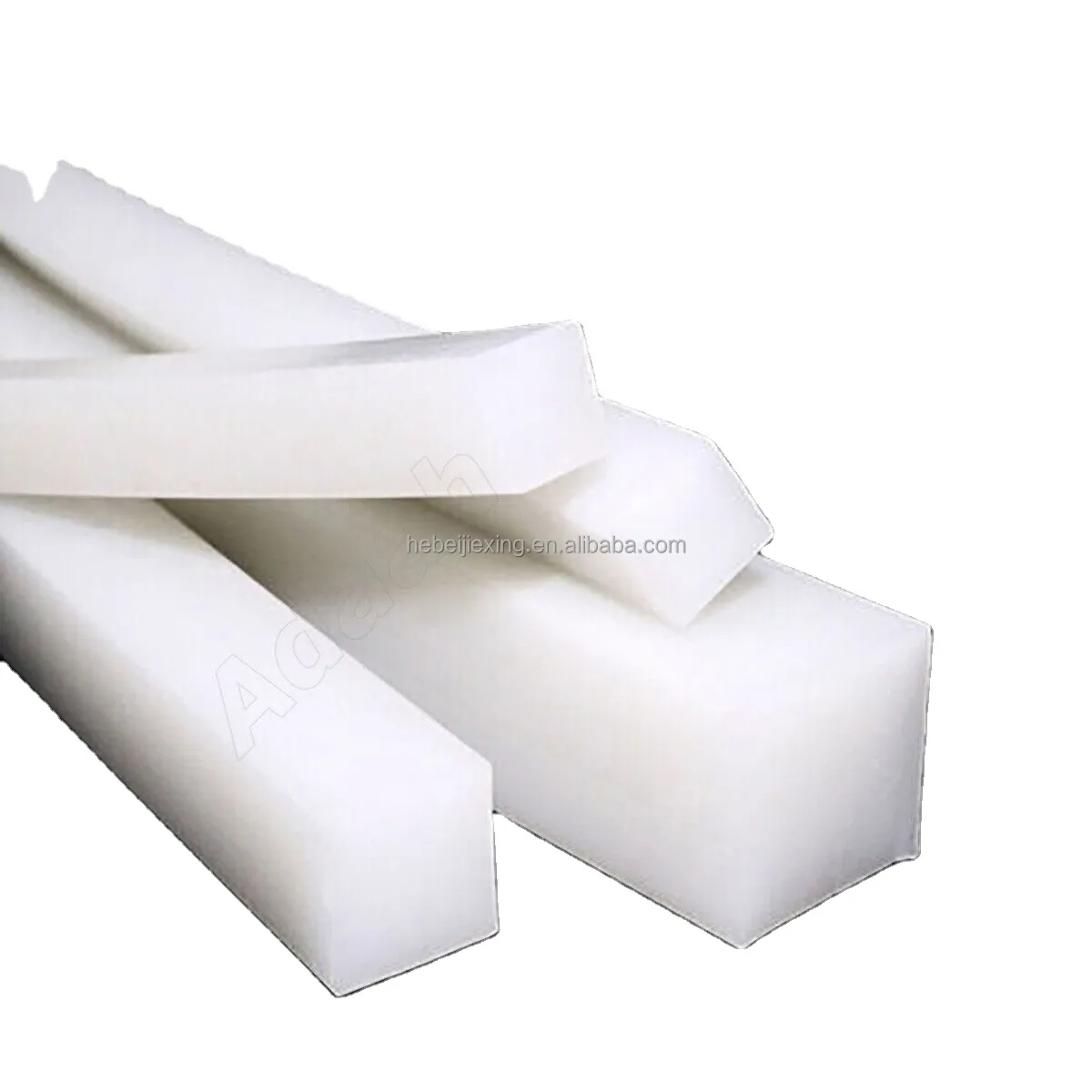
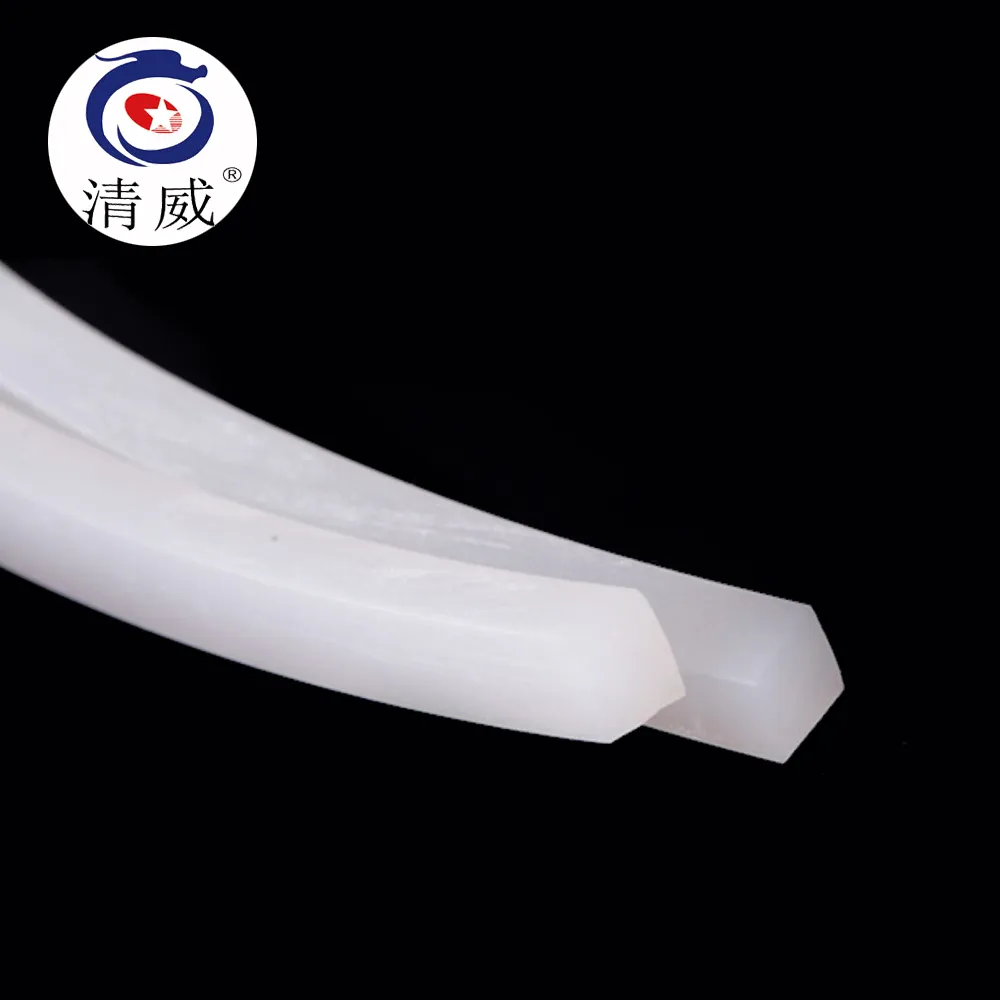
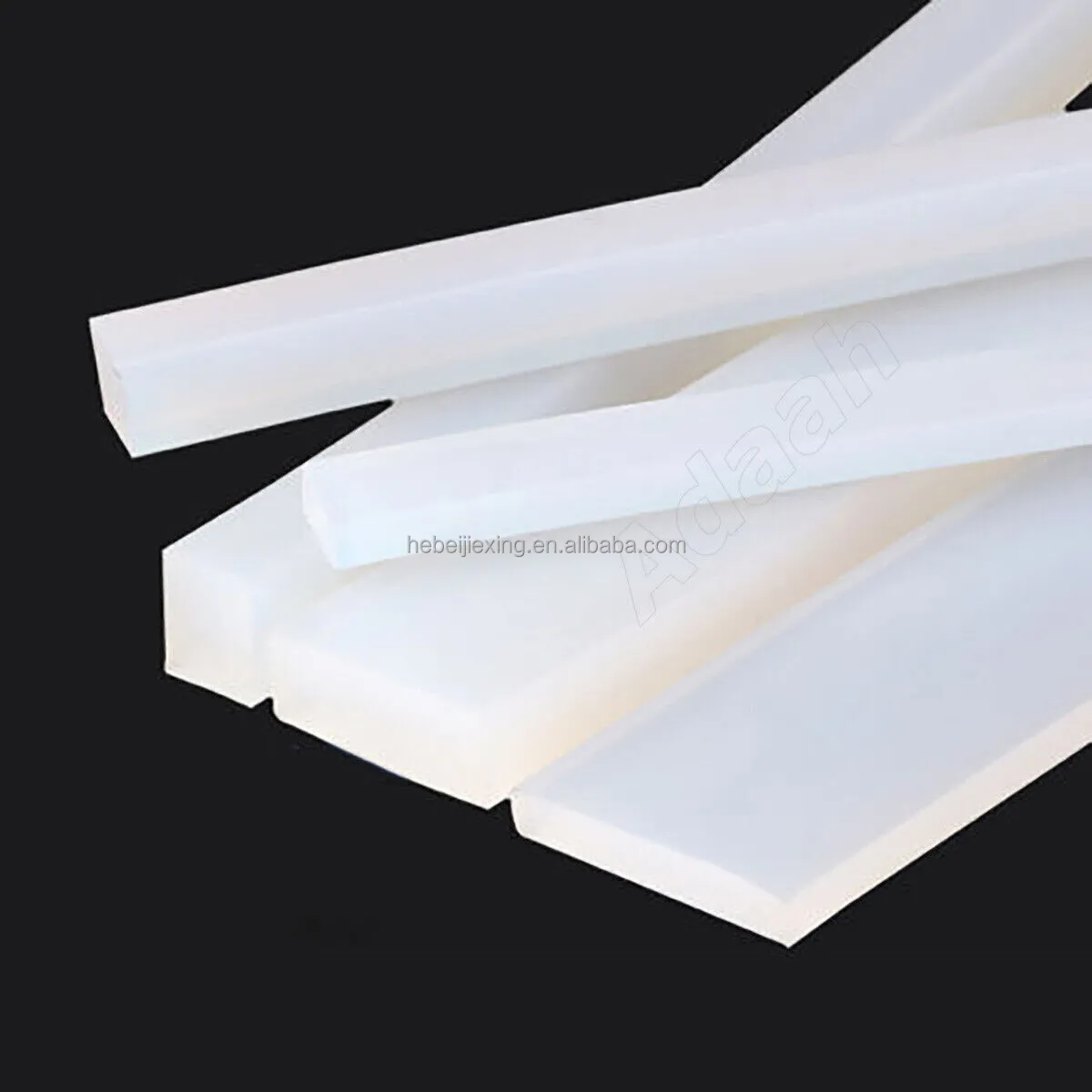
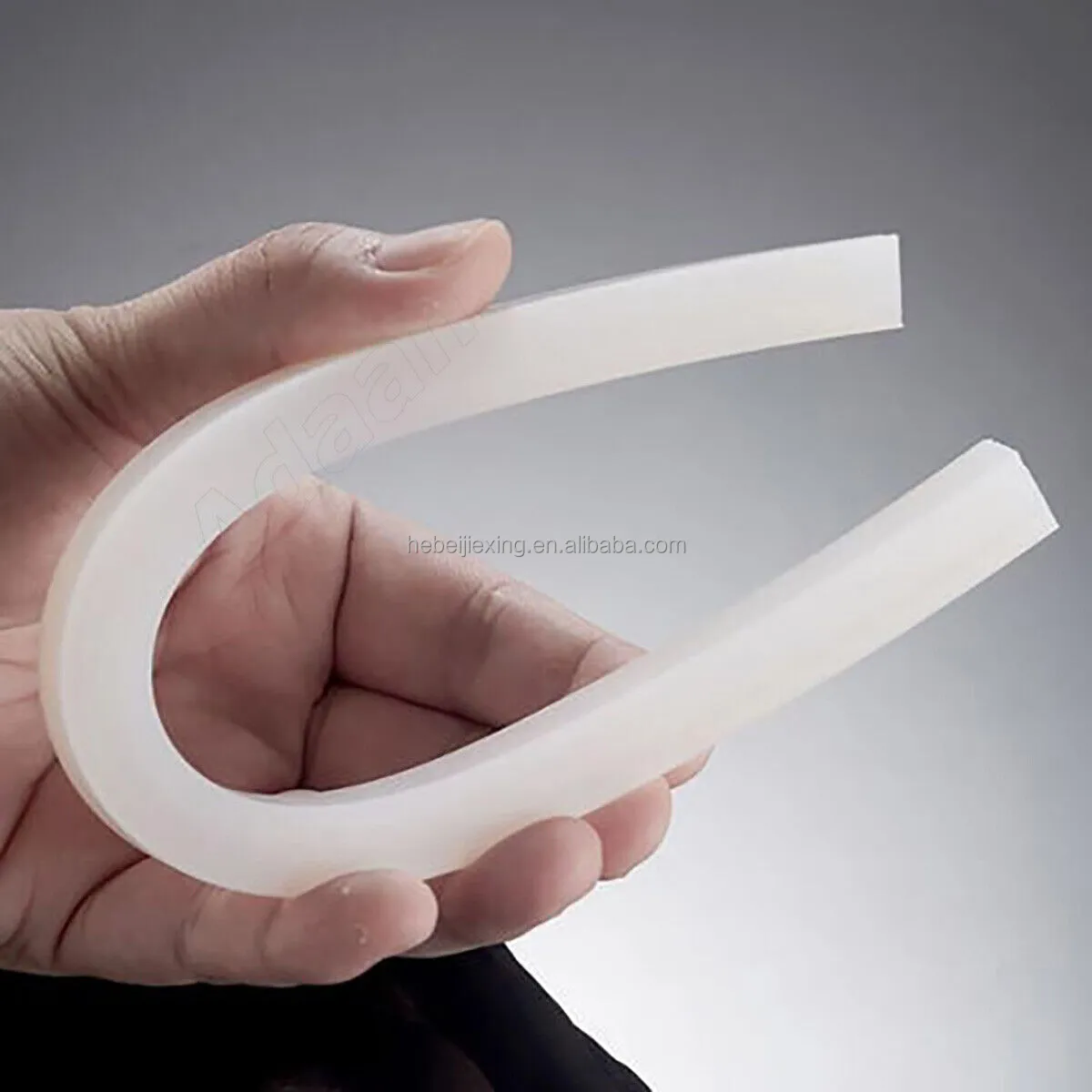
Product: Gap Solid Silicone Rubber Strip Anti Oil High Temp. Made in Wangshigong Industrial Zone, Wei County, Xingtai City, Hebei Province. It’s a white, tasteless, high-transparency strip designed for door seals, window insulation, electrical cabinets, automotive trim, speakers, toys, sports gear, and furniture. To be honest, the “doesn’t harden or yellow” claim is what caught my eye—real-world use tends to prove that out over a couple of winters and a scorching summer.
Industry trends (why people are switching)
- Higher ambient temps around batteries/inverters push gaskets to ≈200°C.
- Noise, vibration, harshness (NVH) targets are stricter—soft silicone helps.
- Designers favor narrow, irregular grooves; silicone strip seal conforms without tearing.
- Compliance pressure: traceable materials, RoHS/REACH, and stable batch-to-batch performance.
Typical specifications (real-world may vary)
| Base polymer | VMQ silicone, peroxide or platinum cured |
| Hardness | Shore A 35–70 (±5), common: 40/50 |
| Temperature range | -50°C to +200°C continuous; short spikes ≈230°C |
| Tensile / Elongation | 7–9 MPa / 250–400% (ISO 37) |
| Compression set | ≤25% at 150°C, 22 h (ASTM D395) |
| Oil resistance | Good vs. engine/gear oils & ATF; check fuels/solvents |
| Color | White (standard), custom colors on request |
| Certifications | RoHS, REACH; optional UL 94 grade by formulation |
Where it’s used (and why it works)
- Doors/windows and HVAC panels: thermal break + draft stop; silicone strip seal stays flexible in cold.
- Electrical cabinets: IP upgrades with correct groove compression (20–30%).
- Automotive trim and lighting: shock-absorbing, doesn’t chalk or turn brittle.
- Speakers/toys/furniture: clean white aesthetic; surprisingly good rebound.
Process flow (what happens behind the scenes)
- Materials: VMQ base + curing system; pigments as needed; batch traceability kept.
- Extrusion: precision dies for narrow/uneven gap profiles; dimensional SPC checks.
- Vulcanization: continuous curing; optional post-cure for volatility control.
- Finishing: cut-to-length, adhesive backing (PSA) if specified.
- Testing: Shore A (ASTM D2240), tensile/elongation (ISO 37), compression set (ASTM D395), aging (ASTM D573), density, visual.
- Packing: coil or straight lengths; labels with lot/date. Service life: around 8–15 years depending on heat/UV/compression.
Vendor snapshot (how it compares)
| Vendor |
MOQ |
Lead time |
Certs |
Customization |
| QZ Seals (this product) |
≈500–1,000 m |
10–18 days |
RoHS/REACH; test reports on lot |
Profile, hardness, PSA, color |
| Regional extruder A |
1,000–3,000 m |
2–4 weeks |
RoHS; limited REACH detail |
Profile and hardness only |
| Local converter B |
Small lots |
Stock dependent |
Varies by source |
Cut-to-length; limited tooling |
Customization notes and field feedback
Common tweaks: Shore A 40 for soft-close doors; 60 for cabinet IP upgrades; matte vs. glossy skin; low-odor platinum cure for enclosed spaces. Many customers say the strip “beds in” after 24–48 hours under compression and then stabilizes—my experience matches that. For fuel exposure, I’d test first; silicone isn’t universally happy with aromatic solvents.
Mini case studies
- Cold-room doors: swapped EPDM for silicone strip seal, cut freeze-stiff failures; compression set improved by ~8% at -25°C.
- EV charger housings: 50 Shore A profile reduced rattles; retained IP rating after 1,000 h thermal cycling.
- Audio cabinets: cleaner midrange after damping; no yellowing under showroom lights over 6 months.
Standards and compliance
Referenced tests include ASTM D2240, D395, D573; ISO 37 and ISO 48-4 for hardness; optional UL 94 flammability by compound. RoHS/REACH documentation available. Always verify your exact assembly targets (IP, flame, outgassing) with a lot-specific COA.
Citations
- ASTM D2000: Classification System for Rubber Products
- ISO 48-4: Rubber, vulcanized or thermoplastic — Determination of hardness
- ISO 37: Rubber, vulcanized — Tensile stress-strain properties
- ASTM D395: Compression Set of Rubber
- UL 94: Flammability
- RoHS Directive Overview (EU)