Stop Drafts & Save Energy: Weather Stripping Door Solutions
Industrial Sealing Solutions: Elevating Performance with Advanced Weather Stripping
In the demanding environment of industrial operations, precision and durability are paramount. Effective sealing solutions are critical for maintaining energy efficiency, protecting sensitive equipment, ensuring environmental control, and adhering to stringent safety standards. A key component in achieving these objectives is high-performance weather stripping door. This article delves into the technical aspects, application versatility, and strategic importance of modern weather stripping solutions for B2B stakeholders.
Current industry trends underscore a growing demand for advanced materials and custom-engineered sealing solutions. Driven by escalating energy costs, stricter environmental regulations, and the need for optimized operational efficiency, businesses are increasingly investing in superior weather stripping. Innovations in material science, such as high-grade EPDM, silicone, and advanced thermoplastic elastomers (TPEs), allow for seals that perform reliably across extreme temperature ranges, harsh chemical exposures, and prolonged UV radiation, vastly extending service life and reducing maintenance overheads. This focus on long-term performance and sustainability is reshaping the market, pushing manufacturers to offer more resilient and adaptable products.
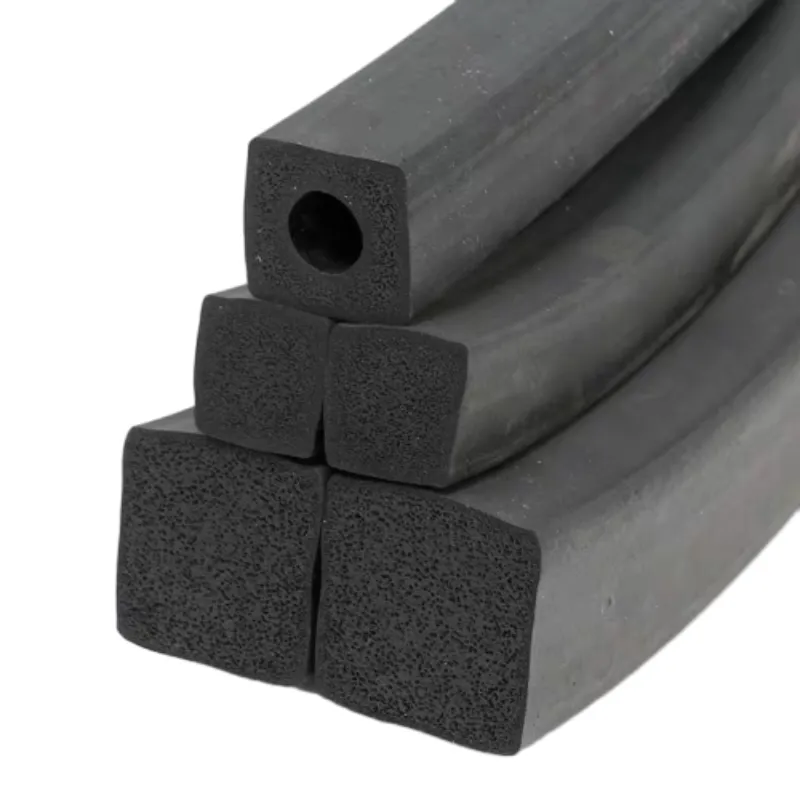
The Manufacturing Process Flow for Sealing Rubber Strips
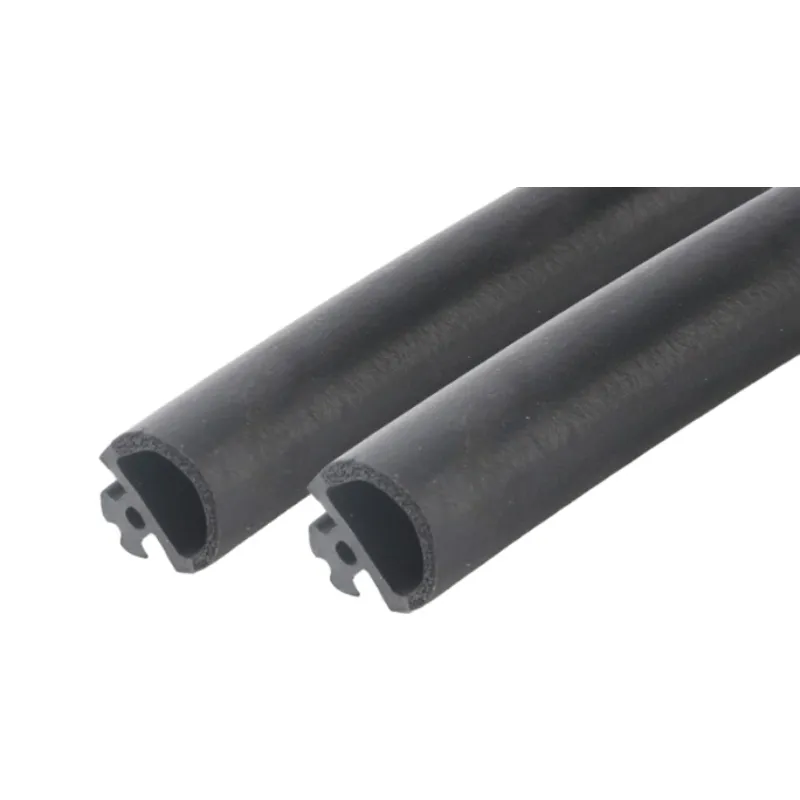
The production of high-performance weather stripping door involves a meticulously controlled manufacturing process, ensuring the finished product meets rigorous industrial standards for durability, flexibility, and sealing efficacy. Our Sealing Rubber Strips, like the ones found at qzseals.com, typically leverage advanced extrusion and vulcanization techniques.
Key Materials and Properties:
- EPDM (Ethylene Propylene Diene Monomer): Known for excellent resistance to ozone, UV radiation, weathering, and a wide temperature range (-40°C to +120°C). Ideal for outdoor applications and environments with chemical exposure.
- Silicone: Offers superior temperature resistance (-60°C to +200°C), excellent flexibility, and biocompatibility. Preferred for high-temperature applications, food-grade environments, and cleanrooms.
- PVC (Polyvinyl Chloride): Provides good abrasion resistance, tear strength, and chemical resistance at a cost-effective price point. Often used for general-purpose applications where extreme conditions are not present.
Manufacturing Process Steps:
- Material Compounding: Raw polymers are mixed with various additives, including reinforcing fillers (e.g., carbon black), plasticizers, vulcanizing agents (e.g., sulfur or peroxides), and pigments, in high-shear internal mixers or two-roll mills. This ensures homogeneous dispersion and tailor-made properties for the specific application.
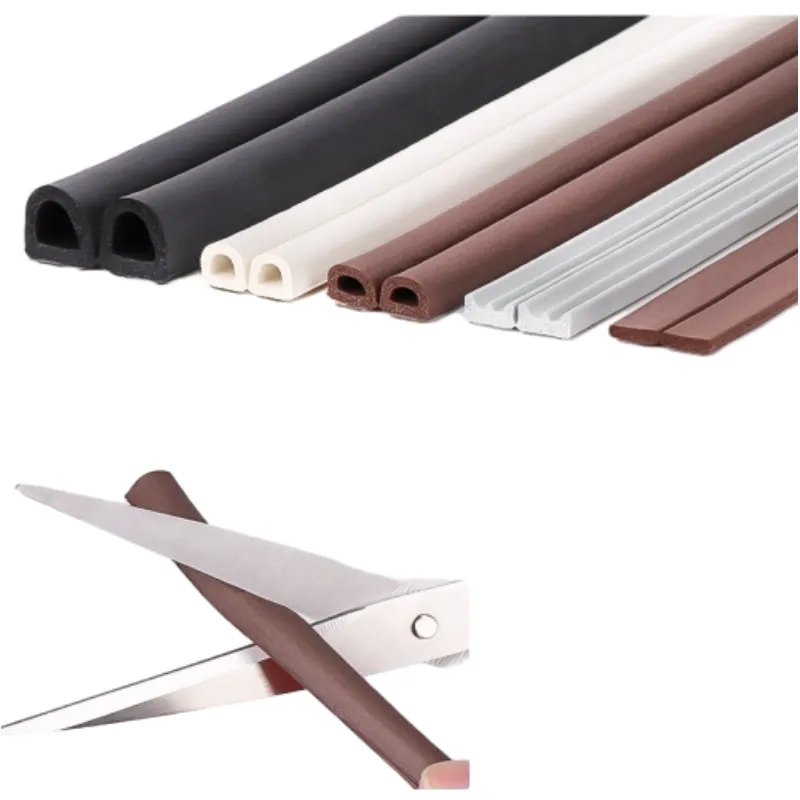
- Extrusion: The compounded rubber is fed into an extruder, where it is heated, plasticized, and forced through a precisely designed die. This forms the continuous profile of the door rubber seal, such as bulb, P-shape, or D-shape profiles, with tight dimensional tolerances.
- Curing/Vulcanization: The extruded profile undergoes a heat-treatment process where the rubber polymer chains cross-link, transforming the material from a plastic-like state to a highly elastic and stable elastomer. Methods include hot air vulcanization (HAV), salt bath curing, or microwave vulcanization, chosen based on material type and profile complexity.
- Cooling & Sizing: After curing, the strip is cooled to ambient temperature and precisely cut to the desired lengths. Automated systems ensure consistent sizing and minimize material waste.
- Finishing & Adhesion (Optional): Depending on the application, the strips may undergo further finishing, such as the application of pressure-sensitive adhesive (PSA) backing for easy installation or specialized coatings for enhanced surface properties.
- Quality Control & Testing: Throughout the entire process, rigorous quality control checks are performed. This includes visual inspections, dimensional checks (using precision calipers, laser gauges), and material property testing.
Testing Standards and Service Life:
Our products adhere to international testing standards such as ISO 9001 for quality management systems and ASTM (American Society for Testing and Materials) for material properties. Key tests include:
- Tensile Strength & Elongation at Break (ASTM D412)
- Hardness (Shore A, ASTM D2240)
- Compression Set (ASTM D395) for long-term sealing performance
- Low-Temperature Flexibility & High-Temperature Resistance
- Ozone and UV Resistance (ASTM D1149, ASTM D4575)
- Fluid and Chemical Immersion Resistance (ASTM D471)
The service life of a garage door weatherstrips or industrial door seal typically ranges from 10 to 20 years, depending on the material, environmental exposure, and application severity. Proper selection and installation are crucial for achieving maximum lifespan.
Target Industries and Advantages:
Our sealing solutions serve a broad spectrum of industries:
- Petrochemical & Chemical Processing: Corrosion resistance against harsh chemicals, reliable sealing for hazardous areas.
- Metallurgy & Heavy Industry: Withstanding extreme temperatures and abrasive environments.
- Water Supply & Drainage: Watertight sealing for pumps, valves, and pipelines.
- HVAC & Refrigeration: Energy saving through prevention of air leakage, maintaining precise temperature control in cold storage facilities.
- Automotive & Transportation: Sealing components against elements, noise, and vibration.
- Construction & Building Maintenance: Enhancing building envelopes for energy efficiency and comfort.
- Food Processing & Pharmaceuticals: Hygienic seals, FDA-compliant materials for contamination prevention.
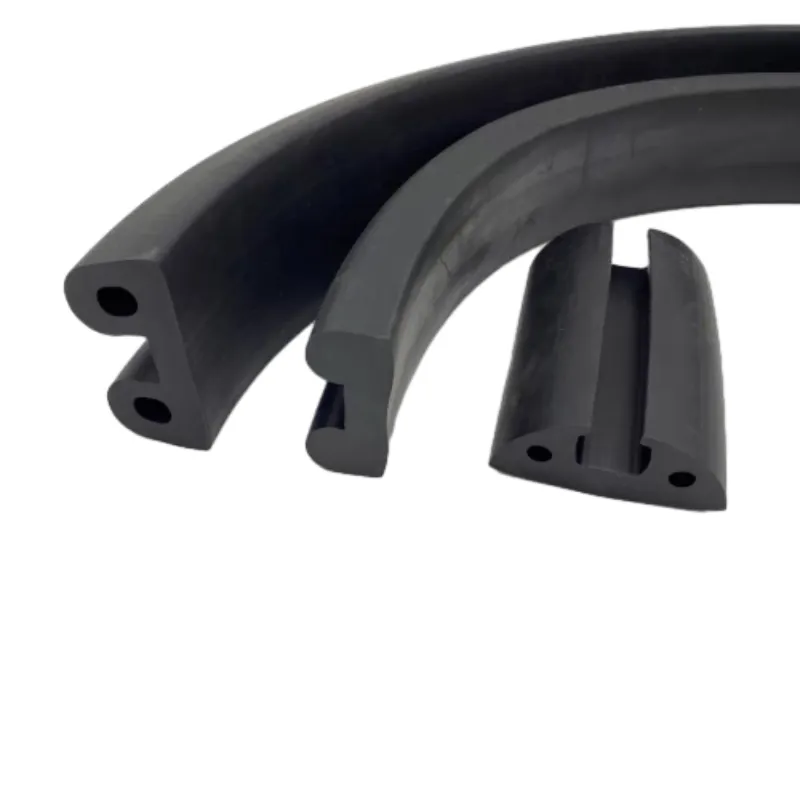
Technical Specifications and Data Analysis
Understanding the precise technical parameters of a sealing rubber strip is crucial for optimal material selection and application performance. The following table outlines key specifications for our Sealing Rubber Strip and related industrial weather seals.
Product Specification Table: Sealing Rubber Strip (Typical Values)
These specifications highlight the tailored performance characteristics required for various industrial applications. For instance, the superior temperature range and compression set of EPDM and Silicone make them ideal for sealing critical access points like a garage door bottom seal in environments where thermal integrity is paramount.
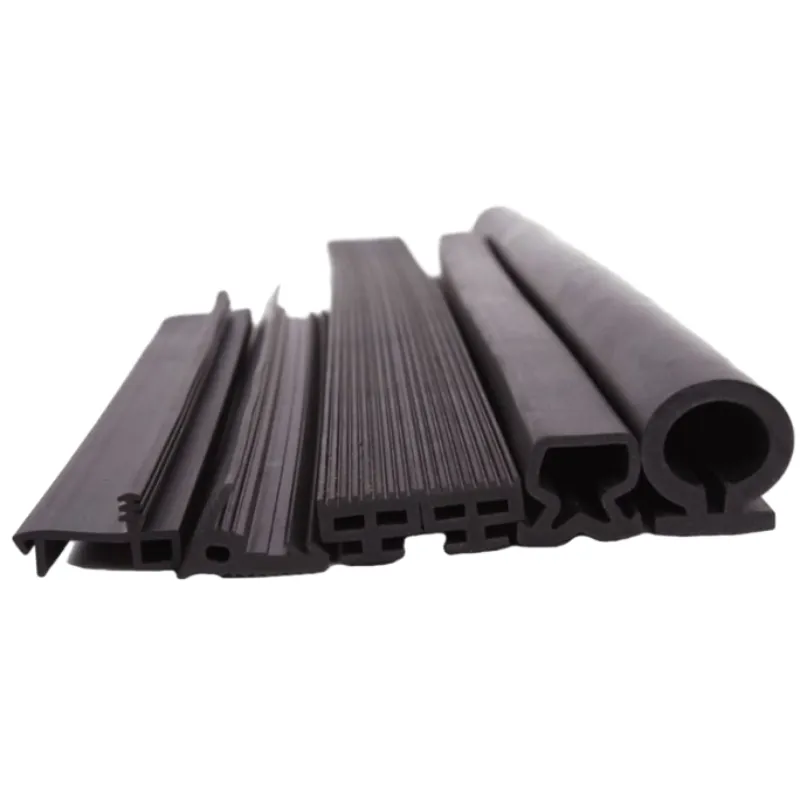
Application Scenarios and Strategic Advantages
The versatility of modern weather stripping solutions extends across numerous B2B sectors, providing tangible operational and financial benefits.
Key Application Scenarios:
- Industrial & Warehouse Doors: Sealing loading dock doors, overhead doors, and personnel access points to prevent dust ingress, pest infestation, and thermal transfer. This is crucial for maintaining inventory quality and reducing heating/cooling loads.
- Cold Storage Facilities: Specialized freezer and refrigerator door seals maintain sub-zero temperatures, drastically reducing energy consumption and preventing ice buildup, which can compromise product integrity and safety.
- Cleanrooms & Pharmaceutical Production: High-grade silicone or EPDM door rubber seal solutions are essential for preventing particulate contamination and maintaining stringent ISO cleanliness classifications, critical for product quality and regulatory compliance.
- HVAC Systems & Equipment Enclosures: Sealing air handling units, ducts, and equipment panels minimizes air leakage, improving system efficiency, reducing noise, and protecting internal components from environmental factors.
- Commercial & Institutional Buildings: Enhancing building envelopes to improve energy performance, reduce outdoor noise pollution, and prevent moisture intrusion, contributing to occupant comfort and structural longevity.
Strategic Advantages for Businesses:
- Energy Efficiency & Cost Reduction: Properly sealed doors and openings can reduce heating and cooling costs by 20-30%. For large industrial facilities, this translates into substantial operational savings annually, significantly impacting the bottom line.
- Environmental Control: Precise control over indoor temperature, humidity, and air quality is vital for sensitive processes or stored goods. Effective seals ensure these parameters are maintained consistently.
- Asset Protection: Preventing ingress of dust, moisture, and pests safeguards machinery, electronics, and products from damage, extending asset lifespan and reducing repair/replacement costs.
- Enhanced Safety & Compliance: Sealing against hazardous chemical fumes or maintaining positive/negative pressure environments ensures worker safety. Compliance with energy codes and building standards is also facilitated.
- Noise Reduction: In high-noise environments, robust seals contribute to acoustic insulation, improving the working environment and complying with occupational noise exposure limits.
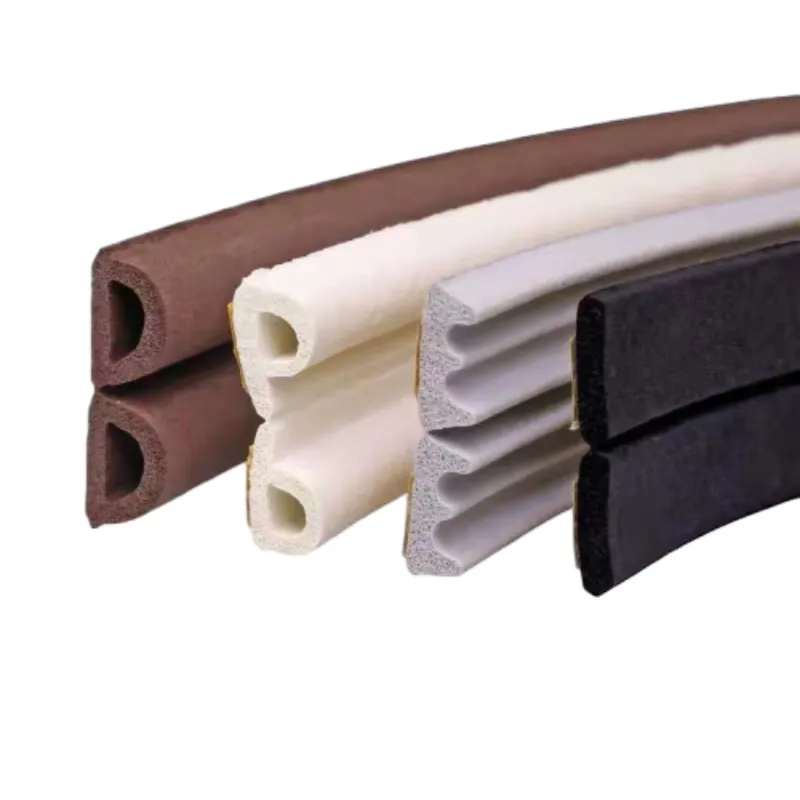
Vendor Comparison and Customized Solutions
Selecting the right vendor for industrial weather stripping door solutions is a strategic decision that impacts long-term operational efficiency and cost-effectiveness. Key factors include material expertise, customization capabilities, quality assurance, and after-sales support.
Industrial Sealing Solution Provider Comparison
For mission-critical applications or unique industrial challenges, partnering with a specialized manufacturer like QZ Seals ensures access to expert engineering and materials science, translating into a superior, long-lasting solution.
The Power of Customized Solutions:
Standard weather stripping door profiles may not suffice for all industrial needs. Customization is often essential for:
- Unique Door Geometries: Non-standard door frames, curved openings, or highly irregular gaps require bespoke profiles to achieve a perfect seal.
- Extreme Environmental Conditions: Applications involving cryogenic temperatures, superheated steam, aggressive chemicals, or intense radiation demand specialized material compounds and designs beyond standard offerings.
- Integrated Functionality: Custom seals can incorporate features like embedded sensors for real-time monitoring of seal integrity, conductive properties for ESD protection, or specific color matching for aesthetic or safety coding.
- Compliance with Niche Standards: Specific industries (e.g., aerospace, medical devices) may have unique regulatory requirements that necessitate custom material formulations and testing protocols.
Our design and engineering process for customized solutions involves detailed consultation, CAD/CAM prototyping, material science expertise, and rigorous testing to ensure the final product delivers uncompromising performance.
Application Case Studies: Real-World Performance
Experience and proven performance are key indicators of reliability. The following case studies demonstrate the tangible benefits of implementing high-quality industrial weather stripping.
Case Study 1: Energy Savings in a Large Logistics Warehouse
- Challenge: A major logistics hub in a fluctuating climate zone faced significant energy losses due to poorly sealed garage door seal and large loading dock doors. Drafts and temperature variations led to increased HVAC load and compromised comfort for personnel.
- Solution: We provided custom-engineered EPDM garage door weatherstrips and perimeter seals for all external doors. These solutions were designed for high resilience and long-term compression set resistance.
- Result: Post-installation, the facility reported a verifiable 28% reduction in heating and cooling energy consumption within the first year. Employee comfort improved, leading to a noticeable boost in productivity and reduced complaints. The investment paid for itself within 18 months.
Case Study 2: Maintaining Cleanroom Integrity in Pharmaceutical Manufacturing
- Challenge: A pharmaceutical client required a highly reliable sealing solution for their ISO Class 7 cleanroom doors to prevent airborne particulate ingress, which could compromise sterile product manufacturing. Standard seals failed to maintain the required positive pressure gradient consistently.
- Solution: We developed a specialized closed-cell silicone door rubber seal with a unique bulb profile, engineered for minimal outgassing and superior long-term compression recovery. The material met FDA compliance for indirect food contact.
- Result: The new seals ensured consistent positive pressure within the cleanroom, significantly reducing particle counts and maintaining ISO Class 7 standards without interruption. This contributed to zero batch contamination incidents related to environmental factors over two years and simplified regulatory audits.
Case Study 3: Corrosion Resistance in a Petrochemical Facility
- Challenge: A petrochemical plant required seals for access panels and doors in areas exposed to corrosive chemical fumes and high temperatures. Existing seals degraded rapidly, leading to frequent replacements and safety concerns.
- Solution: We recommended and supplied high-performance EPDM weather stripping door seals, specifically formulated for enhanced chemical resistance to acids and alkalis commonly found on site.
- Result: The new seals exhibited superior longevity, extending replacement cycles from 6 months to over 5 years. This drastic improvement reduced maintenance costs, minimized operational downtime for seal changes, and significantly enhanced safety by maintaining the integrity of critical enclosures.
Adhering to Google Standards
Our commitment to delivering superior sealing solutions is underpinned by a robust framework that emphasizes Expertise, Experience, Authoritativeness, and Trustworthiness ().
Expertise & Authoritativeness:
- Industry Leadership: With over two decades of dedicated service in industrial sealing, we have cultivated deep technical expertise in rubber compounding, extrusion, and custom profile design. Our engineering team comprises specialists in material science and mechanical engineering.
- Certifications & Compliance: We are an ISO 9001:2015 certified manufacturer, ensuring that all our processes, from design to delivery, meet stringent international quality management standards. Our products frequently meet ASTM, FDA, and RoHS compliance where applicable.
- Advanced R&D: Continuous investment in research and development allows us to innovate and stay ahead of evolving industry demands, developing new materials and profiles for enhanced performance and sustainability.
- Strategic Partnerships: We collaborate with leading raw material suppliers and industry research institutions to ensure our products incorporate the latest advancements in polymer technology.
Trustworthiness & Customer Support:
Transparency, reliability, and dedicated support form the cornerstone of our client relationships.
Frequently Asked Questions (FAQ):
- Q: How do I select the right material for my specific application?
A: Our technical sales team can guide you based on your operational temperature range, chemical exposure, UV and ozone resistance needs, and specific physical property requirements. - Q: What is the typical lead time for custom weather stripping door solutions?
A: Standard profiles generally ship within 2-4 weeks. Custom orders, depending on complexity and tooling requirements, typically range from 6-12 weeks from design approval. - Q: Do you provide installation guidance?
A: Yes, we offer comprehensive technical data sheets, installation manuals, and can provide remote or on-site consultation for complex installations. - Q: What kind of warranty do you offer on your products?
A: We provide a 1-year limited warranty against manufacturing defects for all our standard products, ensuring peace of mind regarding quality and performance. Extended warranties can be negotiated for specific high-volume or critical applications.
Lead Time & Fulfillment:
We understand the importance of timely delivery in industrial projects. Our streamlined production processes and robust supply chain management enable efficient order fulfillment. We maintain strong relationships with global logistics partners to ensure prompt and secure delivery, whether for domestic or international shipments.
Warranty & After-Sales Support:
Our dedication to client success extends beyond the point of sale. We back our products with a clear warranty policy and provide accessible, responsive after-sales support. Our technical support team is available to assist with any queries, from installation troubleshooting to long-term maintenance advice, ensuring optimal performance throughout the product's lifespan.
Conclusion
The strategic implementation of high-quality weather stripping door solutions is an indispensable element of modern industrial infrastructure. Beyond merely sealing gaps, these precision-engineered components are critical drivers of energy efficiency, environmental control, asset protection, and compliance with rigorous industry standards. By selecting a partner with deep technical expertise, robust quality assurance, and a commitment to customized solutions, businesses can unlock significant operational advantages and achieve sustainable long-term value. We invite you to explore our comprehensive range of sealing rubber strips and engage with our experts to tailor a solution that precisely meets your industrial requirements.
References
- ASTM International. "Standards for Rubber and Rubber-Like Materials." Retrieved from astm.org.
- International Organization for Standardization. "ISO 9001:2015 Quality Management Systems." Retrieved from iso.org.
- U.S. Department of Energy. "Energy Efficiency and Renewable Energy (EERE) Weatherization Assistance Program." Retrieved from energy.gov.
- ASHRAE Journal. "Impact of Air Leakage on HVAC System Performance."
- Rubber & Plastics News. "Trends in Elastomer Technology for Industrial Applications."
-
Understanding e3 edge banding tape price and Value FactorsNewsApr.16,2026
-
Premium Birch Edge Tape Guide for Professional Furniture FinishingNewsApr.09,2026
-
Comprehensive Guide to 2mm Edge Banding Tape for Furniture and CabinetryNewsApr.07,2026
-
Comprehensive Guide to Choosing the Right 18mm Edge Banding for Your ProjectsNewsApr.04,2026
-
Comprehensive Guide to Pre Glued Melamine Edging Applications and InstallationNewsMar.31,2026
-
Comprehensive Guide to Self Adhesive Edge Banding Tape Applications and SelectionNewsMar.28,2026
-
Comprehensive Guide to Wood Veneer Edging Strips for Furniture and Woodworking ProjectsNewsMar.26,2026