Window Weather Stripping | Seal Drafts & Save Energy
The Critical Role of Advanced Window Weather Stripping in Modern Industries
In diverse industrial and consumer applications, the integrity of environmental sealing is paramount. High-performance window weather stripping plays a pivotal role in achieving this, offering unparalleled protection against elements, optimizing energy efficiency, and enhancing comfort. From automotive manufacturing to architectural construction and specialized industrial enclosures, the demand for resilient and precisely engineered sealing solutions continues to grow. This article delves into the technical intricacies, application benefits, and strategic considerations for selecting superior weather stripping products. We will explore the manufacturing excellence, key performance indicators, and the significant impact these components have on operational longevity and cost-effectiveness.
Understanding the nuanced requirements of various environments is crucial. Whether it's preventing water ingress in marine applications, reducing thermal transfer in buildings, or mitigating noise in vehicle cabins, advanced weather stripping designs provide robust solutions. The evolution of materials science and manufacturing processes has led to sealants that offer extended service life and superior resistance to degradation, making them indispensable components in modern engineering.
Current Industry Trends in Sealing Technologies
The market for sealing solutions, particularly for applications requiring robust window weather stripping, is experiencing dynamic shifts driven by sustainability initiatives, stringent performance standards, and the push for lightweight yet durable materials. Key trends include:
- Sustainable Materials: Increasing adoption of recycled rubbers, bio-based polymers, and materials with lower environmental impact during production and disposal. This aligns with global efforts to reduce carbon footprints and promote circular economy principles.
- Enhanced Durability & Longevity: Demand for materials with superior resistance to UV radiation, ozone, extreme temperatures, and chemical exposure, leading to extended service life and reduced maintenance cycles. This is particularly vital in automotive and outdoor construction applications.
- Smart Sealing Solutions: Integration of sensors into weather stripping for real-time monitoring of seal integrity, pressure, or temperature, facilitating proactive maintenance and performance optimization in smart buildings and autonomous vehicles.
- Miniaturization and Precision: Development of increasingly compact and custom-profiled seals for applications with limited space, requiring advanced extrusion and molding techniques to maintain tight tolerances.
- Multi-functional Composites: Creation of co-extruded or multi-layered weather stripping that combines different material properties (e.g., soft sealing lip with a rigid mounting base) to achieve multiple performance objectives simultaneously.
These trends reflect a broader industry move towards more efficient, reliable, and environmentally responsible sealing practices, ensuring that modern window weather stripping solutions meet the evolving demands of advanced engineering projects.
Technical Specifications and Material Parameters
The performance of window weather stripping is fundamentally determined by its material composition and precise technical specifications. Common materials include EPDM (Ethylene Propylene Diene Monomer), Silicone, PVC (Polyvinyl Chloride), and TPE (Thermoplastic Elastomer), each offering distinct advantages depending on the application environment.
For instance, EPDM rubber is highly valued for its excellent resistance to ozone, UV radiation, and extreme weather conditions, making it ideal for outdoor applications like `automotive weather stripping` and architectural seals. Silicone, on the other hand, provides superior performance at high and low temperatures, often chosen for applications requiring wide thermal cycling resilience. PVC offers good abrasion resistance and cost-effectiveness, while TPEs combine the processing advantages of thermoplastics with the performance characteristics of thermoset rubbers.
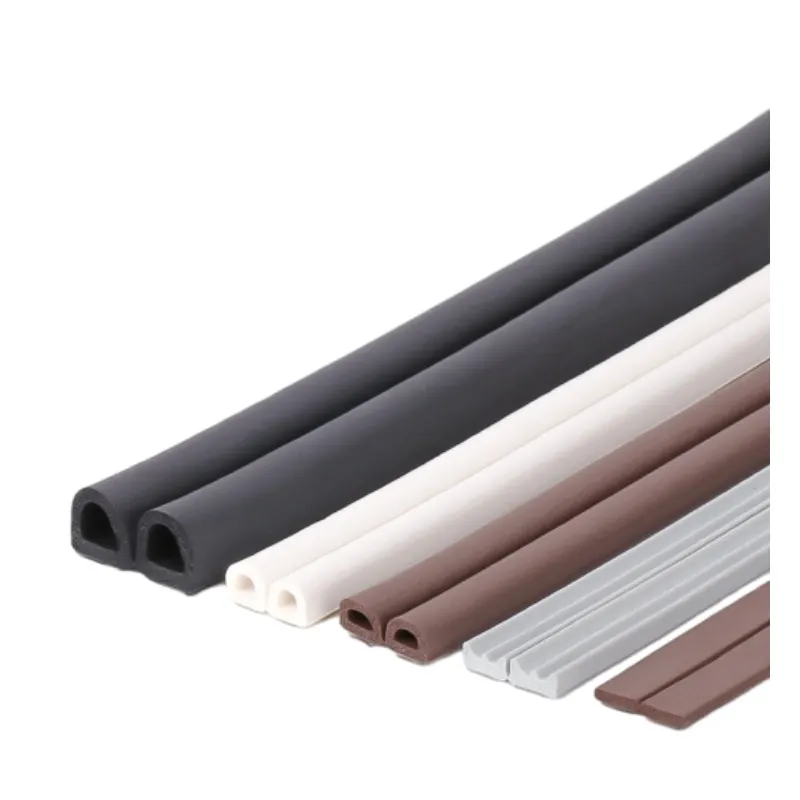
Figure 1: Cross-section of a typical high-performance window weather stripping profile.
Key Performance Parameters:
- Hardness (Shore A): Measures resistance to indentation, typically ranging from 40 to 90 Shore A for sealing applications.
- Tensile Strength (MPa): Indicates the maximum stress a material can withstand while being stretched or pulled before breaking.
- Elongation at Break (%): The percentage increase in length that a material can withstand before fracturing.
- Compression Set (%): Measures the permanent deformation of a material after being subjected to a compressive force for a period and then released. Lower values indicate better sealing capability over time.
- Temperature Range (°C): The operational temperature extremes the material can withstand without significant degradation.
- Environmental Resistance: Chemical compatibility, UV, ozone, and water resistance.
Typical Product Specification Table (EPDM Rubber):
| Parameter | Test Method (ASTM/ISO) | Typical EPDM Value |
|---|---|---|
| Hardness, Shore A | ASTM D2240 | 50-70 |
| Tensile Strength, min (MPa) | ASTM D412 | 7.0 |
| Elongation at Break, min (%) | ASTM D412 | 250-400 |
| Compression Set, 22h @ 70°C (%) | ASTM D395 Method B | < 25 |
| Operating Temperature (°C) | N/A | -40 to +120 |
| Ozone Resistance (100 pphm, 40°C, 72h) | ASTM D1149 | No Cracks |
Manufacturing Process Flow of Weather Stripping
The production of high-quality window weather stripping involves several meticulously controlled stages to ensure superior performance and durability. Unlike metallic components, rubber weather stripping relies on extrusion and vulcanization processes.
Schematic Steps:
- Material Compounding: Raw polymer (e.g., EPDM, Silicone), reinforcing fillers (e.g., carbon black, silica), plasticizers, vulcanizing agents, and antioxidants are precisely weighed and mixed in a high-shear mixer. This creates a homogeneous compound with desired mechanical and chemical properties.
- Extrusion: The compounded rubber is fed into an extruder, where it is heated and forced through a die to create the specific profile (cross-section) of the weather stripping. This continuous process ensures consistent dimensions and surface finish. Co-extrusion techniques allow for multiple materials to be extruded simultaneously, creating complex profiles with varied hardness zones or integrated metal inserts.
- Vulcanization (Curing): The extruded profile undergoes a curing process, typically in a continuous hot air tunnel or salt bath. This cross-links the polymer chains, transforming the material from a plastic-like state into a resilient, elastic rubber. This stage is critical for achieving the final mechanical properties, heat resistance, and compression set characteristics.
- Cooling & Sizing: After vulcanization, the weather stripping is cooled and precisely cut to specified lengths or wound onto spools. In-line measurement systems often monitor dimensions to maintain tight tolerances.
- Finishing & Adhesion (Optional): Depending on the application, additional processes may include applying pressure-sensitive adhesives (PSA) or flocking for reduced friction and improved aesthetics.
- Quality Control & Testing: Throughout the process, rigorous testing is conducted, including hardness, tensile strength, elongation, compression set, and dimensional checks, adhering to standards such as ASTM, ISO, and client-specific specifications (e.g., automotive standards like SAE J1962 for seals).
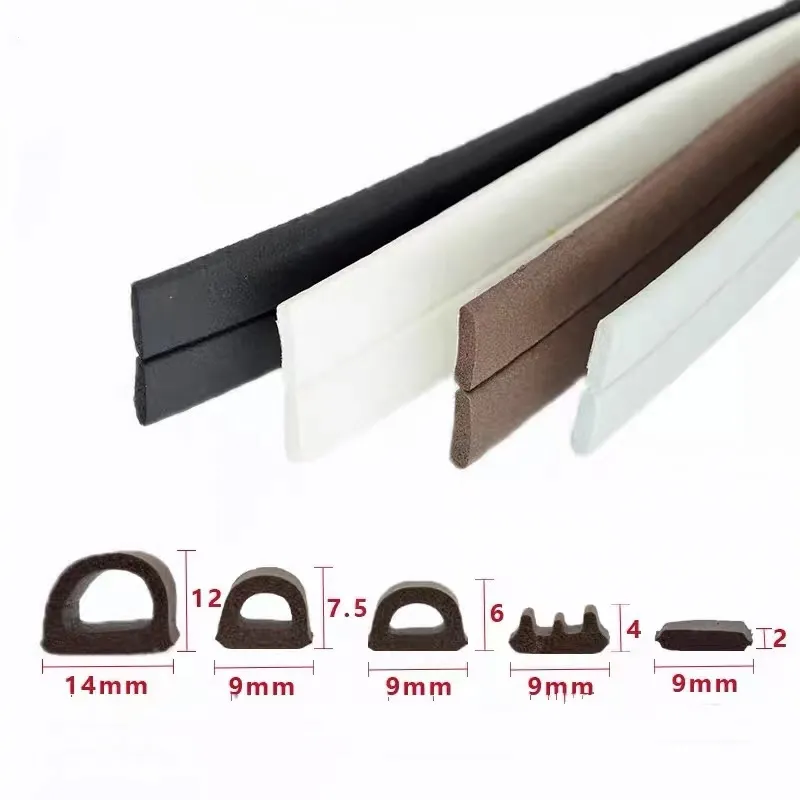
Figure 2: Advanced extrusion lines ensure precision and consistency in weather stripping production.
This meticulous process flow ensures that the final product, such as the `Universal Rubber Sealant For Lip Bumper Car Fender Flare Arch Trim`, consistently meets stringent performance criteria for specific applications like `car weather stripping` and `auto weather stripping`. The service life of such components can extend beyond 15-20 years in typical operational environments, depending on material choice and exposure conditions.
Application Scenarios Across Industries
The versatility of high-performance window weather stripping makes it indispensable across a multitude of industries. Its primary function is to create a robust seal against environmental ingress, vibration, and noise, ensuring operational efficiency and occupant comfort.
- Automotive Industry: Critical for sealing windows, doors (`weather stripping door bottom`), trunks, hoods, and fender flares. `Automotive weather stripping` is essential for noise reduction (NVH), preventing water and dust ingress, and maintaining cabin temperature. For example, the `Universal Rubber Sealant For Lip Bumper Car Fender Flare Arch Trim` is specifically designed for enhancing vehicle aerodynamics and protecting wheel well areas from debris, demonstrating specialized applications within `car weather stripping`.
- Construction & Architecture: Used extensively in building envelopes for windows, doors, curtain walls, and expansion joints. It ensures energy efficiency by preventing air and water leakage, contributing to lower heating and cooling costs in line with building energy codes.
- Marine & Aerospace: Essential for sealing hatches, windows, and access panels in boats, ships, and aircraft to withstand harsh environments, including saltwater, UV radiation, and extreme pressure differentials.
- HVAC & Refrigeration: Provides seals for ductwork, access panels, and freezer/refrigerator doors, maintaining temperature control and preventing condensation buildup.
- Industrial Enclosures & Equipment: Seals for electrical cabinets, control panels, and outdoor machinery, protecting sensitive components from dust, moisture, and chemical exposure.
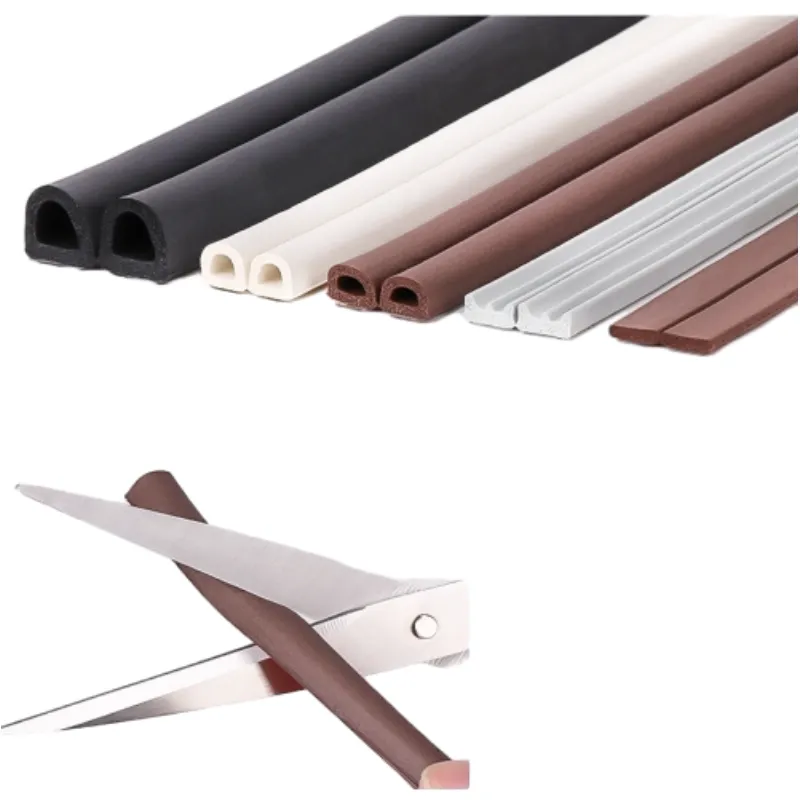
Figure 3: Precision-engineered seals are vital for comprehensive vehicle protection.
In these diverse contexts, the correct specification and installation of window weather stripping are crucial for operational integrity and long-term performance.
Technical Advantages and Performance Benefits
Investing in high-grade window weather stripping delivers a multifaceted return through superior technical advantages and long-term performance benefits.
- Exceptional Sealing Integrity: Precisely engineered profiles and material formulations ensure an airtight and watertight seal, preventing ingress of dust, moisture, and contaminants. This is critical for protecting sensitive electronics and maintaining clean environments.
- Enhanced Energy Efficiency: By mitigating air leakage and thermal bridging, high-performance weather stripping significantly reduces energy consumption for heating and cooling in buildings and vehicles. Studies show that effective sealing can reduce energy costs by 10-30% in residential and commercial structures.
- Noise, Vibration, and Harshness (NVH) Reduction: In automotive applications, specialized `auto weather stripping` dampens vibrations and absorbs sound, leading to a quieter and more comfortable cabin experience. This also applies to industrial machinery, where reducing operational noise is a health and safety benefit.
- Durability and Longevity: Engineered from robust materials like EPDM or Silicone, these seals offer superior resistance to UV radiation, ozone, extreme temperatures, and various chemicals, ensuring a prolonged service life even in harsh outdoor or industrial environments. This reduces the frequency of replacement and associated maintenance costs.
- Corrosion Resistance: By preventing moisture and corrosive agents from contacting metal components, weather stripping plays a vital role in inhibiting rust and galvanic corrosion, thereby extending the lifespan of the entire assembly, whether it's a vehicle body or an industrial housing.
- Improved Aesthetic and Fit-and-Finish: High-quality seals contribute to a premium look and feel, enhancing the overall product quality and customer satisfaction, particularly visible in `car weather stripping` applications.
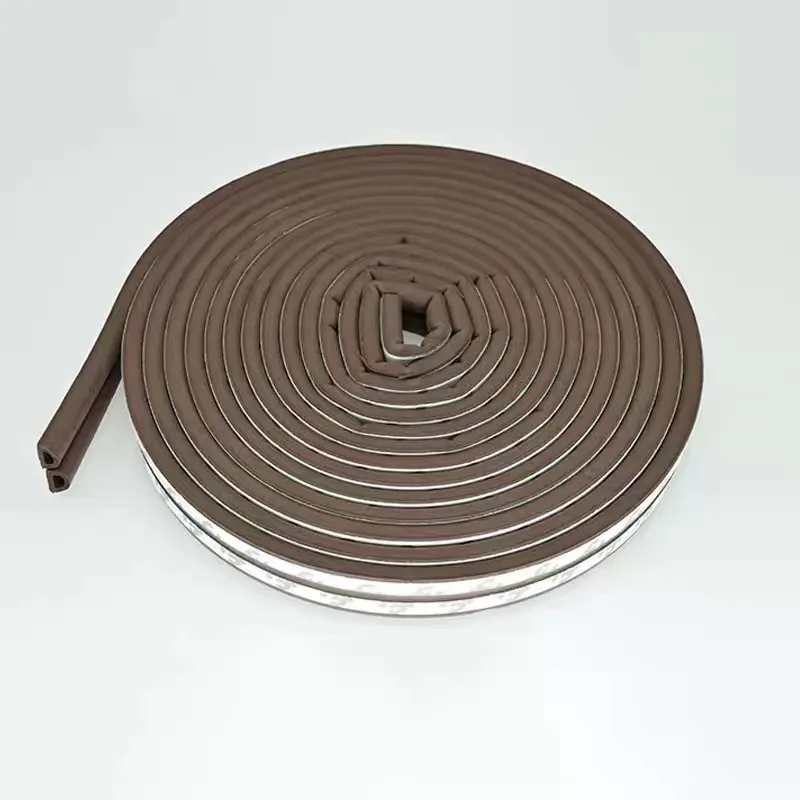
Figure 4: Durability under extreme conditions is a hallmark of advanced weather stripping.
These advantages underscore the critical importance of selecting engineered sealing solutions rather than generic alternatives, directly impacting operational performance, safety, and total cost of ownership.
Vendor Comparison: Evaluating Weather Stripping Suppliers
Choosing the right supplier for window weather stripping is crucial for ensuring product quality, consistency, and reliability. When evaluating vendors, B2B decision-makers and engineers should consider several key factors beyond just price.
Key Vendor Evaluation Criteria:
- Material Expertise: Does the vendor offer a wide range of materials (EPDM, Silicone, TPE, PVC) and possess deep knowledge of their application-specific performance?
- Manufacturing Capabilities: Are their processes (extrusion, co-extrusion, molding) precise and scalable? Do they employ advanced technologies like vision inspection systems?
- Quality Certifications: Look for ISO 9001, IATF 16949 (for automotive), or other relevant industry-specific certifications that demonstrate a commitment to quality management.
- Customization & R&D: Can they develop custom profiles and formulations to meet unique design challenges? A strong R&D department indicates innovation capability.
- Testing & Validation: Do they have in-house testing facilities for parameters like hardness, tensile strength, compression set, and environmental aging (UV, ozone)?
- Lead Times & Logistics: Evaluate their ability to meet production schedules and deliver globally.
- Technical Support & After-Sales Service: Availability of engineering support for design integration and problem-solving.
Comparison Table: Leading Weather Stripping Materials
| Feature | EPDM | Silicone | PVC | TPE |
|---|---|---|---|---|
| UV/Ozone Resistance | Excellent | Excellent | Good (with additives) | Good |
| Temperature Range (°C) | -40 to +120 | -60 to +230 | -20 to +60 | -50 to +120 |
| Compression Set | Good | Excellent | Fair | Good |
| Chemical Resistance | Good (acids/alkalis) | Excellent (most) | Good (oils/solvents) | Varies by type |
| Cost-Effectiveness | High | Very High | Low | Medium |
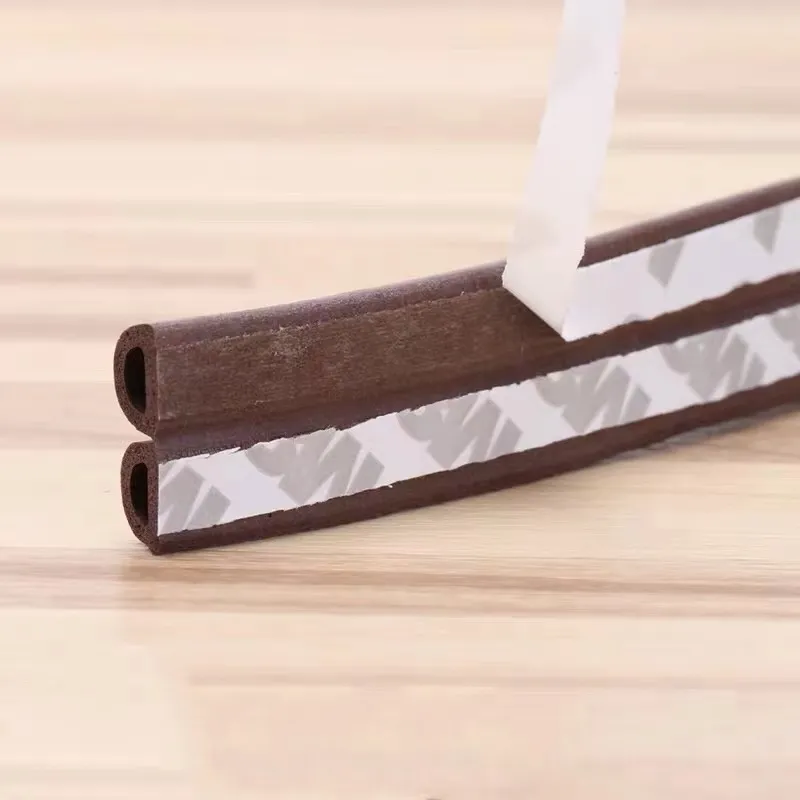
Figure 5: Custom profiles are essential for bespoke industrial applications.
A thorough vendor assessment ensures the procurement of optimal sealing solutions that align with project requirements and long-term performance objectives, whether for generic `weather stripping door bottom` or highly specialized `automotive weather stripping`.
Customized Sealing Solutions and Engineering Support
Many advanced industrial and automotive projects require more than off-the-shelf components. The ability to provide customized window weather stripping solutions is a significant differentiator for leading manufacturers. This includes:
- Tailored Material Formulations: Developing specific rubber compounds to meet unique chemical resistance, temperature, or mechanical property requirements.
- Complex Profile Design: Engineering custom cross-sections and geometries to integrate perfectly with specific component interfaces, often involving co-extrusion of multiple materials or embedded metal carriers.
- Integrated Functionality: Designing seals that incorporate additional features such as noise dampening cavities, drainage channels, or integral adhesive systems.
- Prototyping & Validation: Offering rapid prototyping services and comprehensive in-house testing to validate custom designs against application-specific performance criteria before mass production.
Effective engineering support, from initial concept development through to final production and installation guidance, is paramount. This collaborative approach ensures that the customized `auto weather stripping` or specialized industrial seal performs optimally under specified operating conditions, adhering to critical performance standards and enhancing overall system reliability.
Application Case Studies & Customer Successes
Real-world applications demonstrate the tangible benefits of high-performance window weather stripping.
Case Study 1: Automotive NVH Reduction
A leading luxury automotive manufacturer faced challenges with interior cabin noise and vibration intrusion at high speeds. Their existing `car weather stripping` for door and window seals provided insufficient acoustic dampening.
- Solution: We engineered a custom dual-durometer EPDM `automotive weather stripping` profile with an integrated hollow chamber design. The softer outer layer provided superior sealing, while the firmer base ensured secure attachment and improved structural integrity.
- Results: Post-implementation testing showed a 3dB reduction in cabin noise at 120 km/h, significantly improving the driving experience. Customer feedback highlighted a noticeable improvement in overall vehicle refinement and perceived quality. The specific product, similar to the `Universal Rubber Sealant For Lip Bumper Car Fender Flare Arch Trim`, also provided enhanced exterior protection.
Case Study 2: Energy Efficiency in Commercial Building Facades
A major commercial real estate developer sought to achieve LEED Platinum certification for a new high-rise office complex. A critical component was minimizing air infiltration and thermal transfer through the extensive glass facade.
- Solution: We supplied an advanced co-extruded TPE weather stripping system designed for curtain wall applications. This system incorporated a low-compression set core for consistent sealing pressure and a UV-stabilized outer layer for long-term weather resistance.
- Results: Blower door tests demonstrated air leakage rates significantly below industry standards, contributing to a 22% reduction in anticipated HVAC energy consumption compared to initial projections. The seals proved resilient over extensive environmental cycling tests, guaranteeing a long service life and reduced maintenance.
These cases exemplify how specialized sealing solutions directly contribute to improved product performance, energy savings, and enhanced end-user satisfaction. Our long-standing partnerships with global automotive OEMs and construction firms underscore our commitment to delivering authorized and reliable sealing technologies.
Frequently Asked Questions (FAQs)
- Q: How do I select the right material for my `auto weather stripping` application?
- A: Material selection depends on operating temperature range, chemical exposure, UV/ozone resistance, required hardness, and desired compression set properties. EPDM is excellent for general outdoor use, Silicone for extreme temperatures, PVC for cost-effectiveness and good abrasion, and TPEs for recyclability and flexible design. Our engineers can assist with tailored recommendations.
- Q: What testing standards do your products adhere to?
- A: Our products meet international standards such as ASTM D2000 (Standard Classification System for Rubber Products in Automotive Applications), ISO 3302 (Rubber—Dimensional Tolerances of Products), and various client-specific automotive (e.g., SAE, OEM standards) and construction standards. We also maintain ISO 9001 certification for our quality management system.
- Q: Can you provide custom profiles for unique `window weather stripping` designs?
- A: Absolutely. Customization is a core service. We specialize in designing and manufacturing custom extrusion dies to produce unique profiles, including complex co-extrusions, to precisely fit specific application requirements. Our engineering team works closely with clients from concept to production.
- Q: What is the typical service life of your weather stripping?
- A: Depending on the material, application, and environmental exposure, our weather stripping can have a service life ranging from 10 to over 20 years. EPDM and Silicone compounds are particularly known for their long-term durability in outdoor conditions. Regular maintenance checks can further extend their lifespan.
Lead Time, Warranty, and Customer Support
Lead Time & Fulfillment:
Our standard lead times for custom tooling and initial sample production typically range from 3-6 weeks, depending on complexity. Subsequent production orders for standard profiles generally have a lead time of 2-4 weeks. We operate a streamlined supply chain to ensure timely delivery, and for large-volume clients, we offer inventory management and just-in-time (JIT) delivery options to optimize logistics and reduce holding costs. Our global distribution network facilitates efficient fulfillment worldwide.
Warranty Commitments:
We stand behind the quality of our products. All our weather stripping products are supplied with a standard warranty against manufacturing defects. The specific duration and terms of the warranty depend on the product type and application, typically ranging from 1 to 5 years. Extended warranty options are available for specific projects, reflecting our confidence in the durability and performance of our engineered sealing solutions. Detailed warranty information is provided with each order or upon request.
Comprehensive Customer Support:
Our commitment extends beyond product delivery. We provide comprehensive technical support, including design consultation, material selection guidance, and installation recommendations. Our dedicated customer service team is available to assist with inquiries, order tracking, and any post-sales support requirements. We believe in building long-term partnerships through reliable service and expert advice, ensuring optimal performance of your `weather stripping door bottom` or any other specific sealing component.
Conclusion
Advanced window weather stripping is far more than a simple seal; it is a meticulously engineered component critical to the performance, efficiency, and longevity of a vast array of industrial and consumer products. By understanding the intricate manufacturing processes, technical specifications, and diverse application scenarios, businesses can make informed decisions that lead to significant operational advantages. The ongoing innovation in materials and manufacturing techniques promises even more robust and intelligent sealing solutions in the future. Partnering with a specialist manufacturer committed to quality, customization, and comprehensive support ensures that these essential components deliver optimal value and contribute effectively to project success.
References
- ASTM International. (2023). ASTM D2000: Standard Classification System for Rubber Products in Automotive Applications.
- International Organization for Standardization. (2022). ISO 3302: Rubber—Dimensional Tolerances of Products.
- National Institute of Building Sciences. (2020). Whole Building Design Guide: Air Barriers.
- SAE International. (2021). SAE J1962: Diagnostic Connector Equivalent to ISO/DIS 15031-3.
- Rubber Manufacturers Association. (2019). RMA Handbook: Elastomer Seals and Gaskets.
-
Understanding e3 edge banding tape price and Value FactorsNewsApr.16,2026
-
Premium Birch Edge Tape Guide for Professional Furniture FinishingNewsApr.09,2026
-
Comprehensive Guide to 2mm Edge Banding Tape for Furniture and CabinetryNewsApr.07,2026
-
Comprehensive Guide to Choosing the Right 18mm Edge Banding for Your ProjectsNewsApr.04,2026
-
Comprehensive Guide to Pre Glued Melamine Edging Applications and InstallationNewsMar.31,2026
-
Comprehensive Guide to Self Adhesive Edge Banding Tape Applications and SelectionNewsMar.28,2026
-
Comprehensive Guide to Wood Veneer Edging Strips for Furniture and Woodworking ProjectsNewsMar.26,2026