The global demand for effective sealing solutions is consistently driven by industries needing to prevent leaks, maintain pressure, and protect sensitive components. Within this landscape, the t type garage door bottom seal plays a crucial role in residential, commercial, and industrial settings. It’s more than just a strip of rubber; it’s a vital component in energy efficiency, security, and preventing damage from the elements.
The significance of a high-quality t type garage door bottom seal extends beyond simple functionality. It directly impacts building energy performance, reducing heating and cooling costs, and contributes to a more sustainable environment. Moreover, it safeguards against pests, water intrusion, and potential structural issues, enhancing the longevity and value of properties.
Understanding the nuances of these seals—their materials, installation techniques, and performance characteristics—is essential for homeowners, contractors, and building professionals alike. Choosing the right t type garage door bottom seal ensures optimal performance, cost-effectiveness, and long-term satisfaction.
Understanding the Importance of t type garage door bottom seal
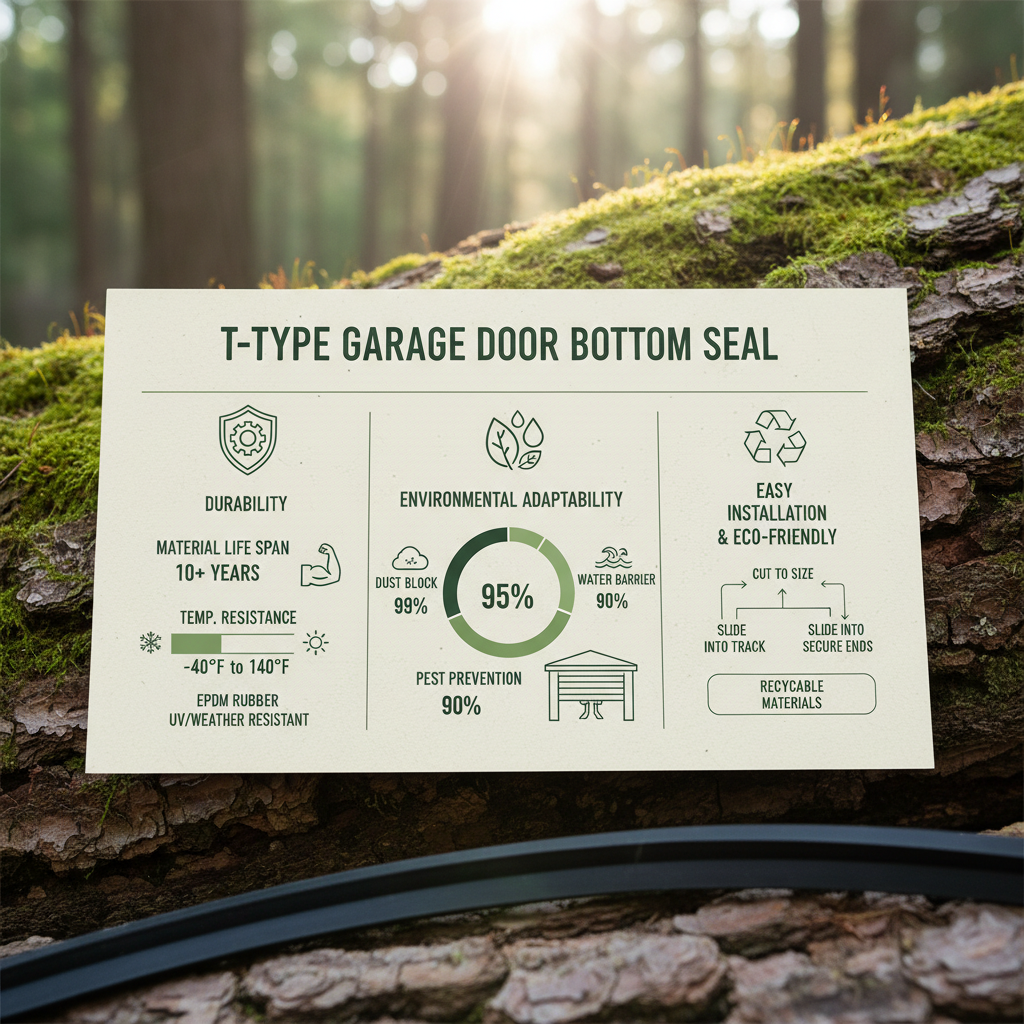
A t type garage door bottom seal is a critical component in protecting your garage and home from the elements. It forms a barrier against rain, snow, wind, dust, and even pests, significantly contributing to energy efficiency and a healthier indoor environment. Ignoring a worn or missing seal can lead to increased energy bills, water damage, and unwanted intrusions.
Properly installed t type garage door bottom seals also play a role in maintaining the structural integrity of the garage door itself, preventing potential damage caused by weather exposure and reducing the strain on the door’s operating mechanism. A well-sealed garage door improves the overall safety and security of your property.
FAQS
The lifespan of a t type garage door bottom seal varies depending on climate, usage, and material quality. However, as a general guideline, it's recommended to inspect the seal annually and replace it every 2-5 years. Signs of wear, such as cracks, brittleness, or gaps, indicate the need for replacement to maintain optimal performance and energy efficiency.
EPDM rubber is generally considered the best material for t type garage door bottom seals in cold climates. It remains flexible and resilient even at low temperatures, preventing cracking and ensuring a tight seal. Vinyl seals can become brittle in cold weather, reducing their effectiveness.
Minor tears or small sections of damage can sometimes be temporarily repaired with sealant or patching materials. However, for extensive damage or widespread wear, it’s typically more cost-effective and reliable to replace the entire seal. A complete replacement ensures consistent performance and prevents future issues.
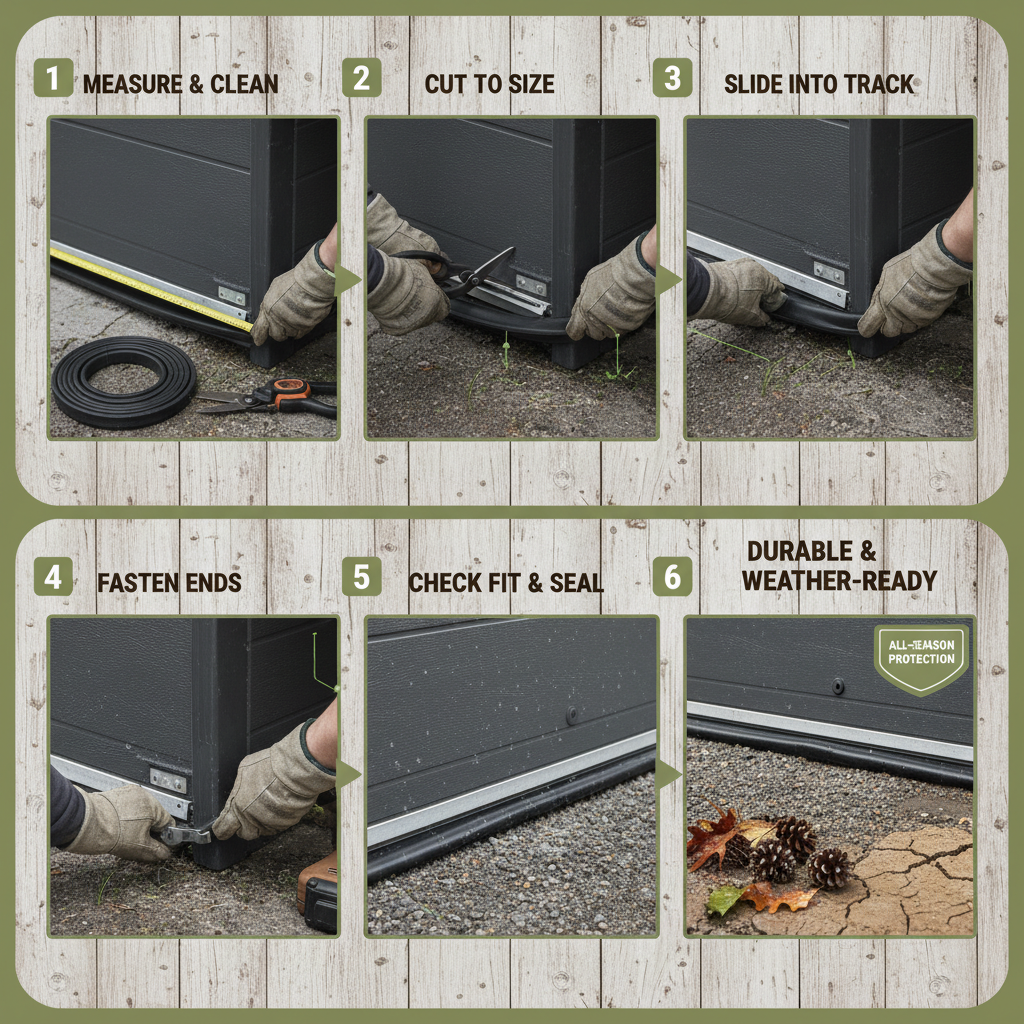
Installation is usually straightforward for DIYers with basic tools and skills. It typically involves removing the old seal and sliding the new seal into the retaining groove along the bottom of the garage door. However, ensuring a proper fit and secure attachment is crucial for optimal performance. If you're unsure, professional installation is recommended.
The “T” shape of the seal provides a larger surface area for sealing, offering better protection against drafts, water, and pests. It’s also more durable and resistant to compression than many other seal types, ensuring a longer lifespan and consistent performance. This design excels at adapting to uneven flooring.
By creating a tight seal between the garage door and the floor, a t type garage door bottom seal prevents air leakage, reducing the amount of energy needed to heat or cool the garage and the adjacent living spaces. This contributes to lower energy bills and a more comfortable home environment, lowering carbon emissions as a result.
Conclusion
In conclusion, the t type garage door bottom seal is a deceptively simple yet incredibly important component for any garage door system. Its ability to enhance energy efficiency, protect against the elements, improve security, and contribute to long-term durability makes it a valuable investment for homeowners and businesses. Understanding the factors that contribute to a high-performance seal – material quality, proper installation, and regular maintenance – is key to maximizing its benefits.
As technology advances, we can expect to see even more innovative sealing solutions emerge, incorporating sustainable materials and smart features. By staying informed about these developments and prioritizing quality, you can ensure that your garage door remains a reliable and efficient barrier for years to come. For all your sealing needs, visit our website: t type garage door bottom seal.
Related Posts
-

Effective under door bug stopper Solutions for Construction and Pest Control
-
Comprehensive Guide to Overhead Door Bottom Seals for Enhanced Efficiency
-
Optimizing Building Performance Through Effective Door Gap Bottom Solutions
-

Effective Solutions with Under the Door Draught Excluders for Home Comfort