Self adhesive door sweeps are essential components in modern building construction and maintenance, playing a crucial role in energy efficiency, noise reduction, and pest control. Globally, the demand for effective sealing solutions is driven by increasing energy costs, stricter building codes, and a growing awareness of sustainable practices. The simplicity of application offered by self-adhesive varieties has significantly broadened their appeal across both commercial and residential sectors, making them a popular choice for sealing gaps under doors and windows.
Within the rubber and plastics industry, specifically rubber sealing products, self adhesive door sweeps represent a significant market segment. The versatility of rubber materials – including EPDM, silicone, and neoprene – allows for the creation of sweeps that withstand diverse environmental conditions and provide long-lasting performance. The increasing demand for customized solutions tailored to specific door types and aesthetic preferences further fuels innovation in this area. Understanding the nuances of material selection and adhesive technology is paramount for manufacturers seeking to maintain a competitive edge.
The widespread adoption of self adhesive door sweeps highlights a broader trend toward DIY (Do-It-Yourself) solutions and ease of installation. This appeals to both property owners and maintenance professionals, reducing labor costs and minimizing disruption. The evolution of these products reflects a continuous pursuit of improved sealing performance, durability, and ease of use, contributing to overall building comfort and energy conservation.
The Significance of Self Adhesive Door Sweeps
Self adhesive door sweeps represent a simple yet highly effective solution to a common problem: gaps under doors that lead to energy loss, noise infiltration, and pest entry. Their impact extends beyond mere convenience, contributing significantly to building sustainability and occupant comfort. The ease of installation, coupled with their relatively low cost, makes them a highly accessible upgrade for both homeowners and building managers.
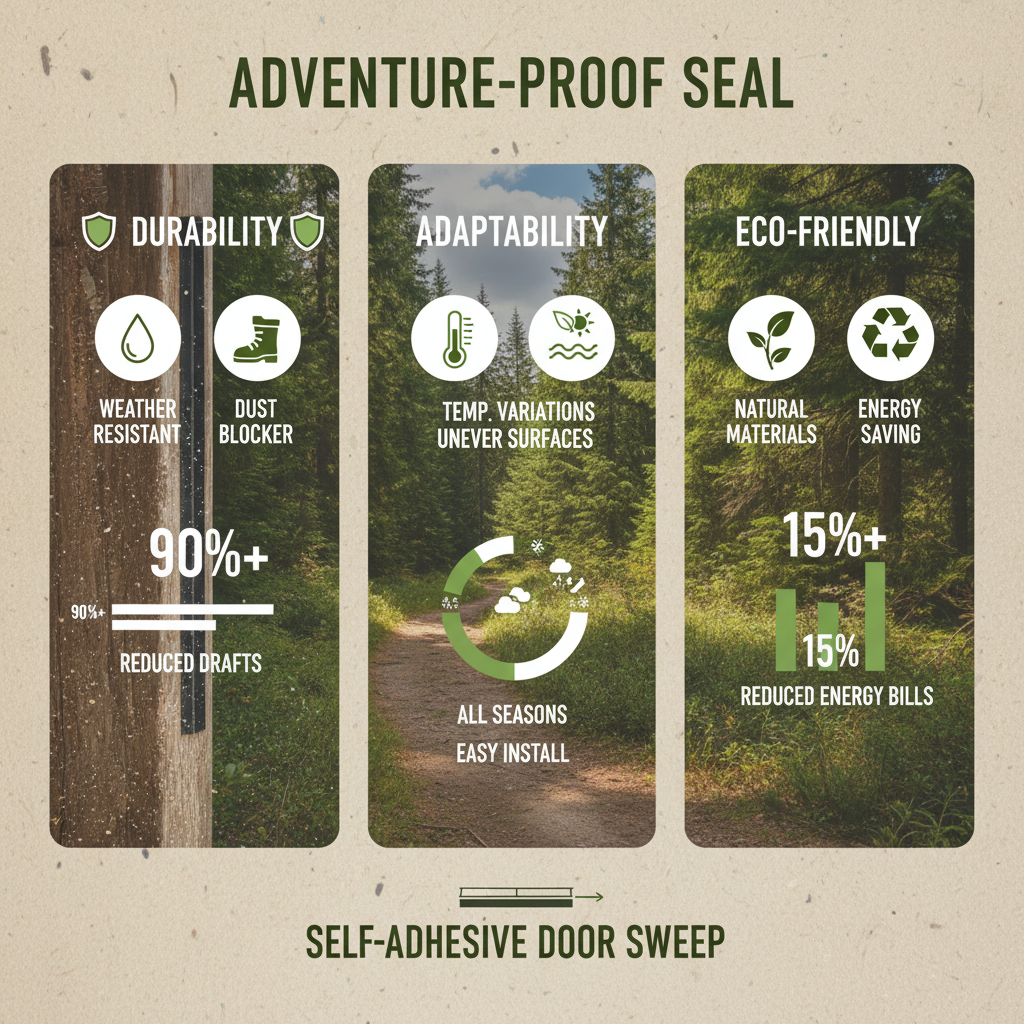
The increasing focus on energy conservation, driven by both environmental concerns and economic factors, has further elevated the importance of these sealing products. Well-installed self adhesive door sweeps can demonstrably reduce heating and cooling costs, creating a more efficient and comfortable indoor environment. This makes them a valuable component in achieving green building certifications and meeting increasingly stringent energy efficiency standards.
Defining Self Adhesive Door Sweeps
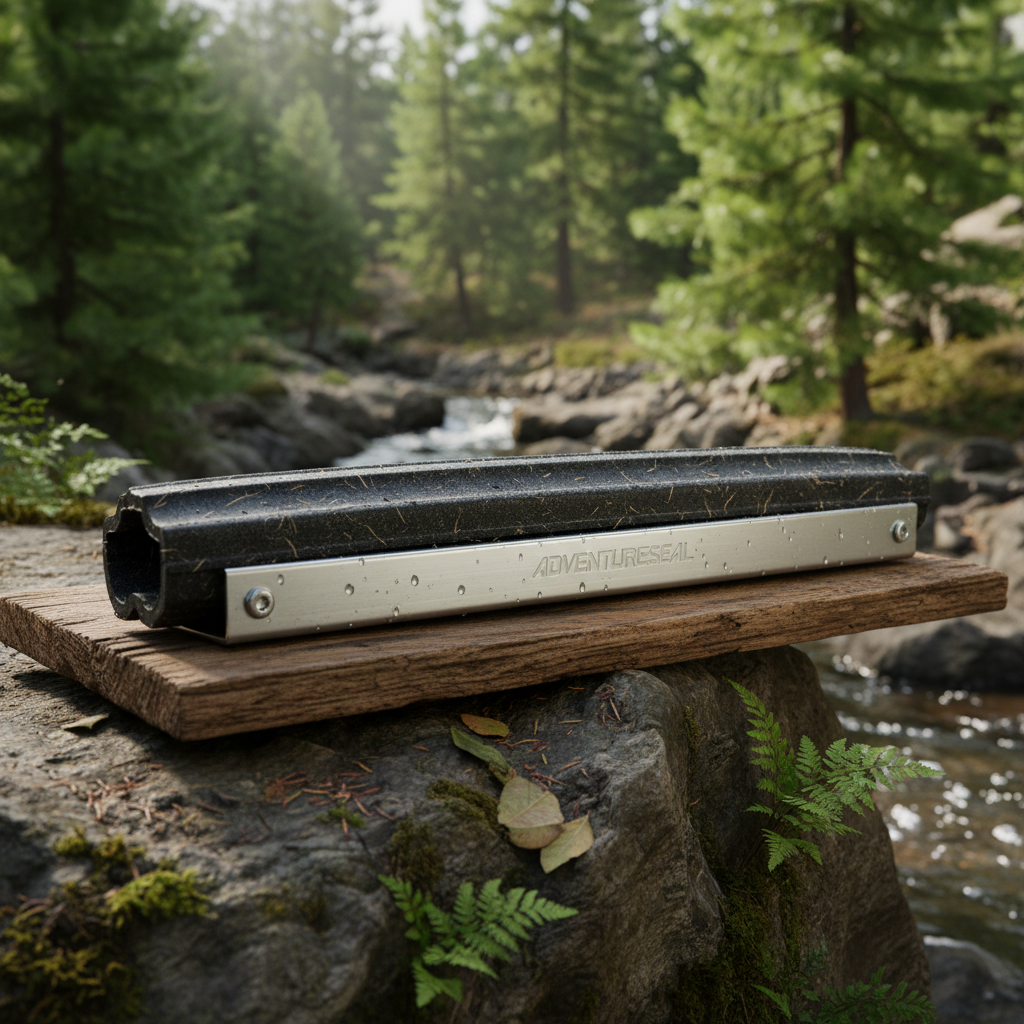
A self adhesive door sweep is a strip of flexible material, typically rubber or a rubber-like polymer, equipped with a pressure-sensitive adhesive backing. Designed to be applied directly to the bottom of a door, it creates a seal that prevents air, light, sound, and pests from passing through the gap between the door and the threshold. Unlike traditional door sweeps that require screws or nails, self-adhesive versions offer a quick and easy installation process.
This seemingly simple product draws upon advancements in adhesive technology and materials science. The adhesive must be strong enough to provide a secure, long-lasting bond, yet flexible enough to accommodate the movement of the door. The material of the sweep itself must be durable, weather-resistant, and capable of maintaining its shape and sealing properties over time.
The connection to modern industry lies in the manufacturing precision required for both the rubber extrusion and adhesive application. Furthermore, they contribute to humanitarian needs by contributing to climate control in shelters and improving living conditions, particularly in areas with harsh weather.
Key Factors Influencing Performance
Several key factors determine the effectiveness of a self adhesive door sweep. Material Quality is paramount; the rubber or polymer must resist compression set, UV degradation, and temperature extremes to maintain a consistent seal. Different materials, like EPDM for outdoor use or silicone for high temperatures, offer varying performance characteristics.
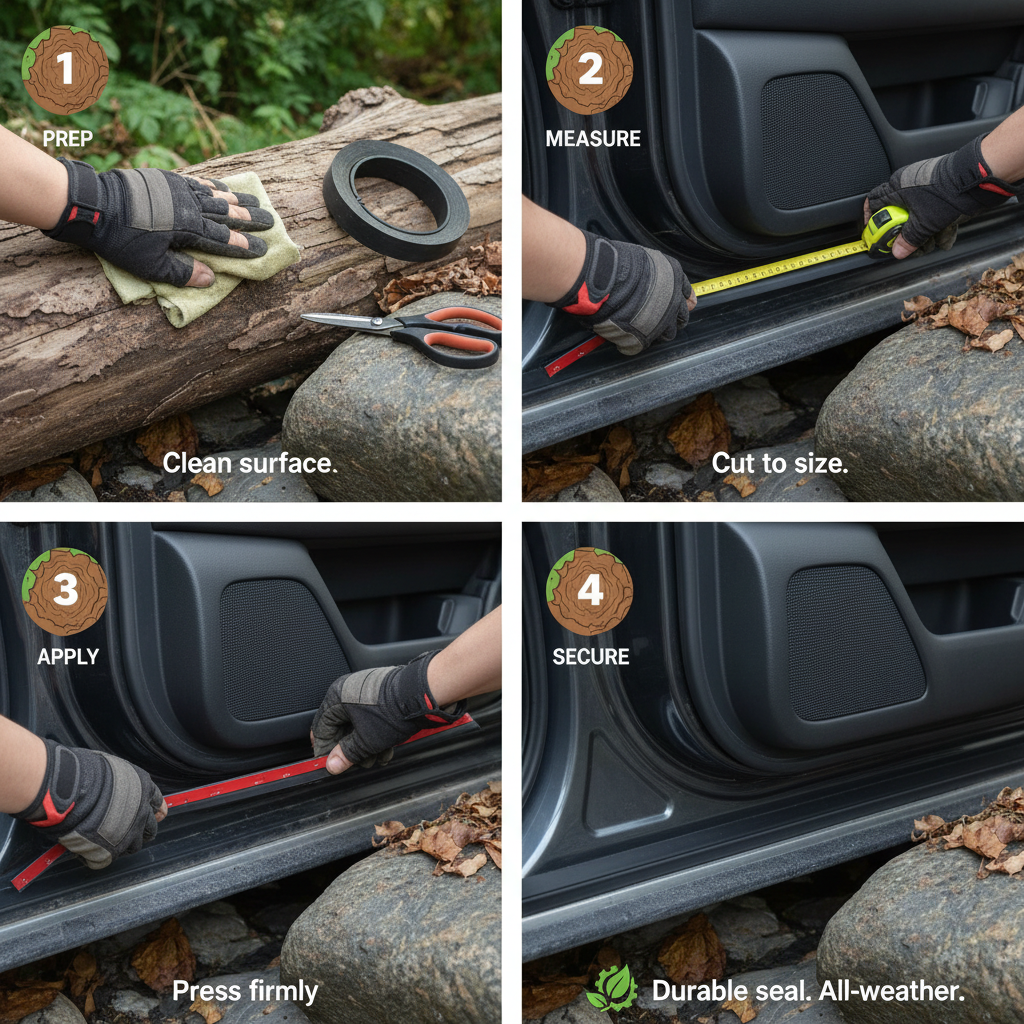
Adhesive Strength is equally critical. The adhesive must provide a secure bond to a variety of door surfaces, including wood, metal, and plastic, without peeling or losing its grip over time. The surface preparation is also vital – clean, dry surfaces are essential for optimal adhesion. A higher-quality adhesive can withstand repeated door opening and closing cycles.
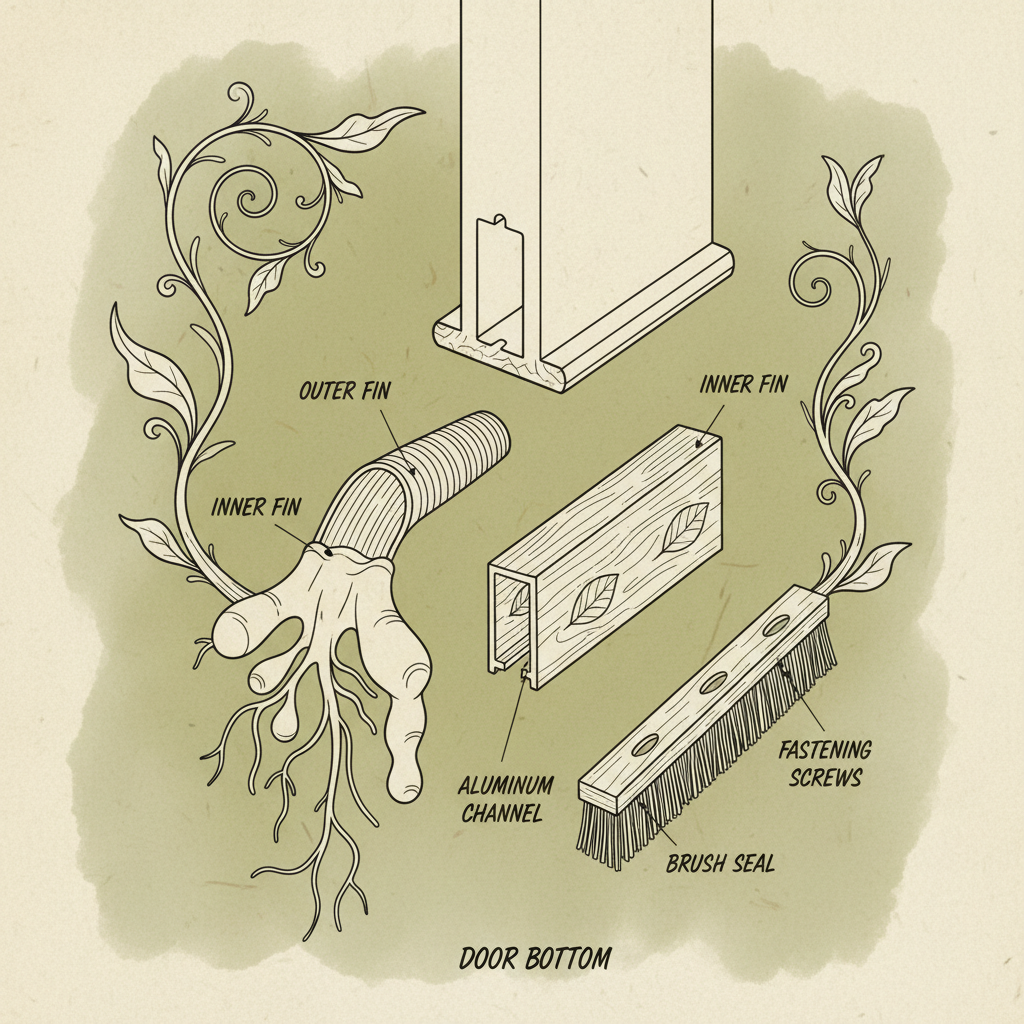
Sweep Design plays a role in how well the sweep conforms to uneven thresholds and maintains a tight seal. Variations in fin shape, height, and flexibility can impact performance. The length of the sweep must also be appropriately sized for the door width to ensure complete coverage. Durability also dictates the life span of the product.
Global Applications and Use Cases
Self adhesive door sweeps find applications across a wide range of settings, from residential homes to commercial buildings and industrial facilities. In residential settings, they are commonly used to seal exterior doors, interior doors, and garage doors, improving energy efficiency and reducing noise. Commercial applications include hotels, offices, and retail spaces where maintaining comfortable temperatures and reducing utility costs are priorities.
Industrially, self adhesive door sweeps are used in warehouses, factories, and manufacturing plants to seal loading dock doors, personnel doors, and access points. This helps to maintain clean environments, prevent contamination, and regulate temperature and humidity. In post-disaster relief operations, quickly deployed self adhesive door sweeps can provide temporary shelter sealing, offering improved comfort and protection for displaced populations.
Regions with extreme climates, such as those experiencing harsh winters or scorching summers, often see higher demand for effective sealing solutions. Countries with stringent building codes promoting energy efficiency, like those in the European Union, also drive increased adoption of self adhesive door sweeps. Even in remote industrial zones, their simple installation makes them a preferred choice.
Self Adhesive Door Sweep Performance Metrics
Advantages and Long-Term Value
The advantages of using self adhesive door sweeps are multifaceted. From a cost perspective, they are significantly more affordable than replacing entire doors or undertaking major weatherization projects. Their ease of installation also translates to labor savings, reducing the need for professional assistance. Beyond immediate cost benefits, they offer substantial long-term value through reduced energy consumption and lower utility bills.
The sustainability aspect is also noteworthy. By minimizing energy loss, these sweeps contribute to a smaller carbon footprint and promote environmentally responsible building practices. Moreover, the relative reliability of quality self adhesive door sweeps ensures long-lasting performance, reducing the need for frequent replacements. The emotional benefit lies in the peace of mind knowing that your home or building is better insulated and protected from the elements.
Future Trends and Innovations
The future of self adhesive door sweeps is likely to be shaped by several key trends. The development of more advanced adhesive technologies, such as those utilizing bio-based or recyclable materials, will further enhance the sustainability of these products. Integration with smart home systems, where sweeps can automatically adjust based on weather conditions or occupancy, is another potential avenue for innovation.
We can also anticipate greater customization options, allowing consumers to select sweeps that precisely match their door styles and aesthetic preferences. The growing emphasis on digital transformation in the manufacturing sector will likely lead to more efficient production processes and tighter quality control.
Challenges and Solutions
Despite their numerous benefits, self adhesive door sweeps can face certain challenges. Maintaining a strong bond over time, particularly in high-traffic areas or with certain door materials, can be an issue. Proper surface preparation is crucial, but often overlooked. Another challenge is the potential for the sweep to become damaged or worn over time, requiring replacement.
To address these challenges, manufacturers are focusing on developing more durable adhesives and robust sweep materials. Providing clear and concise installation instructions, along with recommendations for surface preparation, is also essential. Developing sweeps with replaceable sections or modular designs could extend their lifespan and reduce waste.
The future will likely see a greater emphasis on preventative maintenance strategies, helping customers to maximize the performance and longevity of their self adhesive door sweeps.
Summary of Self Adhesive Door Sweep Performance Characteristics
| Material Type |
Adhesive Strength (1-10) |
Durability Rating (1-10) |
Application Difficulty (1-10) |
| EPDM Rubber |
8 |
9 |
2 |
| Silicone Rubber |
7 |
7 |
3 |
| Neoprene Rubber |
9 |
8 |
2 |
| Polyurethane |
6 |
6 |
4 |
| PVC |
5 |
5 |
3 |
| Thermoplastic Elastomer (TPE) |
7 |
7 |
2 |
FAQS
The lifespan of a self adhesive door sweep depends on several factors, including the quality of the materials, the frequency of door usage, and the environmental conditions. Generally, a well-installed sweep using high-quality materials can last between 2 to 5 years. Regular cleaning and inspection can help extend its life, and replacing it when it shows signs of wear ensures continued effectiveness.
Yes, but it requires careful preparation. The carpet needs to be flattened and cleaned thoroughly to ensure a strong bond. You may need to use a slightly longer sweep to compensate for the carpet's thickness and ensure a complete seal. Consider using a utility knife to trim any excess sweep material after installation. Ensure the adhesive makes direct contact with the door surface.
Proper surface preparation is crucial for optimal adhesion. Start by cleaning the door surface with a degreasing cleaner to remove any dirt, dust, or grease. Then, dry the surface thoroughly. For painted surfaces, ensure the paint is fully cured. For particularly smooth surfaces, lightly sanding can improve adhesion. Avoid using abrasive cleaners or solvents that could damage the door finish.
Yes, self adhesive door sweeps can be used on metal doors, but it's important to select an adhesive that is specifically formulated for metal surfaces. The metal surface must be thoroughly cleaned and degreased to remove any oil or residue. Applying a primer specifically designed for metal can further enhance adhesion and ensure a long-lasting bond.
The effectiveness of self adhesive door sweeps in extreme temperatures depends on the material. Silicone and EPDM rubber sweeps are generally more resistant to both high and low temperatures than other materials. The adhesive used must also be temperature-resistant. Check the product specifications to ensure it is suitable for your climate.
If the sweep begins to peel, you can try re-adhering it using a stronger adhesive, such as construction adhesive or epoxy. Clean both surfaces thoroughly before applying the new adhesive. You may also consider using small screws or nails for added security, particularly if the door experiences heavy use. Preventative maintenance and proper initial installation can minimize peeling.
Conclusion
In conclusion, self adhesive door sweeps represent a cost-effective, easy-to-install, and highly beneficial solution for improving energy efficiency, reducing noise, and preventing pest intrusion. Their versatility and adaptability make them suitable for a wide range of applications, from residential homes to commercial and industrial facilities. The continued development of innovative materials and adhesive technologies will further enhance their performance and sustainability.
Looking ahead, proactive adoption of these sealing solutions is crucial for meeting increasingly stringent energy efficiency standards and promoting environmentally responsible building practices. We encourage you to explore the range of self adhesive door sweep products available and discover how they can contribute to a more comfortable, sustainable, and cost-effective environment.