Weather Stripping Door: Ultimate Seals for Energy & Protection
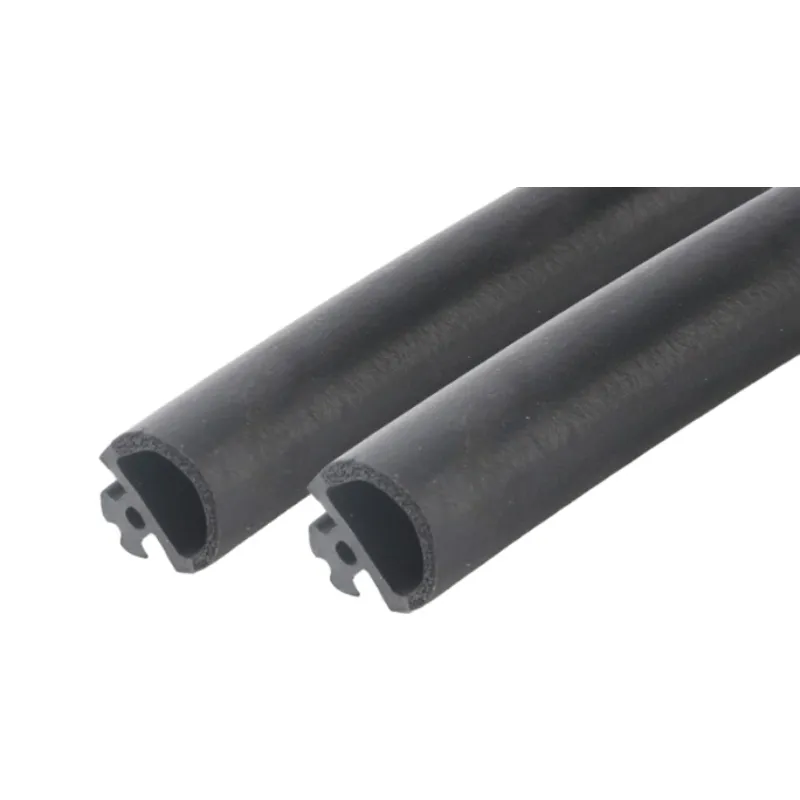
Understanding Advanced weather stripping door Solutions for B2B Applications
In the realm of industrial and commercial infrastructure, the efficacy of sealing solutions directly impacts operational efficiency, energy conservation, and structural integrity. High-performance weather stripping door technology is critical for mitigating environmental ingress, acoustic penetration, and thermal transfer across a diverse array of access points. This article delves into the technical intricacies, application benefits, and strategic considerations for deploying advanced sealing rubber strips in demanding B2B environments, focusing on the specialized requirements of modern industrial and commercial facilities.
Modern advancements in material science and manufacturing precision have elevated the role of these seemingly simple components, transforming them into sophisticated engineering solutions. From controlling indoor climates in commercial buildings to protecting sensitive equipment in manufacturing plants, the right sealing mechanism is paramount. We explore the lifecycle from raw material to final deployment, emphasizing the stringent quality controls and performance metrics that define industry-leading products.
Industry Trends and Market Dynamics for Sealing Solutions
The global market for industrial seals, including advanced weather stripping door products, is experiencing robust growth driven by increasing emphasis on energy efficiency, stringent environmental regulations, and the expansion of smart building technologies. Key trends include:
- Sustainable Materials: A growing demand for eco-friendly and recyclable materials in manufacturing, reducing the carbon footprint of products.
- Enhanced Performance: Development of seals offering superior resistance to extreme temperatures, UV radiation, chemical exposure, and ozone, extending service life in harsh environments.
- Customization and Modularity: Increasing requirement for tailored solutions that integrate seamlessly with specific door designs and operational parameters, particularly for garage door seal and garage door weatherstrips applications.
- Smart Building Integration: Future integration with IoT systems for real-time monitoring of seal integrity and performance, though still nascent for passive components like weather stripping.
- Automation in Installation: Solutions designed for easier, faster, and more reliable installation to reduce labor costs and ensure consistent application quality.
These trends underscore a shift towards more intelligent, durable, and environmentally conscious sealing solutions, making the selection of a high-quality door rubber seal a strategic decision for B2B entities.
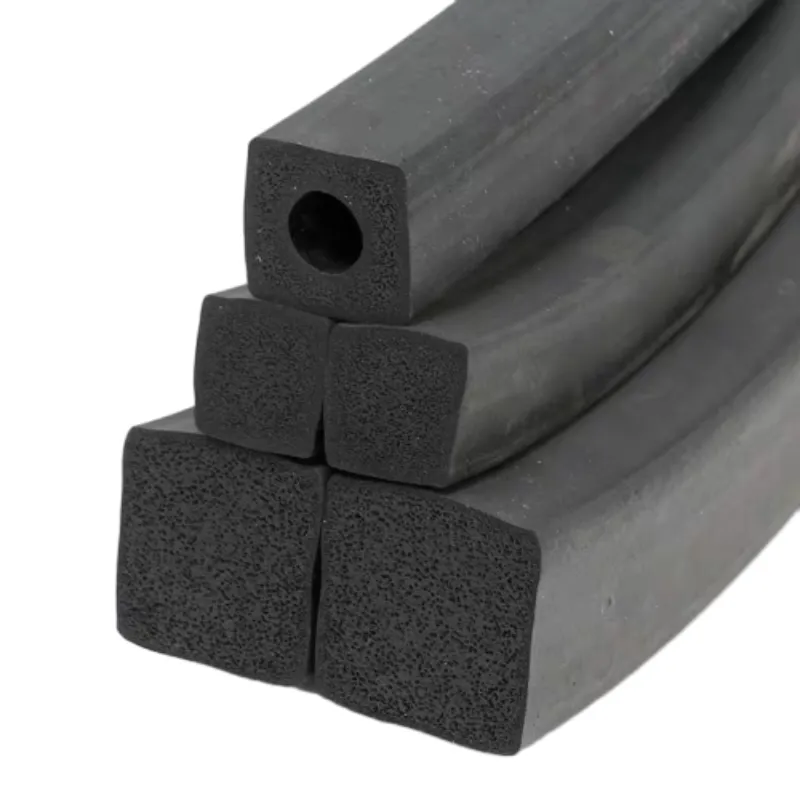
Manufacturing Process: Precision Engineering of Sealing Rubber Strips
The production of high-performance sealing rubber strips, including those used as weather stripping door components, involves a meticulously controlled process designed to achieve specific material properties and dimensional accuracy. The core process typically includes material formulation, extrusion or molding, curing, and rigorous quality control.
Process Flow:
- Material Compounding: Raw polymer materials (e.g., EPDM, Silicone, PVC, Neoprene) are carefully selected based on application requirements for resilience, temperature resistance, chemical inertness, and UV stability. These are mixed with fillers, plasticizers, curing agents, and colorants in precise ratios to achieve the desired compound properties. This stage is critical for the long-term performance of the weather stripping door.
- Extrusion: The compounded rubber is fed into an extruder, where it is heated and forced through a die to create a continuous profile matching the required cross-section of the sealing strip. This process ensures consistent dimensions and surface finish. For complex profiles, multi-durometer extrusion might be employed.
- Molding (for complex shapes): For intricate shapes or specific end-piece designs, compression molding or injection molding techniques are utilized. This allows for the creation of precise components such as corner seals for garage door bottom seal applications, ensuring a perfect fit.
- Curing (Vulcanization): The extruded or molded rubber profile undergoes vulcanization in a continuous curing oven or autoclave. This heat treatment chemically cross-links the polymer chains, transforming the material from a plastic state into a durable, elastic rubber with enhanced physical properties, including resilience and permanent set resistance.
- Cutting and Finishing: After curing, the continuous profiles are cut to specified lengths. Additional finishing operations, such as drilling, punching, or applying adhesive backing, may be performed based on customer requirements for garage door seal integration.
- Quality Control and Testing: Each batch undergoes rigorous testing to ensure compliance with industry standards such as ISO 9001, ASTM, and specific client specifications. Tests include dimensional accuracy, hardness (Shore A), tensile strength, elongation at break, compression set, specific gravity, and environmental aging tests (e.g., ozone resistance, UV stability, temperature cycling).
The materials typically used, such as EPDM, offer excellent resistance to weathering, ozone, and UV radiation, making them ideal for long service life, often exceeding 10-15 years in typical outdoor conditions. Target industries include construction, automotive, HVAC, cold storage, and marine applications, where robust door rubber seal solutions are paramount.
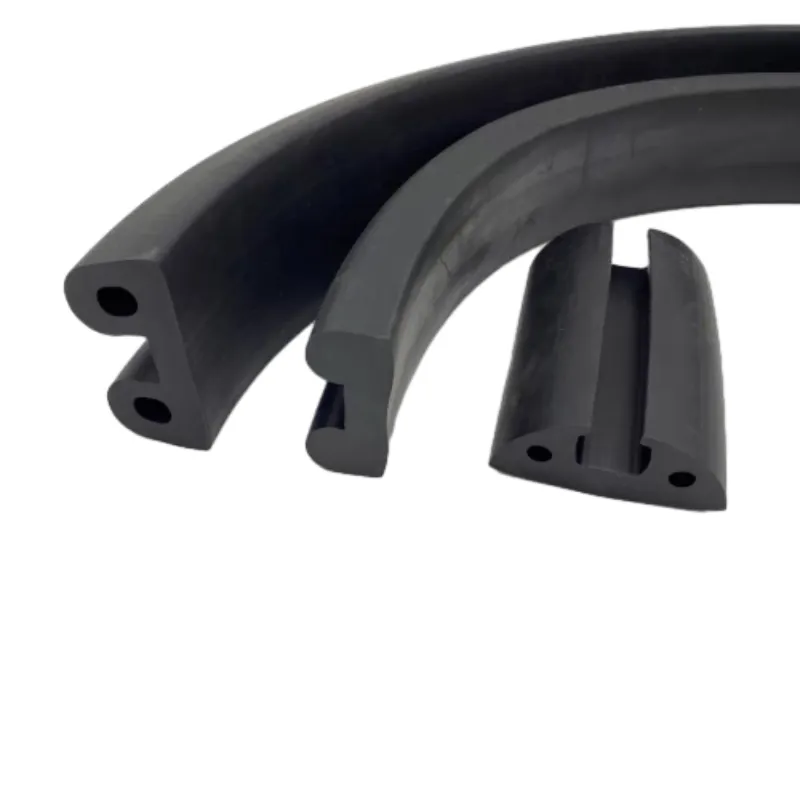
Technical Specifications and Performance Parameters
Selecting the appropriate weather stripping door requires a thorough understanding of its technical specifications. These parameters dictate the seal's performance, durability, and suitability for specific environments. Key parameters for a high-quality sealing rubber strip are outlined below:
Typical Product Specification Table: Sealing Rubber Strip (EPDM)
| Parameter | Standard (e.g., ASTM) | Typical Value / Range |
|---|---|---|
| Material Type | ASTM D1418 | EPDM (Ethylene Propylene Diene Monomer) |
| Hardness (Shore A) | ASTM D2240 | 60 ± 5 |
| Tensile Strength | ASTM D412 | ≥ 10 MPa (1450 psi) |
| Elongation at Break | ASTM D412 | ≥ 300% |
| Compression Set (22h @ 70°C) | ASTM D395B | ≤ 25% |
| Temperature Range (Operating) | - | -40°C to +120°C (-40°F to +250°F) |
| Ozone Resistance | ASTM D1171 (100 pphm) | Excellent (No cracking) |
| UV Resistance | ASTM G154 | Excellent |
| Water Absorption (70h @ 100°C) | ASTM D471 | ≤ 5% |
These specifications ensure that the garage door bottom seal can withstand the rigors of its intended environment, providing a reliable barrier against external elements and maintaining thermal integrity.
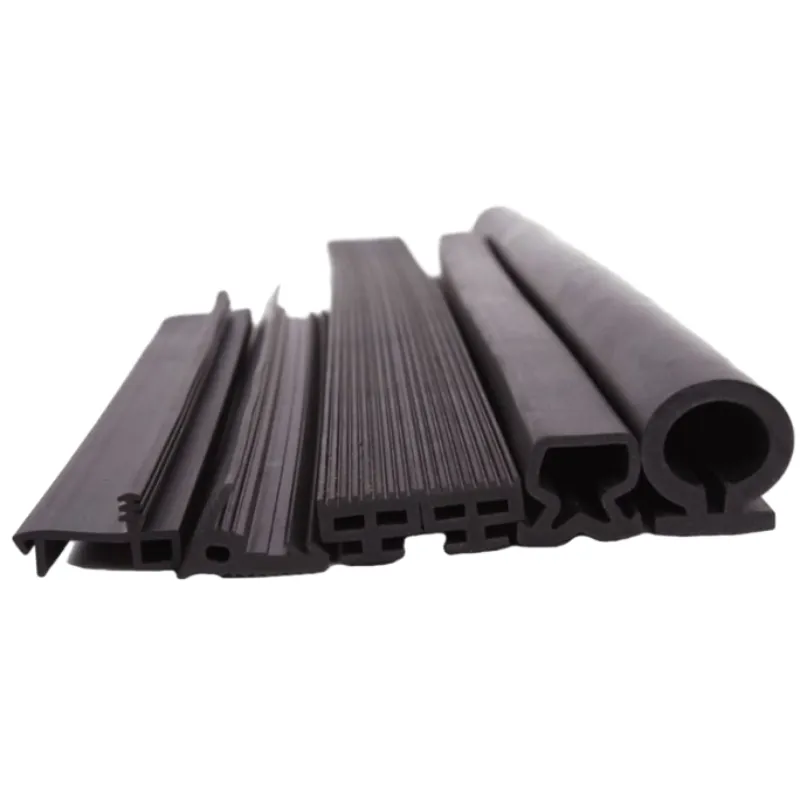
Application Scenarios and Technical Advantages
The versatile nature of high-quality sealing rubber strips makes them indispensable across numerous industrial and commercial applications. Their primary function is to create a robust barrier, delivering significant operational and economic advantages.
Key Application Scenarios:
- Industrial Facilities: Used on loading dock doors, cold storage doors, cleanroom entrances, and machinery access panels to maintain specific environmental conditions, prevent dust/contaminant ingress, and enhance safety. Critical for garage door weatherstrips on industrial overhead doors.
- Commercial Buildings: Applied to entrance doors, emergency exits, and service access points to improve energy efficiency, reduce noise pollution, and comply with building codes. A well-installed weather stripping door can significantly reduce HVAC load.
- Automotive and Transportation: Seals for truck and trailer doors, railway carriage doors, and specialized vehicle compartments, protecting cargo and internal systems from weather, vibration, and dust.
- HVAC Systems: Integrated into air handling units and ductwork access panels to prevent air leakage, maintaining system efficiency and indoor air quality.
- Marine Applications: Used on boat hatches, cabin doors, and storage compartments to provide watertight seals, resisting saltwater corrosion and harsh marine environments.
Technical Advantages:
- Energy Efficiency: By minimizing air infiltration and exfiltration, these seals significantly reduce heating and cooling losses, leading to substantial energy cost savings. This is a primary advantage for any garage door seal.
- Corrosion and Chemical Resistance: Utilizing materials like EPDM provides excellent resistance to a wide range of chemicals, ozone, and UV radiation, ensuring longevity even in aggressive industrial atmospheres.
- Noise Reduction: Effective sealing provides acoustic insulation, crucial for environments requiring noise control, such as offices adjacent to factory floors or residential areas near commercial facilities.
- Dust and Contaminant Control: Forms an impenetrable barrier against dust, moisture, insects, and other environmental contaminants, essential for cleanrooms, food processing plants, and sensitive manufacturing operations.
- Enhanced Safety and Security: A well-sealed door can deter unauthorized entry and improve fire safety by compartmentalizing smoke and flames more effectively.
- Extended Equipment Life: Protecting internal mechanisms from environmental exposure reduces wear and tear, prolonging the service life of door hardware and automation systems.
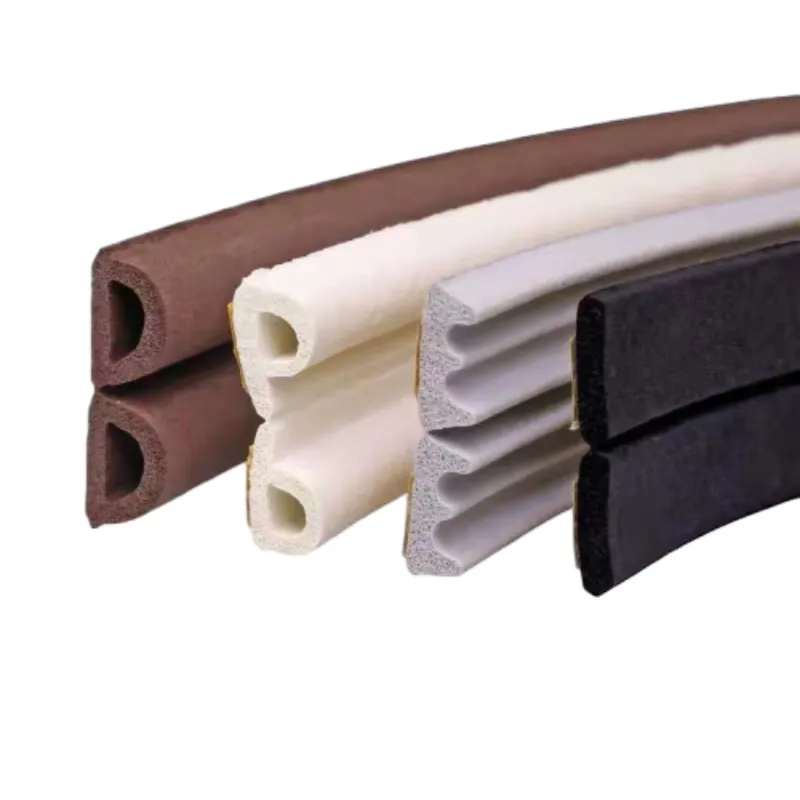
Vendor Comparison and Customization Capabilities
When sourcing weather stripping door solutions, B2B decision-makers must consider not only product specifications but also the capabilities of potential vendors. A comprehensive comparison often involves assessing material expertise, manufacturing precision, customization flexibility, and post-sales support.
Key Factors for Vendor Evaluation:
- Material Science Expertise: Ability to recommend and formulate the optimal rubber compound (e.g., EPDM, Silicone, PVC, TPE) for specific operational temperatures, chemical exposures, and mechanical stresses.
- Manufacturing Precision: Use of advanced extrusion and molding technologies, adherence to strict dimensional tolerances, and consistent quality control processes (e.g., ISO 9001 certified).
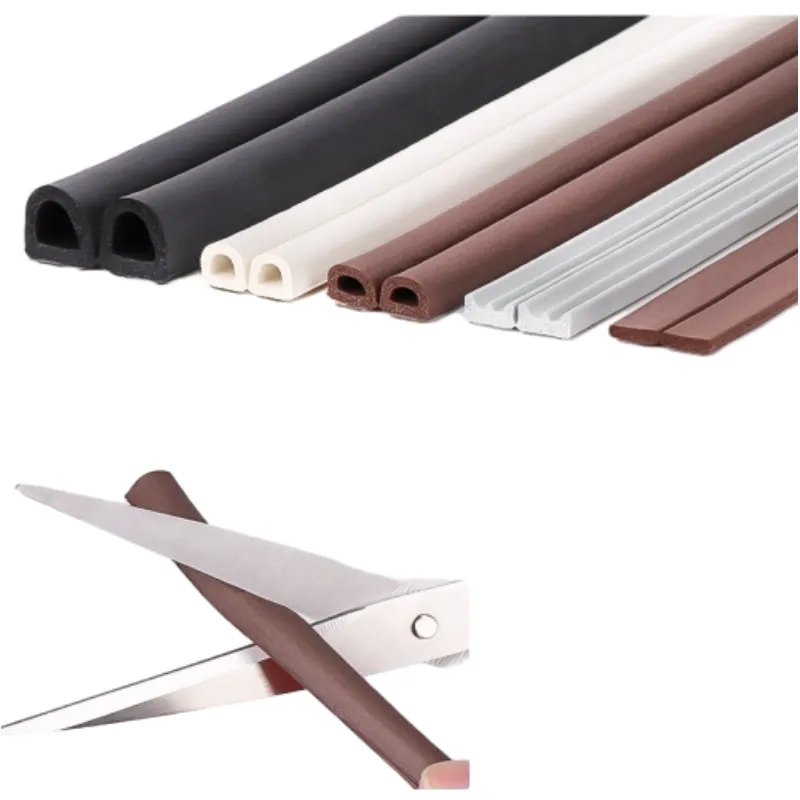
- Customization Capabilities: Offering a wide range of standard profiles and the ability to design and produce custom profiles based on unique door dimensions, gap sizes, and functional requirements. This includes custom garage door weatherstrips.
- Testing and Certification: Provision of comprehensive test reports (ASTM, REACH, RoHS compliance) and product certifications, ensuring compliance with industry standards and safety regulations.
- Technical Support: Availability of engineering support for design integration, material selection, and troubleshooting throughout the project lifecycle.
- Lead Times and Logistics: Efficient production schedules and reliable global logistics for timely delivery, especially for large-scale or international projects.
Customized Solutions for Complex Projects:
Many B2B applications require more than off-the-shelf solutions. Customization in a door rubber seal can involve:
- Profile Design: Engineering unique cross-sectional shapes to perfectly match door frames, gaps, or mounting channels, ensuring maximum sealing efficiency. This is particularly relevant for specialized garage door bottom seal designs.
- Material Blends: Developing bespoke rubber compounds to achieve specific performance characteristics, such as enhanced flame retardancy, anti-microbial properties, or resistance to niche chemicals.
- Adhesive Backing: Applying specialized pressure-sensitive adhesives (PSAs) for specific substrates (e.g., metal, wood, composite) and environmental conditions, ensuring secure and lasting attachment.
- Color Matching: Custom color formulations for aesthetic integration or compliance with branding guidelines in commercial spaces.
- Integrated Features: Incorporating additional elements like internal reinforcing wires for structural stability or dual-durometer materials for combined sealing and cushioning properties.
Real-World Application Case Studies
The practical impact of superior weather stripping door solutions is best illustrated through real-world applications where these components deliver measurable improvements.
Case Study 1: Cold Storage Facility Energy Optimization
A large food distribution center operating multiple sub-zero cold storage units faced significant energy losses due to ineffective door seals on their high-traffic freezer doors. The existing PVC seals had degraded, leading to ice buildup and increased compressor run times. Our client replaced these with custom-engineered EPDM weather stripping door profiles designed for extreme low temperatures and high elasticity.
- Solution: High-performance EPDM seal with a dual-durometer design for optimal flexibility and sealing pressure at -30°C.
- Results: Post-installation analysis showed a 22% reduction in energy consumption for the affected cold rooms within the first six months. The durable EPDM material eliminated ice formation, significantly reducing maintenance frequency and extending the lifespan of the garage door seal.
Case Study 2: Noise Abatement in Commercial Office Complex
A new commercial office building situated near a busy urban intersection experienced elevated internal noise levels, impacting tenant comfort and productivity. The standard door seals provided inadequate acoustic insulation for both exterior entrance doors and interior office doors.
- Solution: Implementation of specialized dense rubber door rubber seal profiles with multi-chamber designs, specifically tailored for acoustic dampening. This included upgraded garage door weatherstrips for service entrances.
- Results: Sound transmission loss (STL) measurements confirmed an average improvement of 8 dB across critical entry points. Tenant feedback reported a marked improvement in office tranquility and reduced distractions, enhancing the building's appeal and lease rates.
Case Study 3: Enhanced Durability for Agricultural Equipment Sheds
A large agricultural enterprise frequently replaced garage door bottom seal strips on its machinery sheds due to premature degradation from UV exposure, dust, and rodent activity. The original seals, made from standard rubber, failed rapidly in the harsh outdoor environment.
- Solution: Installation of heavy-duty EPDM weather stripping door with an integrated metal or fabric reinforcement layer for enhanced tear resistance and UV stabilization.
- Results: The new seals demonstrated a projected lifespan three times longer than previous solutions, drastically reducing replacement costs and downtime. The improved seal also provided superior protection against dust and moisture, preserving valuable farm equipment from environmental damage.
Frequently Asked Questions (FAQ)
A: Our EPDM-based weather stripping door solutions typically offer a service life of 10-15 years under normal operating conditions, owing to their excellent resistance to UV, ozone, and extreme temperatures. Service life can vary based on specific application severity and material choice.
A: Yes, our manufacturing processes are ISO 9001 certified, and our products meet or exceed relevant ASTM standards. We can also provide materials compliant with REACH and RoHS directives upon request for specific door rubber seal applications.
A: Lead times for custom orders typically range from 4-6 weeks, depending on the complexity of the profile, material selection, and current production schedules. Standard profiles are often available with shorter lead times, usually 2-3 weeks. We prioritize efficient fulfillment to meet project deadlines.
A: We provide a standard 5-year warranty against manufacturing defects and material failures under normal use conditions for our garage door seal products. Extended warranties may be available for specific high-volume projects.
A: Our commitment extends beyond delivery. We offer comprehensive after-sales support, including installation guidance, troubleshooting, and expert advice on maintenance to ensure optimal performance of your garage door weatherstrips throughout their lifespan. Our technical team is available for consultation.
Conclusion: Investing in Superior Sealing Technology
The strategic implementation of high-quality weather stripping door solutions is a pivotal decision for any B2B entity focused on operational excellence, energy efficiency, and long-term asset protection. From robust material selection and precision manufacturing to tailored design and comprehensive after-sales support, the value derived from superior sealing technology is profound and quantifiable.
By partnering with a vendor committed to rigorous quality standards, continuous innovation, and customer-centric customization, businesses can optimize their infrastructure, reduce operational costs, and secure a competitive advantage in an increasingly demanding industrial landscape. The choice of a reliable garage door bottom seal directly translates into enhanced safety, reduced maintenance, and improved environmental control, delivering a significant return on investment.
References
- ASTM International. (2023). Standard Test Methods for Rubber Property – Compression Set. ASTM D395.
- International Organization for Standardization. (2015). Quality management systems – Requirements. ISO 9001:2015.
- U.S. Department of Energy. (2022). Weatherstripping and Caulking: Reducing Air Leaks. Energy.gov.
- Smith, J. A., & Johnson, L. R. (2020). "Advanced Polymer Composites for Industrial Sealing Applications." Journal of Materials Science and Engineering, 12(3), 187-201.

-
Understanding e3 edge banding tape price and Value FactorsNewsApr.16,2026
-
Premium Birch Edge Tape Guide for Professional Furniture FinishingNewsApr.09,2026
-
Comprehensive Guide to 2mm Edge Banding Tape for Furniture and CabinetryNewsApr.07,2026
-
Comprehensive Guide to Choosing the Right 18mm Edge Banding for Your ProjectsNewsApr.04,2026
-
Comprehensive Guide to Pre Glued Melamine Edging Applications and InstallationNewsMar.31,2026
-
Comprehensive Guide to Self Adhesive Edge Banding Tape Applications and SelectionNewsMar.28,2026
-
Comprehensive Guide to Wood Veneer Edging Strips for Furniture and Woodworking ProjectsNewsMar.26,2026