Window Weather Stripping: Seal Drafts, Save Energy & Money
Industry Trends and the Critical Role of Sealing Solutions
In the contemporary landscape of building construction and automotive design, the demand for enhanced energy efficiency, superior acoustic insulation, and robust environmental protection has never been more pronounced. This exigency underscores the indispensable role of advanced sealing solutions, particularly window weather stripping. This crucial component serves as a barrier against air, moisture, dust, and noise infiltration, directly impacting operational costs, occupant comfort, and structural longevity.
Current industry trends indicate a significant push towards sustainable building practices and electric vehicle (EV) advancements, both of which necessitate high-performance sealing materials. The market for weather stripping, including specialized applications like weather stripping door bottom seals and various forms of automotive weather stripping, is projected for substantial growth. According to recent market analysis, the global weatherstripping market is anticipated to reach approximately $13.5 billion by 2028, driven by stringent energy codes, the increasing adoption of smart building technologies, and consumer demand for quieter, more efficient environments. Manufacturers are continually innovating, focusing on advanced elastomeric compounds and profile designs to meet evolving performance requirements.
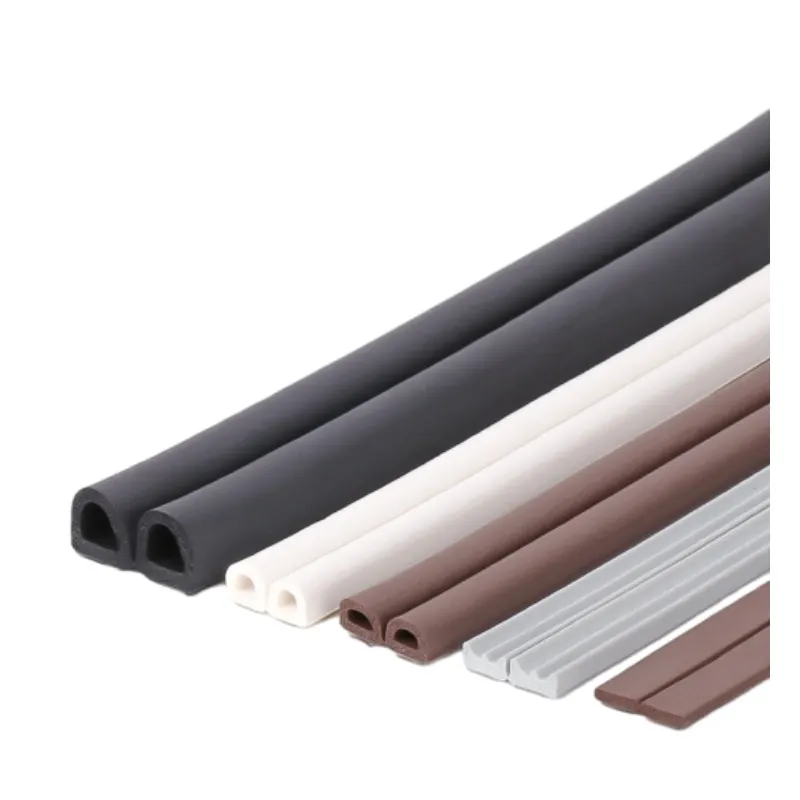
The Manufacturing Process of High-Performance Sealing Solutions
The production of high-quality window weather stripping is a sophisticated process demanding precision engineering and material science expertise. The goal is to create seals that offer exceptional durability, flexibility, and resistance to environmental degradation.
Process Flow Overview:
- Material Selection and Compounding: The foundation of effective weather stripping lies in the choice of elastomeric materials. Common choices include Ethylene Propylene Diene Monomer (EPDM) rubber, Silicone rubber, Thermoplastic Elastomers (TPE), and Polyvinyl Chloride (PVC). EPDM is favored for its excellent resistance to ozone, UV radiation, and extreme temperatures, while Silicone offers superior flexibility across a broad temperature range and enhanced chemical inertness. Raw polymers are compounded with curatives, fillers (e.g., carbon black, silica), plasticizers, and processing aids to achieve desired physical properties like durometer hardness, tensile strength, and compression set resistance.
-
Extrusion: The compounded material is fed into an extruder, where it is heated and forced through a die to create the desired profile. This process allows for continuous production of complex shapes, such as hollow profiles, bulb seals, or flap designs.
Schematic Step: Polymer -> Hopper -> Extruder Barrel (Heating/Mixing) -> Die -> Profile
- Curing (Vulcanization): For thermoset rubbers like EPDM and Silicone, the extruded profile undergoes vulcanization. This chemical process forms cross-links between polymer chains, transforming the material from a plastic-like state into a durable, elastic rubber with enhanced mechanical properties and temperature resistance. Curing methods include hot air ovens, salt baths, or microwave systems.
- Cooling and Sizing: After curing, the weather stripping is carefully cooled to stabilize its dimensions and prevent distortion. Precision cutting equipment then cuts the continuous profile into specified lengths.
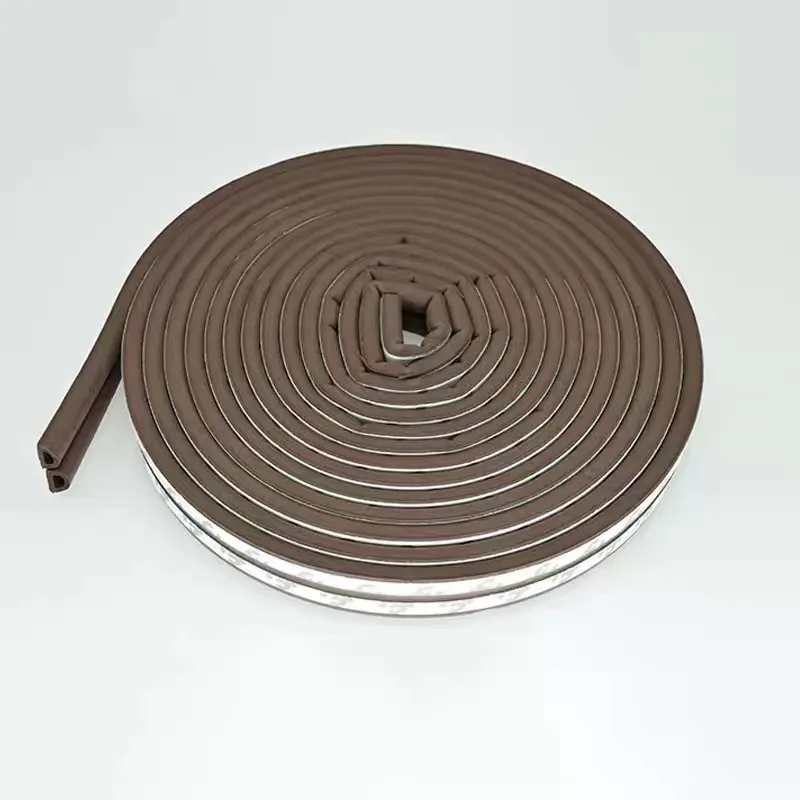
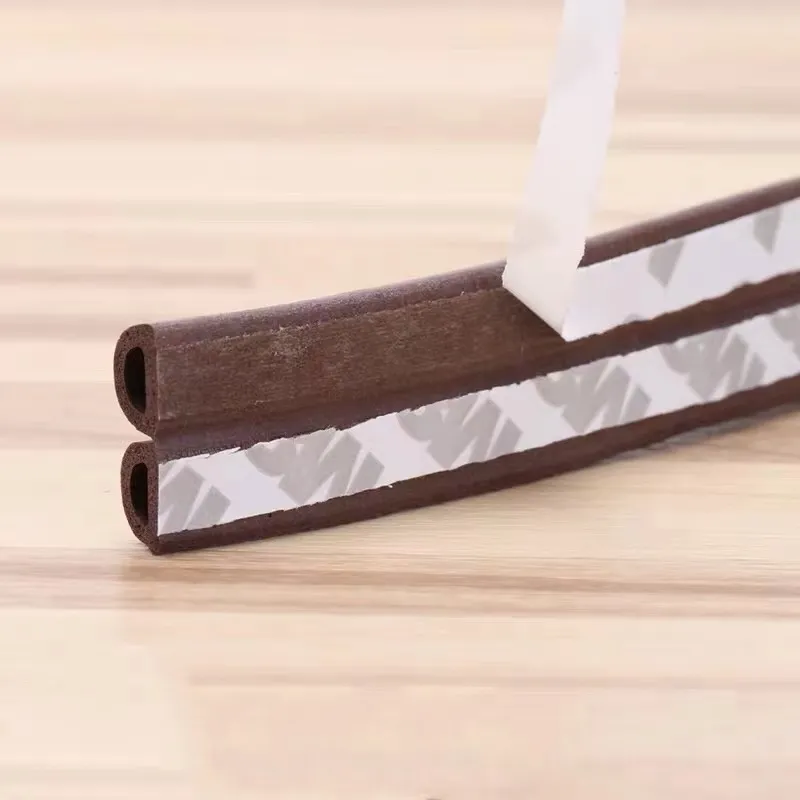
- Adhesive Application (Optional): For certain applications, pressure-sensitive adhesive (PSA) tape may be applied to one side of the weather stripping to facilitate installation. This process requires precise application to ensure strong, lasting adhesion.
-
Quality Control and Testing: Throughout the manufacturing process, and especially post-production, rigorous testing is conducted. This includes:
- Dimensional Accuracy: Verification of profile dimensions against engineering drawings.
- Durometer Hardness: Measured using ASTM D2240 or ISO 7619 standards.
- Tensile Strength & Elongation: Determined via ASTM D412 or ISO 37 to assess material robustness.
- Compression Set: Measured via ASTM D395 or ISO 815 to evaluate the material's ability to return to its original shape after prolonged compression, critical for long-term sealing performance.
- Environmental Resistance: Accelerated aging tests (UV, ozone, heat, cold, fluid resistance) conducted per ASTM or ISO standards to predict service life.
Service Life and Target Industries:
High-quality window weather stripping, particularly those made from EPDM or Silicone, boast an impressive service life, often exceeding 10-20 years in typical environmental conditions, significantly longer than lower-grade PVC alternatives. This extended durability is vital for minimizing maintenance cycles and total cost of ownership across various sectors.
Key target industries include:
- Building & Construction: Residential, commercial, and industrial structures for energy efficiency and comfort.
- Automotive: Essential for vehicle window seals, door seals (including car weather stripping and auto weather stripping), and trunk seals, contributing to cabin acoustics and protection from elements.
- HVAC: Sealing air ducts and plenums for optimal system performance.
- Marine: Sealing hatches and windows in harsh marine environments.
- Industrial Equipment: Enclosure sealing for machinery in various environments, including petrochemical and metallurgy where corrosion resistance is paramount.
Demonstrable Advantages in Application Scenarios:
- Energy Saving: By preventing air infiltration and exfiltration, high-performance seals drastically reduce heating and cooling loads. Studies show that effective weather stripping can reduce energy consumption by 10-20% in residential buildings, translating to significant cost savings and reduced carbon footprint. In commercial buildings, this can represent thousands of dollars annually.
- Corrosion Resistance: For applications in water supply & drainage or petrochemical facilities, material integrity against corrosive agents is critical. EPDM and Silicone seals exhibit excellent resistance to many acids, alkalis, and solvents, ensuring long-term sealing performance in challenging chemical environments.
- Noise Reduction: The viscoelastic properties of quality rubber seals absorb sound vibrations, contributing significantly to acoustic comfort in buildings and vehicle cabins. This is particularly crucial in urban environments or for specialized applications like recording studios.
Technical Specifications and Performance Parameters
Understanding the technical specifications of window weather stripping is crucial for selecting the appropriate solution for specific application demands. Key performance indicators (KPIs) dictate a product's suitability, longevity, and effectiveness.
Typical Product Specification Table:
| Parameter | Unit | EPDM Rubber (Typical) | Silicone Rubber (Typical) | Testing Standard |
|---|---|---|---|---|
| Hardness (Shore A) | Durometer | 40-80 | 30-70 | ASTM D2240 |
| Tensile Strength | MPa (psi) | 5-15 (725-2175) | 4-10 (580-1450) | ASTM D412 |
| Elongation at Break | % | 200-600 | 200-700 | ASTM D412 |
| Compression Set (22h @ 70°C) | % | < 25 | < 15 | ASTM D395 Method B |
| Operating Temperature Range | °C (°F) | -40 to +120 (-40 to +248) | -60 to +230 (-76 to +446) | Internal Testing |
| Ozone Resistance | Rating | Excellent | Excellent | ASTM D1149 |
| UV Resistance | Rating | Excellent | Excellent | ASTM G154 |
Application Considerations:
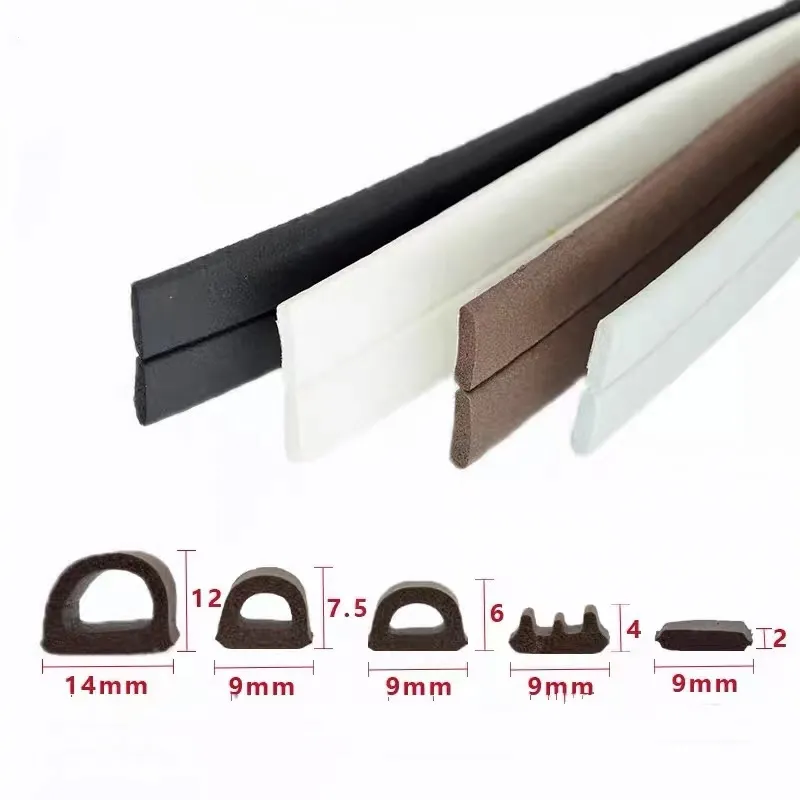
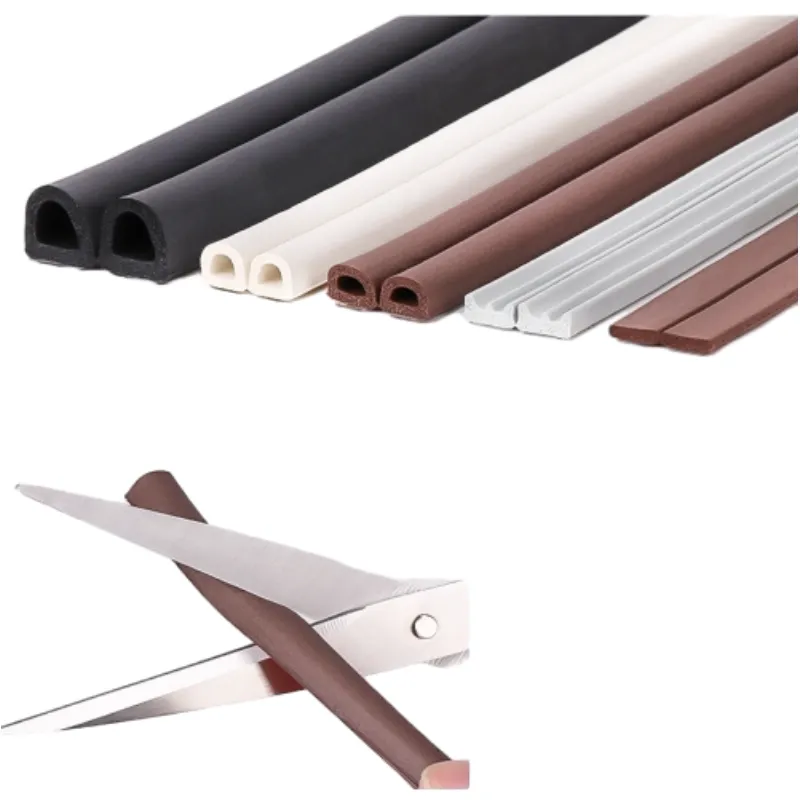
The selection of the ideal material for window weather stripping depends heavily on the specific environmental conditions and performance requirements. For instance, in applications exposed to prolonged sunlight and ozone, EPDM's superior resistance is often preferred. For extreme temperature fluctuations or specific chemical exposures, silicone might be the optimal choice. The profile design (e.g., hollow, solid, finned) also plays a critical role in sealing effectiveness, compression force, and ease of installation.
Application Scenarios and Enhanced Benefits
The versatility of modern weather stripping extends across a broad spectrum of applications, each benefiting from its sealing capabilities in unique ways.
Diverse Applications:
- Residential Windows: Crucial for maintaining comfortable indoor temperatures, reducing utility bills, and preventing drafts and dust ingress. High-quality seals contribute to a healthier living environment by minimizing pollen and allergen entry.
- Commercial & Industrial Windows: Essential for large-scale energy management in office buildings, factories, and warehouses. Robust seals ensure compliance with increasingly strict energy efficiency standards (e.g., ASHRAE 90.1).
- Automotive Applications: Beyond just windows, high-performance auto weather stripping is critical for vehicle doors, trunks, and sunroofs, preventing water leaks, road noise, and vibration, significantly enhancing driving comfort and vehicle longevity.
- Specialized Environments: In cleanrooms, weather stripping prevents particle contamination. In cold storage facilities, it maintains precise temperature control and minimizes frost buildup. In data centers, it ensures optimal airflow management and thermal stability.
Quantifiable Benefits:
- Energy Efficiency: Reduced air leakage can lead to an estimated 15-30% reduction in heating and cooling energy consumption for sealed openings. For a commercial building with 100 windows, this could translate to thousands of dollars in annual savings, paying for the investment in quality seals within a few years.
- Acoustic Performance: Effective seals can improve Sound Transmission Class (STC) ratings of windows by several points, translating to a noticeable reduction in external noise levels – a critical factor for occupant well-being and productivity.
- Moisture and Pest Control: A tight seal prevents water intrusion, safeguarding building materials from rot and mold, and also acts as a barrier against insects and rodents, maintaining hygienic conditions.
- Durability and Reduced Maintenance: High-grade materials like EPDM and Silicone offer superior resistance to weathering, UV, and ozone, ensuring long-term performance and reducing the frequency and cost of replacements.
Technical Advantages and Vendor Comparison
Choosing the right vendor for window weather stripping is as critical as selecting the right material. A vendor's technical prowess, commitment to quality, and capability for customized solutions significantly influence project success and long-term performance.
Advantages of Advanced Weather Stripping Solutions:
- Superior Material Compounds: Utilizing proprietary blends of EPDM, Silicone, and TPE optimized for specific properties such as low compression set, enhanced UV resistance, or extreme temperature flexibility.
- Precision Extrusion and Profile Design: Advanced manufacturing techniques allow for complex profiles that integrate multiple sealing elements, ensuring maximum contact and sealing efficiency with minimal compression force. Multi-cavity designs can further enhance thermal and acoustic insulation.
- Integrated Adhesives: Pre-applied, high-tack, long-lasting pressure-sensitive adhesives (PSAs) simplify installation and ensure consistent bonding over time, resisting peeling and delamination.
- Adherence to International Standards: Products meeting or exceeding ISO, ASTM, and DIN standards ensure reliability and compatibility in global markets.
Vendor Comparison: QZ Seals vs. Generic Manufacturers
| Feature/Criterion | QZ Seals | Generic/Low-Cost Manufacturer |
|---|---|---|
| Material Quality & Sourcing | Premium EPDM/Silicone, traceable raw materials, consistent compound formulations. | Often unspecified compounds, variable quality, potential for recycled materials. |
| Manufacturing Process | Advanced extrusion, precise vulcanization, automated cutting, ISO 9001 certified. | Basic extrusion, less controlled curing, manual finishing, inconsistent quality. |
| Product Performance (e.g., Compression Set) | Consistently low (<20%) for long-term sealing effectiveness. | Higher (>30%), leading to premature seal failure and reduced efficacy. |
| Environmental Resistance (UV, Ozone) | Excellent, tested to withstand harsh conditions for decades. | Poor to moderate, rapid degradation and cracking in outdoor exposure. |
| Customization Capabilities | Extensive, custom profiles, colors, material blends, adhesive options. | Limited to standard profiles and basic materials. |
| Technical Support & Warranty | Dedicated engineering support, comprehensive warranty, detailed spec sheets. | Minimal or no technical support, limited or no warranty. |
Customized Solutions and Application Case Studies
The diverse nature of sealing challenges necessitates more than off-the-shelf products. Customized window weather stripping solutions are frequently required to meet unique architectural designs, specific environmental exposures, or stringent performance criteria.
Tailoring Sealing Solutions:
Customization involves several facets:
- Profile Design: Engineering unique cross-sectional shapes to perfectly fit irregular gaps, accommodate specific frame designs, or integrate multiple functions (e.g., sealing, damping, decorative trim). This often involves CAD design and rapid prototyping.
- Material Blends: Developing bespoke elastomeric compounds with enhanced properties, such as increased flame retardancy, specific chemical resistance, or broader temperature ranges, by adjusting polymer ratios and additive packages.
- Color Matching: Producing seals in custom colors to seamlessly integrate with aesthetic requirements of architectural projects or vehicle interiors/exteriors.
- Adhesive Customization: Specifying adhesive types (e.g., acrylic, rubber-based) and thicknesses to ensure optimal bond strength on various substrates (aluminum, PVC, painted surfaces) and in different environmental conditions.
Real-World Application Case Studies:
Case Study 1: Commercial High-Rise Energy Retrofit
A prominent commercial building in a major metropolitan area faced escalating energy costs due to inefficient window seals. Original PVC seals had degraded, leading to significant air leakage and noise penetration. Our team engineered a custom EPDM window weather stripping profile designed for the building's unique aluminum window frames. The new seals featured a multi-chamber design for enhanced thermal and acoustic insulation and a specific durometer hardness to ensure optimal compression. Post-installation, the building reported a 17% reduction in HVAC energy consumption and a noticeable improvement in indoor acoustic comfort, validated by sound meter readings. The property management lauded the long-term durability and minimal maintenance requirements of the EPDM seals.
Case Study 2: Next-Generation Electric Vehicle (EV) Development
An emerging EV manufacturer required lightweight, high-performance car weather stripping that could withstand rapid temperature changes and provide superior cabin quietness to enhance the luxury experience of their new model. Standard EPDM seals were deemed too heavy and did not meet stringent NVH (Noise, Vibration, Harshness) targets. We developed a co-extruded TPE/EPDM hybrid seal for the doors and windows. The TPE component offered lightweighting benefits and excellent surface finish, while the EPDM core provided robust sealing and UV resistance. This bespoke auto weather stripping solution helped the EV achieve class-leading interior acoustics (a 3dB reduction in road noise at 60 mph compared to prototypes with generic seals) and significantly contributed to the vehicle's overall energy efficiency by preventing air drafts.
These case studies underscore the tangible benefits and return on investment achieved through expert-level sealing solutions.
Trustworthiness and Customer Support
Building long-term partnerships in the B2B sector relies fundamentally on trust, transparency, and unwavering support. We are committed to upholding the highest standards of product quality and customer service.
Frequently Asked Questions (FAQ):
- Q: What is the typical lead time for custom weather stripping orders?
A: For custom profiles, lead times typically range from 4-6 weeks for tooling and initial sample production, followed by 2-3 weeks for high-volume manufacturing. Standard product orders generally ship within 1-2 weeks. - Q: How do I determine the correct material for my application?
A: Our engineering team provides comprehensive material selection guidance based on your specific requirements, including temperature range, chemical exposure, UV/ozone resistance, and physical properties (e.g., hardness, compression set). Please contact us with your project details. - Q: Do you offer samples for testing?
A: Yes, we provide samples of standard profiles and, upon successful tooling, initial production samples for custom designs, allowing for thorough testing and validation prior to full production. - Q: What certifications do your products hold?
A: Our manufacturing facilities are ISO 9001 certified, ensuring consistent quality management. Our products comply with relevant ASTM standards, and we can provide specific material certifications upon request.
Lead Time & Fulfillment:
We operate an agile supply chain and manufacturing process to ensure timely delivery. Our standard fulfillment process includes order confirmation, production scheduling, quality control, and efficient logistics. For urgent requirements, expedited production and shipping options are available upon consultation.
Warranty Commitments:
QZ Seals stands behind the quality of its products. All window weather stripping and other sealing solutions come with a standard 1-year warranty against defects in material and workmanship from the date of purchase. Extended warranties can be negotiated for specific high-volume or critical applications, demonstrating our confidence in product longevity and performance.
Customer Support & After-Sales Service:
Our dedicated customer support team and technical engineers are available to assist with product selection, installation guidance, and any post-purchase inquiries. We offer comprehensive after-sales support, including troubleshooting, performance optimization advice, and re-ordering services, ensuring continuous satisfaction and optimal product performance throughout its service life. Contact us via phone at [+86-13903198086] or email at [sales@qzseals.com] for prompt assistance.
References
- ASTM International. (Various Standards for Rubber and Elastomers, e.g., D2240, D412, D395). Retrieved from astm.org
- International Organization for Standardization (ISO). (Various Standards for Quality Management and Rubber Testing, e.g., ISO 9001, ISO 7619, ISO 37, ISO 815). Retrieved from iso.org
- ASHRAE Standard 90.1 - Energy Standard for Buildings Except Low-Rise Residential Buildings. Retrieved from ashrae.org
- MarketsandMarkets. (Weatherstripping Market - Global Forecast to 2028). Retrieved from marketsandmarkets.com
- Rubber Manufacturers Association (RMA). (Rubber Handbook: Principles of Rubber Technology). Retrieved from rma.org
-
Understanding e3 edge banding tape price and Value FactorsNewsApr.16,2026
-
Premium Birch Edge Tape Guide for Professional Furniture FinishingNewsApr.09,2026
-
Comprehensive Guide to 2mm Edge Banding Tape for Furniture and CabinetryNewsApr.07,2026
-
Comprehensive Guide to Choosing the Right 18mm Edge Banding for Your ProjectsNewsApr.04,2026
-
Comprehensive Guide to Pre Glued Melamine Edging Applications and InstallationNewsMar.31,2026
-
Comprehensive Guide to Self Adhesive Edge Banding Tape Applications and SelectionNewsMar.28,2026
-
Comprehensive Guide to Wood Veneer Edging Strips for Furniture and Woodworking ProjectsNewsMar.26,2026