Comprehensive Guide to Selecting the Best Edge Tape for Wood Projects
Choosing the Right Edge Tape for Wood: A Comprehensive Guide
Selecting the appropriate edge tape for wood is crucial for achieving a professional finish, protecting edges, and enhancing the durability of your woodworking projects. This article will delve into the various types of edge tape, their applications, and factors to consider when making a selection. We'll explore how choosing the right tape can improve both the aesthetic and functional aspects of your work. A well-applied edge band can be the difference between a good project and a great one.
Understanding the Different Types of Edge Tape
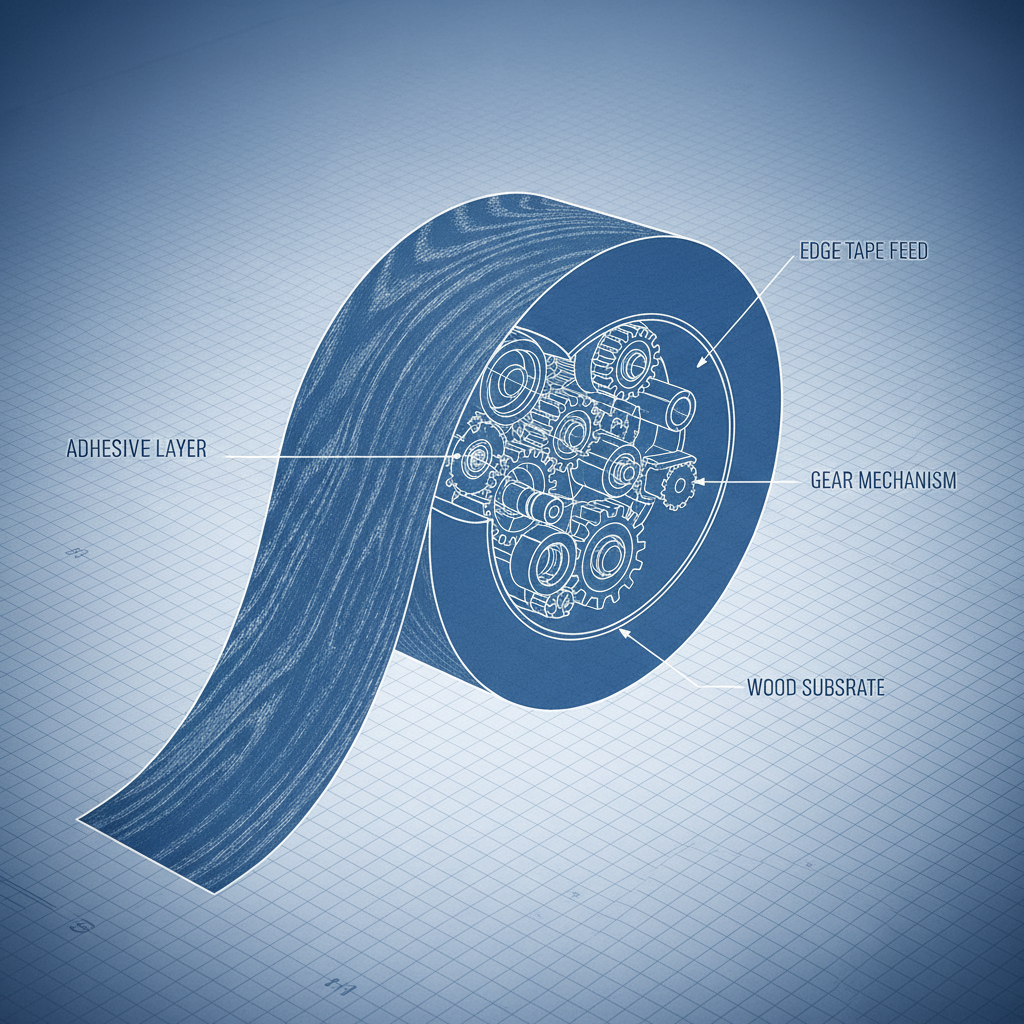
Edge tape for wood comes in a variety of materials, each with its own strengths and weaknesses. Common types include PVC, ABS, Veneer, and Melamine. QZ Seals offers a wide selection of these tapes to cater to diverse project needs. PVC is cost-effective and versatile, making it suitable for general use. ABS offers superior impact resistance and durability, ideal for high-wear applications. Veneer provides a natural wood look, perfect for matching existing finishes. Melamine is known for its heat and scratch resistance, often used in kitchen cabinetry. Understanding these differences is the first step in selecting the best tape for your specific project.
Key Highlights: PVC is cost-effective and versatile, ABS offers impact resistance, Veneer provides a natural look, and Melamine resists heat and scratches.
PVC Edge Tape: A Versatile and Affordable Option
PVC (Polyvinyl Chloride) edge tape is arguably the most popular choice for many woodworking projects due to its affordability, ease of application, and versatility. It’s readily available in a wide range of colors and wood grain patterns. However, PVC isn’t known for its high heat resistance and can be susceptible to damage from strong impacts. QZ Seals' PVC edge tape is manufactured to high standards, ensuring consistent quality and reliable performance. It's a good all-around choice for projects where cost is a primary concern and extreme durability isn’t required.
PVC Edge Tape Benefits:
• Affordable and cost-effective
• Easy to apply
• Wide range of colors and patterns
• Versatile for various projects
Edge Tape Comparison: PVC vs. ABS vs. Veneer
Choosing between different edge tape materials requires careful consideration of your project's needs. Here's a comparison to help you decide:
Factors to Consider When Choosing Edge Tape
Beyond the material itself, several other factors influence the ideal edge tape selection. Consider the substrate material (e.g., particleboard, MDF, plywood), the intended use of the project (high-traffic area vs. decorative piece), and the desired aesthetic. The thickness of the tape should also match the board's thickness for a seamless appearance. Finally, ensure the adhesive is compatible with the wood and the application method (iron-on, hot air, or adhesive-backed). QZ Seals provides detailed product information and expert advice to help you make the right choice.
Technical Specifications & Application Tips
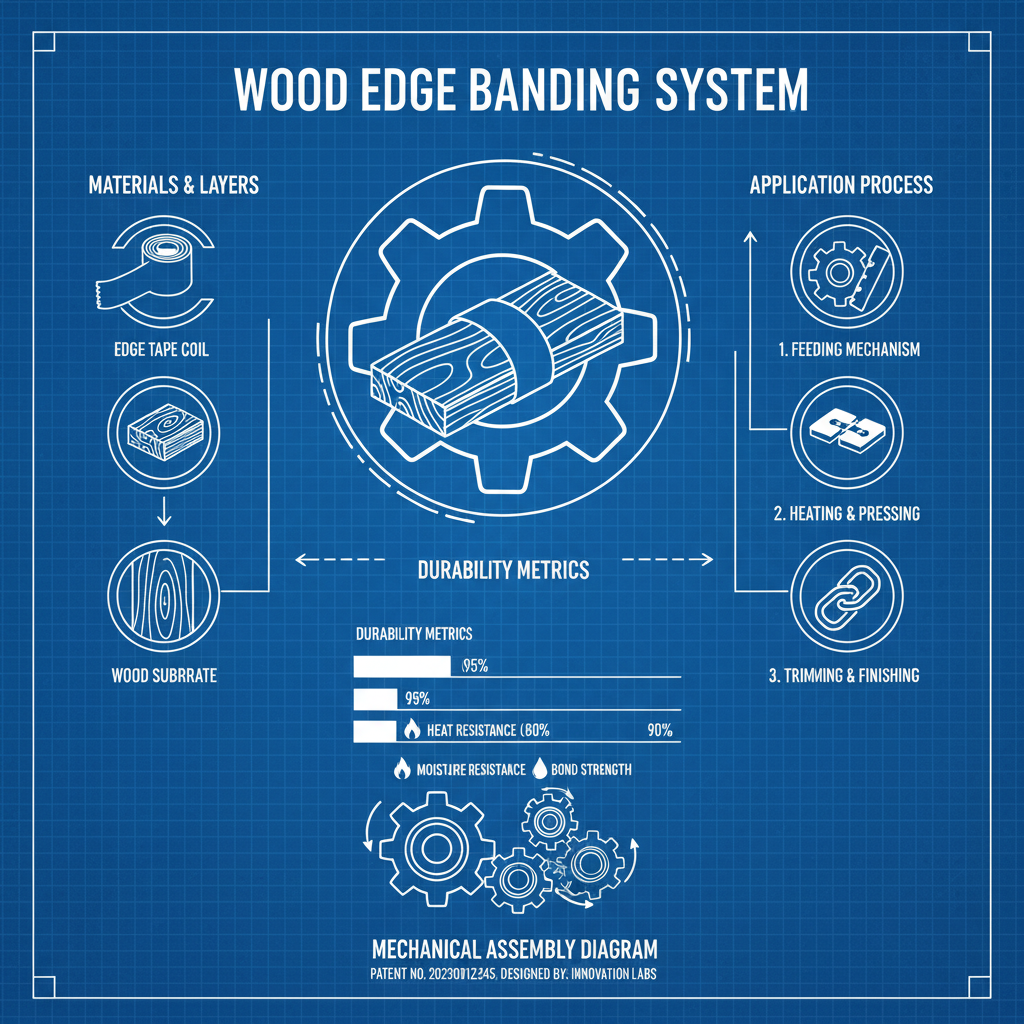
Proper application is just as important as choosing the right edge tape. Ensure the surface is clean and free of dust and debris. When using iron-on tape, maintain consistent temperature and pressure for optimal adhesion. For adhesive-backed tapes, apply even pressure to avoid air bubbles. Trimming excess tape with a sharp utility knife or edge trimmer creates a clean, professional finish. Here's a quick look at typical specifications:
Conclusion: Finding the Perfect Edge for Your Wood Projects
Choosing the right edge tape for wood doesn't have to be daunting. By understanding the different materials, considering your project requirements, and following proper application techniques, you can achieve a professional and durable finish. QZ Seals offers a comprehensive selection of high-quality edge tapes and expert support to help you elevate your woodworking creations.
Frequently Asked Questions (FAQs)
What’s the best way to apply edge tape to MDF?
MDF (Medium-Density Fiberboard) is a common substrate for edge banding. For MDF, we recommend using either a hot air gun or an iron-on method, ensuring the temperature is appropriately set to prevent damage to the MDF surface. Thoroughly clean the edge of the MDF before applying the tape, and use a roller to ensure consistent adhesion. After application, trim the excess tape with a sharp blade for a clean finish. Using a specialized edge banding trimmer provides the most professional results.
How do I choose the right color edge tape?
Selecting the right color edge tape involves considering the finish of your project and the core material. If you’re aiming for a seamless look, choose a tape that closely matches the wood veneer or laminate. For a contrasting look, select a color that complements the primary surface. Always test a small piece of tape on the core material to ensure a good color match before applying it to the entire project. Viewing the tape in natural light can also help ensure accurate color selection.
Can edge tape be used on curved edges?
Yes, but applying edge tape to curved edges requires more skill and often a thinner, more flexible tape. PVC and some thinner ABS tapes are more suitable for curves than thicker materials. Using a hot air gun can help to mold the tape around the curve. Carefully stretching and adhering the tape in small sections is crucial to avoid wrinkles and ensure a smooth finish. Consider using pre-formed edge banding specifically designed for curved applications for best results.
What is the best adhesive for edge tape?
The best adhesive depends on the type of edge tape and the substrate material. Many edge tapes come with pre-applied adhesive (hot melt or acrylic). For tapes without adhesive, or for additional bonding strength, contact cement or PVA glue can be used. Ensure the adhesive is compatible with both the tape and the wood substrate. Apply a thin, even coat of adhesive to both surfaces and allow it to tack up before joining the pieces. Following the adhesive manufacturer's instructions is essential for optimal results.
-
Understanding e3 edge banding tape price and Value FactorsNewsApr.16,2026
-
Premium Birch Edge Tape Guide for Professional Furniture FinishingNewsApr.09,2026
-
Comprehensive Guide to 2mm Edge Banding Tape for Furniture and CabinetryNewsApr.07,2026
-
Comprehensive Guide to Choosing the Right 18mm Edge Banding for Your ProjectsNewsApr.04,2026
-
Comprehensive Guide to Pre Glued Melamine Edging Applications and InstallationNewsMar.31,2026
-
Comprehensive Guide to Self Adhesive Edge Banding Tape Applications and SelectionNewsMar.28,2026
-
Comprehensive Guide to Wood Veneer Edging Strips for Furniture and Woodworking ProjectsNewsMar.26,2026