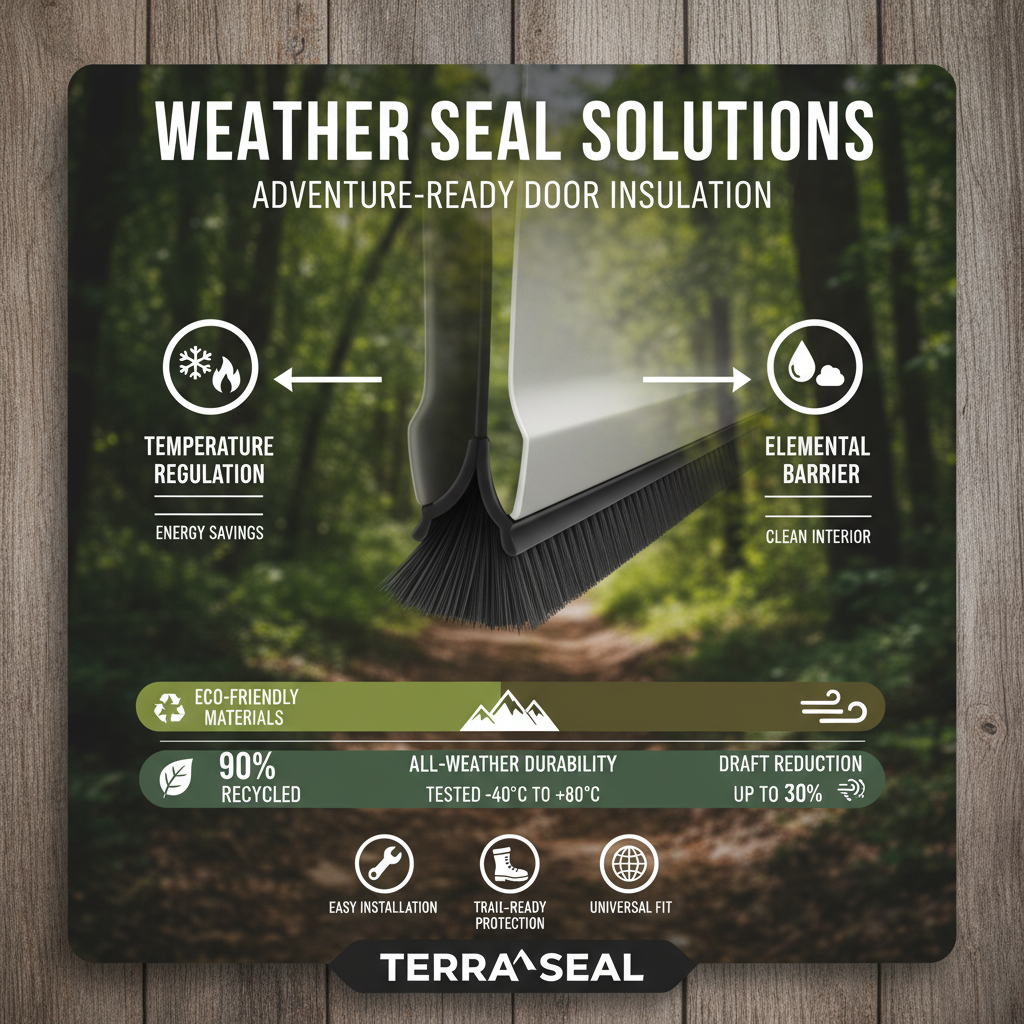
Automatic door sealing strip plays a crucial role in modern building technology, energy efficiency, and overall safety. These strips, often overlooked, are fundamental components in preventing air and water leakage, reducing noise pollution, and maintaining consistent indoor temperatures. Their impact extends across residential, commercial, and industrial sectors, influencing everything from energy bills to the longevity of structures. Understanding their functionality, materials, and applications is increasingly vital in a world focused on sustainability and optimized building performance.
Globally, the demand for effective sealing solutions is rising, driven by stricter building codes, increasing energy costs, and a growing awareness of environmental concerns. According to the International Energy Agency (IEA), building sector accounts for over 30% of global energy consumption, with significant losses occurring through air leakage. Automatic door sealing strip directly addresses this issue, contributing to substantial energy savings. Furthermore, advancements in materials science are continually improving the durability and effectiveness of these strips, leading to longer lifespans and reduced maintenance costs.
The increasing adoption of automated doors in various sectors, coupled with a heightened focus on airtight construction, fuels the growth of the automatic door sealing strip market. This seemingly simple component is becoming a cornerstone of modern building design, offering a cost-effective solution to complex challenges related to energy efficiency and environmental sustainability.
Introduction to Automatic Door Sealing Strip
Automatic door sealing strip is more than just a weatherproofing solution; it’s a critical component in optimizing building performance. These strips are designed to create a tight seal around automatic doors, preventing drafts, moisture intrusion, and noise transmission. The effectiveness of these strips directly impacts energy efficiency, occupant comfort, and the structural integrity of buildings.
Modern automatic door sealing strip are engineered with a variety of materials, each offering unique properties in terms of durability, flexibility, and resistance to environmental factors. From silicone and EPDM rubber to specialized polymer blends, the selection of material is crucial for specific applications and climate conditions. Choosing the right automatic door sealing strip is a significant step in long-term building maintenance and sustainability.
Global Relevance and Industry Context
The global construction industry is experiencing significant growth, particularly in developing nations, driving increased demand for building materials, including automatic door sealing strip. The United Nations estimates that over half the world’s population now lives in urban areas, leading to a surge in building construction and a greater need for energy-efficient solutions. This growth is coupled with a rising global emphasis on sustainable building practices, positioning automatic door sealing strip as a vital component in achieving green building certifications like LEED and BREEAM.
The market for building sealing solutions is fragmented, with numerous manufacturers and suppliers operating worldwide. Key players are constantly innovating to improve product performance, reduce production costs, and expand their market reach. The industry faces challenges related to material sourcing, manufacturing processes, and adapting to evolving building standards and regulations.
The ISO standards related to thermal performance of building components directly influence the requirements for automatic door sealing strip. Meeting these standards is essential for ensuring energy efficiency and reducing carbon emissions. The push for net-zero energy buildings will further amplify the importance of high-quality sealing solutions.
Defining Automatic Door Sealing Strip
An automatic door sealing strip is a flexible component designed to fill the gap between an automatic door and its frame when the door is closed. Unlike traditional weatherstripping, these strips are specifically engineered to accommodate the dynamic movement of automatic doors, ensuring a consistent seal throughout repeated opening and closing cycles. They prevent the passage of air, water, dust, and noise, enhancing building comfort and reducing energy consumption.
The connection to modern industry is particularly strong, as automatic doors are prevalent in retail spaces, hospitals, airports, and industrial facilities. These environments often require frequent door operation, making the reliability and durability of the sealing strip paramount. automatic door sealing strip are designed to withstand constant use, maintaining their effectiveness over extended periods.
In terms of humanitarian needs, properly sealed buildings provide safe and comfortable shelter, particularly in extreme climates. By preventing moisture intrusion and maintaining stable temperatures, automatic door sealing strip contribute to improved living conditions and public health. They are integral to creating resilient buildings that can withstand various environmental challenges.
Key Factors and Core Components
Several key factors determine the effectiveness of automatic door sealing strip. Durability is paramount, as the strips must withstand constant friction and exposure to varying weather conditions. The choice of material significantly impacts durability, with silicone and EPDM rubber generally offering superior resistance to abrasion, UV radiation, and temperature extremes.
Flexibility is another critical factor, allowing the strip to conform to the door and frame, even with slight imperfections or movement. Air-tightness directly influences energy efficiency, minimizing air leakage and reducing heating and cooling costs. Noise reduction capabilities contribute to a more comfortable and productive indoor environment. Compatibility with different door types and frame materials is also crucial for seamless integration.
Performance Metrics of Common automatic door sealing strip Materials
Global Applications and Use Cases
Automatic door sealing strip are widely applied in commercial buildings such as shopping malls and office complexes, where automatic doors are commonplace. These strips ensure climate control and minimize noise pollution, enhancing the shopping and working experience. They are also essential in healthcare facilities, where maintaining a sterile environment is crucial.
In industrial settings, automatic doors are often used in loading docks and warehouses. Robust and durable automatic door sealing strip prevent the ingress of dust, debris, and insects, protecting sensitive equipment and maintaining product quality. Airports and transportation hubs rely heavily on these strips to manage airflow and reduce energy consumption.
In post-disaster relief operations, temporary shelters often utilize automatic doors for accessibility and safety. High-quality automatic door sealing strip can significantly improve the thermal comfort and habitability of these shelters, providing a more dignified living environment for displaced populations. In remote industrial zones, where access to maintenance services is limited, durable and long-lasting strips are particularly valuable.
Advantages and Long-Term Value
The advantages of using automatic door sealing strip extend beyond immediate energy savings. Cost-effectively reducing heating and cooling bills translates into significant long-term financial benefits. Sustainability is enhanced by reducing energy consumption and minimizing environmental impact. The improved indoor air quality contributes to occupant health and productivity.
From a safety perspective, these strips help prevent slip and fall accidents by providing a stable and secure door closure. The reliability of a well-sealed door fosters trust and confidence among building occupants and visitors. Innovation in materials and design continually improves the performance and lifespan of these products, offering increasing value over time.
Future Trends and Innovations
The future of automatic door sealing strip is intertwined with advancements in materials science and smart building technologies. Self-healing polymers are being developed that can automatically repair minor damage, extending the lifespan of the strips. Integration with building automation systems allows for real-time monitoring of sealing performance and automated adjustments.
Sustainable materials, such as bio-based polymers and recycled rubber, are gaining popularity, reducing the environmental footprint of these products. The development of thinner, more flexible strips that offer superior sealing performance is also a key area of innovation. The increasing adoption of digital twin technology will enable more accurate modeling and optimization of sealing solutions.
Challenges and Solutions
One common challenge is maintaining consistent sealing performance over time, as strips can degrade due to wear and tear, UV exposure, and temperature fluctuations. Regular inspection and maintenance are essential, but can be costly and time-consuming. Another challenge is ensuring compatibility with a wide range of door types and frame materials.
Innovative solutions include developing more durable and resilient materials, implementing automated inspection systems using sensors and image recognition, and designing universal sealing strips that can adapt to various door configurations. Offering comprehensive maintenance programs and providing detailed installation guides can also help mitigate these challenges.
Addressing these challenges through proactive measures and continuous innovation is crucial for maximizing the long-term benefits of automatic door sealing strip. Utilizing predictive maintenance based on usage data and environmental factors will further enhance reliability and reduce overall costs.
Summary of Challenges and Corresponding Solutions for automatic door sealing strip
| Challenge |
Impact on Performance |
Potential Solution |
Implementation Cost (1-10) |
| Material Degradation |
Reduced sealing effectiveness, increased air leakage |
Use of UV-resistant and high-durability materials |
6 |
| Installation Errors |
Gaps and leaks, compromised performance |
Detailed installation guides, professional installation services |
4 |
| Compatibility Issues |
Poor fit, ineffective sealing |
Universal or customizable sealing strip designs |
7 |
| Lack of Maintenance |
Gradual performance decline, increased energy loss |
Scheduled inspection and replacement programs |
5 |
| Extreme Weather Conditions |
Premature wear, reduced flexibility |
Materials designed for specific climate conditions |
8 |
| High Usage Frequency |
Accelerated wear and tear, shorter lifespan |
Reinforced materials and durable designs |
6 |
FAQS
The lifespan of an automatic door sealing strip depends heavily on the material, environmental conditions, and frequency of door operation. Generally, silicone and EPDM rubber strips can last between 5 to 10 years with proper maintenance. PVC and polyurethane options typically have a shorter lifespan, around 3 to 5 years. Regular inspection and cleaning can help prolong their life. Choosing the correct material for your climate and usage level is crucial for maximizing longevity.
Selecting the right strip involves considering several factors. Firstly, the type of door (sliding, swinging, revolving) will dictate the necessary flexibility and profile. Secondly, the climate conditions (temperature extremes, UV exposure, moisture) influence material selection. Silicone and EPDM are excellent for harsh environments, while polyurethane is suitable for milder climates. Finally, the frequency of door operation impacts durability requirements. Consulting with a sealing specialist is recommended for optimal selection.
Regular cleaning is crucial for extending the lifespan of automatic door sealing strip. Use a mild detergent and water solution to remove dirt, grime, and debris. Avoid harsh chemicals or abrasive cleaners, as these can damage the material. Inspect the strips periodically for cracks, tears, or signs of wear. Replace damaged strips promptly to maintain optimal sealing performance. Applying a silicone-based lubricant can help preserve flexibility and prevent sticking.
Yes, automatic door sealing strip significantly contribute to noise reduction. By creating a tight seal around the door, they minimize the transmission of sound between indoor and outdoor environments. The effectiveness depends on the material and the quality of the seal. Dense materials like silicone and EPDM rubber offer superior soundproofing capabilities. This is particularly beneficial in commercial buildings and residential areas near busy streets.
Yes, the market is seeing an increase in eco-friendly automatic door sealing strip. Materials like bio-based polymers and recycled rubber are becoming more readily available. These options reduce reliance on fossil fuels and minimize environmental impact. Choosing products with environmental certifications, such as LEED or GreenGuard, ensures adherence to sustainable manufacturing practices. The use of recycled materials helps close the loop and promote a circular economy.
The energy savings from using high-quality automatic door sealing strip can be substantial. By preventing air leakage, these strips reduce the workload on heating and cooling systems, lowering energy bills. Savings can range from 10% to 30% depending on building size, climate, and existing insulation levels. Investing in effective sealing solutions is a cost-effective way to improve energy efficiency and reduce carbon emissions. Implementing a comprehensive sealing strategy throughout the building maximizes these benefits.
Conclusion
Automatic door sealing strip are a fundamental, yet often overlooked, component of modern building technology. Their impact extends beyond simple weatherproofing, influencing energy efficiency, occupant comfort, and overall building sustainability. The selection of the right material, proper installation, and regular maintenance are crucial for maximizing their long-term value. As building standards become more stringent and environmental concerns grow, the importance of these strips will only continue to increase.
Looking ahead, innovation in materials science and smart building technologies will further enhance the performance and capabilities of automatic door sealing strip. Embracing sustainable materials and integrating sealing solutions with building automation systems are key steps towards creating more resilient and energy-efficient buildings. For high-quality automatic door sealing strip and expert advice, visit our website: www.qzseals.com.