Telephone: +8618730949119
0%

Table of Contents

Look, I've spent years crawling around job sites, getting dust in my teeth and talking to the guys actually installing things. And let me tell you, when it comes to sealing up doorways, an adhesive door sweep is a game-changer. It’s not glamorous, but it’s the little things that keep projects on schedule and clients happy. We're talking about stopping drafts, keeping pests out, and even improving soundproofing. It’s a surprisingly impactful piece of kit.

The problem is, for too long, these sweeps have been a pain. Flimsy materials, weak adhesives, and just plain hassle to get right. I’ve seen perfectly good projects delayed because of a door sweep installation gone wrong. That's where the newer generation – the really good adhesive door sweep options – come in. They’re built with durability in mind, designed for a quick and easy install, and frankly, they just work.

It's not just about convenience, either. Energy efficiency is a huge deal now, and these sweeps directly contribute to reducing heating and cooling costs. Clients are demanding it, building codes are getting stricter, and frankly, it's the right thing to do. So, yeah, adhesive door sweeps – they’re a small part of a big picture.
The Essential Guide to Adhesive Door Sweeps for Enhanced Building Performance

The Importance of Adhesive Door Sweeps in Modern Construction
The Essential Guide to Adhesive Door Sweeps for Enhanced Building Performance

These aren't just about blocking drafts anymore. We’re building tighter, more energy-efficient buildings, and every little gap matters. An adhesive door sweep is a critical component in achieving those goals, particularly in commercial buildings and multi-family housing where air leakage can add up to significant energy loss. I've seen projects penalized for failing to meet energy efficiency standards, and often, it comes down to details like this.

It’s about doing the job right the first time. Spending a few extra bucks on a quality sweep upfront saves time and money on callbacks later. I’ve been involved in re-work projects where entire sections of doors had to be adjusted because the sweeps weren't up to par. It’s a headache nobody wants. And believe me, the clients notice.

Defining Adhesive Door Sweeps: Function and Evolution

Basically, an adhesive door sweep is a strip of flexible material – typically rubber, vinyl, or a composite – with an adhesive backing, designed to seal the gap between a door and the threshold. They prevent air, light, dust, and even insects from passing through. Now, they didn’t always stick, literally. Older models relied on screws or nailing, which was time-consuming and often led to damage.

The move to adhesive-backed sweeps was a huge step forward. It meant faster installation, less damage, and a cleaner look. But early adhesives weren’t always reliable, especially in varying temperatures or on certain door materials. That’s where the newer formulations – the high-tack, temperature-resistant adhesives – really shine.

Today’s adhesive door sweeps are designed for a variety of door types – wood, metal, fiberglass – and are built to withstand heavy use and harsh weather conditions. They've evolved from a simple gap filler to a crucial part of the building envelope.

Key Attributes of High-Quality Adhesive Door Sweeps

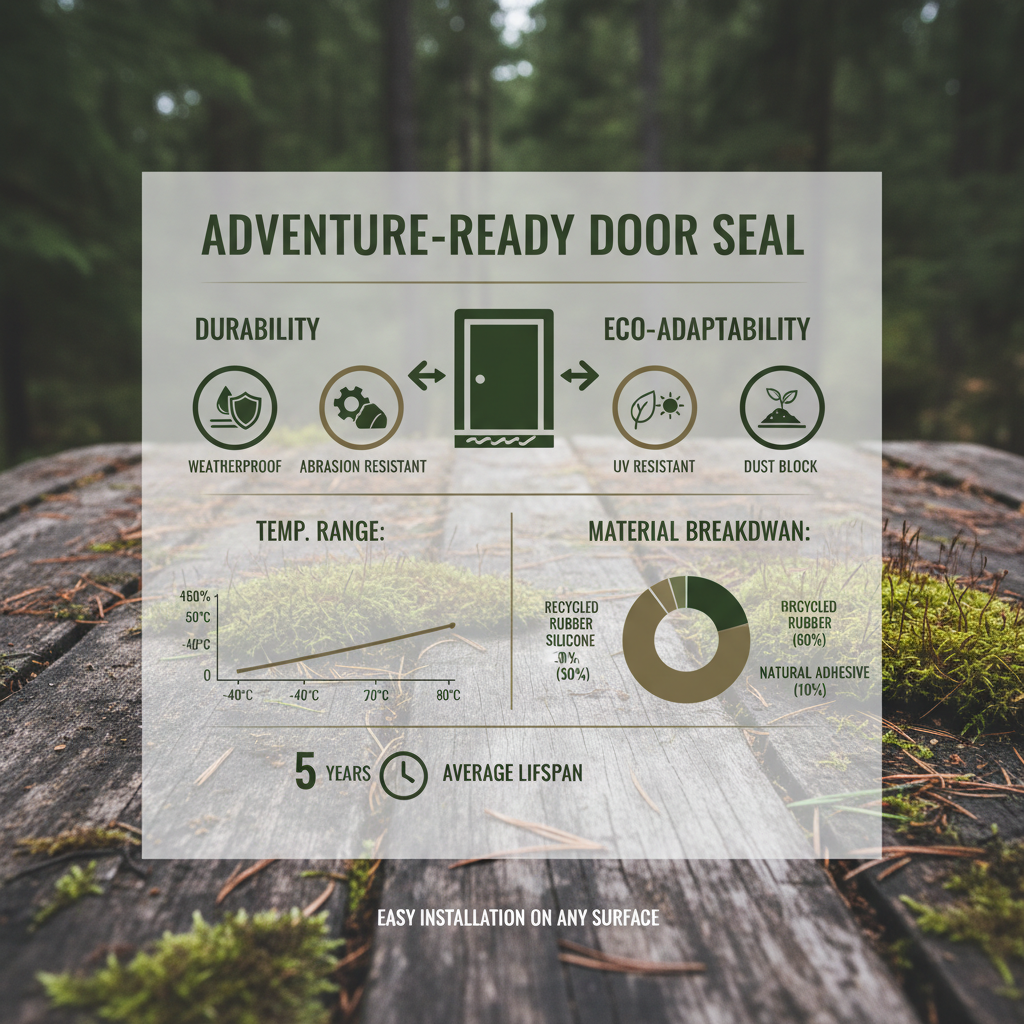
First, you’ve got to look at the material. Cheap rubber cracks and deteriorates quickly. Vinyl is better, but it can become brittle in cold weather. The best ones use a durable composite that holds up to years of use. Second, the adhesive. It needs to be strong, but also flexible. A rigid adhesive will peel off over time. I look for adhesives specifically designed for exterior use and rated for a wide temperature range.

Then there's the fin design. Some sweeps have a single fin, others have multiple. More fins generally provide a better seal, but they can also create more friction when the door opens and closes. Finding the right balance is key. I’ve seen guys fight with doors that had sweeps with too much friction – it’s not worth the hassle. Also, check the height of the fins – they need to be appropriate for the gap you’re trying to seal.

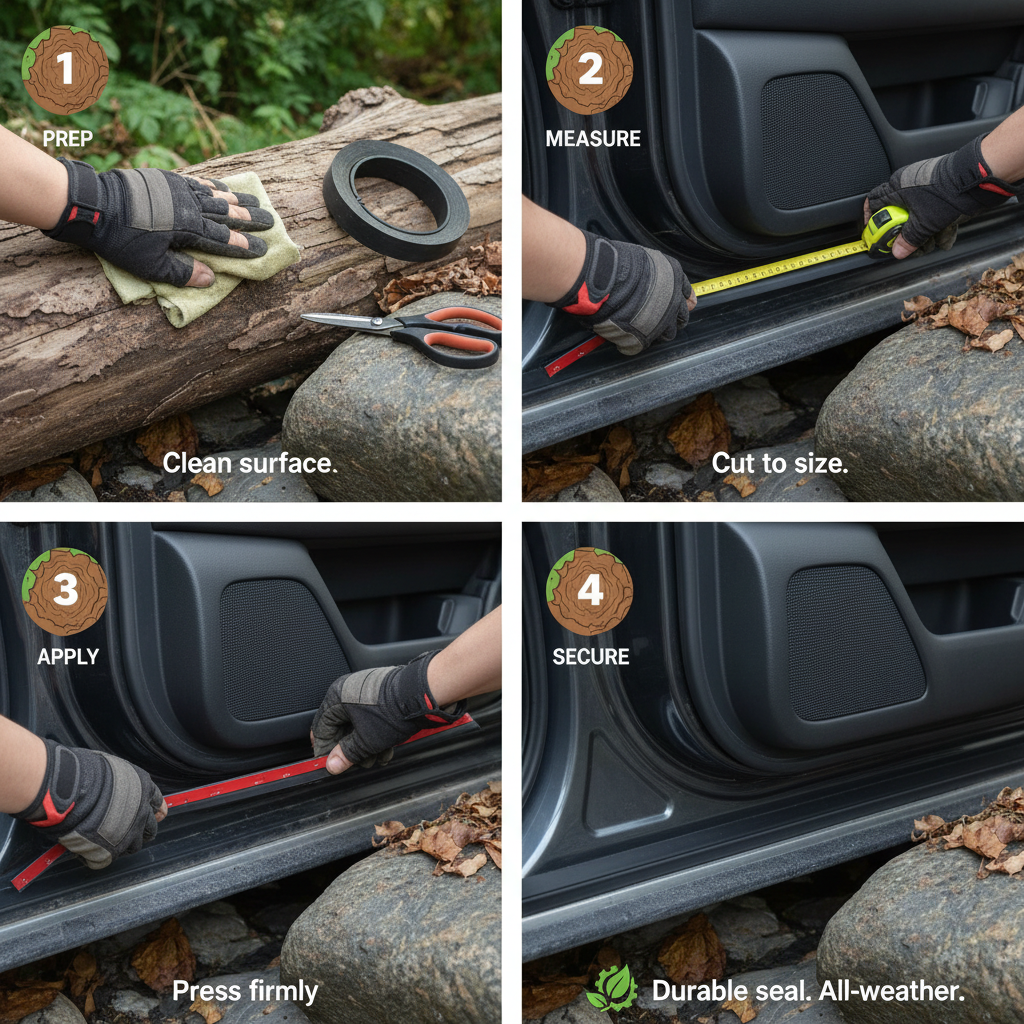
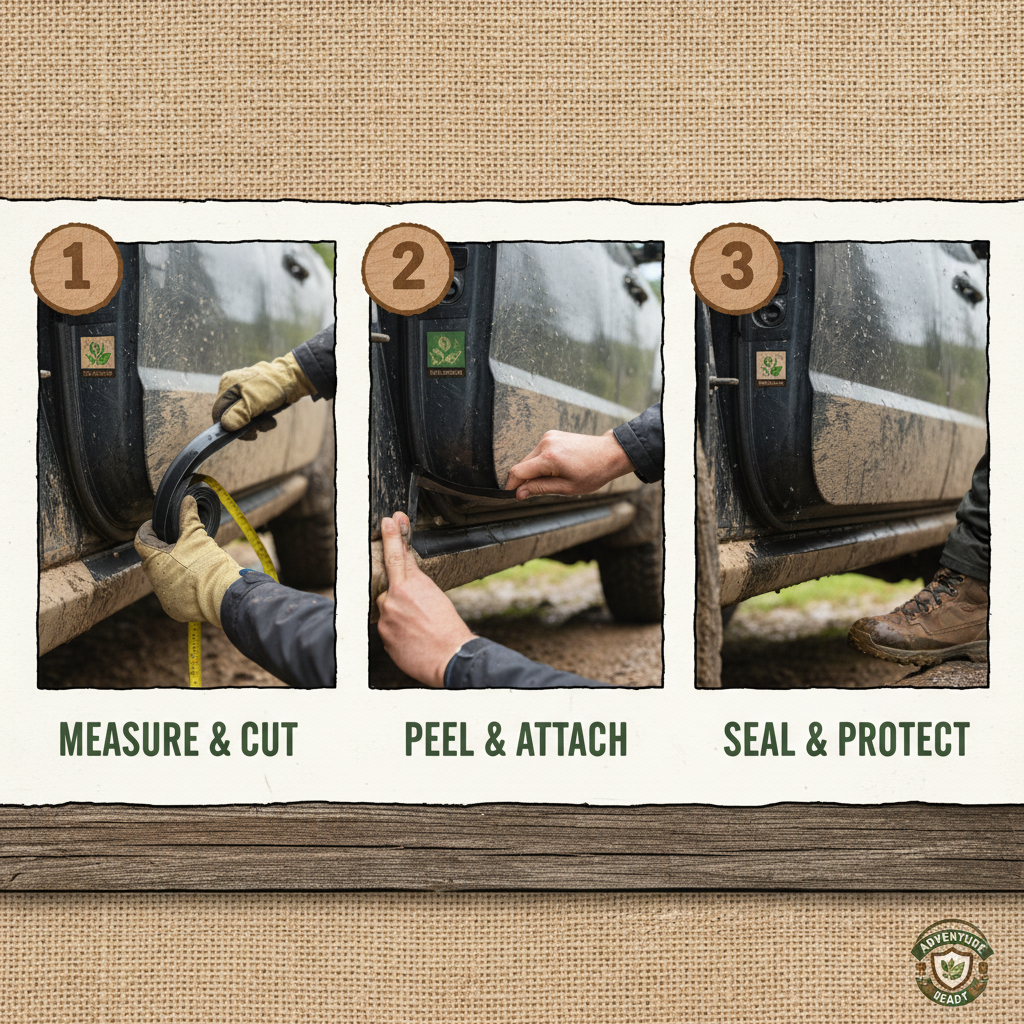
Finally, consider the ease of installation. A quality sweep should come with a protective liner that's easy to remove and a clear set of instructions. The backing should adhere firmly on the first try – you don’t want to be wrestling with it for ten minutes. Time is money on a job site, plain and simple.

Performance Metrics: Assessing Adhesive Door Sweep Effectiveness

We can get into the technical stuff too. Air infiltration rates are a big one. You want a sweep that minimizes the amount of air that can pass through the gap. Testing is usually done in a lab, measuring cubic feet per minute (CFM). Lower CFM is better. Another metric is sound transmission class (STC). Higher STC ratings mean better soundproofing.

Durability testing is also crucial. Manufacturers should be able to provide data on how their sweeps hold up to repeated use, temperature fluctuations, and UV exposure. Look for sweeps that have been tested to industry standards like ASTM.

Performance Comparison of Adhesive Door Sweep Types


Global Applications and Industry Adoption

You’ll find adhesive door sweeps everywhere, from residential homes to large commercial buildings. They’re standard in hotels, hospitals, and office buildings – anywhere where energy efficiency and soundproofing are important. I’ve seen them used extensively in cold storage facilities to maintain consistent temperatures.

In Europe, where energy costs are high and building codes are stringent, adoption rates are particularly high. North America is catching up, driven by initiatives like LEED certification and increasing awareness of energy conservation. The demand is definitely growing globally.

Long-Term Benefits and Return on Investment

The upfront cost of a good adhesive door sweep is relatively low, but the long-term savings can be significant. Reduced energy bills, lower maintenance costs, and improved occupant comfort all contribute to a positive return on investment. It's not a glamorous expense, but it’s a smart one.

Beyond the financial benefits, there's the environmental aspect. Reducing energy consumption helps lower carbon emissions and contributes to a more sustainable built environment. And, honestly, a well-sealed building just feels better. It's quieter, more comfortable, and a more pleasant place to be.

Future Trends and Innovation in Door Sweep Technology

We're starting to see sweeps with integrated sensors that can detect air leaks and provide real-time feedback on performance. These smart sweeps can alert building managers to potential problems, allowing them to address them quickly and efficiently. That's a game changer.

I'm also seeing more research into bio-based adhesives and sustainable materials. The goal is to create sweeps that are not only effective but also environmentally friendly. And, of course, the demand for even easier installation methods will continue to drive innovation.

The future of adhesive door sweeps is about integration, sustainability, and convenience.

Summary of Adhesive Door Sweep Improvement Areas

Improvement Area Current Status Potential Impact Development Timeline
Adhesive Strength Generally reliable, but can fail in extreme temperatures. Increased lifespan, reduced maintenance. 1-3 years.
Material Durability Vulnerable to cracking and wear over time. Longer-lasting seal, reduced replacement frequency. 3-5 years.
Installation Ease Generally straightforward, but can be tricky for inexperienced installers. Reduced installation time and cost. Ongoing.
Integration with Smart Systems Limited; some prototypes with leak detection. Proactive maintenance, optimized energy efficiency. 5+ years.
Sustainability of Materials Mostly petroleum-based plastics and rubbers. Reduced environmental impact, appealing to green building certifications. 2-5 years.
Noise Reduction Capabilities Moderate soundproofing. Enhanced acoustic comfort in buildings. 3-5 years.

FAQS

What’s the best way to prepare a door surface before applying an adhesive door sweep?

You gotta start with a clean, dry surface. Remove any old adhesive residue, dirt, or paint flakes. A quick wipe down with mineral spirits usually does the trick. The key is to get a good bond, and that starts with prep work. Don't skip this step. If the surface is really slick, you might want to lightly scuff it up with sandpaper.

What do I do if the adhesive doesn't seem to be sticking properly?

First, make sure you prepped the surface correctly (see above!). If it still isn't sticking, try applying some extra pressure for a minute or two. Sometimes, a little heat from a hair dryer can help activate the adhesive. But honestly, if it’s not sticking right away, it’s probably a bad sweep. Don't waste your time fighting it – replace it.

How long will an adhesive door sweep typically last?

That depends on a lot of factors – foot traffic, weather exposure, and the quality of the sweep itself. A good quality sweep, properly installed, should last at least a year, often much longer. But be prepared to replace it eventually. It’s a wear item, like tires on a car.

Can I use an adhesive door sweep on an exterior door that's exposed to the elements?

Absolutely, but you need to choose a sweep that's specifically designed for exterior use. Look for one that’s UV-resistant and can withstand temperature fluctuations. Cheaper sweeps will quickly degrade in direct sunlight and cold weather. Spend the extra money upfront – it'll save you headaches down the road.

What's the difference between a single-fin and a dual-fin door sweep?

A dual-fin sweep generally provides a better seal because it creates two points of contact against the threshold. This is especially useful for doors that aren't perfectly aligned. However, it can also create more friction, making the door harder to open and close. Choose the one that best suits your needs.

How do I measure to ensure I get the correct length door sweep?

Measure the width of the door. You'll want the sweep to be slightly shorter than the door width to allow for smooth operation. Don't just eyeball it – get a precise measurement. Most sweeps can be easily trimmed to size with a utility knife, but it’s better to start with a slightly longer sweep and trim down.

Conclusion

So, yeah, an adhesive door sweep might not be the most exciting component of a construction project, but it’s a vital one. From energy efficiency and soundproofing to pest control and overall comfort, these little strips make a big difference. Choosing a quality sweep, installing it properly, and understanding its limitations are all key to maximizing its benefits.

Looking ahead, we'll see even more innovation in this space – smarter sweeps, more sustainable materials, and easier installation methods. The future is about integrating these components seamlessly into the building envelope to create more comfortable, efficient, and sustainable structures. For more information and to explore our range of adhesive door sweeps, visit our website.

Robert Johnson

Robert Johnson

Robert Johnson is a leading Research and Development Engineer at Hebei Qiuzhuo Rubber Products Co., Ltd. With a PhD in Polymer Chemistry, Robert is instrumental in developing new rubber formulations and improving existing product performance. He specializes in custom compound development, working closely with clients to create materials optimized for
Previous Effective under door bug stopper Solutions for Construction and Pest Control
Next Investing in Durable Bottom Door Rain Guard Solutions for Long Term Protection