Door strip bottom, often overlooked, plays a crucial role in building efficiency and comfort. Globally, the demand for effective sealing solutions is rising due to increased awareness of energy conservation and sustainable building practices. From residential homes to large commercial complexes, a well-installed door strip bottom minimizes air leakage, reduces noise transmission, and prevents the entry of dust, insects, and moisture. This seemingly small component significantly impacts a building’s overall performance and occupant well-being.
The importance of door strip bottom extends beyond mere comfort. In regions experiencing extreme weather conditions, these seals are essential for maintaining stable indoor temperatures, reducing heating and cooling costs, and enhancing energy independence. Furthermore, effective sealing contributes to improved indoor air quality, safeguarding the health of building occupants. The global market for building sealing materials is experiencing significant growth, driven by stricter building codes and a growing focus on green building certifications like LEED and BREEAM.
Understanding the nuances of door strip bottom – from material selection to proper installation – is paramount for architects, contractors, and homeowners alike. Choosing the right seal can dramatically improve a building’s energy efficiency, durability, and overall value. This article delves into the core aspects of door strip bottom, exploring its applications, advantages, and future trends.
The Significance of door strip bottom
The escalating focus on sustainable building practices has placed increasing emphasis on the seemingly minor components that collectively contribute to a structure’s energy efficiency. Door strip bottom is one such critical element. Its proper functioning directly impacts a building’s heating, ventilation, and air conditioning (HVAC) systems, reducing energy waste and lowering operating costs. A correctly installed door strip bottom is therefore a vital component of any energy-conscious construction or renovation project.
Beyond energy savings, door strip bottom plays a significant role in improving indoor environmental quality. By preventing the ingress of dust, pollen, and insects, it contributes to a healthier and more comfortable living or working environment. This is particularly important for individuals with allergies or respiratory sensitivities. The impact extends to noise reduction, creating quieter and more peaceful interior spaces.
Defining Door Strip Bottom
Door strip bottom refers to the sealing material installed along the bottom edge of a door to close the gap between the door and the threshold. Its primary function is to prevent air infiltration, water leakage, and the entry of pests. These seals come in various materials, including rubber, silicone, PVC, and brush seals, each offering different levels of durability, flexibility, and cost-effectiveness. The choice of material depends on the specific application and environmental conditions.
The modern concept of door strip bottom evolved alongside advancements in building science and a growing understanding of energy loss through air leakage. Originally, simple fabric or foam strips were used, but these lacked durability and effectiveness. Today’s door strip bottom are engineered for optimal performance and longevity, often incorporating features like adjustable designs and reinforced construction.
Properly implemented, door strip bottom represents a cost-effective solution to significantly improve a building’s performance, aligning with contemporary standards in both residential and commercial construction. It is a critical element in creating comfortable, efficient, and sustainable spaces.
Core Components of Effective Door Strip Bottom
Several key components determine the effectiveness of a door strip bottom. First and foremost is the material itself, influencing durability, flexibility, and resistance to weathering. Silicone and EPDM rubber are known for their excellent weather resistance and flexibility, while PVC offers a cost-effective solution for less demanding applications. The specific composition and density of the material greatly affect its sealing performance.
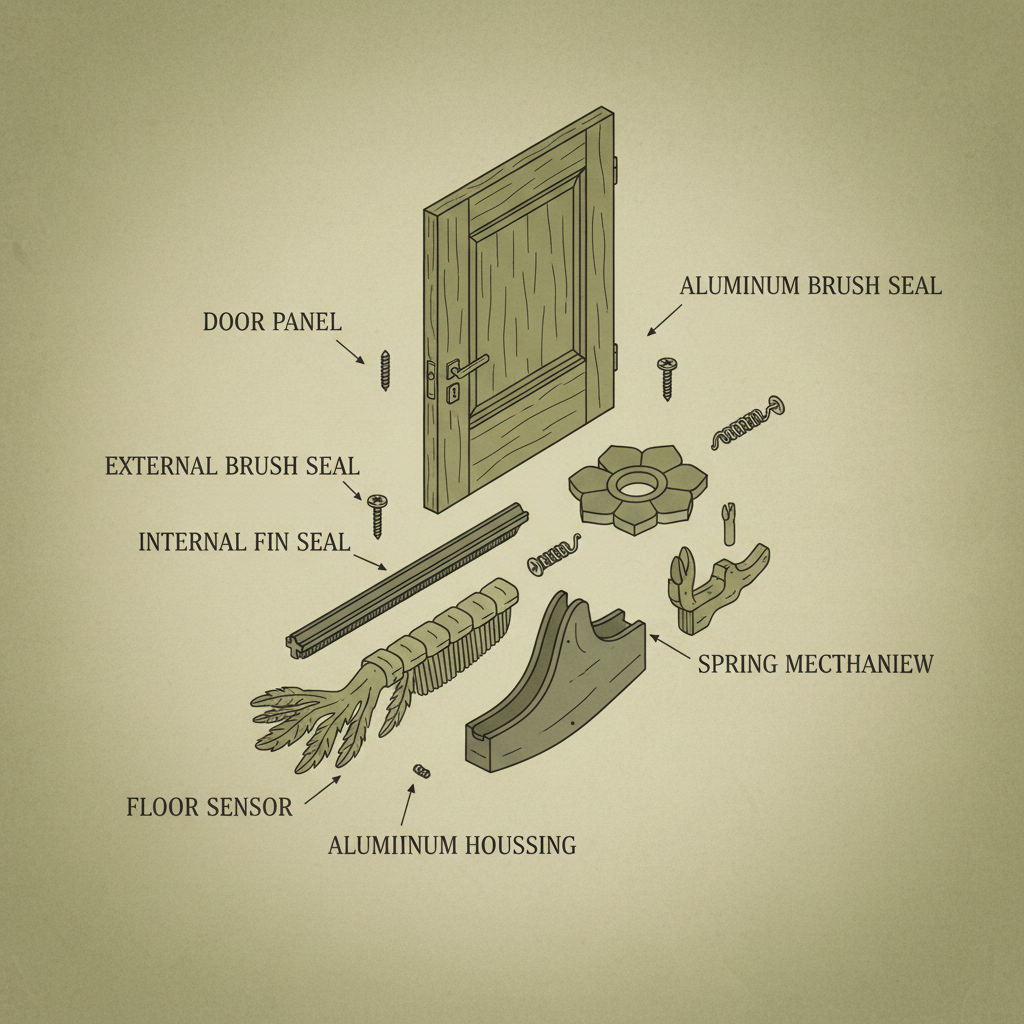
Secondly, the design of the seal is crucial. Common designs include fin seals, bulb seals, and brush seals. Fin seals provide a tight seal against flat surfaces, while bulb seals offer excellent compression and recovery. Brush seals are particularly effective at preventing insect entry and are often used in applications where a flexible seal is required. The mounting mechanism – whether adhesive, screw-mounted, or inserted into a groove – also plays a significant role in long-term performance.
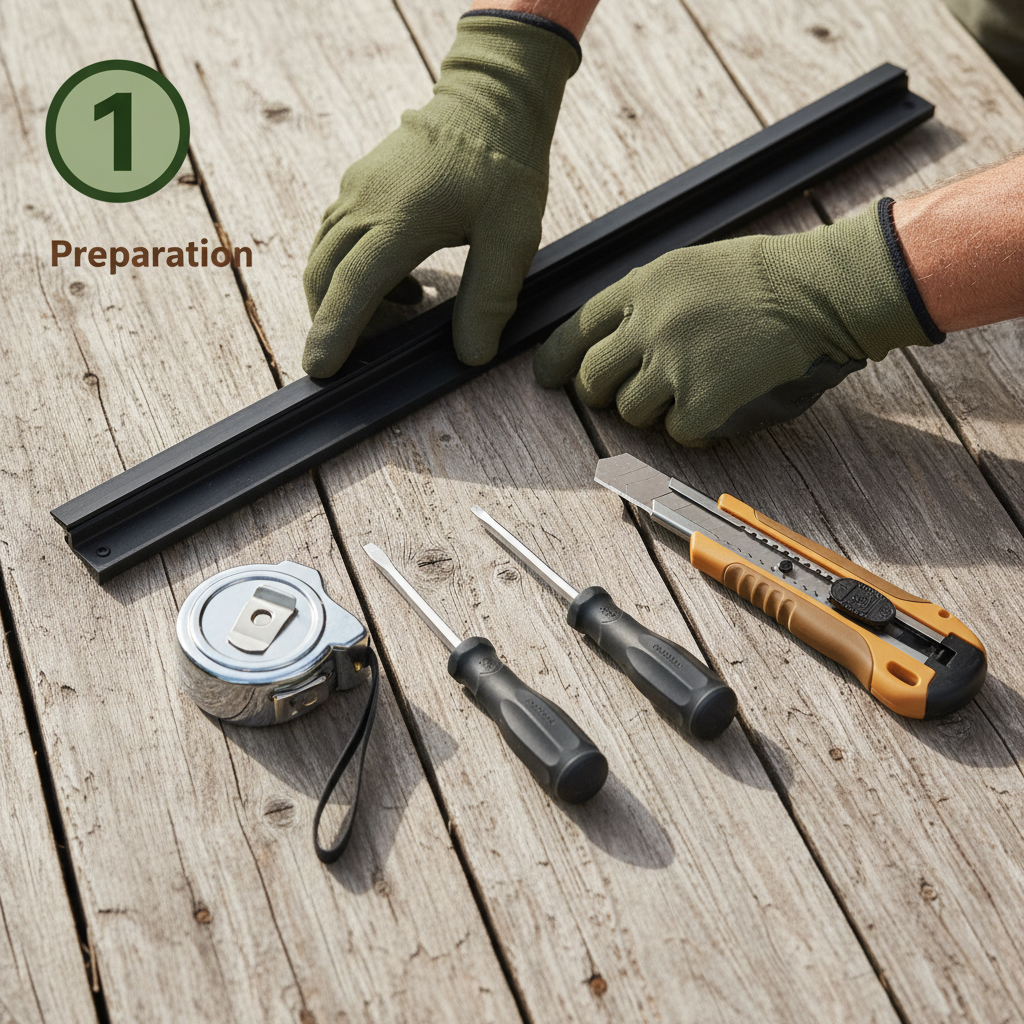
Finally, correct installation is paramount. Even the highest-quality door strip bottom will fail to perform effectively if it is not installed correctly. This includes ensuring a clean and dry surface, proper alignment, and secure attachment. Professional installation is often recommended to guarantee optimal results and avoid future issues.
Key Performance Indicators for door strip bottom
Assessing the performance of door strip bottom requires evaluating several key indicators. Durability is paramount, measured by the seal’s resistance to wear and tear, UV exposure, and temperature fluctuations. Sealing effectiveness, quantified by measuring air leakage rates, directly impacts energy efficiency. Flexibility is also vital, ensuring the seal conforms to the door and threshold without compromising its integrity.
The longevity of a door strip bottom is another important metric, influencing the total cost of ownership. Choosing a seal made from high-quality materials and installed correctly will result in a longer lifespan and reduced replacement costs.
door strip bottom Performance Comparison
Global Applications of door strip bottom
The applications of door strip bottom are diverse and widespread. In residential construction, they are used on exterior doors, garage doors, and interior doors to improve energy efficiency and reduce noise transmission. Commercial buildings, such as offices, hotels, and retail spaces, rely heavily on door strip bottom to maintain comfortable indoor environments and minimize energy costs.
Industrial facilities, particularly those requiring strict temperature control or hygiene standards, utilize specialized door strip bottom designed for heavy-duty use and resistance to harsh chemicals. In post-disaster relief operations, rapid deployment shelters often incorporate door strip bottom to provide basic protection from the elements and improve the living conditions of displaced populations.
The Long-Term Advantages of door strip bottom
Investing in high-quality door strip bottom delivers significant long-term advantages. The most tangible benefit is reduced energy consumption, leading to lower utility bills and a smaller carbon footprint. Improved indoor air quality contributes to the health and well-being of building occupants, reducing the risk of allergies and respiratory problems. A well-sealed door also enhances security, deterring intruders and providing peace of mind.
Beyond the practical benefits, door strip bottom fosters a sense of comfort and tranquility. By minimizing drafts and noise, it creates a more pleasant and productive living or working environment. The durability of modern seals reduces the need for frequent replacements, saving time and money over the lifespan of the building.
Ultimately, the use of effective door strip bottom represents a commitment to sustainability, cost savings, and improved quality of life.
Future Trends and Innovations in door strip bottom Technology
The future of door strip bottom is focused on enhancing performance, sustainability, and integration with smart building technologies. Researchers are exploring new materials with improved durability, flexibility, and thermal insulation properties. Self-adjusting seals that automatically adapt to variations in door and threshold alignment are also under development.
The integration of sensors and connectivity into door strip bottom will enable real-time monitoring of seal integrity and performance. This data can be used to proactively identify and address potential issues, optimizing energy efficiency and preventing costly repairs. Furthermore, the development of biodegradable and recyclable seal materials will contribute to a more circular economy and reduce environmental impact.
As building automation systems become more sophisticated, door strip bottom will play an increasingly important role in creating intelligent and responsive environments.
Summary of Factors Influencing door strip bottom Performance
| Material Composition |
Installation Quality |
Environmental Exposure |
Maintenance Schedule |
| Rubber (EPDM, Silicone) |
Professional installation recommended |
High UV exposure reduces lifespan |
Annual inspection for damage |
| PVC |
DIY installation possible |
Resistant to moisture but prone to cracking |
Clean and lubricate regularly |
| Brush Seals |
Requires precise fitting |
Effective at preventing insect entry |
Replace brushes when worn |
| Foam Seals |
Easy to install |
Low durability and compression set |
Frequent replacement required |
| Thermoplastic Elastomers (TPE) |
Good balance of properties |
Moderate UV resistance |
Periodic cleaning and inspection |
| Hybrid Materials |
Often require specialized installation |
Optimized for specific applications |
Follow manufacturer’s recommendations |
FAQS
The lifespan of a door strip bottom varies depending on the material, environmental conditions, and frequency of use. Generally, rubber and silicone seals can last 5-10 years with proper maintenance, while PVC seals may have a shorter lifespan of 2-5 years. Factors like UV exposure, temperature fluctuations, and abrasion can accelerate wear and tear, requiring earlier replacement. Regular inspection and cleaning can help extend the lifespan of your door strip bottom.
Selecting the right material depends on your specific application. For exterior doors exposed to harsh weather, silicone or EPDM rubber are excellent choices due to their durability and UV resistance. PVC is a cost-effective option for interior doors or less demanding applications. Brush seals are ideal for preventing insect entry, while bulb seals provide excellent compression and sealing. Consider the climate, door usage, and budget when making your selection.
While some door strip bottom are designed for DIY installation, hiring a professional is often recommended. Proper installation is crucial for optimal performance and longevity. A professional can ensure the seal is correctly aligned, securely attached, and free from gaps or leaks. Incorrect installation can compromise the effectiveness of the seal and lead to premature failure.
Self-adjusting door strip bottom automatically compensate for variations in door and threshold alignment, providing a consistently tight seal. This eliminates the need for manual adjustments and ensures optimal performance even if the door or threshold shifts over time. They are particularly useful for doors that experience frequent use or are exposed to uneven settling.
Regular cleaning and maintenance can extend the lifespan of your door strip bottom. Wipe down the seal with a damp cloth and mild detergent to remove dirt and debris. Avoid using harsh chemicals or abrasive cleaners, as these can damage the material. Periodically inspect the seal for signs of wear and tear, such as cracks, tears, or compression set. Address any issues promptly to prevent further damage.
Yes, there is a growing demand for eco-friendly door strip bottom. Manufacturers are developing seals made from recycled materials, biodegradable polymers, and sustainable rubber compounds. These options reduce the environmental impact of building materials and contribute to a more circular economy. Look for seals with certifications like GreenGuard or LEED to ensure they meet environmental standards.
Conclusion
In conclusion, door strip bottom are far more than just a minor detail in building construction. They represent a critical component in enhancing energy efficiency, improving indoor air quality, and creating comfortable and sustainable environments. From material selection to proper installation, every aspect of a door strip bottom impacts its performance and longevity. Embracing the latest innovations and prioritizing quality will ensure long-term benefits for both building owners and occupants.
As we move towards a future focused on sustainability and resource conservation, the importance of door strip bottom will only continue to grow. By understanding its core principles and investing in effective sealing solutions, we can contribute to a more energy-efficient and environmentally responsible built world. For more information and to explore our range of high-quality door strip bottom, visit our website: www.qzseals.com.