Telephone: +8618730949119
0%

Table of Contents

You see a lot of water damage on jobsites. Not just big storms, but constant, creeping moisture. It rots framing, swells doors, and makes for unhappy homeowners. That’s where a good bottom door rain guard comes in. It's not a glamorous part of the build, but it's one of the most important for long-term durability. We’ve been testing different materials and designs for years, seeing what actually holds up to the daily grind. It's about preventing headaches down the line – call backs are expensive, and nobody wants them.

I’ve seen too many installs where corners are cut on something seemingly small like this. Builders think they can get away with cheaper options, but those always fail first. A properly installed, quality bottom door rain guard isn’t just about keeping the rain out; it’s about protecting the entire door system and the structure around it. We’re talking about preventing mold, maintaining energy efficiency, and keeping the overall integrity of the building.

Honestly, it's about more than just the product itself. It’s about simplifying the install process for the guys in the field. We need solutions that are easy to work with, even in awkward spaces, and that require minimal adjustments. Because on a construction site, time is money, and frustration leads to mistakes.

Investing in Durable Bottom Door Rain Guard Solutions for Long Term Protection

The Importance of Bottom Door Rain Guards
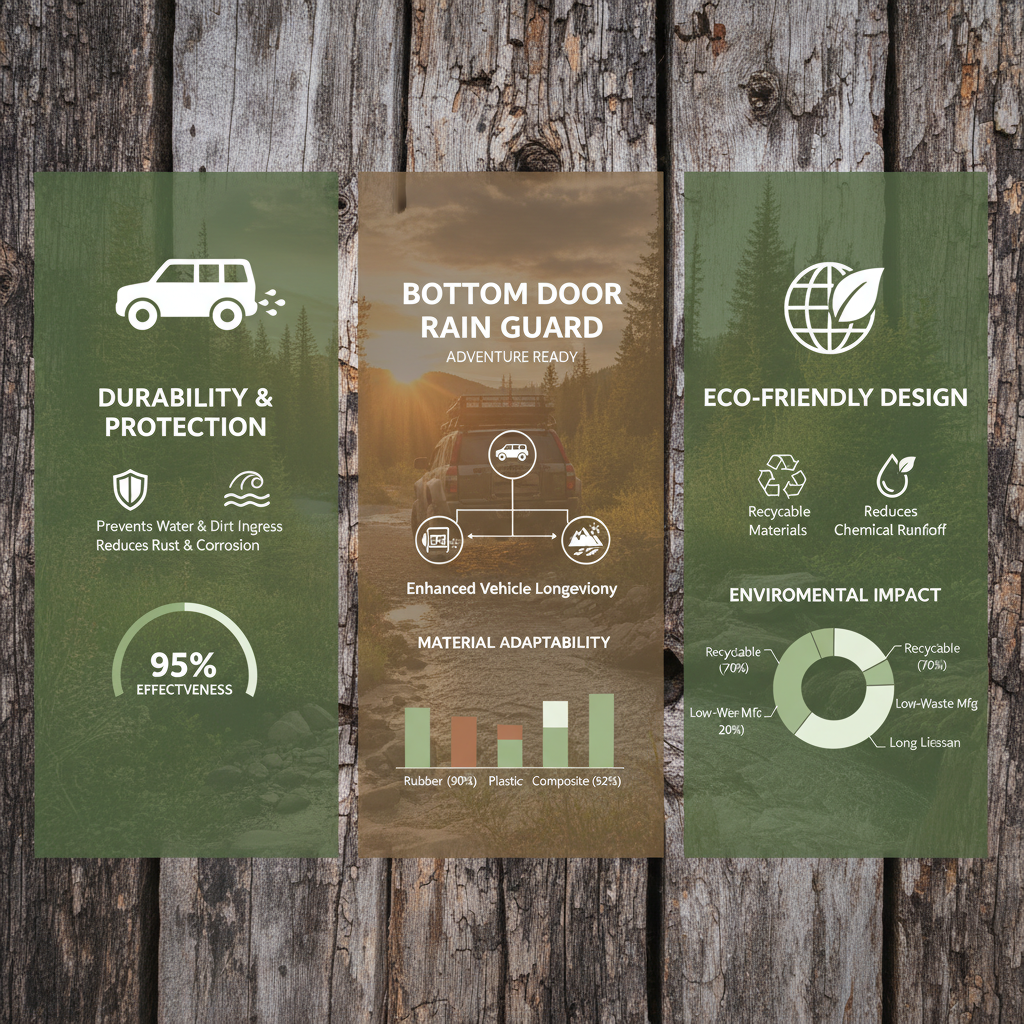
Investing in Durable Bottom Door Rain Guard Solutions for Long Term Protection

We see a lot of water intrusion issues, and the bottom of the door is often the first point of failure. It's not about massive leaks; it’s about the constant exposure to driving rain, snowmelt, and even just condensation. That steady moisture leads to rot, corrosion, and eventually, a failing door. A properly installed bottom door rain guard, from the start, protects against this.

It’s surprising how many builders underestimate the impact of this small detail. It’s not just about keeping the water out; it’s about maintaining the structural integrity of the entire door frame and surrounding wall. You wouldn’t build a foundation without proper waterproofing, and this is essentially the same principle, just on a smaller scale.

Understanding Bottom Door Rain Guard Design

There are a lot of different designs out there, from simple rubber sweeps to more complex, multi-chambered systems. The key is understanding how water behaves. You need a design that effectively directs water away from the door, not just stops it at the threshold. We've seen designs that trap water, causing more damage in the long run.

The angle of the guard, the materials used, and the quality of the seal are all critical. It needs to be able to flex with the door during opening and closing without losing its shape or effectiveness. We've been working with engineers to refine designs that address these issues.

The shape needs to match the door curvature and the threshold profile. A gap anywhere can render the whole system useless. It’s the little details that make the difference, and that’s what we focus on during testing and refinement.

Material Science and Durability

You can’t skimp on materials. Cheap PVC might seem like a good option upfront, but it becomes brittle and cracks in cold weather. We’ve focused on using high-density polyethylene (HDPE) and EPDM rubber – materials that are known for their durability, flexibility, and resistance to UV degradation.

The best materials are those that can withstand repeated use and exposure to the elements without breaking down. We perform accelerated aging tests, exposing samples to extreme temperatures, humidity, and UV radiation to simulate years of wear and tear. We’re looking for materials that hold up, period.

It’s not just about the material itself, but also how it’s manufactured. Extrusion quality, consistency of the rubber compound, and the bonding process all play a role in the overall lifespan of the bottom door rain guard. We audit our suppliers to ensure they meet our strict quality standards.

Cost-Effectiveness and ROI of Bottom Door Rain Guards

I get it, builders are always watching the bottom line. But cutting corners on something like this is short-sighted. The cost of a good bottom door rain guard is a tiny fraction of the overall project cost, but the potential savings from preventing water damage are significant.

Think about the cost of replacing a rotted door frame, repairing mold damage, or dealing with unhappy homeowners. Those costs quickly add up. A good rain guard is a preventative measure that pays for itself many times over.

Return on Investment of Different Bottom Door Rain Guard Materials


Global Applications and Climate Considerations

The need for a good bottom door rain guard isn't limited to one climate. From the torrential downpours of the Pacific Northwest to the humid heat of the Southeast, and even the snow and ice of the Midwest, water intrusion is a constant concern. In coastal areas, salt spray adds another layer of corrosion.

We’re seeing increased demand in regions prone to extreme weather events – hurricanes, typhoons, and heavy snowstorms. Builders are realizing that investing in preventative measures is crucial for protecting their projects and their reputation.

Advantages of High-Quality Bottom Door Rain Guards

Beyond preventing water damage, a quality bottom door rain guard improves energy efficiency by sealing gaps and reducing drafts. This lowers heating and cooling costs, making the building more sustainable.

They also help reduce noise transmission, creating a more comfortable indoor environment. And let’s not forget the aesthetic benefits – a clean, well-sealed door looks better and contributes to the overall quality of the building.

A well-designed and durable rain guard contributes to the longevity of the entire door system, reducing the need for repairs and replacements. That's a huge win for both the builder and the homeowner.

Future Trends and Innovations in Rain Guard Technology

We’re exploring the use of self-healing polymers that can repair minor damage and extend the lifespan of the rain guard. We’re also looking at incorporating sensors that can detect moisture levels and alert homeowners to potential problems.

Smart home integration is another area of interest. Imagine a rain guard that automatically adjusts its seal based on weather conditions. It sounds like science fiction, but the technology is getting closer.

Sustainable materials are becoming increasingly important. We are actively researching bio-based polymers and recycled materials that can reduce the environmental impact of our products.

Summary of Bottom Door Rain Guard Performance Factors

Material Type Durability Rating (1-10) Installation Difficulty (1-10) Cost (per foot)
PVC 3 8 $1.00
Rubber Sweep 5 7 $2.50
HDPE 8 6 $3.00
EPDM 9 5 $4.00
Aluminum with Seal 7 4 $5.00
Self-Healing Polymer 10 6 $6.00

FAQS

What's the best bottom door rain guard material for a coastal home?

For coastal homes, you want something that can withstand salt spray and UV exposure. EPDM rubber is an excellent choice due to its resistance to these elements. It's a bit more expensive upfront, but it will last much longer than PVC, ultimately saving you money on replacements and preventing water damage. We’ve had great results with EPDM in projects near the ocean.

How easy is it to install a bottom door rain guard myself?

Installation difficulty varies depending on the type of rain guard and your door’s construction. Simple rubber sweeps are fairly easy to install with just a utility knife and some adhesive. More complex systems, like aluminum thresholds with seals, may require some carpentry skills and specialized tools. If you’re not comfortable with DIY projects, it’s best to hire a professional.

What size bottom door rain guard do I need?

Measure the width of your door accurately. The rain guard should be slightly wider than the door to ensure a proper seal. You’ll also need to consider the height of the threshold and choose a rain guard that provides adequate coverage. It’s better to err on the side of slightly too wide than too narrow.

How often do I need to replace a bottom door rain guard?

The lifespan of a bottom door rain guard depends on the material and exposure to the elements. PVC typically lasts 2-3 years, rubber sweeps 3-5 years, and HDPE or EPDM 5-10 years or more. Regular inspection and prompt replacement when you notice signs of wear and tear are crucial. Check for cracks, tears, or loss of flexibility.

Will a bottom door rain guard help with energy efficiency?

Absolutely. A properly installed rain guard seals gaps around the door, preventing drafts and reducing heat loss or gain. This can significantly lower your energy bills, especially during extreme weather. It’s a simple and cost-effective way to improve your home’s energy efficiency.

How do I choose between a sweep, a threshold, and a full rain guard system?

It depends on your specific needs and budget. A sweep is the simplest and least expensive option, but it offers limited protection. A threshold provides a more substantial barrier against water intrusion. A full rain guard system, which combines a threshold with side seals, offers the best protection, particularly in areas with heavy rain or snow. Consider the climate and your home's vulnerability to water damage.

Conclusion

Bottom door rain guards are often overlooked, but they're a critical component of any well-built structure. From protecting against water damage to improving energy efficiency and extending the lifespan of your doors, the benefits are substantial. Choosing the right material, ensuring proper installation, and prioritizing durability are key to maximizing the return on your investment.

Don’t underestimate the power of these small details. A quality bottom door rain guard is a preventative measure that can save you significant time, money, and headaches in the long run. If you’re looking for reliable and effective solutions for your next project, visit our website: www.qzseals.com.

Michael Brown

Michael Brown

Michael Brown serves as the Logistics and Supply Chain Director at Hebei Qiuzhuo Rubber Products Co., Ltd. He ensures efficient and timely delivery of products to customers globally, leveraging the company’s strategic location near key ports like Tianjin and Qingdao. Michael has a strong background in international shipping, warehousing, and
Previous The Essential Guide to Adhesive Door Sweeps for Enhanced Building Performance
Next Effective Under Door Draft Blocker Solutions for Energy Efficiency