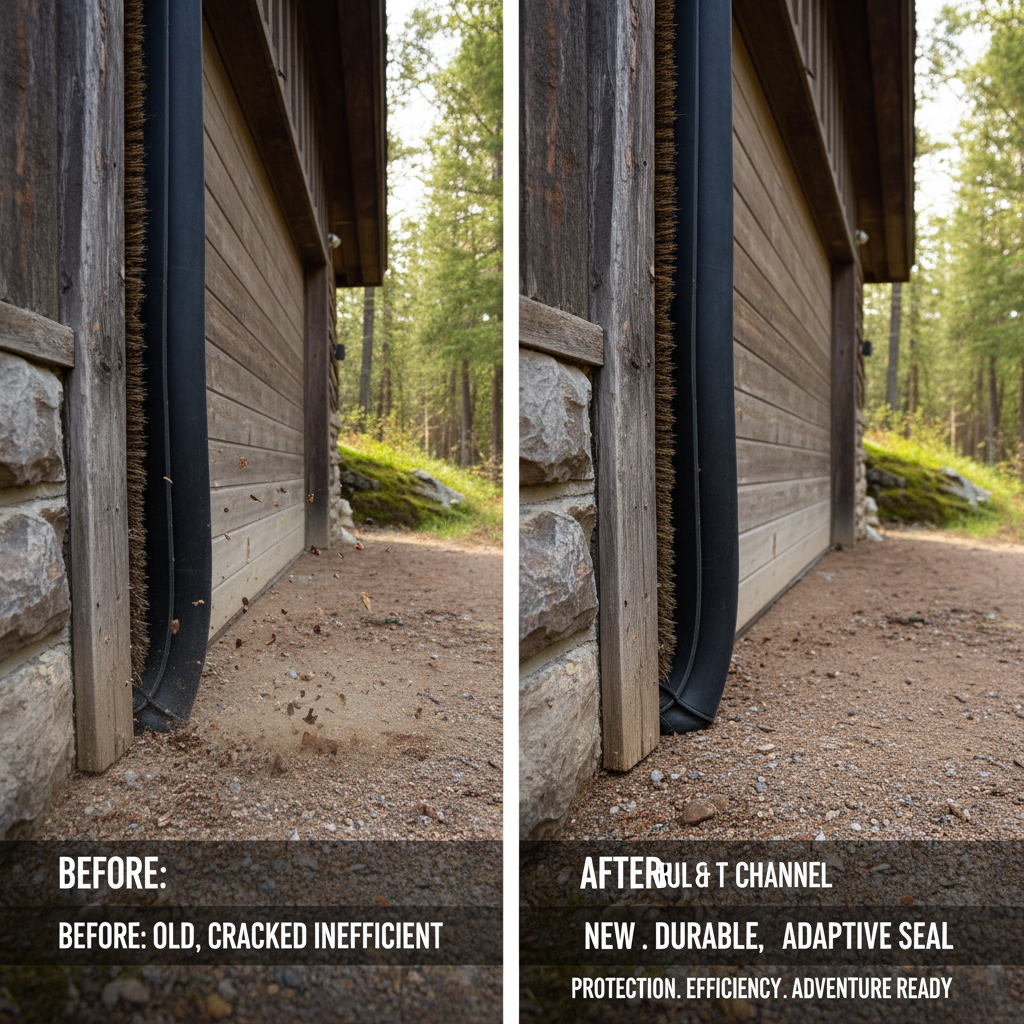
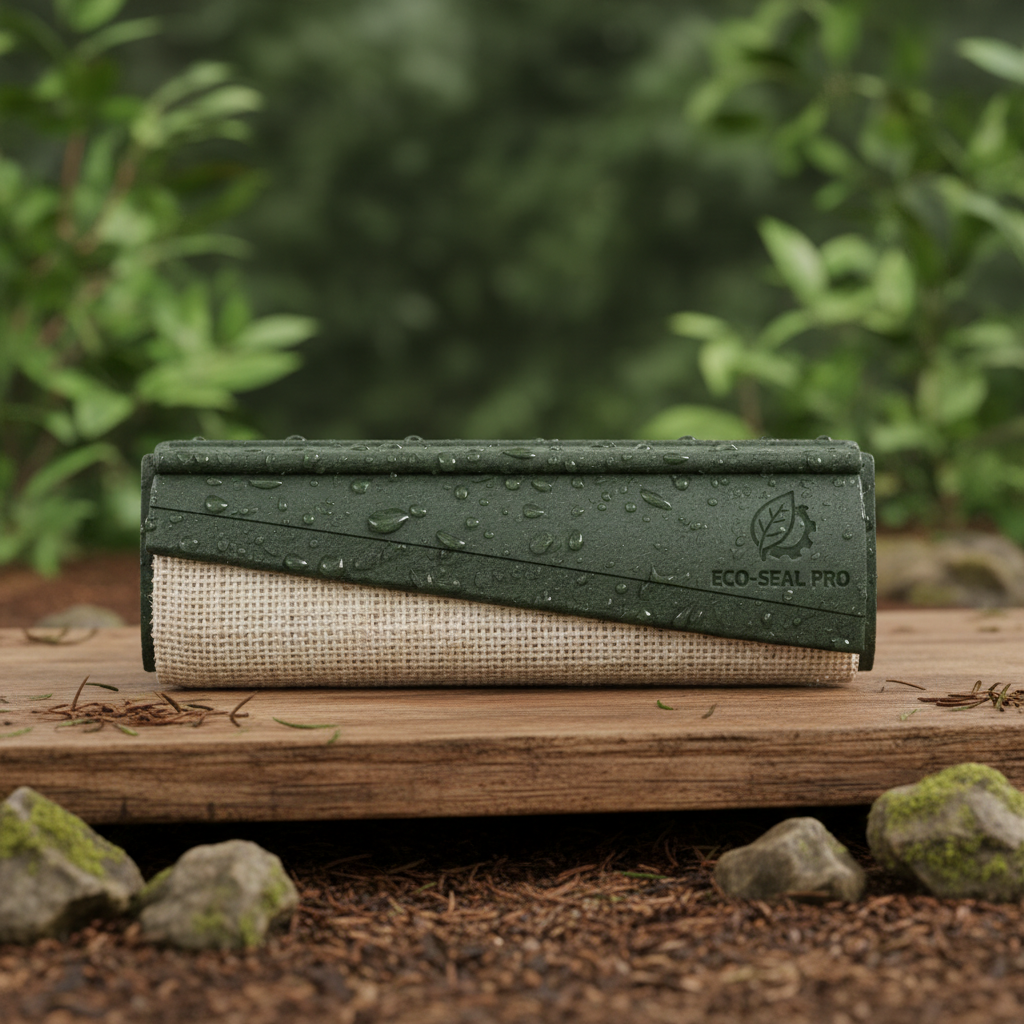
Look, I've spent the last fifteen years crawling around job sites, getting dust in my teeth, and talking to the folks actually building things. And let me tell you, a surprising amount of wasted energy – and money – goes right out the door, literally. We're talking drafts, cold floors, higher heating bills, and just generally uncomfortable spaces. That’s where a good under door draft blocker comes in. It’s not glamorous, but it’s a solid, practical solution to a problem that impacts everyone, from homeowners to building managers. It’s about making buildings more efficient, and frankly, more livable.
It's easy to overlook these little gaps, but they add up. Think about it: every crack and crevice is an open invitation for temperature fluctuations. Over time, these temperature swings can actually damage building materials, create moisture issues, and increase wear and tear on HVAC systems. A quality under door draft blocker isn't just about comfort; it's about preventative maintenance and protecting your investment. I’ve seen guys spend thousands on fixes that could've been avoided with a fifty-dollar piece of rubber and fabric.
I’ve tested a lot of these things, from the cheap foam strips to the fancier, adjustable models. What I’ve learned is that durability and a good seal are key. You don't want something that's going to fall apart after a few uses or let air seep through. We're talking about real-world conditions here – doors opening and closing hundreds of times a day, foot traffic, and sometimes even getting knocked around during construction. You need something built to last, something that actually works.
The Importance of Addressing Drafts
I've seen firsthand how drafts can impact a building’s overall performance. They're a major source of energy loss, increasing heating and cooling costs significantly. In commercial buildings, that translates to thousands of dollars wasted annually. And it's not just about the money. Drafts create inconsistent temperatures, making workspaces uncomfortable and potentially affecting productivity. A simple under door draft blocker can be a surprisingly effective first step in improving energy efficiency.
Beyond the financial implications, drafts contribute to indoor air quality issues. They can pull in allergens, dust, and pollutants from outside, exacerbating respiratory problems and creating an unhealthy environment. Particularly in older buildings, addressing these drafts is crucial for maintaining a comfortable and healthy indoor space. It's a basic fix with a big impact, and it often gets overlooked.
Defining the Under Door Draft Blocker
Alright, let’s get down to brass tacks. An under door draft blocker is essentially a barrier designed to seal the gap between the bottom of a door and the floor. It prevents air from flowing through, minimizing drafts and improving energy efficiency. They come in various materials – fabric, rubber, foam – and different designs, from simple tubes to adjustable models with fins.
The core purpose is to reduce thermal transfer. Hot air rises, cold air sinks, and that gap under the door is like leaving a window cracked open. A good draft blocker creates a seal, forcing air to move through the intended HVAC system, where it can be properly heated or cooled. This simple principle translates into noticeable energy savings and improved comfort.
These aren’t new technology, but their importance is growing as building codes become stricter and energy efficiency standards increase. They fit into a broader strategy for building envelope sealing, alongside things like weather stripping and caulking. It’s a low-cost, high-impact solution that’s accessible to both homeowners and professionals.
Key Factors: What Makes a Good Blocker?
From my experience, there are a few key things to look for in an under door draft blocker. First, the material has to be durable enough to withstand repeated use and exposure to the elements. Cheap foam strips tear easily and lose their shape quickly. I’ve had better luck with rubber or reinforced fabric.
Second, the seal has to be tight. You don’t want air leaking around the sides or underneath. Adjustable models with fins are generally better at conforming to uneven floors and door frames. Third, consider the door’s swing. Some blockers are better suited for inward-swinging doors, while others work better for outward-swinging doors.
Finally, think about ease of installation and maintenance. You don’t want something that requires a PhD to install or needs constant adjustment. A good draft blocker should be simple to use and require minimal upkeep. I often recommend options that are easily removable for cleaning or replacement.
Real-World Applications and Use Cases
I see these things used everywhere, honestly. Apartment complexes are a big one – managing energy costs across multiple units is a huge deal. Hotels use them to keep rooms comfortable and minimize heating and cooling expenses. Even in commercial kitchens, they can help maintain consistent temperatures and prevent food spoilage.
I’ve also seen them used in older buildings undergoing renovations. Sometimes, replacing old doors isn’t feasible, so a good under door draft blocker is a cost-effective way to improve energy efficiency without major construction. They're also popular in home offices and bedrooms where people want to create a more comfortable and quiet workspace.
Draft Blocker Effectiveness by Material
Advantages and Long-Term Value
The biggest advantage is simple: cost savings. Reducing energy loss directly translates to lower utility bills. It’s a small investment that pays for itself over time, especially in climates with extreme temperatures. I’ve seen businesses recoup their investment in a single heating season.
Beyond the financial benefits, there's a sustainability aspect. By reducing energy consumption, you’re lowering your carbon footprint and contributing to a more environmentally friendly building. It's a small step, but every little bit helps. And let's not forget the comfort factor. A draft-free space is simply more pleasant to be in, improving morale and productivity.
Future Trends in Draft Prevention
I'm starting to see more integration of smart home technology with draft prevention. Things like automated draft blockers that adjust based on temperature sensors or integrate with smart thermostats. There’s also a growing focus on sustainable materials – using recycled rubber or plant-based fabrics.
We're also seeing a push towards more holistic building sealing solutions. It's not just about the door; it’s about sealing all the cracks and gaps in the building envelope. That includes windows, walls, and foundations. The future of draft prevention is about a comprehensive approach to energy efficiency.
I’m particularly interested in the development of self-sealing materials. Imagine a door sweep that automatically expands to fill any gap, regardless of the floor surface. That’s the kind of innovation that could really make a difference.
Challenges and Innovative Solutions
One of the biggest challenges is dealing with uneven floors. Most doors aren’t perfectly aligned with the floor, leaving gaps that are difficult to seal. That’s where adjustable draft blockers really shine, but even those have their limitations.
Another issue is durability. Cheap materials wear out quickly, requiring frequent replacement. The solution is to invest in higher-quality materials and designs that are built to last. I’m seeing more and more manufacturers using reinforced fabrics and durable rubber compounds.
Finally, there’s the issue of aesthetics. Some draft blockers are unsightly and detract from the overall appearance of a room. Manufacturers are responding by offering more stylish and discreet designs that blend in with the décor.
Table Summarizing Challenges and Solutions in Under Door Draft Blocker Implementation
| Challenge |
Impact on Performance |
Proposed Solution |
Implementation Cost (1-10) |
| Uneven Floor Surfaces |
Reduced Seal Effectiveness |
Adjustable Fin Design |
6 |
| Material Durability |
Frequent Replacements |
Reinforced Fabrics & Rubber |
8 |
| Aesthetic Concerns |
Reduced User Acceptance |
Sleek, Discreet Designs |
4 |
| Limited Height Adjustment |
Ineffective Seal for Tall Doors |
Extendable or Multi-Section Blockers |
7 |
| Installation Complexity |
Improper Installation & Reduced Efficiency |
Simplified, Tool-Free Installation |
5 |
| Resistance to Moisture |
Mold/Mildew Growth & Material Degradation |
Waterproof/Water-Resistant Materials |
9 |
FAQS
The lifespan really depends on the material and usage. Cheap foam ones might need replacing annually, but a good quality rubber or reinforced fabric blocker should last 2-3 years, sometimes longer, with regular use. Look for signs of wear and tear, like cracking, tearing, or loss of elasticity. Regularly cleaning it also extends its life.
It can! While the savings won’t be astronomical, a properly installed under door draft blocker can reduce your heating and cooling costs by 5-10%. It’s one of those small changes that add up over time, especially in older homes or buildings with poor insulation. It’s also about comfort – reducing drafts makes a space feel warmer in the winter and cooler in the summer.
Measure the width of your door. Most draft blockers are adjustable, but it's important to choose one that's close to the door's width to ensure a good seal. Also, consider the height of the gap between the door and the floor. Adjustable fin models are best for uneven gaps. Check the product specifications before you buy.
Absolutely! Exterior doors are the biggest culprits for drafts. A durable, weather-resistant under door draft blocker is a great way to seal those gaps and prevent energy loss. Look for models specifically designed for exterior use, as they'll be more resistant to moisture and temperature fluctuations.
Cleaning depends on the material. Fabric blockers can usually be machine washed, while rubber or foam ones can be wiped down with a damp cloth. Make sure the blocker is completely dry before reinstalling it. Regular cleaning helps prevent the buildup of dirt and dust, which can reduce its effectiveness.
That's a good question. If the gap is very large, a standard draft blocker might not be enough. Look for adjustable fin models that can extend further or consider combining a draft blocker with weather stripping along the door frame for a more comprehensive seal. Sometimes, a little extra effort is needed to tackle those tricky spots.
Conclusion
Look, at the end of the day, an under door draft blocker is a simple, effective, and affordable solution to a common problem. It’s not a flashy gadget, but it delivers real results – lower energy bills, improved comfort, and a more sustainable building. From homes to commercial properties, these little devices can make a big difference.
Don't underestimate the power of addressing those small leaks. It’s a fundamental principle of building science. Investing in quality draft blockers – and taking a proactive approach to sealing your building envelope – is a smart move for anyone looking to save money, reduce their environmental impact, and create a more comfortable space. For reliable solutions, visit our website: www.qzseals.com.