Comprehensive Guide to Self Adhesive Edge Banding Tape Applications and Selection
Understanding Self Adhesive Edge Banding Tape: A Comprehensive Guide
Self adhesive edge banding tape is a crucial component in furniture manufacturing, woodworking, and DIY projects. It provides a finished look to exposed edges of materials like particleboard, MDF, and plywood, concealing the core and enhancing durability. Choosing the right tape involves considering material, thickness, color, and adhesive strength. At QZ Seals, we specialize in providing high-quality self adhesive edge banding tape solutions for a variety of applications. This article will provide a detailed overview of everything you need to know, from types and materials to application tips and benefits.
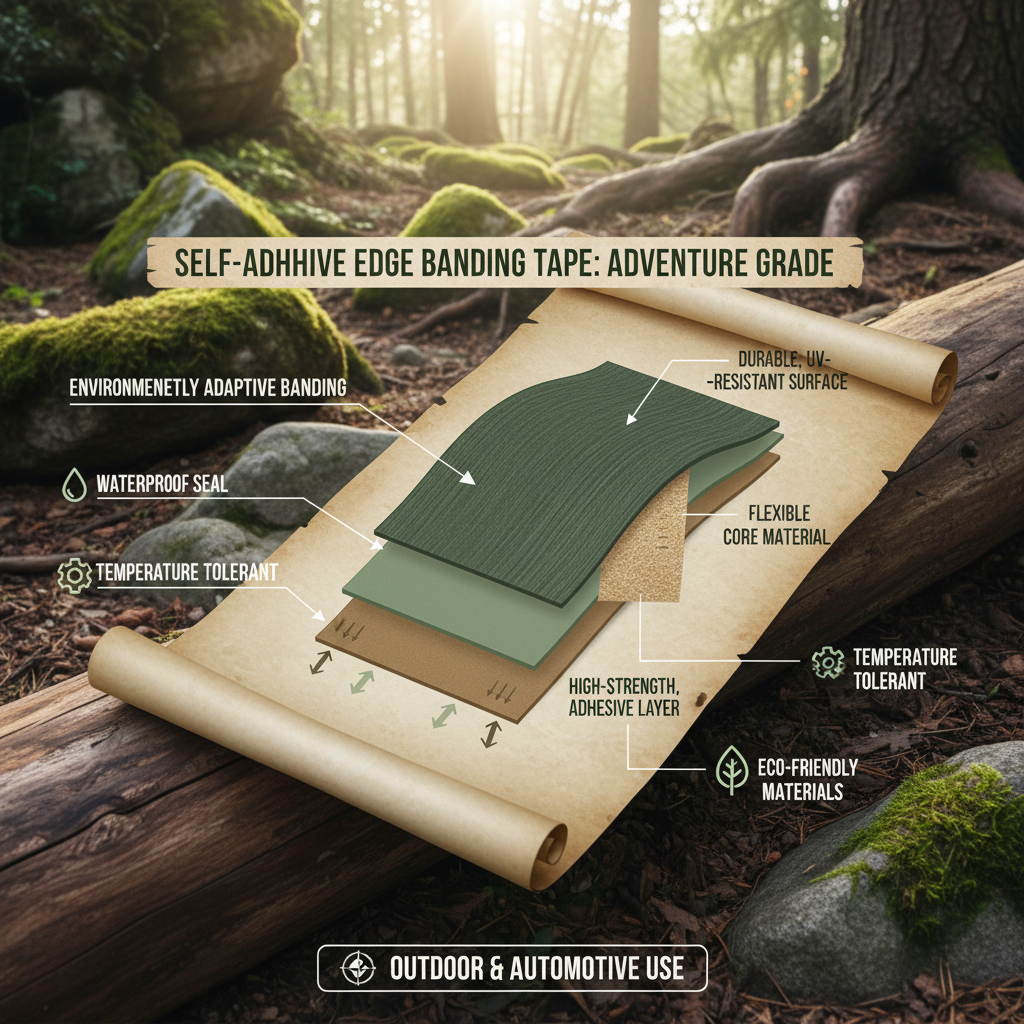
Types of Self Adhesive Edge Banding Tape
There’s a diverse range of self adhesive edge banding tape available, each suited for different needs. The most common types include:
- PVC Edge Banding: A cost-effective option, known for its durability and resistance to wear and tear. Ideal for general furniture applications.
- ABS Edge Banding: Offers superior impact resistance and is a good choice for high-traffic areas or furniture subjected to heavy use.
- Melamine Edge Banding: Often used for laminate surfaces, providing a seamless and color-matched finish.
- Wood Veneer Edge Banding: Made from real wood, providing a natural and luxurious look. Requires more skill to apply.
Understanding these differences is key to selecting the appropriate tape for your project. QZ Seals offers a comprehensive selection of all these types, ensuring you find the perfect match for your requirements.
Key Takeaway: The choice of edge banding material depends on the substrate, aesthetic preferences, and the intended use of the finished product.
Factors to Consider When Choosing Edge Banding
Beyond the material type, several other factors impact the performance and appearance of your edge banding. These include:
- Thickness: Match the tape thickness to the substrate thickness for a clean and professional look.
- Width: Ensure the tape width fully covers the exposed edge.
- Color & Grain: Choose a color and grain pattern that closely matches the substrate material.
- Adhesive Quality: A strong adhesive is critical for a secure and long-lasting bond.
At QZ Seals, we provide detailed specifications for all our tapes, helping you make an informed decision.
Important Considerations:
• Choose a tape thickness that matches the substrate.
• Prioritize tapes with a high-quality, heat-activated adhesive.
• Ensure color matching for a seamless finish.
Self Adhesive Edge Banding Tape: Comparison of Materials
Here's a detailed comparison of the most popular edge banding materials to help you make the best choice for your project:
Application Tips for Self Adhesive Edge Banding Tape
Proper application is key to achieving a professional-looking finish. Here are a few tips:
- Clean the Surface: Ensure the substrate edge is clean, dry, and free of dust or debris.
- Apply Evenly: Carefully apply the tape, ensuring it’s aligned and covers the entire edge.
- Use a Roller: Use a roller to firmly press the tape onto the surface, eliminating air bubbles.
- Trim Excess: Trim any excess tape with a sharp blade for a clean edge.
For optimal results, we recommend using a heat iron or edge bander for activation of the adhesive. Detailed instructions can be found on our website: QZ Seals Application Guide.
Why Choose QZ Seals for Your Edge Banding Needs?
At QZ Seals, we are committed to providing high-quality self adhesive edge banding tape and exceptional customer service. We offer a wide selection of materials, colors, and thicknesses to meet your specific needs. Our competitive pricing, fast shipping, and dedicated support team make us the ideal partner for your projects.
Conclusion
Investing in quality self adhesive edge banding tape is crucial for creating durable, aesthetically pleasing furniture and woodworking projects. QZ Seals offers a comprehensive range of solutions, expert guidance, and reliable service to help you achieve the perfect finish. Don't compromise on quality – choose QZ Seals for all your edge banding needs.
Frequently Asked Questions (FAQs)
What is the best way to remove air bubbles when applying edge banding?
Air bubbles can detract from a professional finish. The most effective way to eliminate them is to use a roller, applying firm and even pressure across the entire surface of the tape. Start from the center and work your way outwards. If bubbles persist, you can carefully use a heat gun on a low setting to gently warm the tape, making it more pliable and easier to smooth out. Be cautious not to overheat, as this can damage the tape or the substrate.
Can self-adhesive edge banding be reapplied?
Generally, self-adhesive edge banding is not designed to be reapplied. Once the adhesive is pressed onto the surface, it creates a strong bond. Attempting to remove and reapply the tape often results in a weakened adhesive and a less secure attachment. It’s always best to apply the tape carefully and accurately the first time. If you need to remove it, you may need to use a heat gun to soften the adhesive, and a plastic scraper to lift the edge banding. However, this process might leave residue on the substrate.
What is the difference between hot melt and self-adhesive edge banding?
Hot melt edge banding requires a specialized edge bander that applies heat to activate the adhesive. This creates a very strong, permanent bond. Self-adhesive edge banding, on the other hand, has a pre-applied adhesive that bonds with pressure. While self-adhesive is easier to apply, it may not provide the same level of durability as hot melt. Self-adhesive is ideal for DIY projects and smaller applications, while hot melt is preferred for high-volume manufacturing.
How do I choose the right color of edge banding?
Choosing the right color is critical for a seamless look. Ideally, the edge banding should be a very close match to the substrate material. If an exact match isn’t available, opt for a slightly darker shade, as it tends to blend in better than a lighter one. Consider the grain pattern as well; a matching grain will further enhance the appearance. QZ Seals offers a wide variety of colors and finishes to help you find the perfect match for your project.
-
Understanding e3 edge banding tape price and Value FactorsNewsApr.16,2026
-
Premium Birch Edge Tape Guide for Professional Furniture FinishingNewsApr.09,2026
-
Comprehensive Guide to 2mm Edge Banding Tape for Furniture and CabinetryNewsApr.07,2026
-
Comprehensive Guide to Choosing the Right 18mm Edge Banding for Your ProjectsNewsApr.04,2026
-
Comprehensive Guide to Pre Glued Melamine Edging Applications and InstallationNewsMar.31,2026
-
Comprehensive Guide to Wood Veneer Edging Strips for Furniture and Woodworking ProjectsNewsMar.26,2026
-
Comprehensive Guide to Oak Veneer Tape for Woodworking ProjectsNewsMar.24,2026